


Most people who ask about their midsection have already tried the sensible things. Diet. Core work. Patience. For many of them none of it helped, because the difficulty was never about effort.
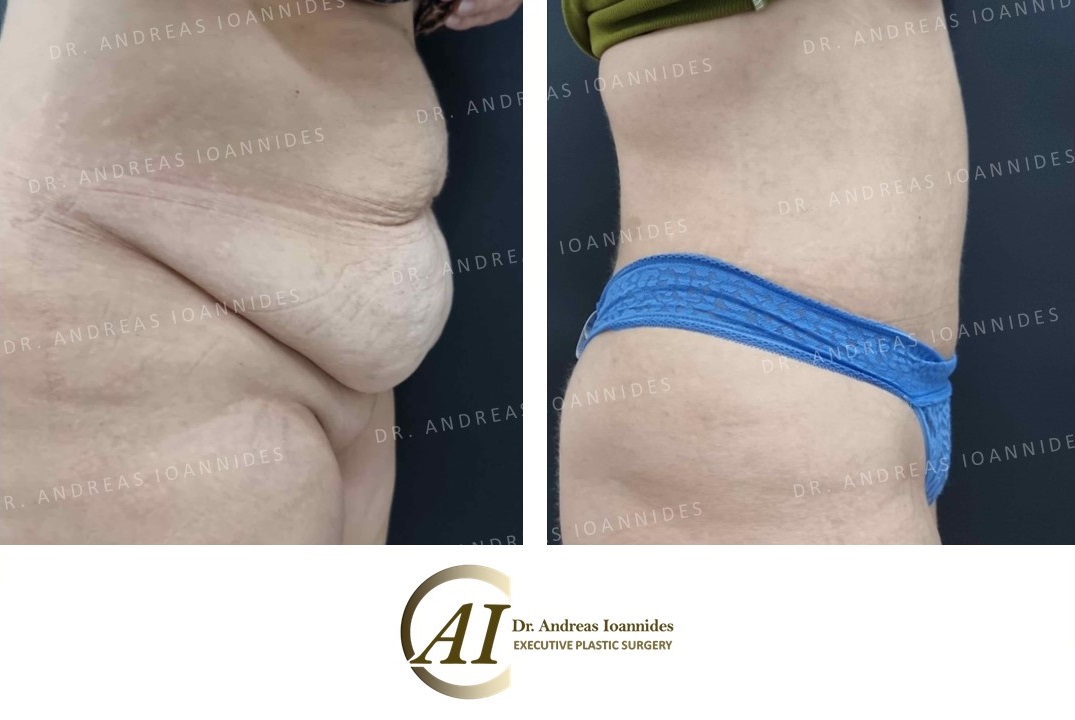
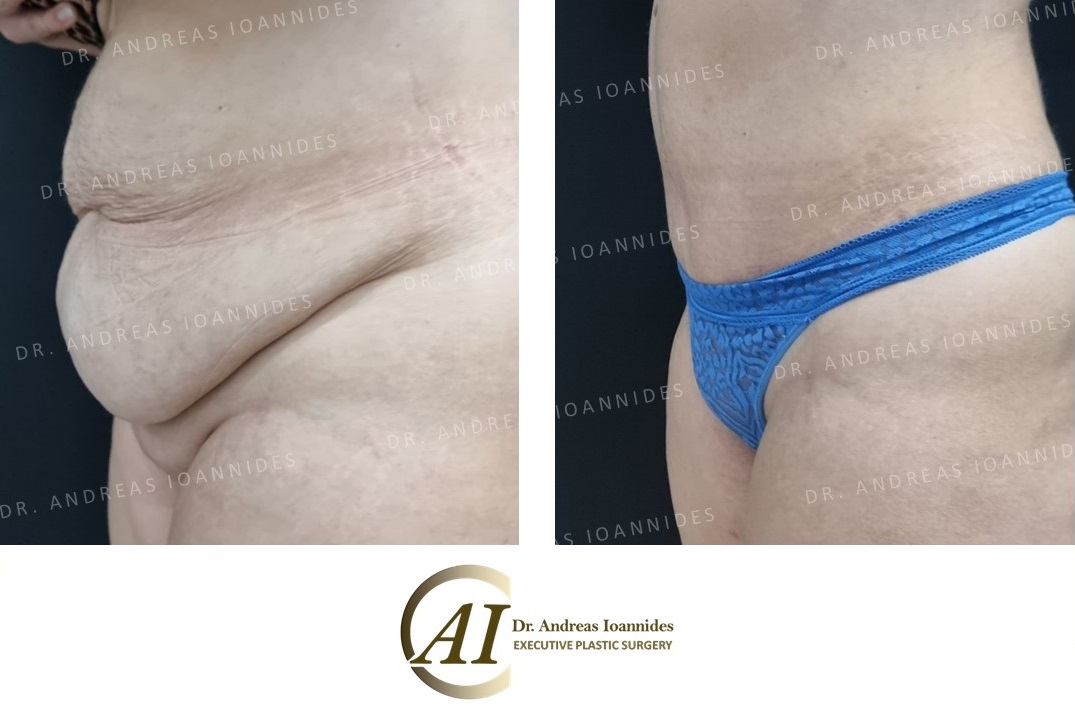
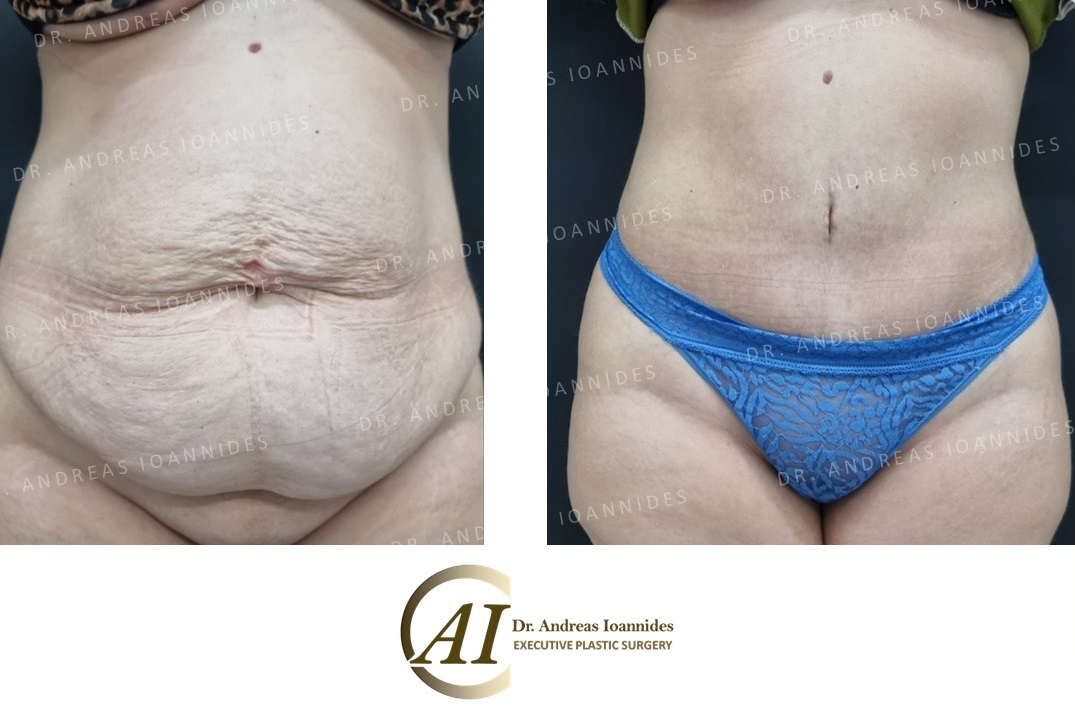
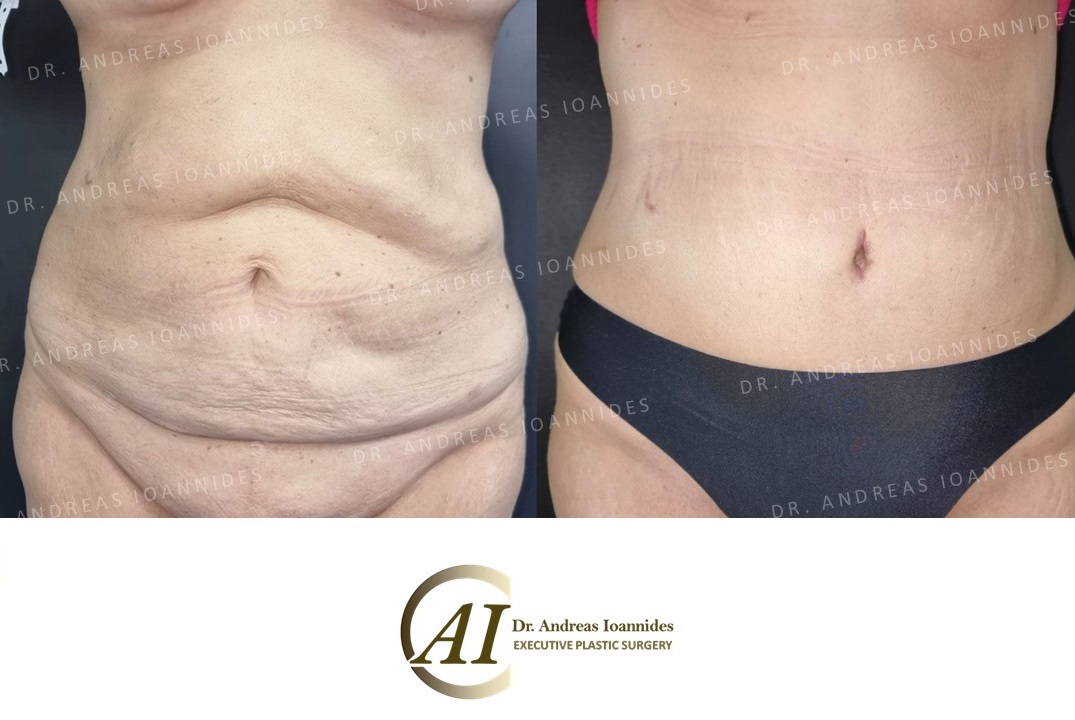
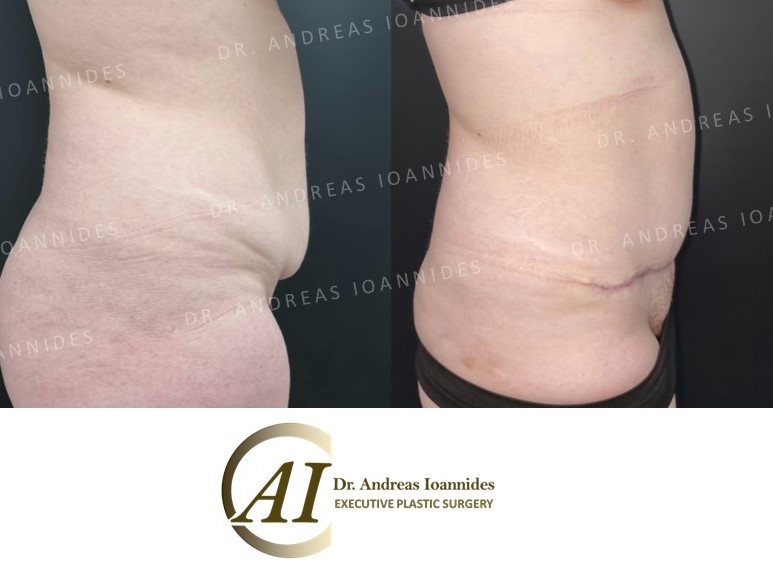
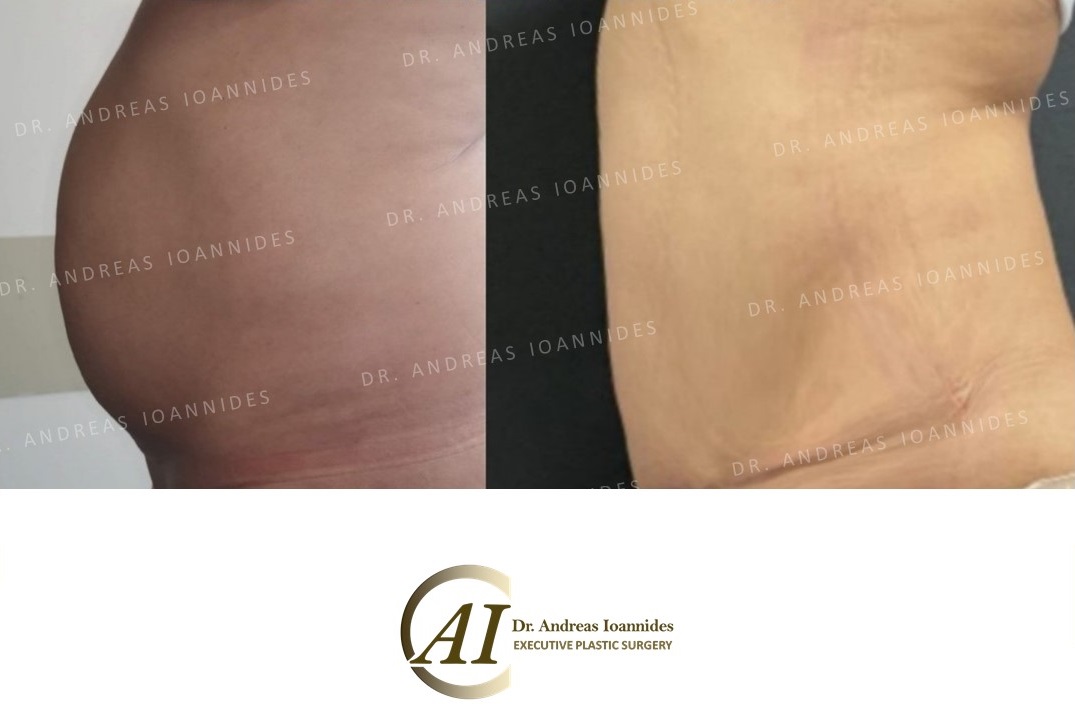
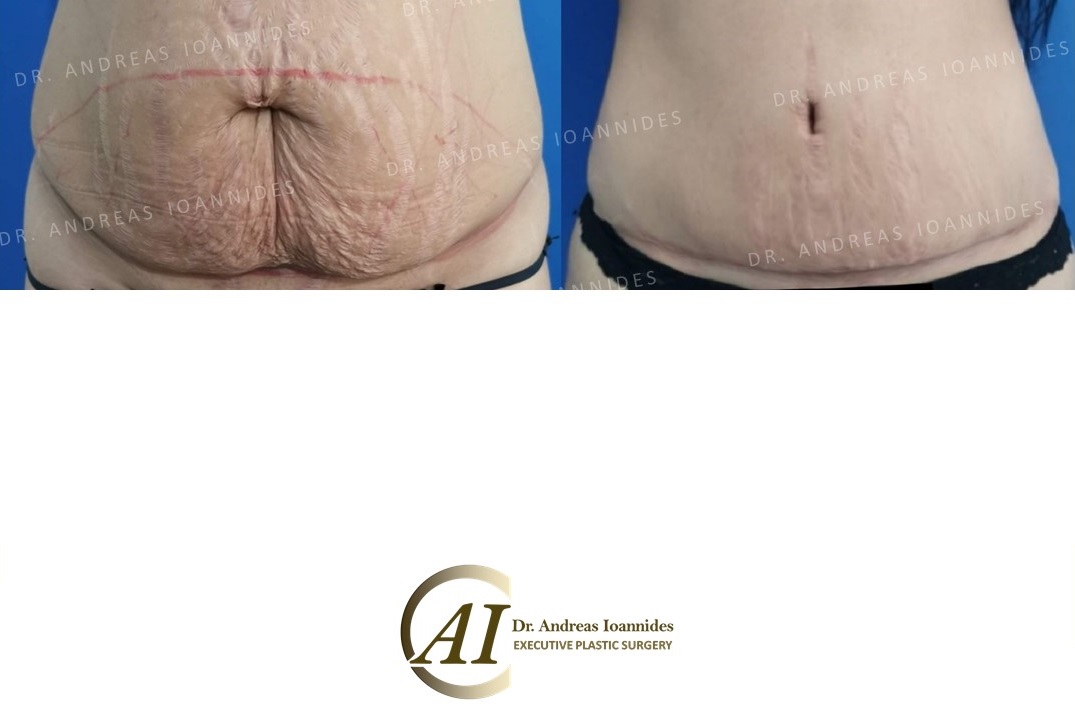
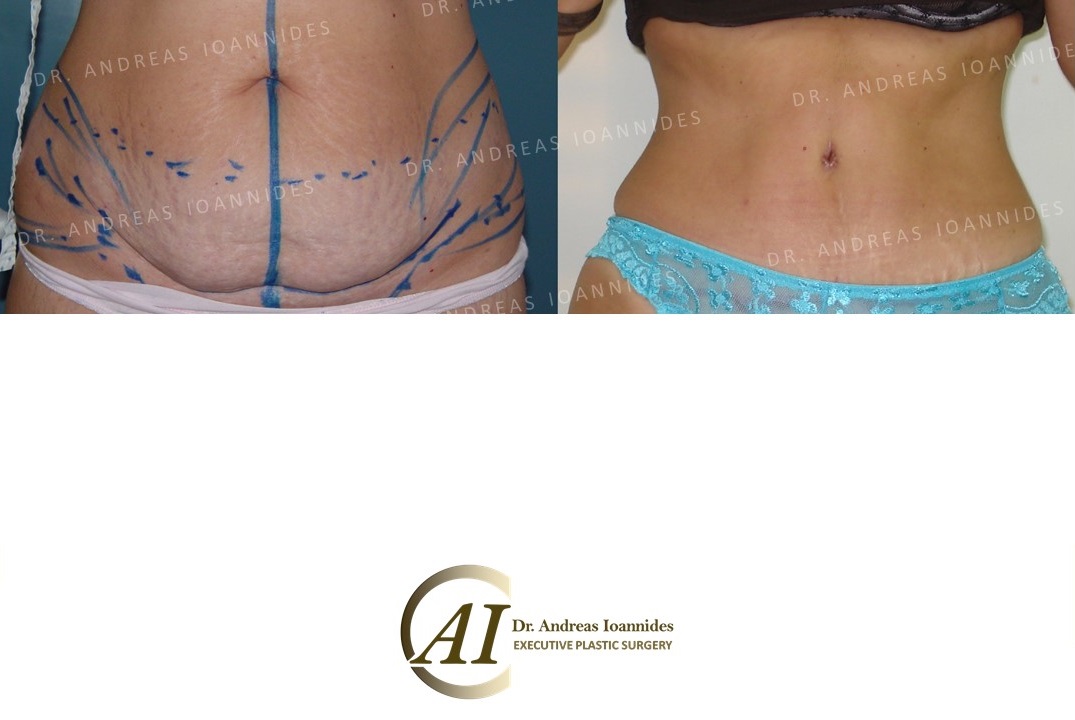
Skin stretched by pregnancy, or by a large drop in body weight, does not always retract. Muscle that has pulled apart will not knit back together with sit-ups. That gap is what this operation fills, and it is worth stating plainly before anything else: a tummy tuck reshapes, it does not slim. Dr Andreas Ioannides, a certified plastic and reconstructive surgeon practising since 2000, plans each case around one person's anatomy rather than around a house technique.
What the Procedure Actually Corrects
A tummy tuck answers three separate problems, and patients tend to bundle them together in their minds, although they do not all respond to the same solution:
- Loose or hanging skin that no longer springs back
- Laxity or separation of the abdominal wall
- Localised fatty tissue, addressed alongside the skin rather than instead of it
Rarely does one of them travel alone. Depending on anatomy, the plan may be combined with liposuction, liposculpture, or tissue-tightening technology such as ThermiTight™ and Argon, each added only where it earns its place.
Globally, this is a mainstream request rather than an unusual one. In its 2023 Global Survey of board-certified plastic surgeons, the International Society of Aesthetic Plastic Surgery placed abdominoplasty fourth among every surgical procedure recorded that year.
Loose Skin, Separated Muscle, or Simply Stubborn Fat?
Here is where most of the confusion sits, I think. A soft midsection that pinches thickly between two fingers usually points towards volume. One that pinches thinly, yet still hangs, points towards surplus skin. A firm ridge appearing down the centre when you lift your head from a pillow suggests something else entirely, and no amount of training will change it.
Ten minutes of clinical assessment settles the question far better than any photograph sent by email, which is one reason abdominoplasty planning resists being done at a distance.
Diastasis Recti, and Why It Is Not Only Cosmetic
After childbirth the two rectus muscles can simply stay apart. Sperstad and colleagues followed 300 first-time mothers for the British Journal of Sports Medicine and recorded separation still present in 32.6% of them a full twelve months on. So the bulge that refuses to shift is common, and it is not a discipline problem.
Where clinically appropriate, that separation can be repaired and reinforced during the same operation. Some women notice steadier trunk support afterwards; others mainly notice their clothes fitting. Both reactions are normal.
Two Starting Points We See Most Often
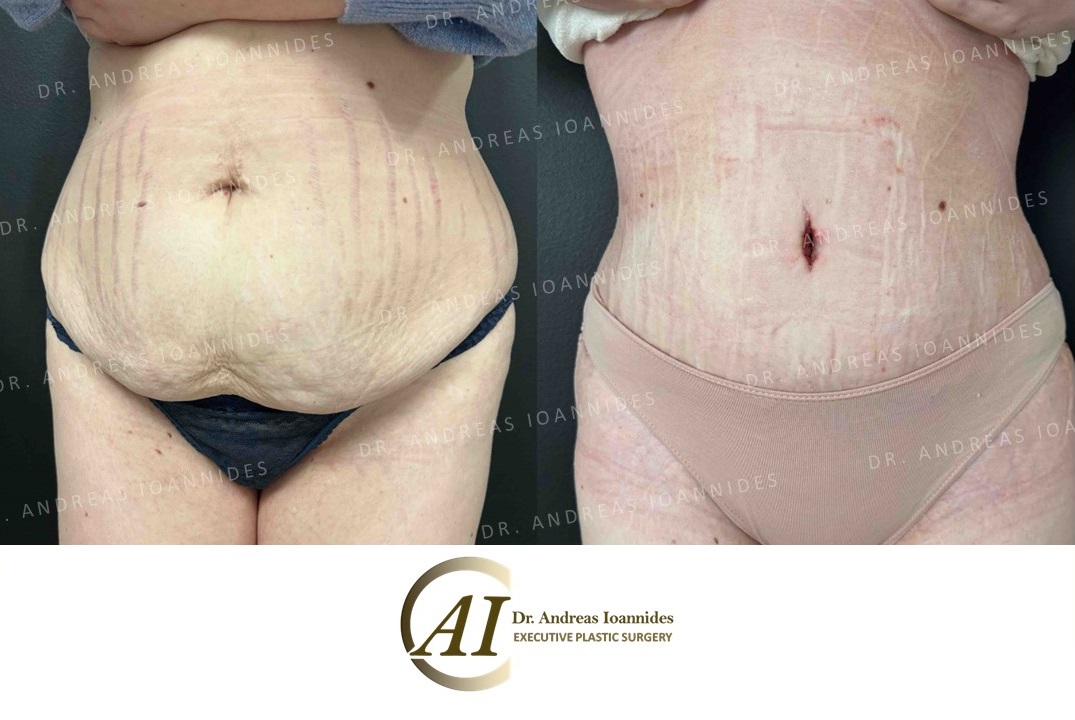
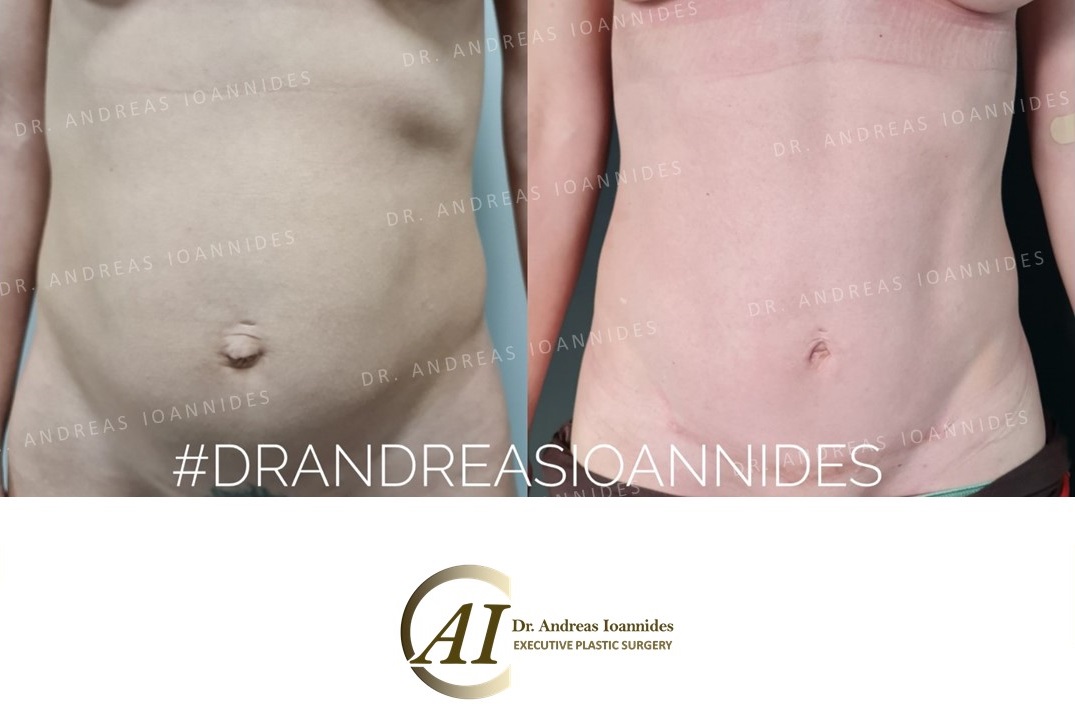
- After pregnancy: Carrying a child stretches skin, separates muscle and shifts the navel. Some of that reverses within a year. What remains, particularly the loose drape below the belly button, tends to stay put, so a tummy tuck often forms one element of a wider post-pregnancy plan rather than the whole of it.
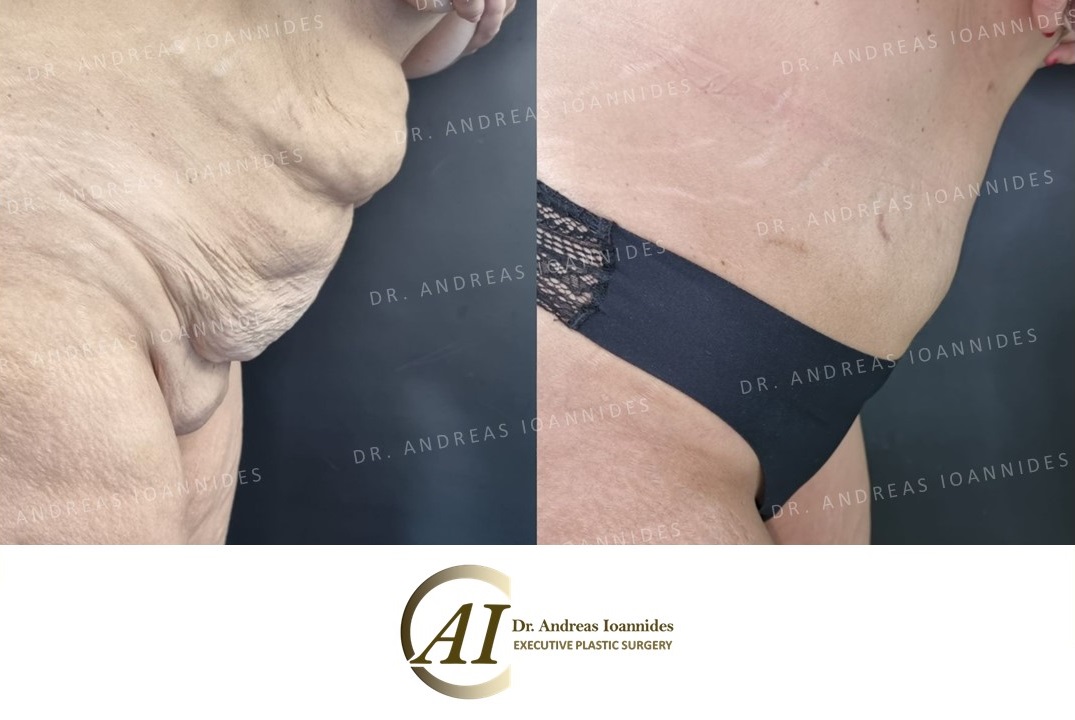
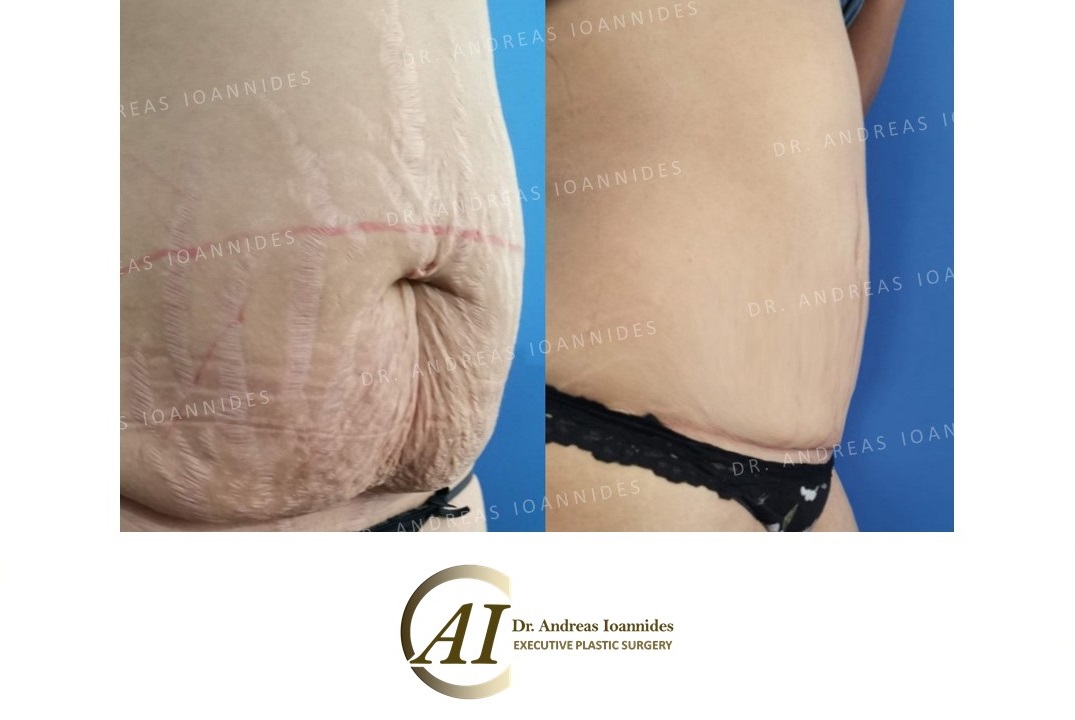
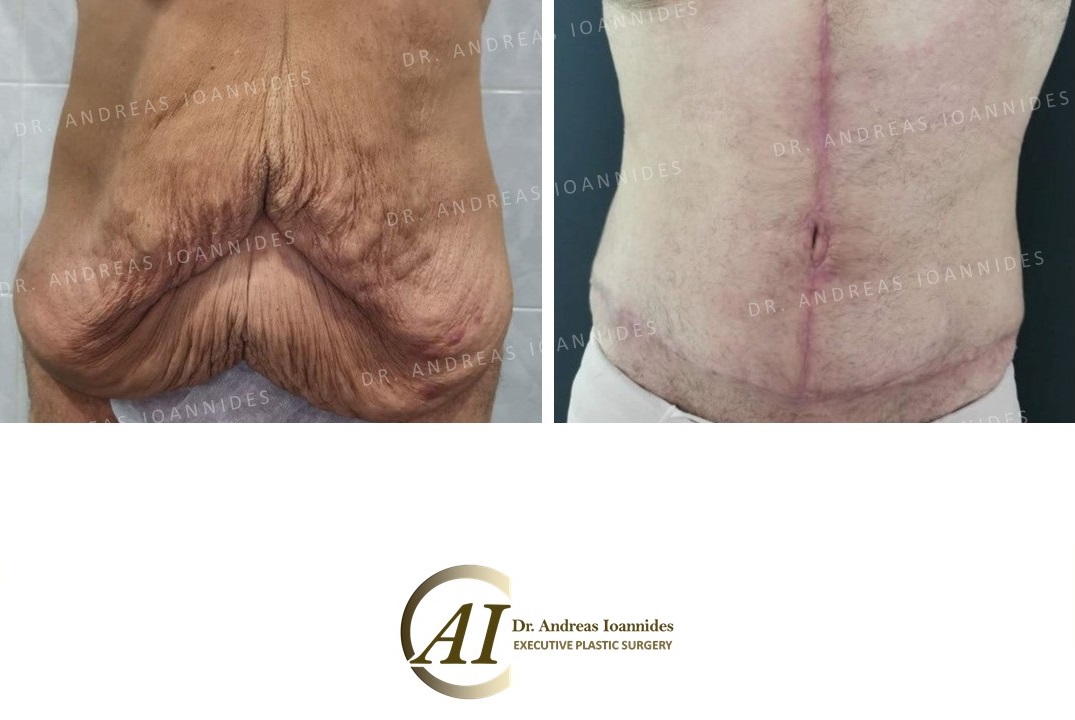
- After a large change in body size: When somebody has slimmed considerably, by their own effort or after bariatric surgery, the skin envelope often fails to contract to match the new volume. An overhanging fold can follow, bringing rubbing, hygiene difficulty and trouble finding clothes that sit properly. Excision resolves that in a way no exercise programme can.
Who Tends to Be a Good Candidate
Suitability is decided in person, never from a form. Broadly, the profile that does well:
- Has held a stable body composition for six months or longer
- Is past the stage of planning further pregnancies, ideally
- Does not smoke, or will stop several weeks beforehand
- Has no uncontrolled health conditions that would complicate healing
- Accepts a permanent line in exchange for a flatter contour
- Wants an improvement rather than a transformation into somebody else
Being told you are not ready yet is not a rejection. Occasionally the honest advice is to return in a year, and we would rather give it than operate at the wrong moment.
Choosing the Technique That Suits Your Body
Nobody should be sold the largest version by default. Which one applies depends on how much surplus tissue there is and where it sits.
When Removing Tissue Is Not the Answer
Sometimes the skin is genuinely elastic and the only complaint is a pocket that will not budge. Liposuction, laser lipolysis or SmartLipo can handle that alone. For mild slackness without real surplus tissue, ThermiTight radiofrequency tightening is occasionally enough, and being told you do not need major surgery counts as a perfectly good consultation outcome.
The reverse also happens. Where skin hangs, reducing the volume underneath it can leave the drape looser still, which is why the two approaches are so often planned together rather than chosen between.
How the Day Itself Runs
1. Marking: Standing, before anything else, so the line falls where clothing will cover it.
2. Anaesthesia: Local, or local with deep sedation, decided beforehand with you.
3. Removal: Surplus tissue is excised through the planned incision.
4. Repair: Where indicated, the separated muscles are brought back together.
5. Refinement: Contouring of the flanks and waist, plus tightening technology in selected patients.
6. Closure: Tissues are adapted in layers to reduce tension on the healing line. Drains are placed only where clinically indicated, not routinely.
7. Discharge: Dressings, garment fitted, then home the same day for most patients.
What the Operation Can Realistically Deliver
Expectations set properly at the outset produce the happiest patients afterwards. Reasonably, you can look for:
- Removal of surplus skin, which does not return
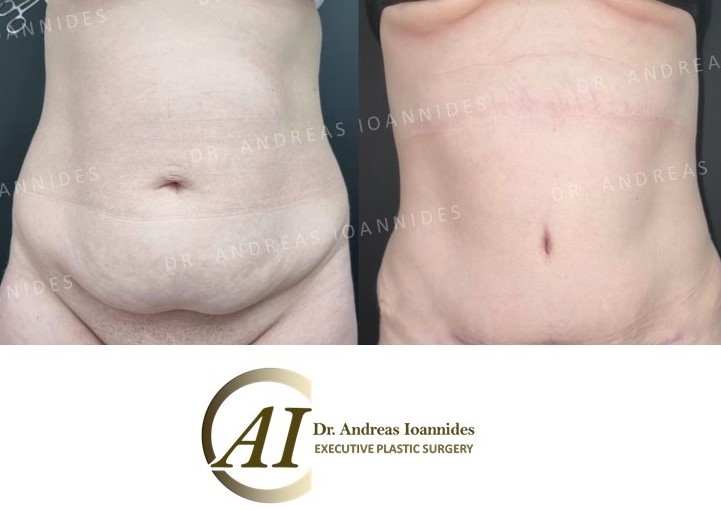
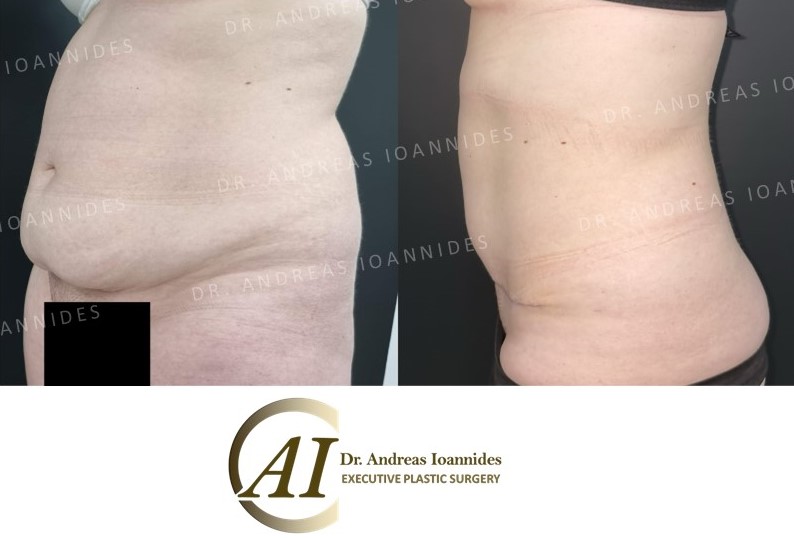
- A flatter, better-supported front profile
- Repair of muscle separation where that was part of the plan
- Improved proportion between waist and torso
- Clothing that fits without constant adjustment
- Relief from chafing and skin irritation under a hanging fold
What it will not do is substitute for a healthy routine, guarantee a particular dress size, or freeze the body in time.
Anaesthesia matched to the technique
The anaesthetic plan in our practice follows the scale of the operation agreed with you. Full and modified abdominoplasty are performed under general anaesthesia, or under an epidural combined with deep sedation, so that the procedure runs safely and without discomfort at any point. The mini version is the only one that can be completed with a local anaesthetic and sedation, an approach that keeps the strain on the body low, limits the grogginess and nausea that often follow a general, and allows you to return home the same day. Which route suits you is confirmed during your consultation, based on your medical history and the extent of correction planned.
Recovery, Described Realistically
1. Days one to three: Swelling, tightness and a slightly stooped posture. Gentle walking starts almost straight away, on instruction.
2. Week one: Soreness settles into a dull pulling sensation. A compression garment supports the treated area.
3. Days ten to fourteen: Many people resume desk work and light routines around now.
4. Weeks four to six: Heavier training returns gradually, once your doctor has approved it.
5. Months three to twelve: Puffiness continues to subside, scars soften, and the shape you keep becomes visible.
Timings shift depending on how extensive the tummy tuck was, whether muscle repair happened at the same sitting, and honestly on the person too.
What Patients Say
Feedback from those who have trusted us consistently centres on the same themes: a calm, reassuring experience, a result that preserves their individual identity, and a team that responds promptly to messages throughout recovery. Word of mouth, particularly in Nicosia, brings a steady stream of friends and relatives of former patients through our doors. Equally important is the significant number of patients referred to us by other doctors and colleagues who trust our clinical expertise, a distinction that, alongside our patients' appreciation, stands as the truest endorsement of our work.
Travelling in for Treatment
International patients form a steady share of the practice, so the logistics are well rehearsed: a video assessment first, then a planned stay, then follow-up arranged before departure. Our medical tourism guide sets out stay lengths, documentation, and what EU regulatory standards mean for you in practice.
Frequently Asked Questions
Can an umbilical or ventral hernia be repaired at the same time?
Often, yes. A 2026 systematic review on PubMed examined combined abdominal contouring and ventral hernia repair, reporting overall satisfaction above 90%, a thirty-day readmission rate of 3% or lower, and only a modest rise in minor wound complications compared with contouring alone. For patients with a BMI under 35 and well-controlled health conditions, a single-stage approach is generally considered safe. Suitability is confirmed after imaging and a full clinical assessment, never assumed in advance.
Where exactly will the scar sit, and will swimwear hide it?
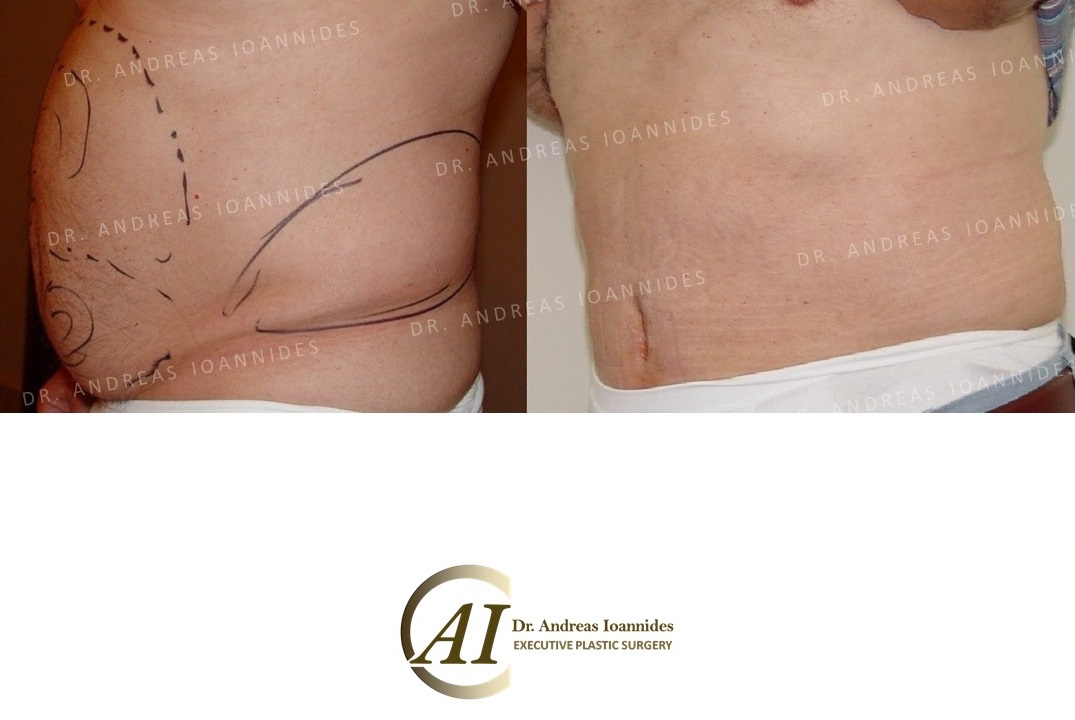
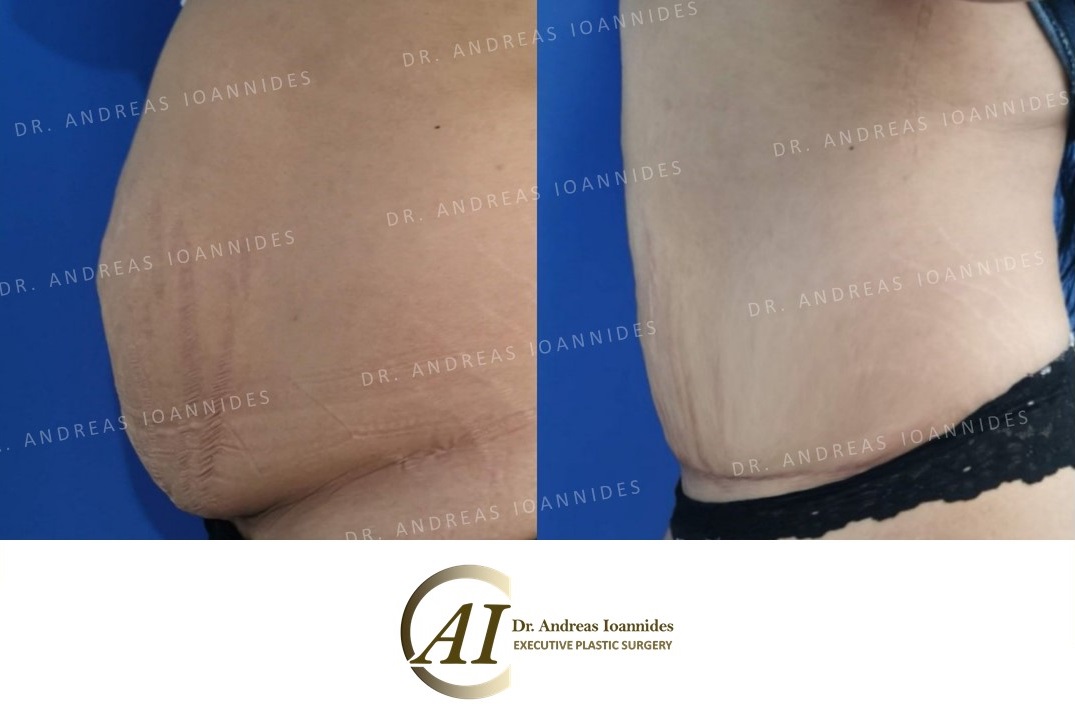
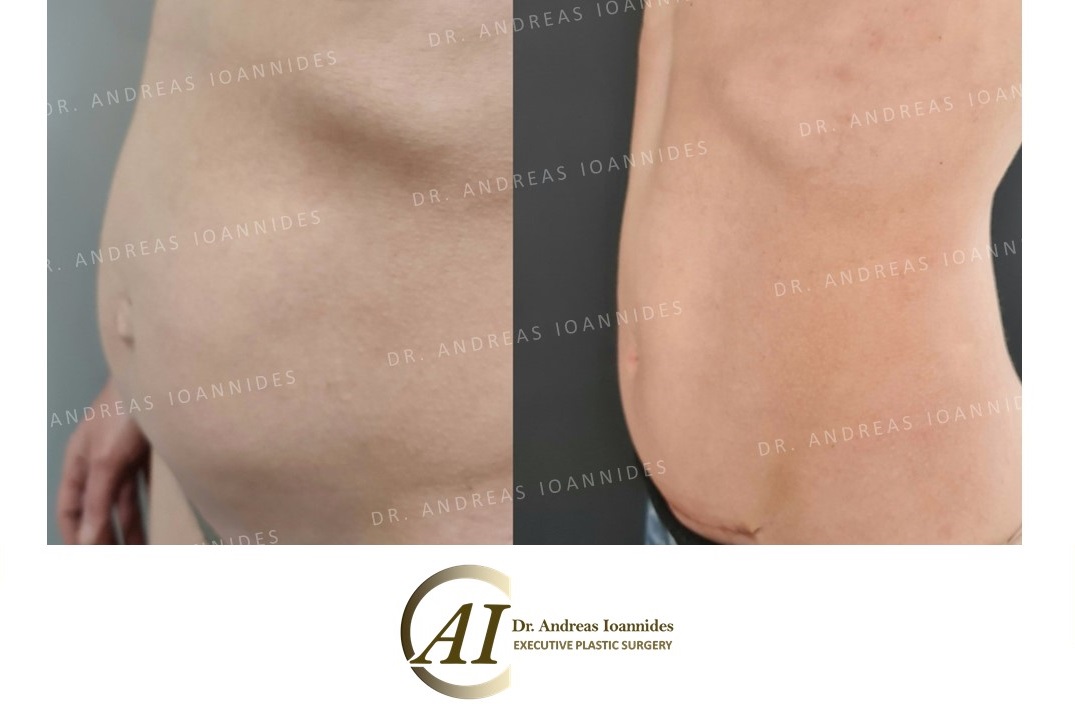
Planning aims to place the line low across the lower midsection, positioned so ordinary underwear or a swimsuit covers it. Length depends on how much tissue needs removing. A full procedure also leaves a small mark around the navel because of repositioning. No scar vanishes completely; most redden for two or three months, then flatten and fade across the following year. Sun protection and diligent aftercare measurably improve the finished appearance.
How long should I stay before flying home?
Plan for roughly seven to ten nights nearby, though that figure varies with the extent of the work. Early mobilisation matters, so short walks begin quickly, while sitting still on a long flight too soon raises clot risk. A review appointment before departure lets the team check healing, remove sutures where relevant, and clear you to travel. Compression stockings and regular in-flight movement are usually advised. Follow-up afterwards continues remotely by video.
What happens to my result if I have another baby later?
Skin removed by an abdominoplasty does not grow back, but a subsequent pregnancy will stretch what remains and can undo a muscle repair. For that reason we usually suggest completing your family first. Where circumstances make waiting impractical, the plan can still proceed, with realistic expectations set beforehand. Later touch-up work is possible. Stable body composition afterwards protects the outcome far more reliably than any technique chosen in theatre.
Are the benefits purely about appearance?
Not entirely. A 2026 study of post-bariatric patients published on PubMed measured satisfaction across daily living before and one year after abdominal contouring: self-esteem rose from 11% to 84%, mobility from 26% to 88%, and work performance from 45% to 93%. Skin-fold irritation often resolves, clothing fits without adjustment, and posture can feel steadier when muscle repair is part of the plan.
Explore Our Other Procedures
Browse the categories that group our work by area: Belly, Breast, Buttocks, Face and Neck, Genital Area and Hands.
Book Your Personal Consultation
You will not get a meaningful price from a web page, and anyone offering one has not examined you. Several variables move the figure:
- Which technique your anatomy calls for
- How much tissue has to come away
- Whether muscle repair forms part of the plan
- Whether contouring or tightening technology is added
- Theatre time, anaesthesia method and any clinic stay
- Whether another procedure is carried out at the same sitting
After a proper assessment, we can provide a written quote covering everything, with the total cost explained item by item.
Talk to our team about the approach that fits your anatomy. Call the clinic, send a message through the contact form, or request a video consultation if a first conversation from home suits you better. Ask whatever you like about the correction you are considering; a good doctor would rather answer twenty questions now than one afterwards.
Contact the team to arrange your consultation
Other Areas Served:
Abdominoplasty in Limassol | Abdominoplasty in Athens
Frequently Asked Questions About Tummy Tuck Surgery
A Tummy Tuck, or Abdominoplasty, is a surgical procedure that removes excess abdominal skin and, when clinically indicated, repairs laxity of the abdominal wall.
Liposuction primarily treats localised fat. A Tummy Tuck treats excess skin and may also correct laxity of the abdominal wall. In many patients, the two procedures are combined.
A Mini Tummy Tuck is a smaller procedure used in selected patients with limited laxity, mainly below the navel.
In a Full Tummy Tuck, repositioning of the navel is usually required. In more limited techniques, this may not be necessary.
Yes. When clinically indicated, a Tummy Tuck may include repair and reinforcement of the abdominal wall.
Many patients may be able to return to light work in approximately 10–14 days, although recovery time is individualised.
Return to strenuous exercise is gradual and should only take place after approval from the plastic surgeon.
The excess skin that is removed does not return. However, significant weight fluctuations, pregnancy and natural ageing can affect the result over time.
The cost varies depending on the type and extent of surgery, whether muscle repair or liposuction is required, anaesthesia and any hospital or clinic stay. The exact price is determined after a personal consultation.
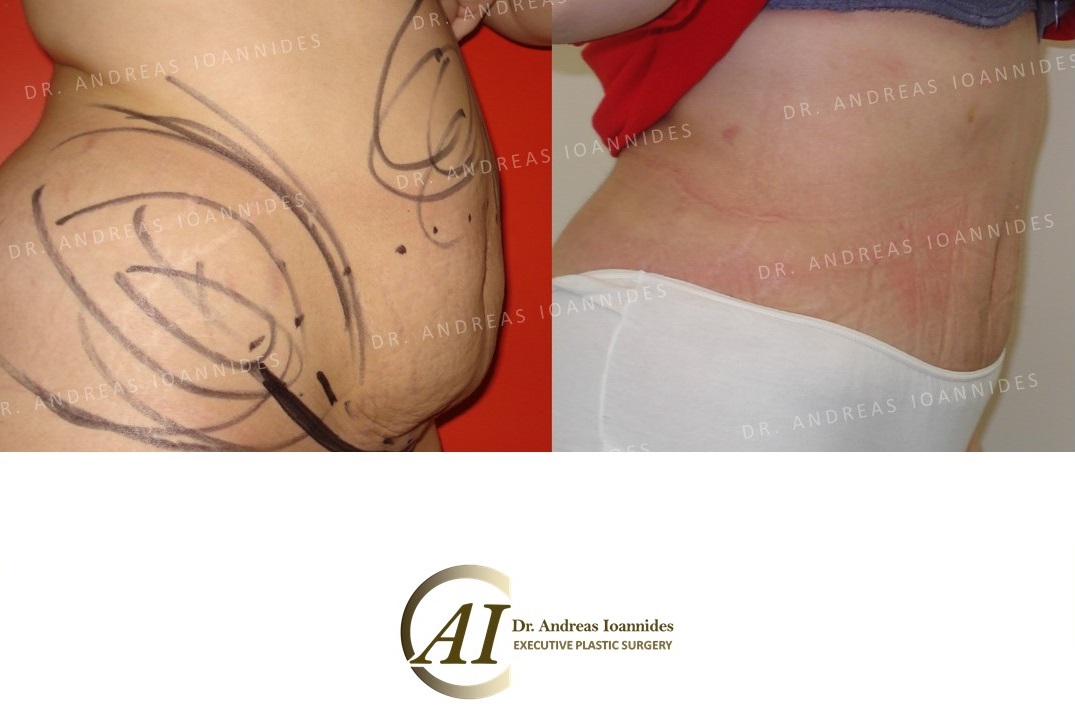
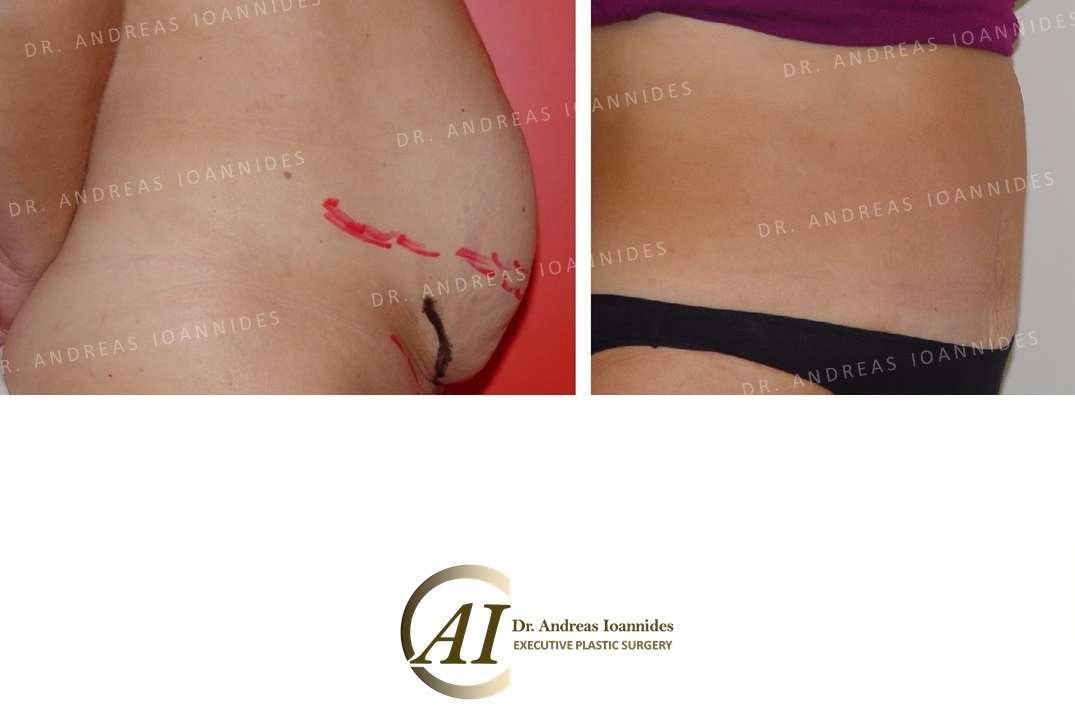
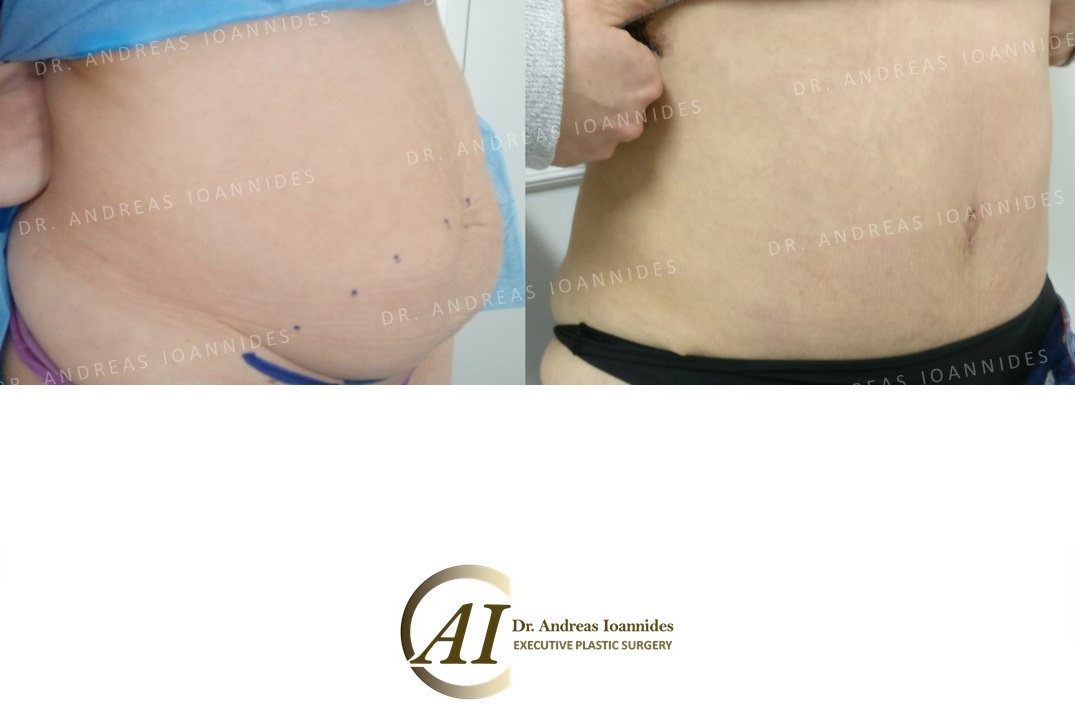
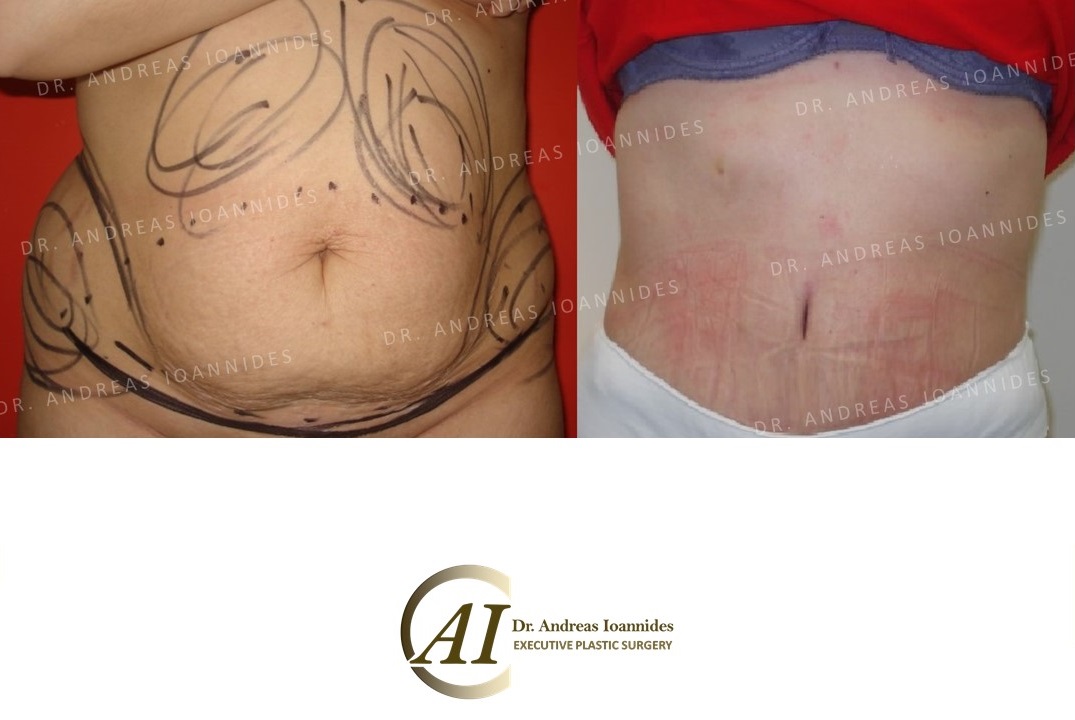
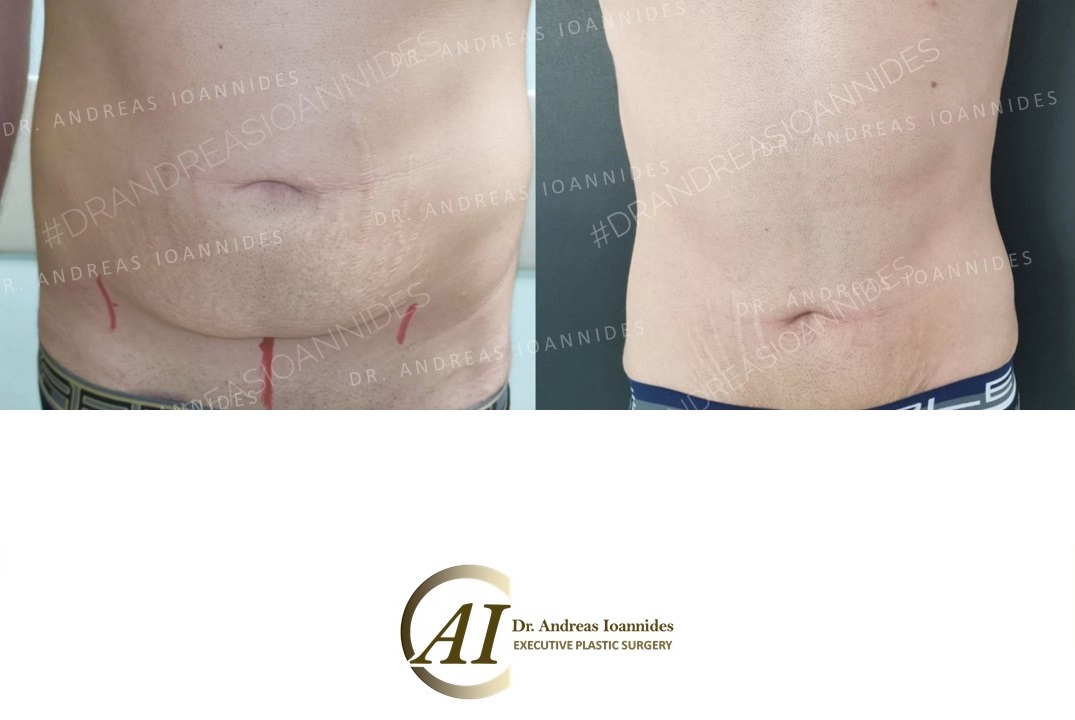
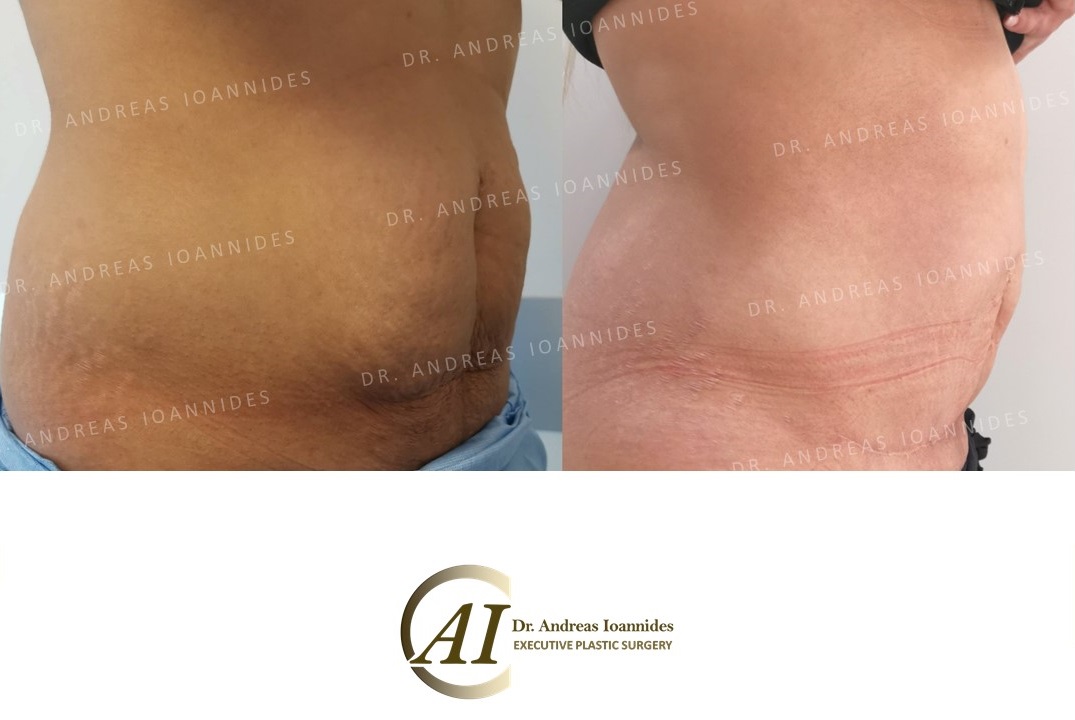
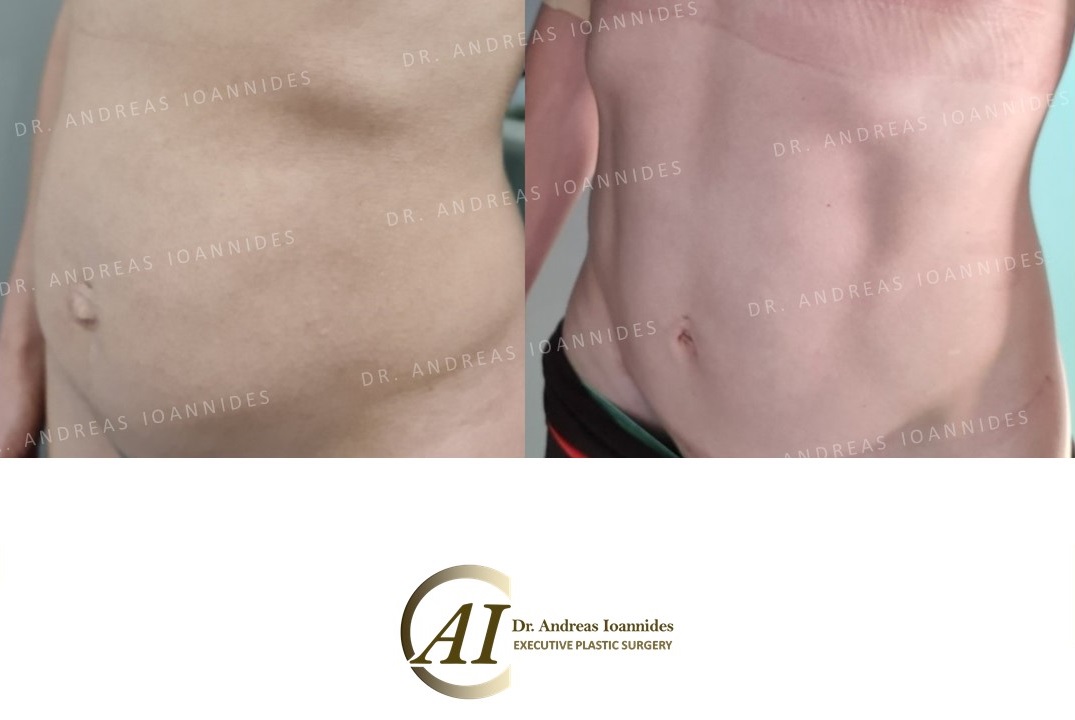
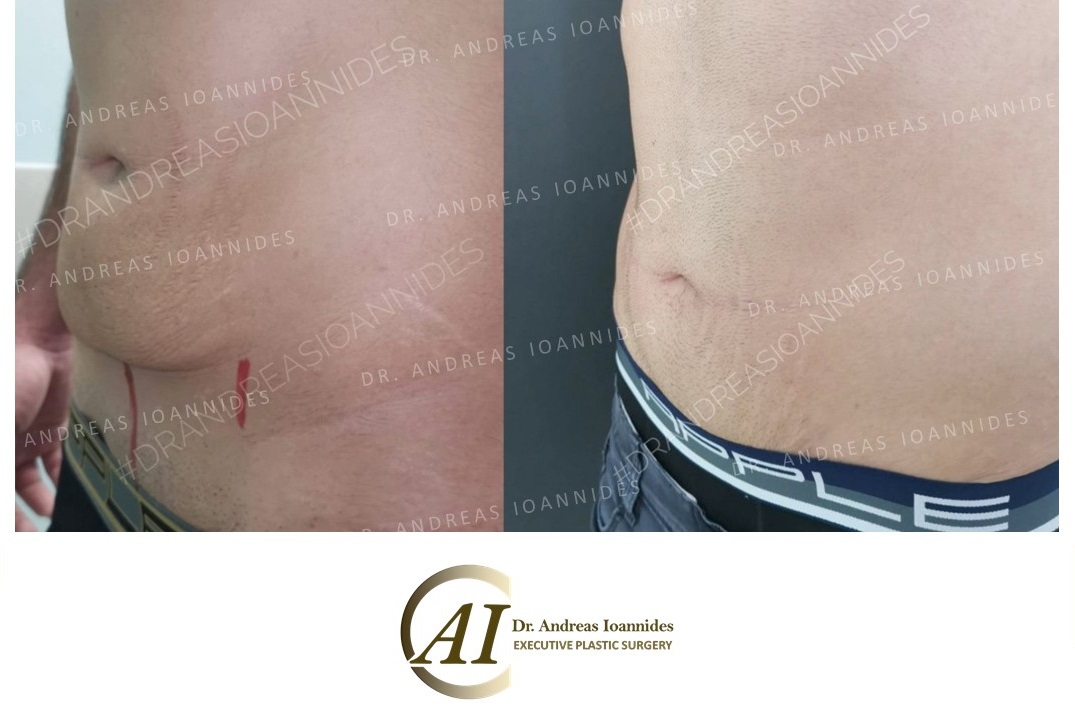
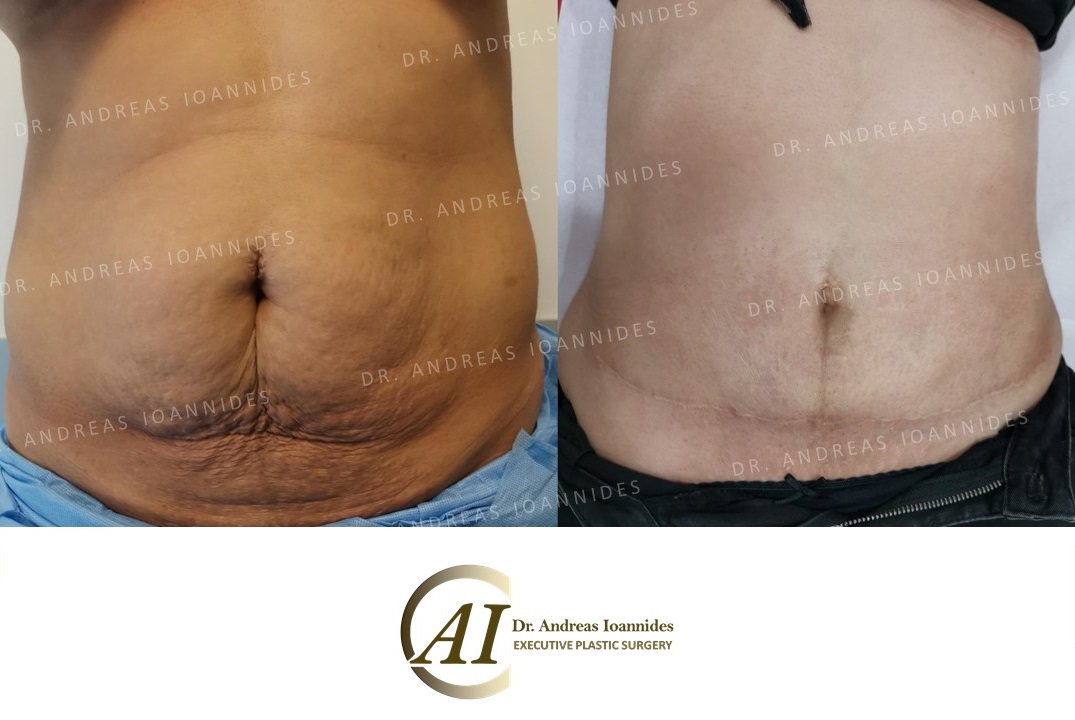
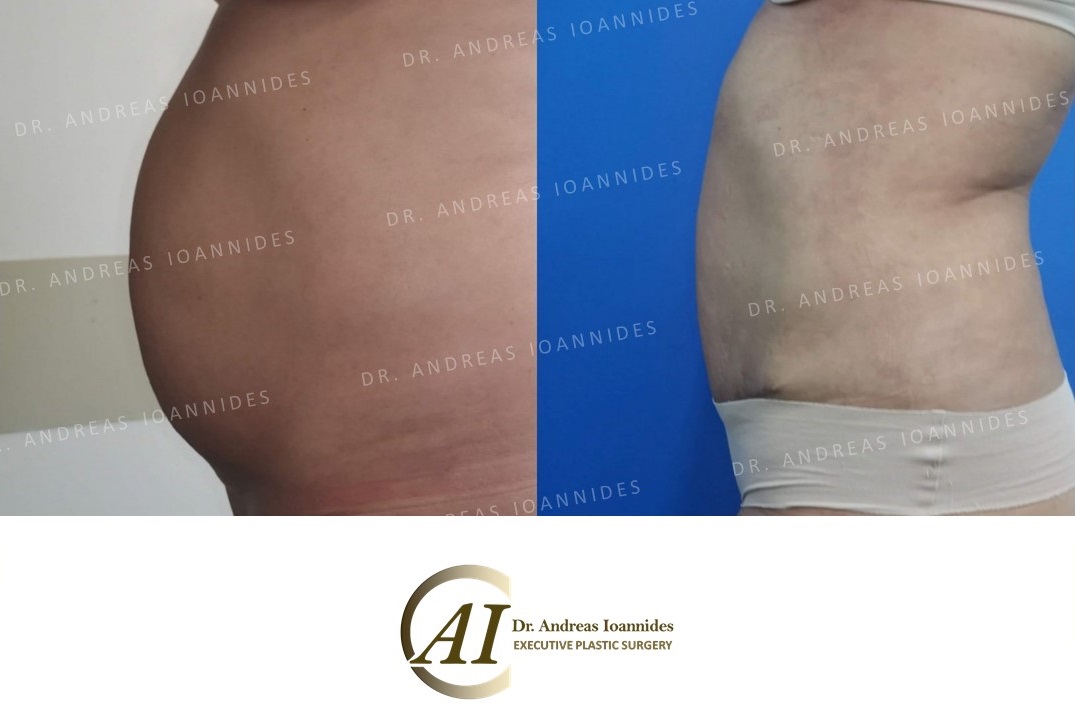
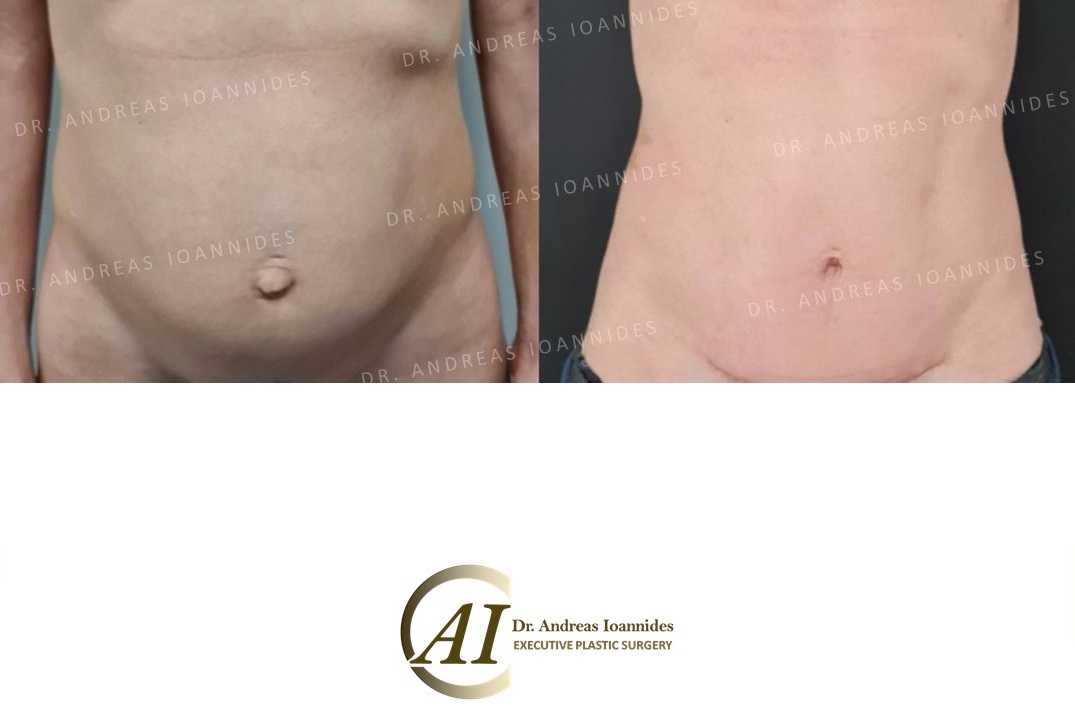
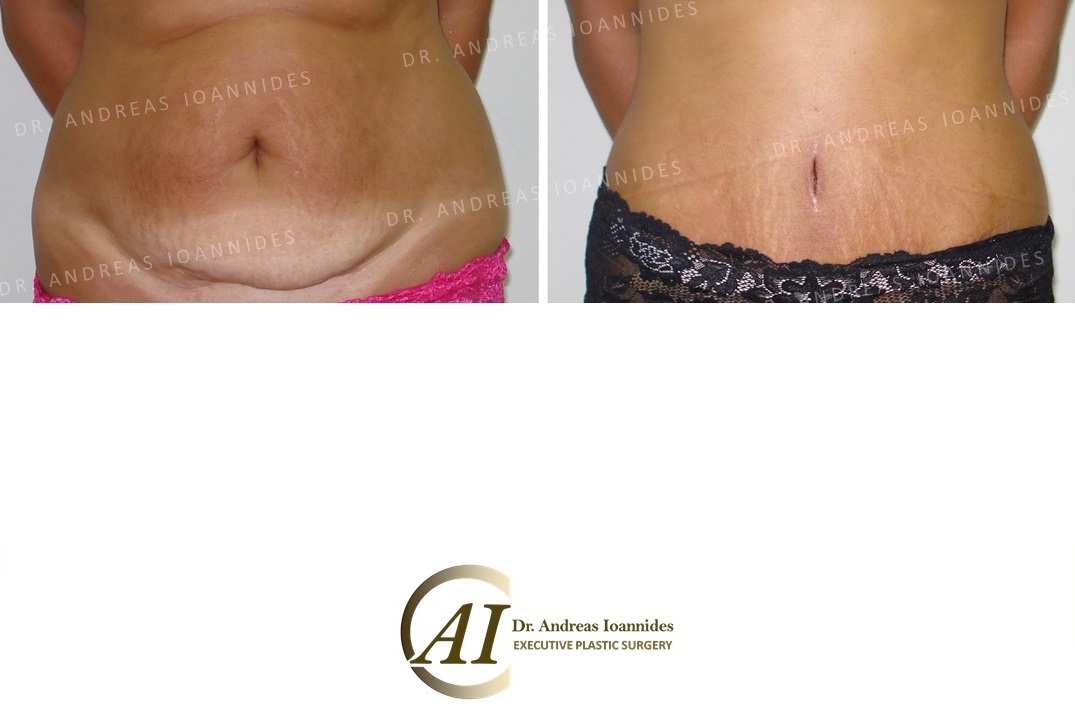
CONTACT

Dr. Andreas Ioannides
Contact us and book an appointment immediately
Choose your appointment by video call or by visiting one of our clinics!

Dr. Andreas Ioannides Executive Plastic Surgery is one of the most complete plastic surgery clinics and the international medical aesthetic medical centers ADVANCED AESTHETICS provide modern medical techniques and aesthetic medical treatments in Greece and Cyprus.
Rhinoplasty and Breathing: Can Aesthetics and Functionality Be Combined?
September and Plastic Surgery: Why Autumn Can Be a Good Time to Plan an Aesthetic Procedure
September and Aesthetic Treatments: Why It’s the Ideal Time for a Fresh Start
Thinking About Labiaplasty? 10 Things You Should Know Before Moving Forward
Labiaplasty: Everything You Need to Know About the Procedure That Improves Comfort and Confidence
Medical Tourism in Greece and Cyprus: Choosing Quality, Experience, and Safety
Rhinoplasty: Everything You Need to Know
Athens Clinic
T +30.210 9595566
Email: info@andreasioannides.com
Address: Syggrou Ave, 284, Kallithea, Zip 17673 – Athens
Cyprus Clinics
T +357.22335002
Email: info@andreasioannides.com
Athenium International Medical Institute
Address: Giannitson 9 Strovolos, Nicosia 2027, Cyprus
Address: Thiseos 1, Lemesos 3025, Zip 4004 – Cyprus
Copyright © 2022