


Some deposits simply refuse to respond. The scales behave, training stays consistent, and yet one pocket sits there season after season, unchanged. Genetics and hormones decide where adipose tissue settles, which is why two people eating and training alike can end up with very different outlines.
Dr Andreas Ioannides treats each case on its own terms. Tissue quality, elasticity and the depth of the deposit vary from person to person, so the plan is drawn around anatomy rather than around a favoured technique. One point is worth making early, since it shapes every conversation that follows: this is a contouring procedure, not a method of slimming.
Why patients come to Dr Ioannides
Patients travel to this practice from across Greece, often after considering their options for a long time. A few priorities come up repeatedly during consultations.
- Certified experience: 26 years of clinical practice and dual board certification in Greece and Cyprus, with membership of ISAPS, IPRAS and HESPRAS, plus international member status at the American Association of Plastic Surgeons.
- A proportionate, natural outline: The aim is a smoother line, never an over-treated or scooped appearance. Restraint tends to age better than aggression.
- The right technique for the tissue: Fibrous deposits and soft, mobile ones behave differently, and the approach is chosen accordingly rather than applied uniformly.
- Honest assessment: You are told which regions are worth treating, which are not, and when waiting or a non-surgical option would serve you better.
- Continuity of care: The team stays reachable through recovery, which matters more than most people expect at the planning stage.
What the procedure does, and what it does not
Liposuction removes fat through very small access points, using a fine cannula guided beneath the surface. It works on the layer between muscle and dermis, which creates the outline you see in a mirror. Visceral fat wrapped around the organs sits beyond its reach and responds only to diet and movement, which is why liposuction is a poor answer to a firm, rounded abdomen and a good one to a soft, pinchable roll.
Reasonable outcomes include:
- A smoother contour where a bulge previously interrupted the line
- Better proportion between waist, hips and thighs
- Clothes that sit across the treated areas as they were cut to sit
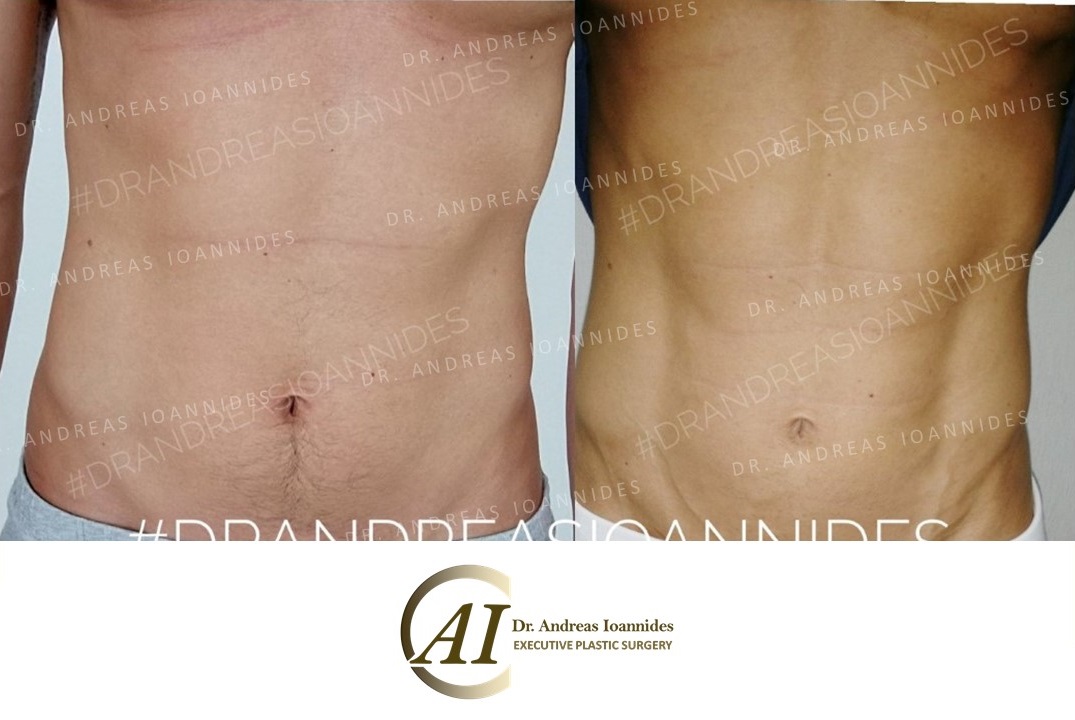
- Visible muscular outline in suitable candidates
- Correction of asymmetry between the two sides of the body
Outcomes it will not deliver include a change on the bathroom scales, the disappearance of cellulite, and a shape that stays fixed regardless of how you live afterwards.
Why the change tends to hold
This is the question patients ask most often, and the answer is more interesting than it first appears. Research by Spalding and colleagues, published in Nature, showed that the number of adipocytes a person carries is set during childhood and adolescence, then stays remarkably constant through adult life, with roughly 10% renewed each year within that stable total.
Removing fat cells from a region therefore permanently reduces the population there. Gain a considerable amount afterwards and the remaining cells expand, so the treated site enlarges too, though proportionally less than it otherwise would. The shape holds best when the underlying structure holds.
The types of liposuction
Liposuction is not a single operation. Different tissue calls for different tools, and most plans combine two or three rather than relying on one.
Power-assisted
A vibrating cannula loosens tissue mechanically, allowing larger volumes to be treated efficiently with less trauma to surrounding structures. This is the workhorse for general contouring across the flanks, back rolls, lower back and thighs.
Thermal energy liquefies the deposit before extraction. Precision is the advantage here, so it suits smaller zones such as the neck, jawline and inner thigh, and it produces a degree of tightening as a secondary effect.
Ultrasound-assisted
Sound waves emulsify tissue selectively before removal, sparing vessels and nerves. Fibrous deposits, including the male chest and regions treated previously, respond to this far better than to suction alone.
Controlled subdermal heating firms tissue where mild laxity accompanies a modest volume. It is not a substitute for excision when there is genuine surplus, but it can spare a patient a larger operation.
Athletic shaping and muscle contour
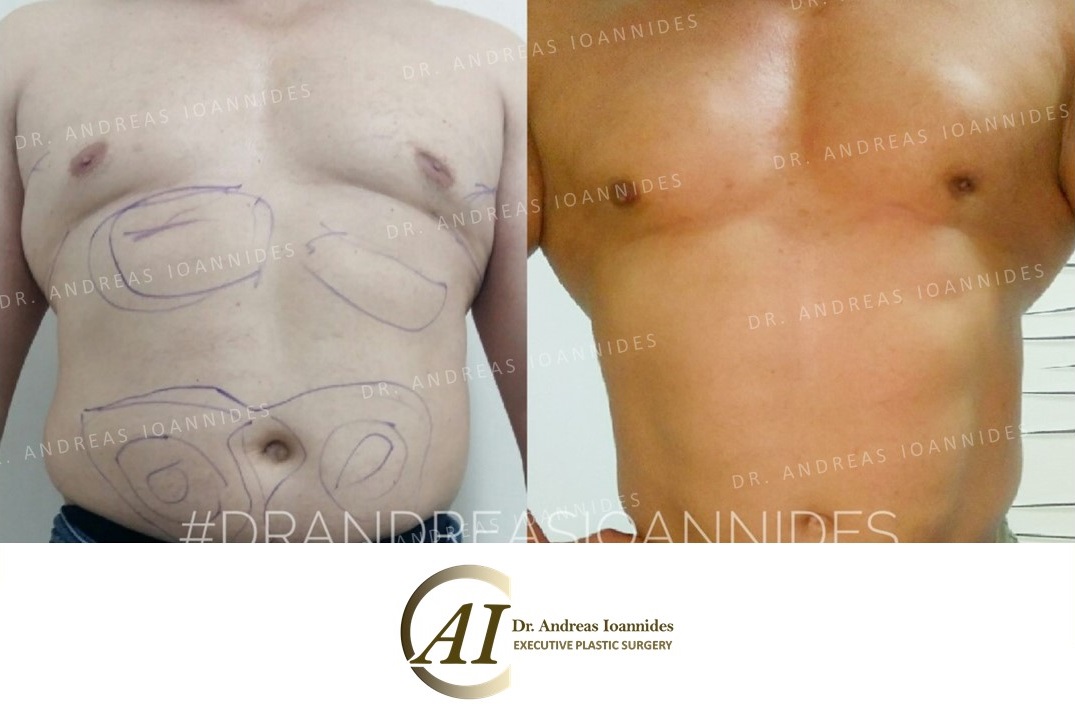
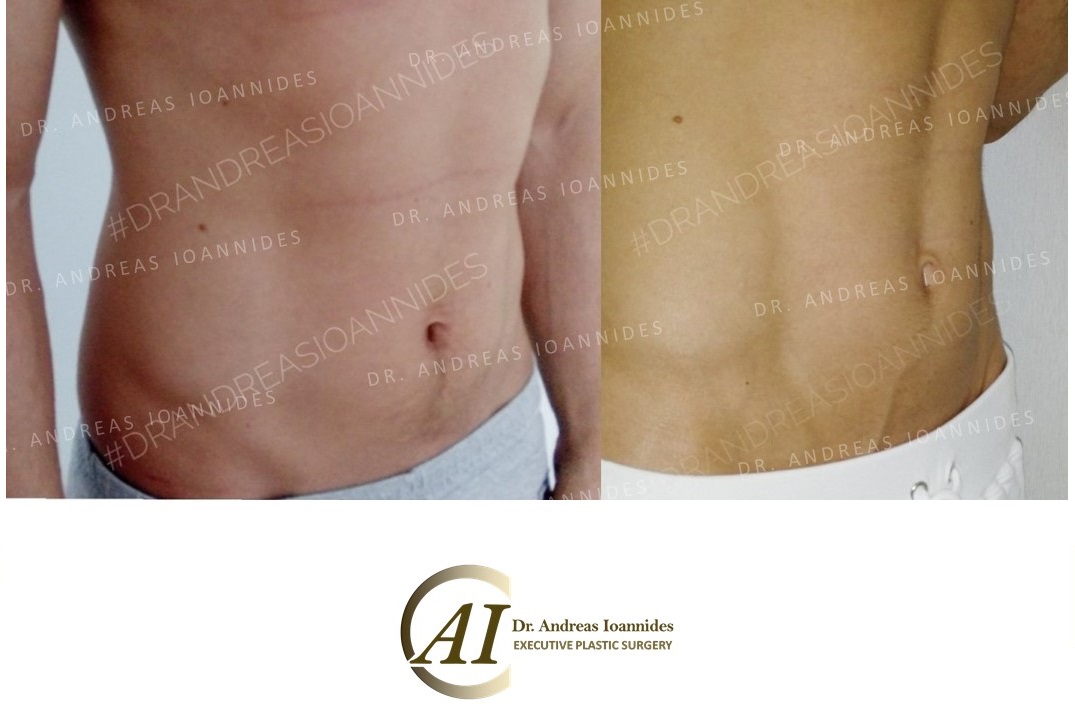
Some patients want visible musculature rather than reduced bulk. Athletic body shaping sculpts selectively around the linea alba and the borders of the rectus and oblique groups so existing muscle reads through, often with Argon plasma refinement.
A 2026 systematic review on PubMed pooled the evidence on high-definition work and reported mean removal of 4,268.8 mL, average operating time of 235 minutes, seroma at 7% and haematoma at 1%. Candidate selection carries unusual weight with this approach, and it is not the right plan for somebody starting from a soft baseline.
Every technique begins the same way, with tumescent infiltration. A dilute solution of saline, anaesthetic and adrenaline firms the tissue, numbs the field and constricts small vessels before suction starts. That single step explains why bruising and blood loss in modern practice sit well below the reputation the operation acquired in the 1990s.
The Comfort of Local Anaesthesia and Sedation
In our practice, we perform many procedures under local anaesthesia or a combination of local anaesthesia and deep sedation (twilight anaesthesia), aiming to minimise the impact on your body. This approach ensures a painless, calm experience during surgery while eliminating the heavy sensation and nausea often associated with general anaesthesia. As a result, recovery begins immediately, allowing you to return home safely the same day, with the final choice of method tailored to you during your consultation.
Concerns we treat
A consultation usually covers more than one thing at once. The table below outlines what Dr Ioannides commonly manages.
That final row matters. When the covering has lost its elasticity, removing volume from underneath can leave it hanging looser than before. In those cases abdominoplasty removes the surplus instead of trying to shrink it, and the two operations are frequently planned as one combined event.
Who makes a good candidate?
Suitability is decided in person. During that visit the plan is drawn on you, standing, with photographs taken from several angles for later comparison. Beyond that, a few honest checkpoints help.
- Stable weight: Sitting reasonably close to a settled body composition, ideally for six months or more.
- Elastic tissue: Firm covering that will redrape neatly over the reduced volume.
- Disproportion rather than bulk: Localised excess fat responds well; generalised weight does not.
- Stable health and habits: Non-smokers heal more reliably, and uncontrolled conditions need review first.
- Realistic expectations: Refinement, not reinvention, and careful planning respects that limit.
The procedure, step by step
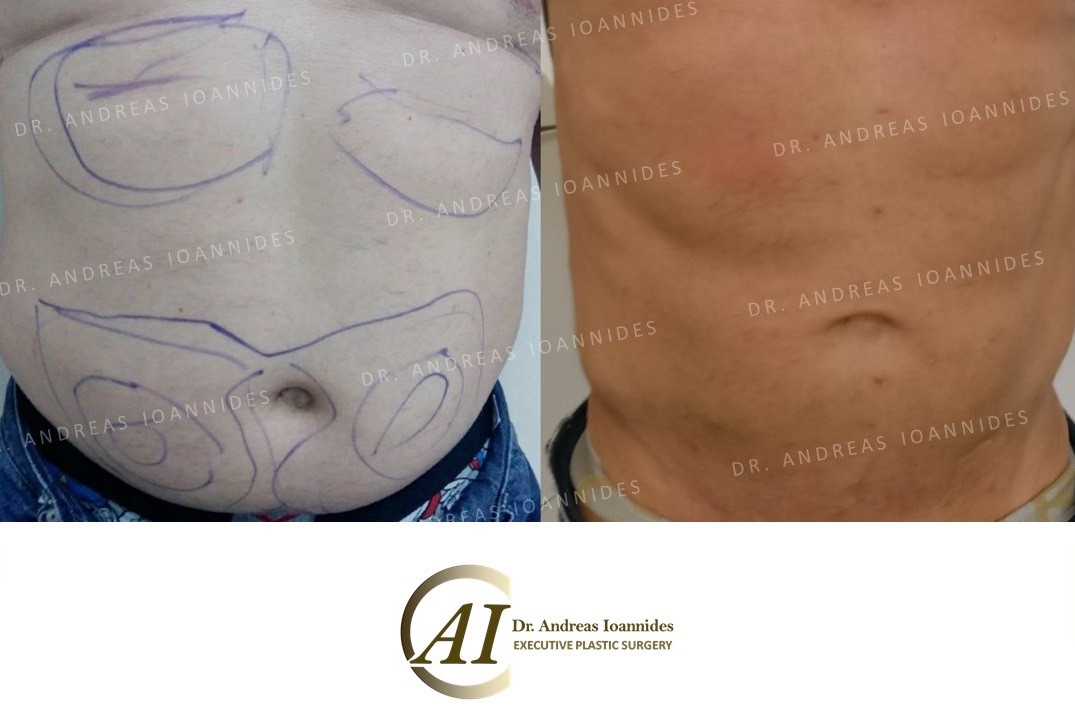
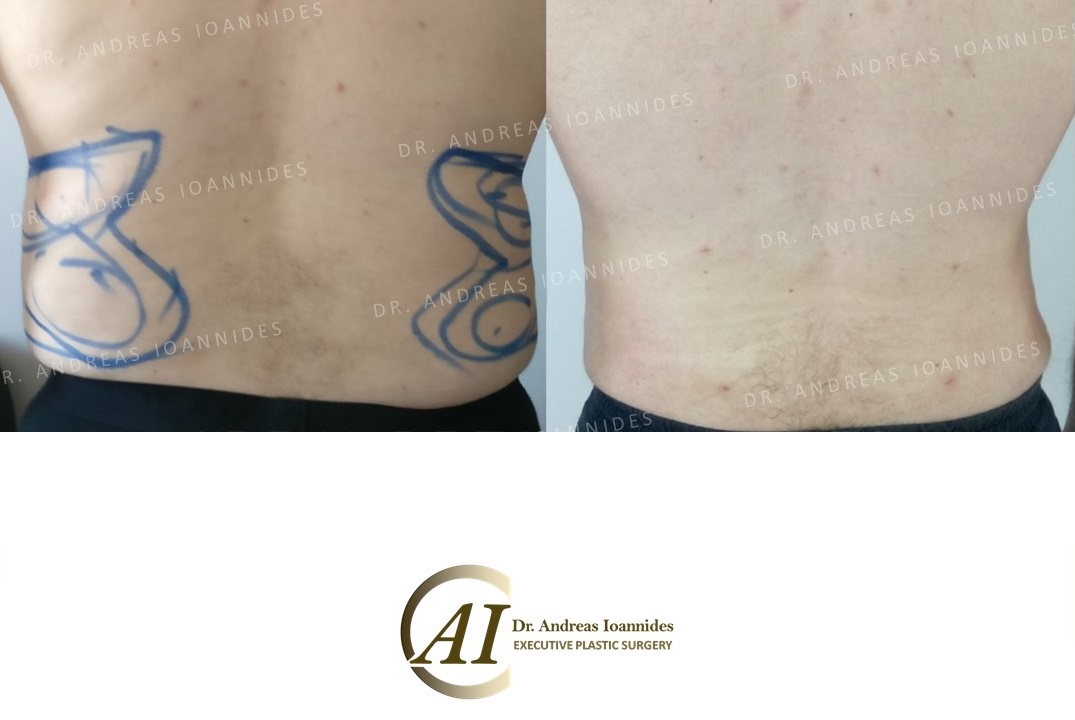
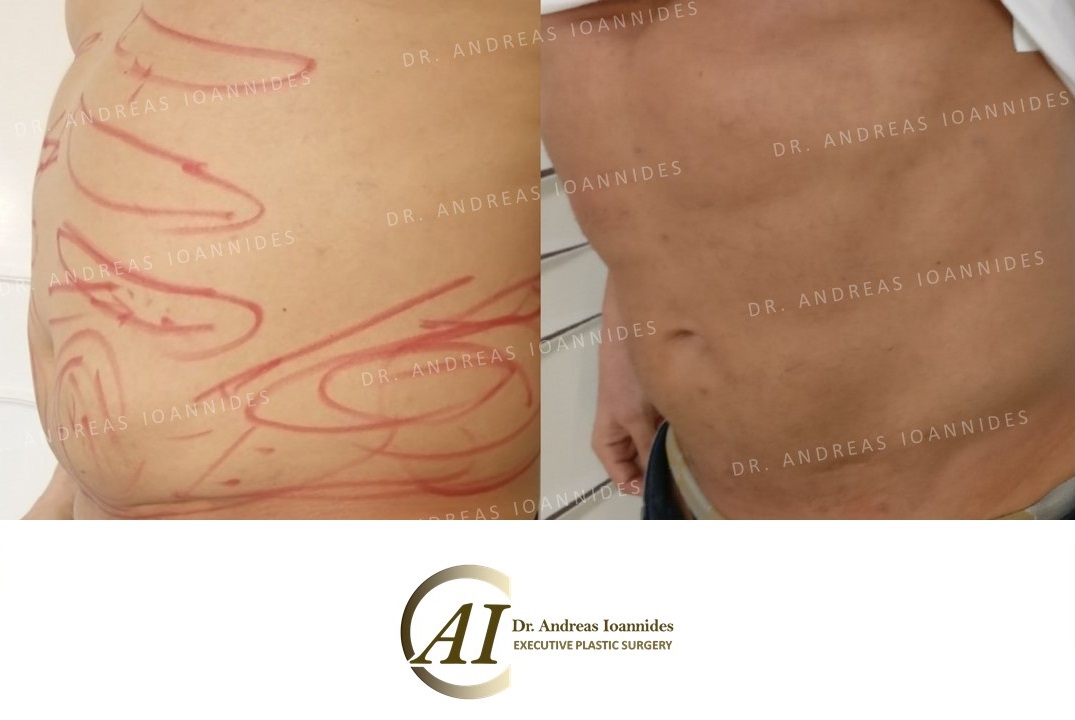
- Consultation and marking: You discuss your concerns, the deposits are assessed by hand, and the plan is drawn while you stand. Photographs and a frank conversation about options follow.
- Anaesthetic plan: Smaller cases are often managed with infiltration alone, while larger or multi-region work may add sedation. The choice is made together.
- Infiltration: We introduce a tumescent solution first to firm the field and reduce bleeding before removing anything.
- The operation: We loosen and extract fat through access points a few millimetres in, varying the technique by tissue at each site.
- Same-day recovery: We fit a compression garment before you leave, and most patients go home the same day.
How much can safely be removed
Volume limits exist for sound clinical reasons. Large-volume removal in a single sitting raises the risk of fluid shifts and cardiovascular strain, so the plan is built around what is safe rather than what is maximal. Staging across two sessions, some months apart, is often the wiser route for somebody wanting several regions addressed. It costs more time and tends to produce a cleaner outcome, because the tissue settles before the second stage is planned against it.
Recovery at a glance
Healing follows its own pace, so treat these as a guide rather than a promise. Compression garments are worn most of the day for the first fortnight, then during waking hours for several weeks more. Tedious, admittedly, though patients who commit to it consistently show cleaner contours than those who abandon it early.
What the evidence says about safety
Popularity and safety deserve separating. On popularity, the International Society of Aesthetic Plastic Surgery recorded liposuction as the second most performed surgical procedure worldwide in 2024, and still the most common one among women.
On safety, a meta-analysis in Aesthetic Surgery Journal pooled 39 studies covering 29,368 patients and found an overall complication rate of 2.62%. Contour irregularity was the most frequent issue at 2.35%, followed by hyperpigmentation at 1.49% and seroma at 0.65%. Serious events were rare, with infection at 0.020% and venous thromboembolism at 0.017%.
Those figures reflect properly selected patients treated in appropriate facilities. Anyone comparing quotes across borders should first establish three things: whether the operating surgeon holds recognised plastic surgery certification, whether the facility is licensed for the planned level of sedation, and who takes responsibility if anything needs revisiting.
Pricing, combinations and where you are seen
Cost depends on the case. The number of regions treated, the technique the tissue calls for, operating time, anaesthetic method and whether anything else is planned alongside all move the figure, so rather than quote a number that may not apply, the practice provides a written, itemised estimate after your consultation.
Contouring also pairs well with other work. Combining it with breast work, a lift or abdominal wall repair means one anaesthetic and one recovery rather than several. Treatment of the double chin with ThermiLift is frequently added to the same sitting, since the area beneath the jaw needs only a little extra theatre time and visually completes a job that began on the body. As a plastic and reconstructive surgeon with 26 years of experience, Dr Ioannides plans these combinations so the body stays in proportion overall, not just at one site.
Feedback from those who have trusted us consistently centres on the same themes: a calm, reassuring experience, a result that preserves their individual identity, and a team that responds promptly to messages throughout recovery. Word of mouth, particularly in Limassol, brings a steady stream of friends and relatives of former patients through our doors. Equally important is the significant number of patients referred to us by other doctors and colleagues who trust our clinical expertise, a distinction that, alongside our patients' appreciation, stands as the truest endorsement of our work.
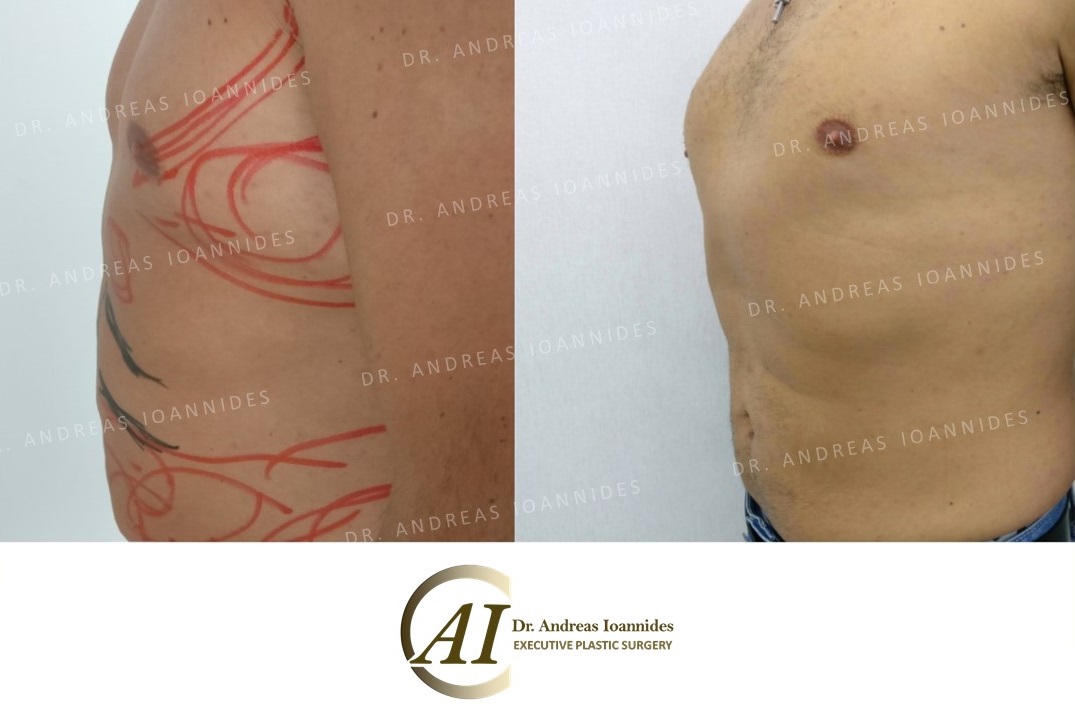
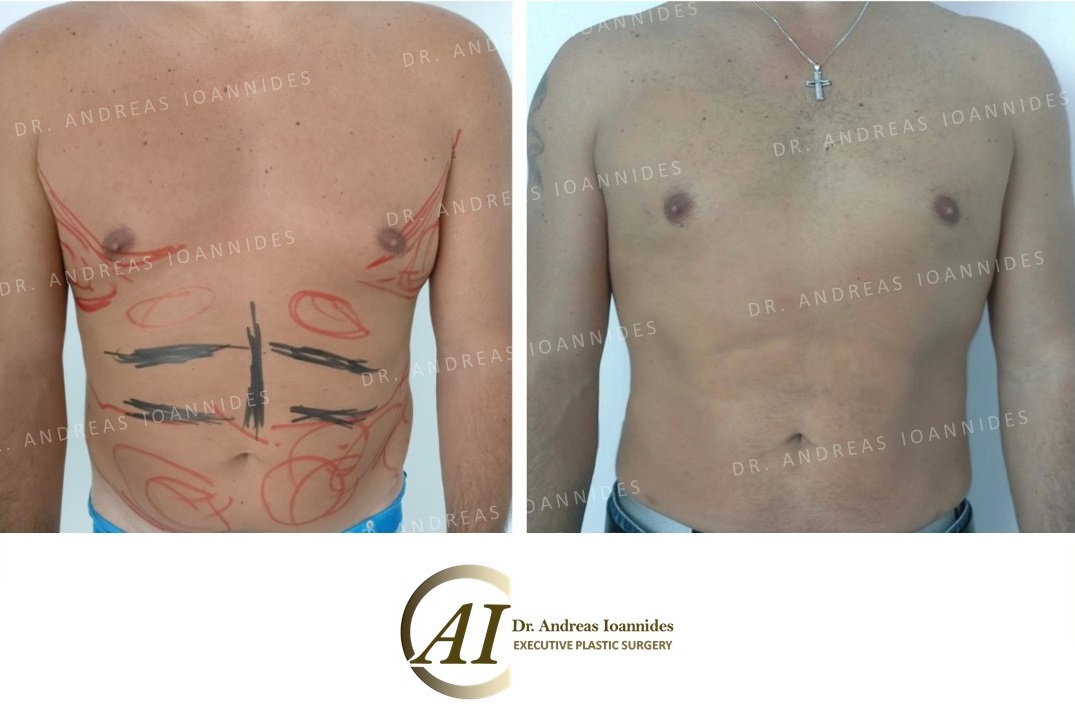
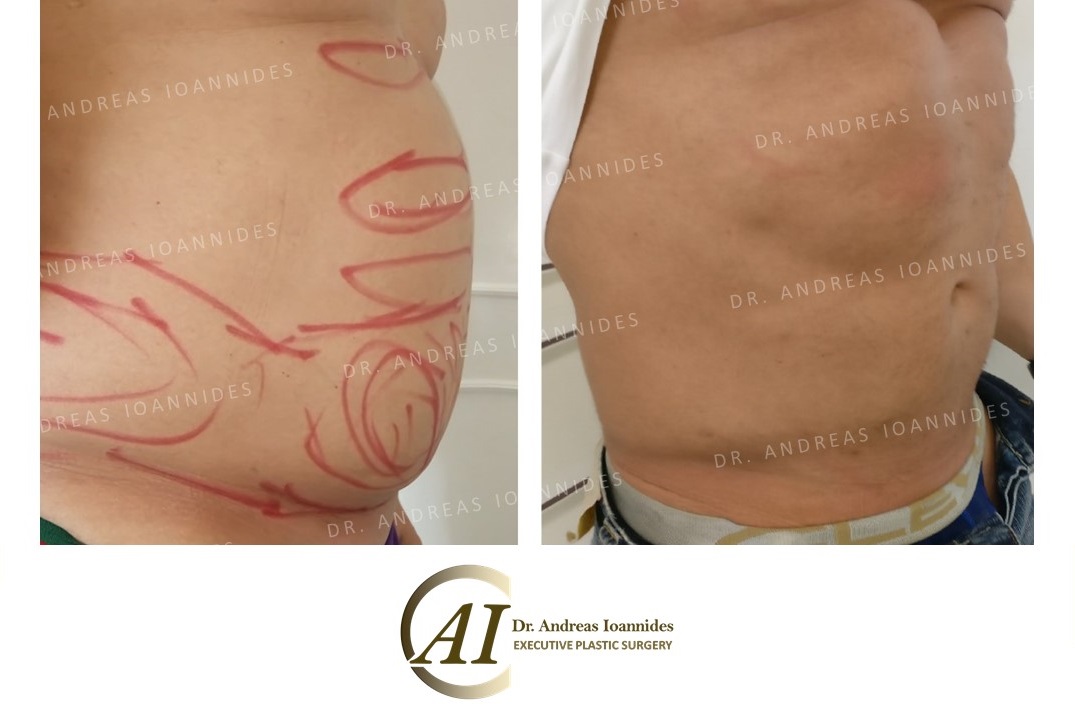
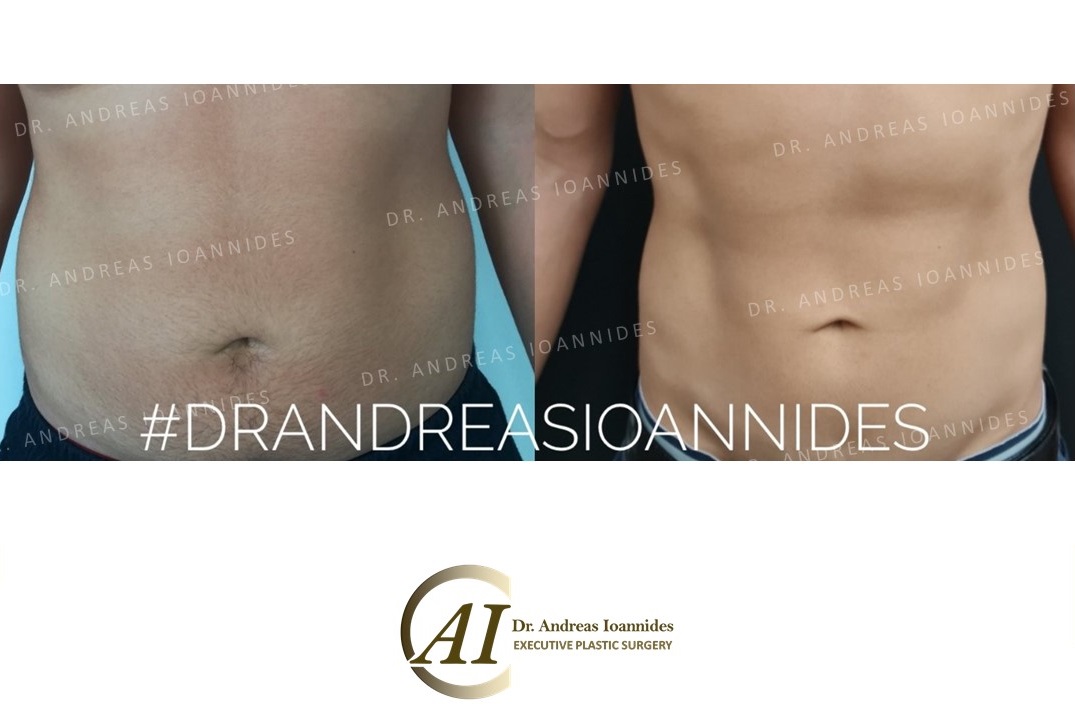
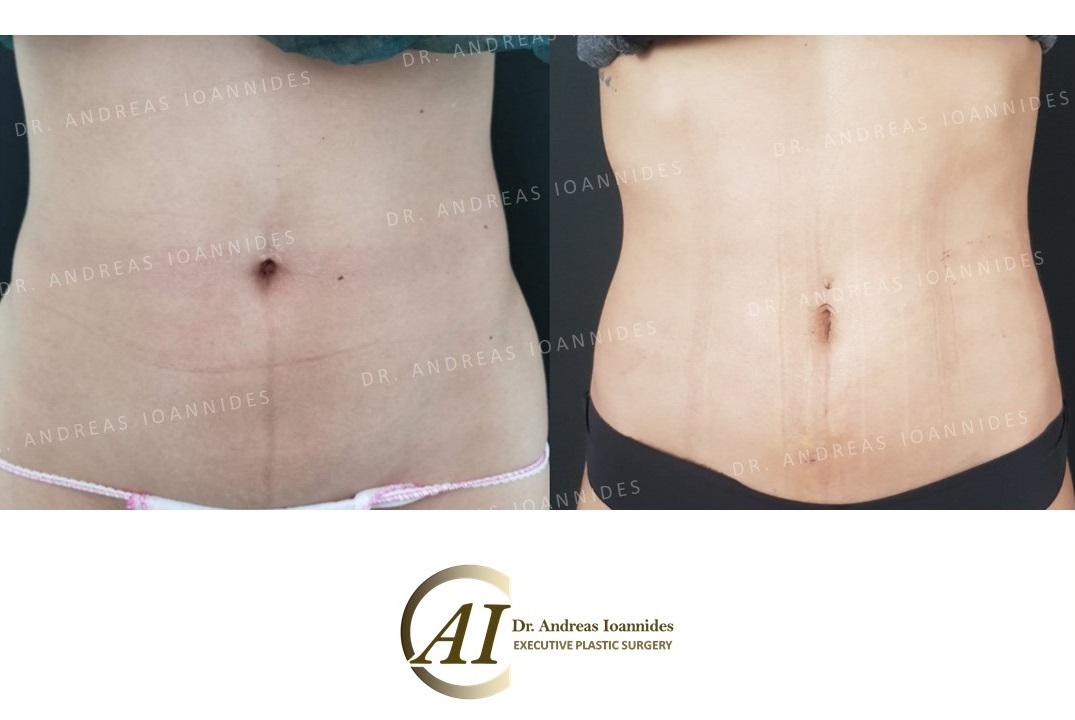
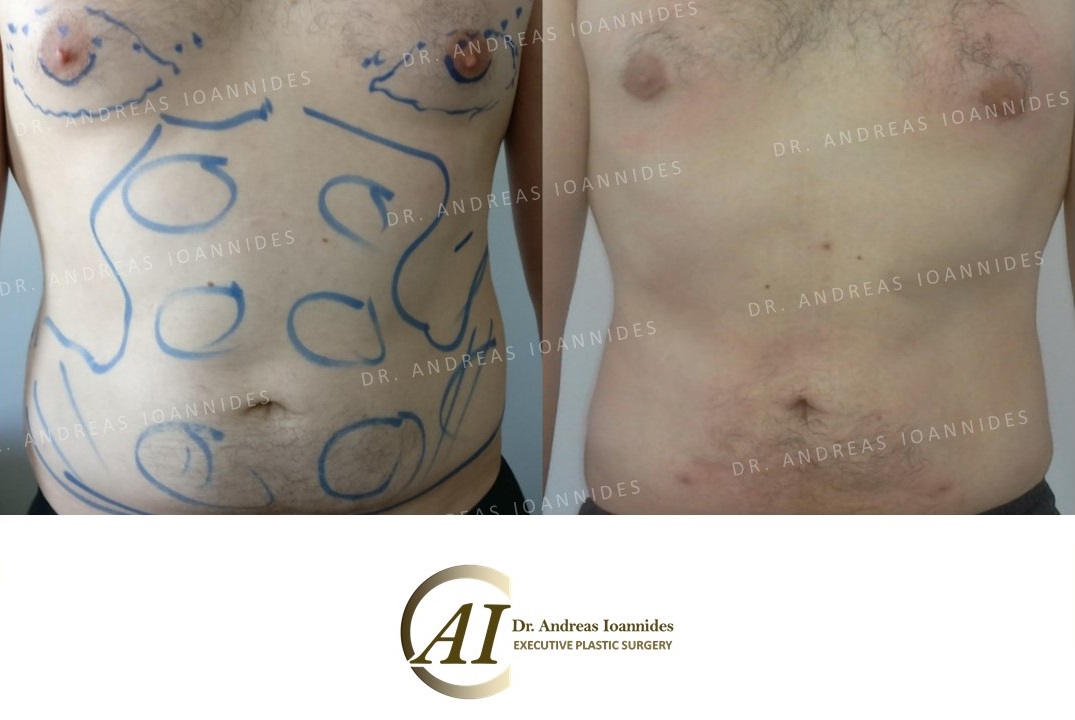
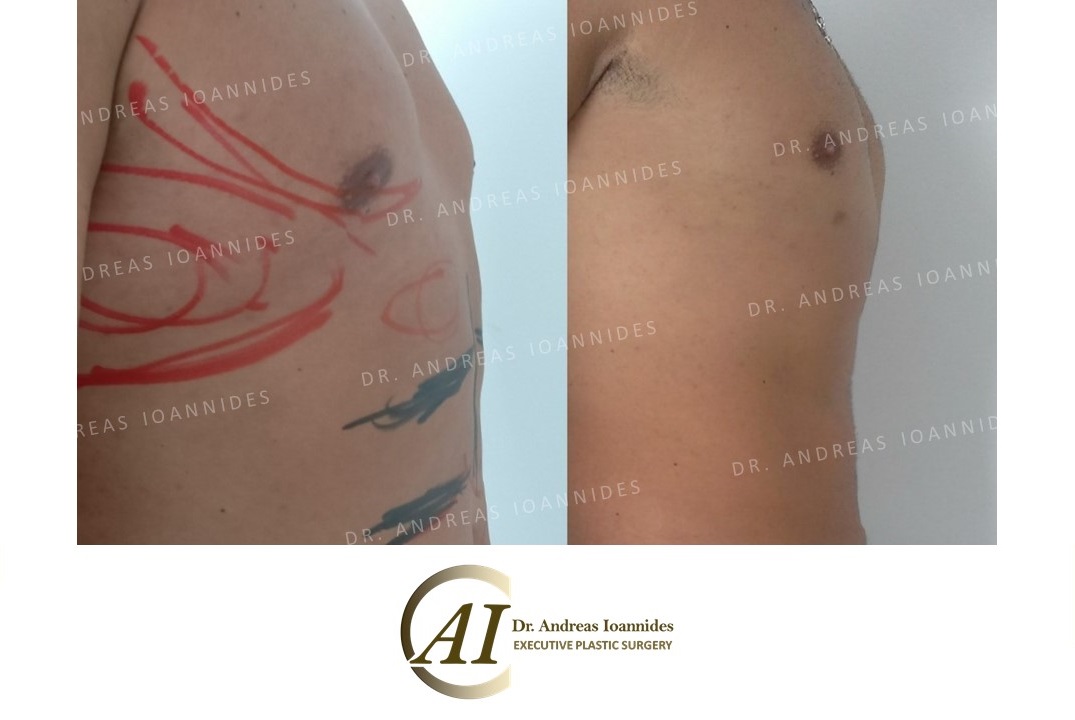
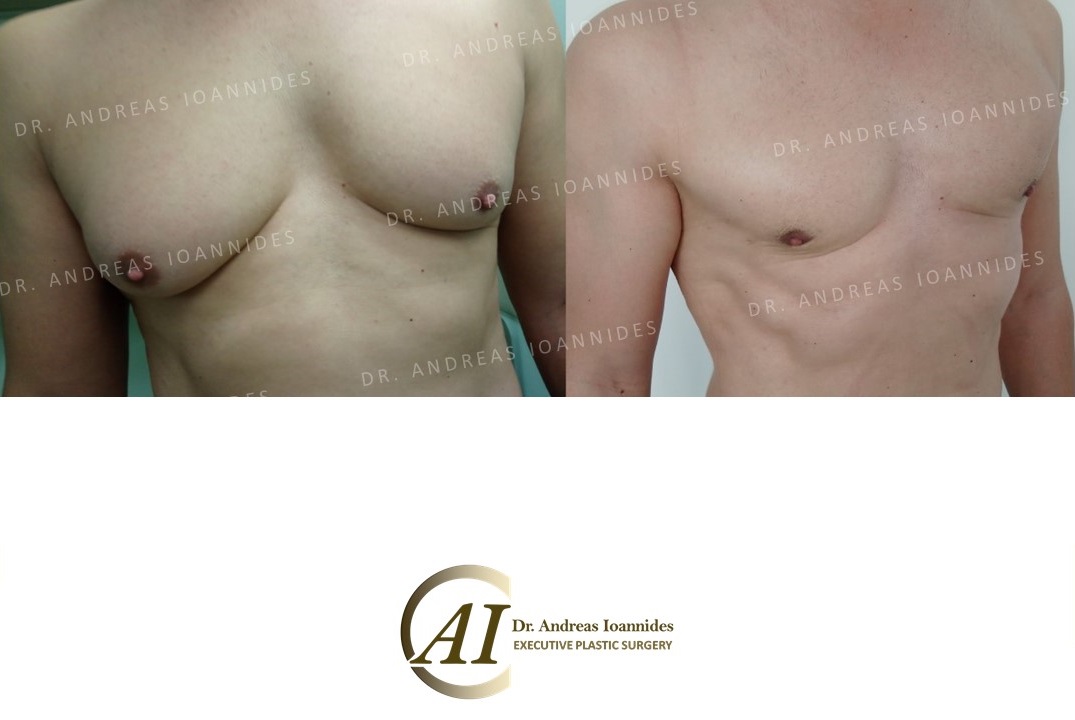
The before and after gallery is worth a look, since photographs tend to be more useful than testimonials.
Travelling to Greece for treatment
International patients form a settled part of the practice. A video assessment comes first, then a planned stay of roughly a week, then follow-up arranged before you fly. Our medical tourism guide covers stay lengths, paperwork, and what EU regulatory standards mean in practice, since equipment approvals and surgeon qualifications in Greece are recognised across the Union.
Frequently Asked Questions
Can this treat gynecomastia, or male chest enlargement?
Partly. Where the enlargement is mostly adipose, contouring alone often gives a good outcome, and ultrasound-assisted technique handles dense male chest tissue better than suction by itself. True gynecomastia involves glandular tissue, which suction cannot remove and which requires direct excision through a small incision at the areolar border. Imaging or clinical examination determines the ratio beforehand. Many men need both elements addressed in a single operation for a flat, natural chest contour.
How long must I wear the compression garment?
Most patients wear it continuously, including overnight, for the first two weeks, then during waking hours for another four to six. Duration depends on how many regions were treated and how the tissue responds. The garment limits swelling, supports tissue while it reattaches to underlying structures, and improves comfort considerably. Abandoning it early is the most common self-inflicted cause of an uneven contour. Two garments are worth buying, since one will always be in the wash.
Will it get rid of cellulite or stretch marks?
No. Cellulite results from fibrous septae tethering the surface downward, a structural issue unrelated to volume, so reducing what lies beneath can occasionally make dimpling look slightly more pronounced. Stretch marks are scars in the dermis and remain unchanged. Separate treatments exist for both, including radiofrequency and targeted release techniques, which may be recommended alongside contouring rather than instead of it.
How does it compare with non-surgical fat reduction?
Cryolipolysis and injectable lipolysis typically reduce a treated pocket by around 20% to 25% per session, need several sessions, and suit small deposits in people already close to their target shape. Surgical removal handles substantially more in one sitting, offers finer control over the finished outline, and produces something you can judge within months rather than a year. Downtime is the trade-off, and the recommendation depends on the volume involved rather than on which option sounds gentler.
Can it be combined with another operation?
Frequently, and combining often makes clinical sense: one anaesthetic, one recovery, one period away from work. Pairing with breast reshaping, a lift or abdominal wall repair is routine. The double chin is commonly treated with ThermiLift alongside contouring of the trunk, a short addition that places little extra weight on the plan. Limits apply, though. Combined operating time, total volume removed and your overall health all constrain what is sensible in one sitting, and a responsible plan sometimes means splitting the work across two dates.
When can I return to training?
Walking begins immediately and genuinely helps. Light cardio typically resumes around two weeks, resistance work at four to six, and heavy compound lifting only after clearance, usually around week six. Pushing earlier tends to prolong swelling rather than speed anything up. Athletes commonly report their settled shape looking better at month six than at month two, which is worth remembering during the middle stretch when progress feels invisible.
Explore our other procedures
Our work is grouped by region of the body: Belly, Breast, Buttocks, Face and Neck, Genital Area and Hands.
Ready to Reshape a Stubborn Area?
Book a private consultation with Dr Andreas Ioannides
Your body deserves a plan shaped around it, not a template. Contact the team to arrange a private consultation, talk through what bothers you, and get an honest read on what is realistic. Choose a video call if a first conversation from home is easier to fit around work, and bring your questions, including the awkward ones about scarring and price, because those are the answers worth having before you decide anything.
Other Areas Served:
Liposuction in Nicosia | Liposuction in Athens
CONTACT
Dr. Andreas Ioannides
Contact us and book an appointment immediately
Choose your appointment by video call or by visiting one of our clinics!

Dr. Andreas Ioannides Executive Plastic Surgery is one of the most complete plastic surgery clinics and the international medical aesthetic medical centers ADVANCED AESTHETICS provide modern medical techniques and aesthetic medical treatments in Greece and Cyprus.
Rhinoplasty and Breathing: Can Aesthetics and Functionality Be Combined?
September and Plastic Surgery: Why Autumn Can Be a Good Time to Plan an Aesthetic Procedure
September and Aesthetic Treatments: Why It’s the Ideal Time for a Fresh Start
Thinking About Labiaplasty? 10 Things You Should Know Before Moving Forward
Labiaplasty: Everything You Need to Know About the Procedure That Improves Comfort and Confidence
Medical Tourism in Greece and Cyprus: Choosing Quality, Experience, and Safety
Rhinoplasty: Everything You Need to Know
Athens Clinic
T +30.210 9595566
Email: info@andreasioannides.com
Address: Syggrou Ave, 284, Kallithea, Zip 17673 – Athens
Cyprus Clinics
T +357.22335002
Email: info@andreasioannides.com
Athenium International Medical Institute
Address: Giannitson 9 Strovolos, Nicosia 2027, Cyprus
Address: Thiseos 1, Lemesos 3025, Zip 4004 – Cyprus
Copyright © 2022