


Botulinum toxin treatment is one of the most widely used non-surgical aesthetic treatments for the improvement of dynamic facial lines.
The treatment works temporarily on selected muscles that create strong expressions and repeated folding of the skin.
With the correct dosage and precise placement, it may help the face appear:
- more rested,
- calmer,
- smoother,
- more refreshed,
without necessarily changing natural facial expression.
The philosophy of Dr Andreas Ioannides is not to freeze the face.
The aim is to reduce excessive muscle activity while preserving as much natural movement, balance and expression as possible.
What is Botulinum Toxin?
Botulinum toxin is a protein used in very small, controlled doses to temporarily reduce neuromuscular activity in the area where it is injected.
When placed into selected muscles, it temporarily limits the nerve signal responsible for muscle contraction.
This can reduce the intensity of lines caused by repeated facial expressions.
Its effect is temporary and gradually wears off over time.
How do Expression Lines develop?
Dynamic wrinkles are caused by repeated movement of the facial muscles.
Every time we:
- frown,
- smile,
- raise the eyebrows,
- squeeze the eyes tightly,
the skin folds repeatedly in the same areas.
Over time, and as collagen and elasticity decrease, these lines may become visible even when the face is at rest.
In selected patients, reducing excessive muscle activity early may help limit further deepening of these lines.
Which areas can be treated?
Depending on anatomy and indication, aesthetic botulinum toxin treatment may be used in areas such as:
- the glabella,
- forehead,
- crow’s feet around the eyes,
- selected areas of the lower face,
- lines and hyperactivity around the mouth,
- chin,
- jawline,
- neck and platysma.
Not every area is suitable for every patient.
The exact injection points, dose and technique are determined after analysing facial movement and muscle balance.
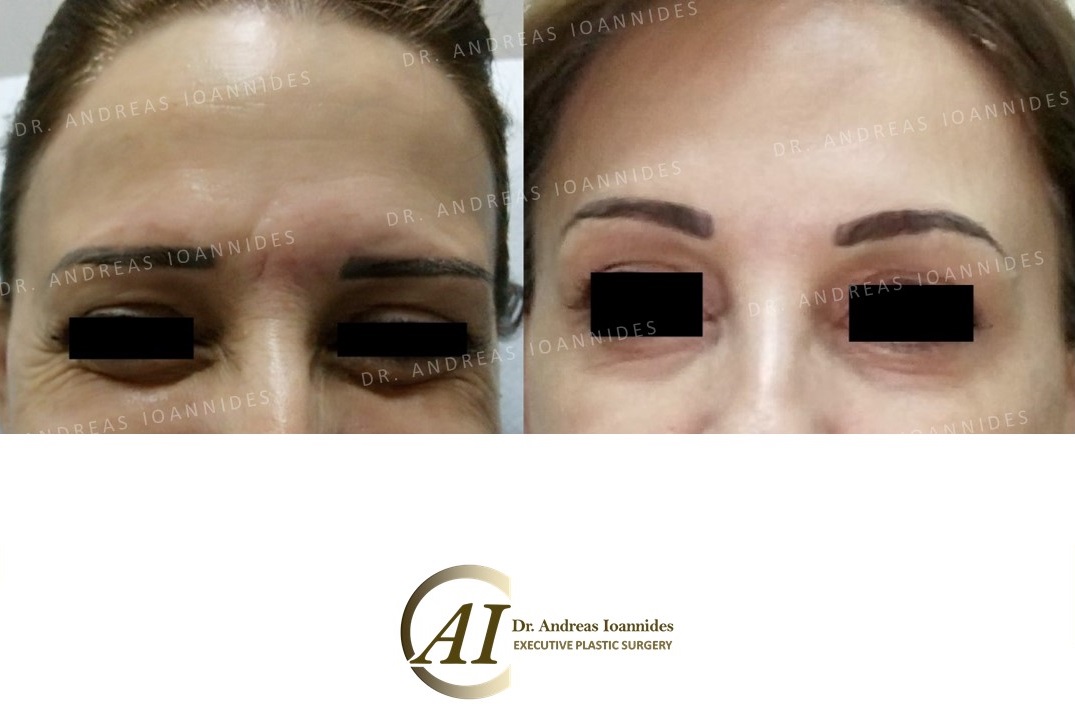
Botulinum Toxin for Frown Lines
Vertical lines between the eyebrows are mainly caused by strong activity of specific muscles.
They may make the face appear:
- angry,
- severe,
- tired,
even when the patient does not feel that way.
Targeted treatment may reduce the activity of these muscles and create a softer, more relaxed expression.
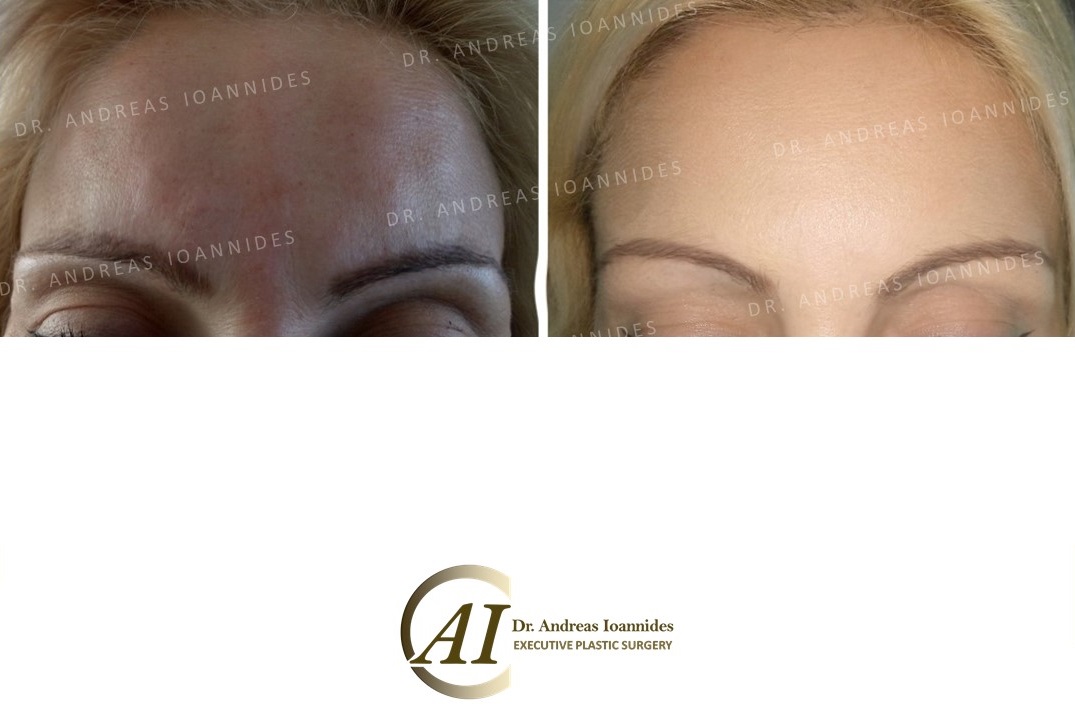
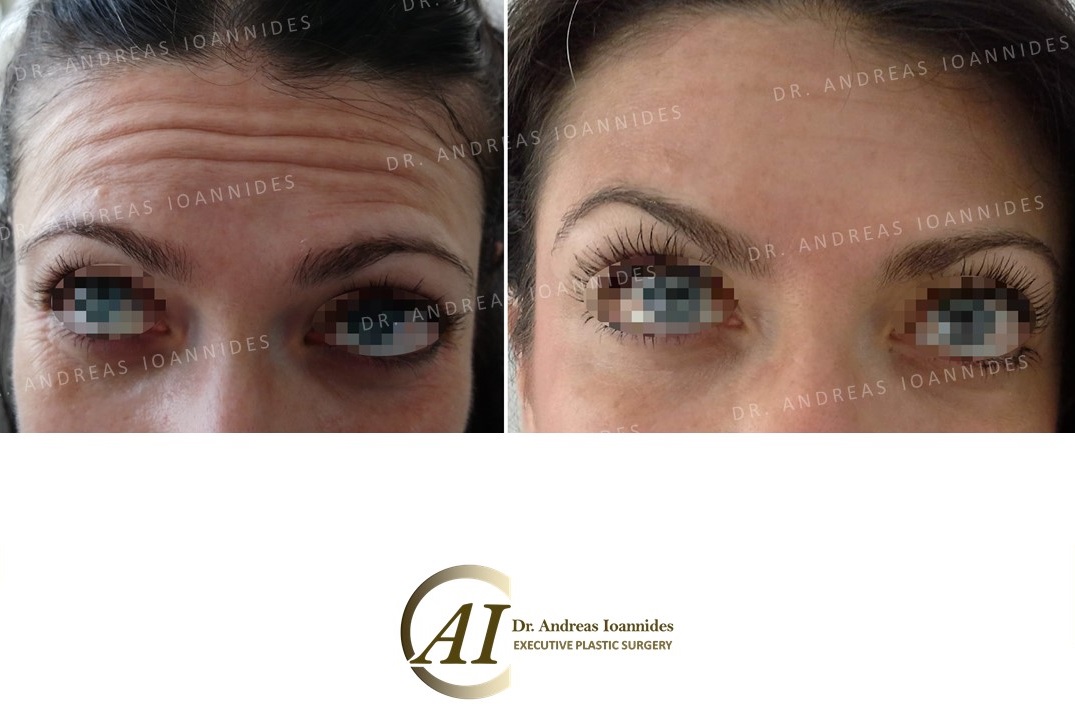
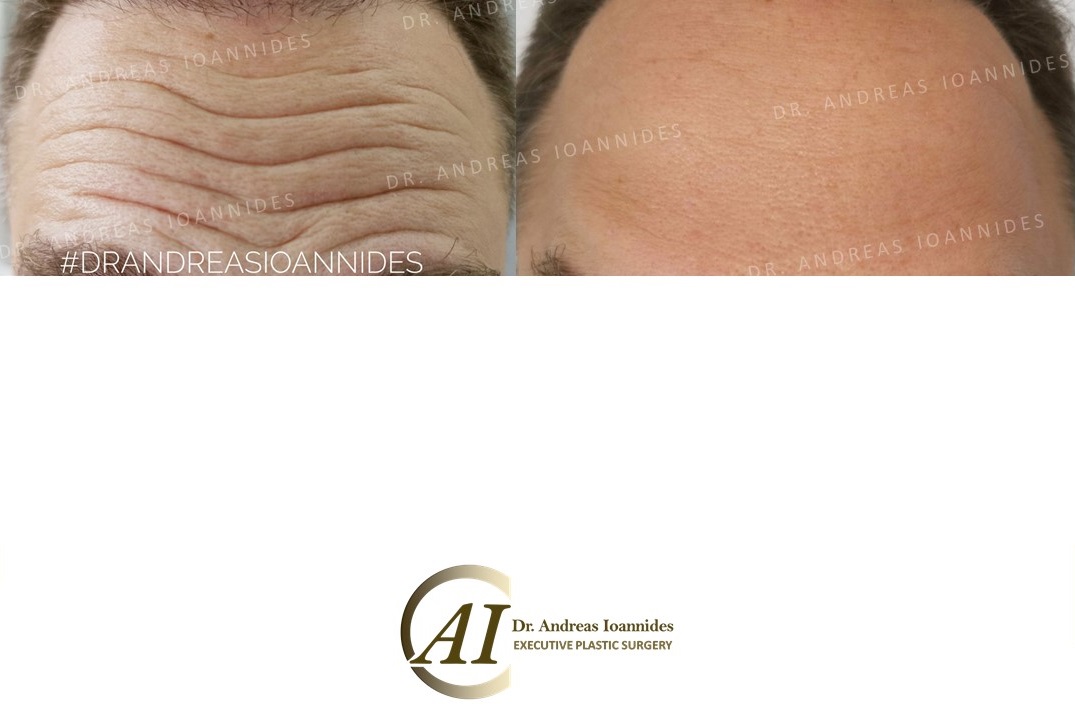
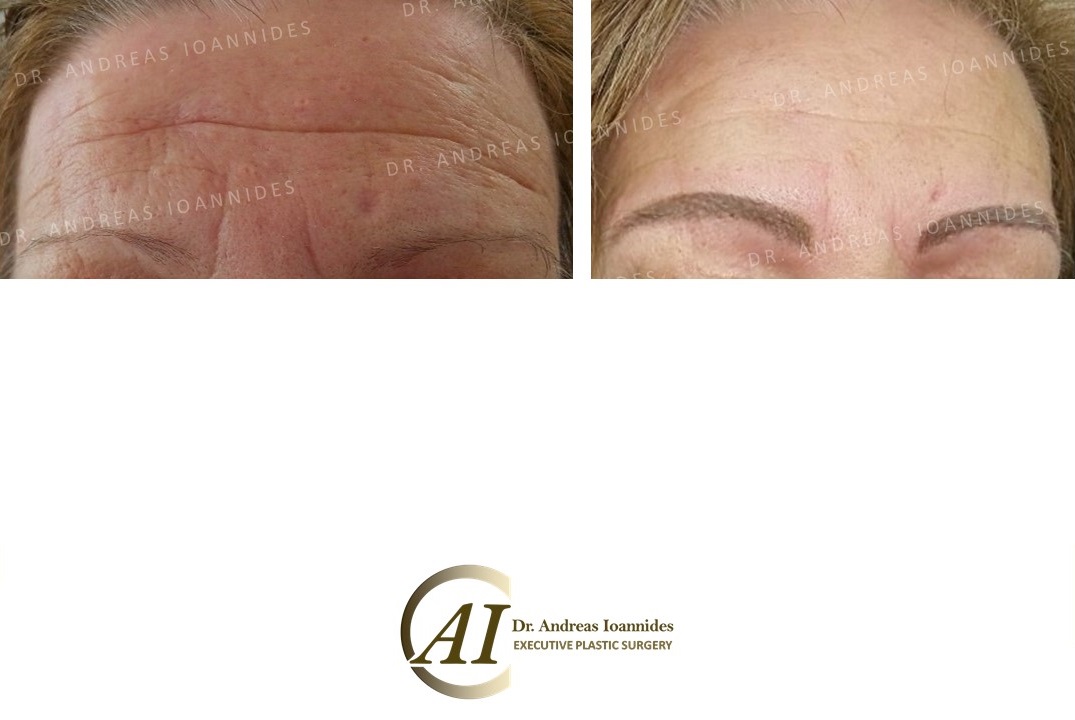
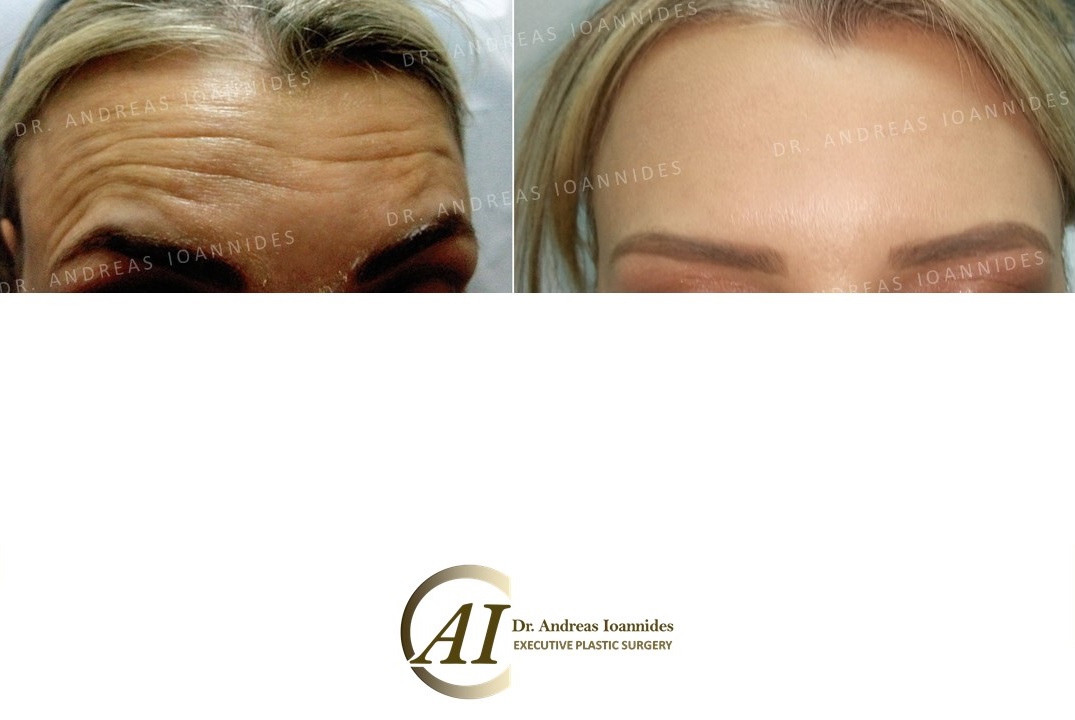
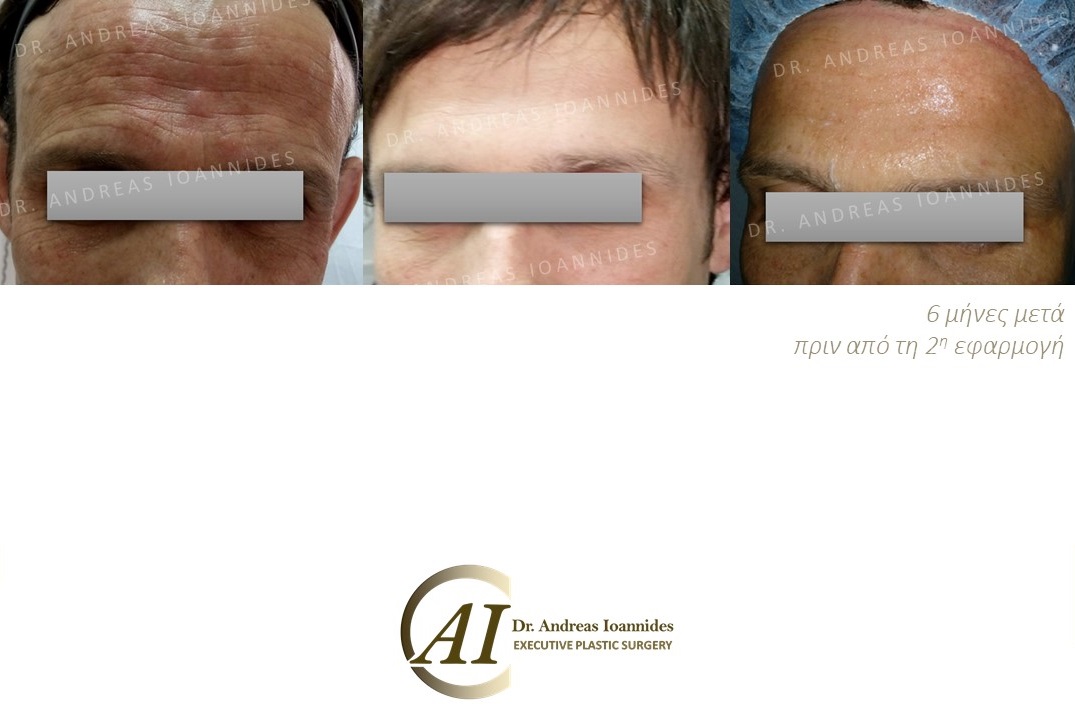
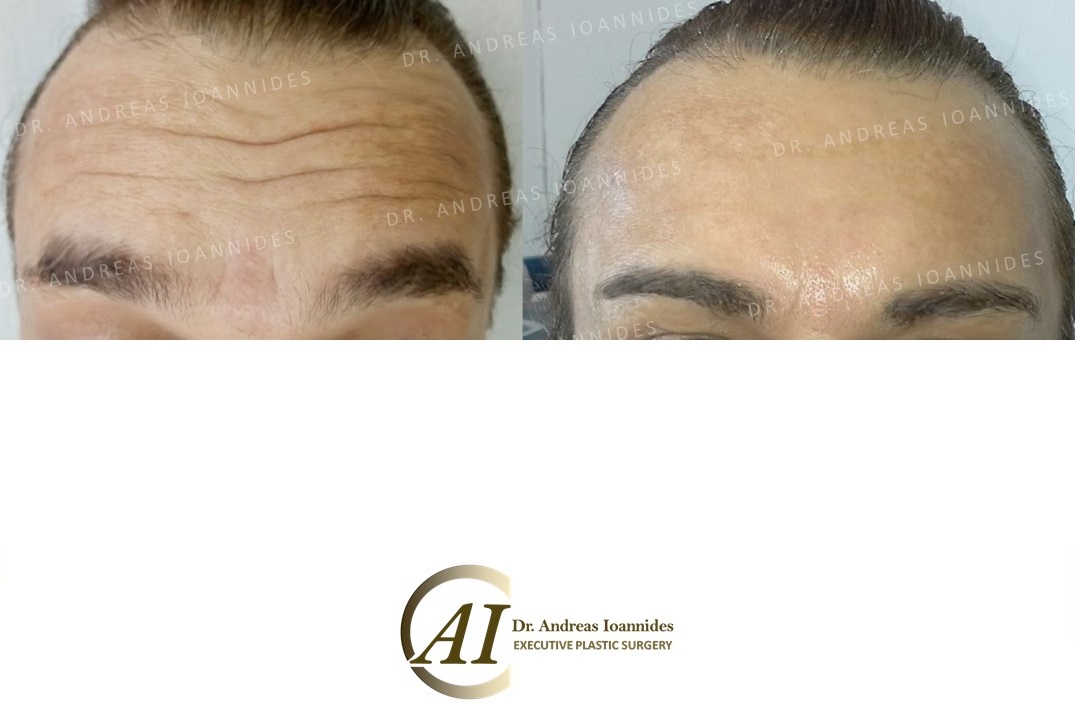
Botulinum Toxin for Forehead Lines
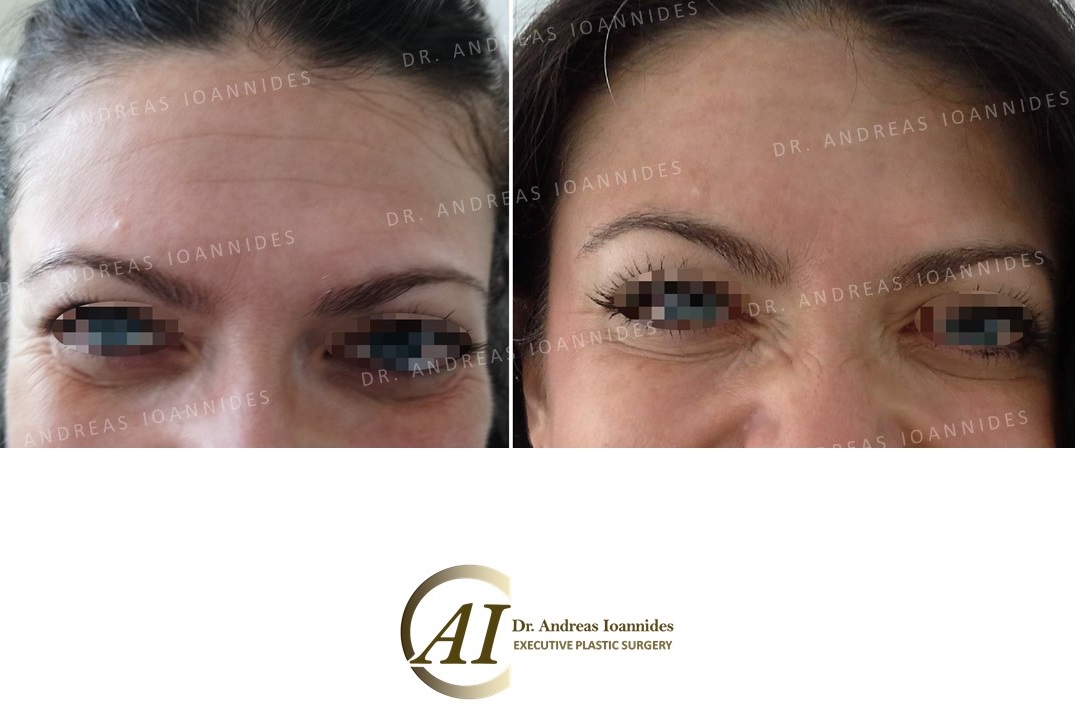
Horizontal forehead lines are mainly created by the action of the frontalis muscle.
This area requires careful planning because the same muscle also contributes to eyebrow position.
Excessive treatment may therefore create a heavier appearance.
The goal is to soften the lines without disturbing the natural balance and position of the eyebrows.
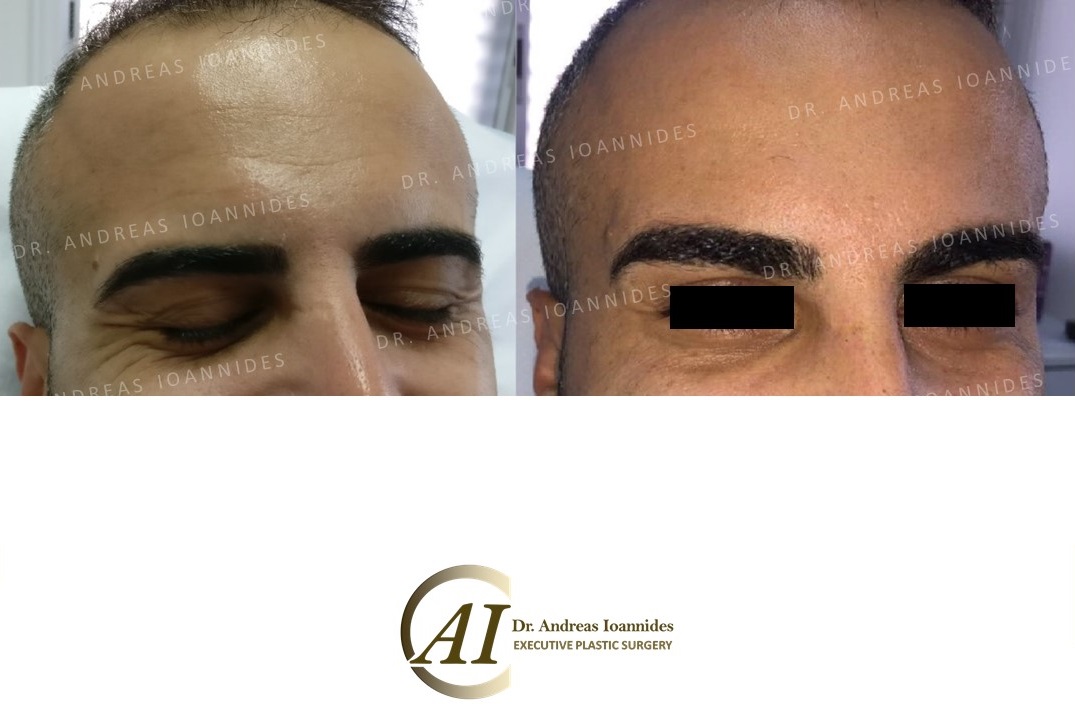
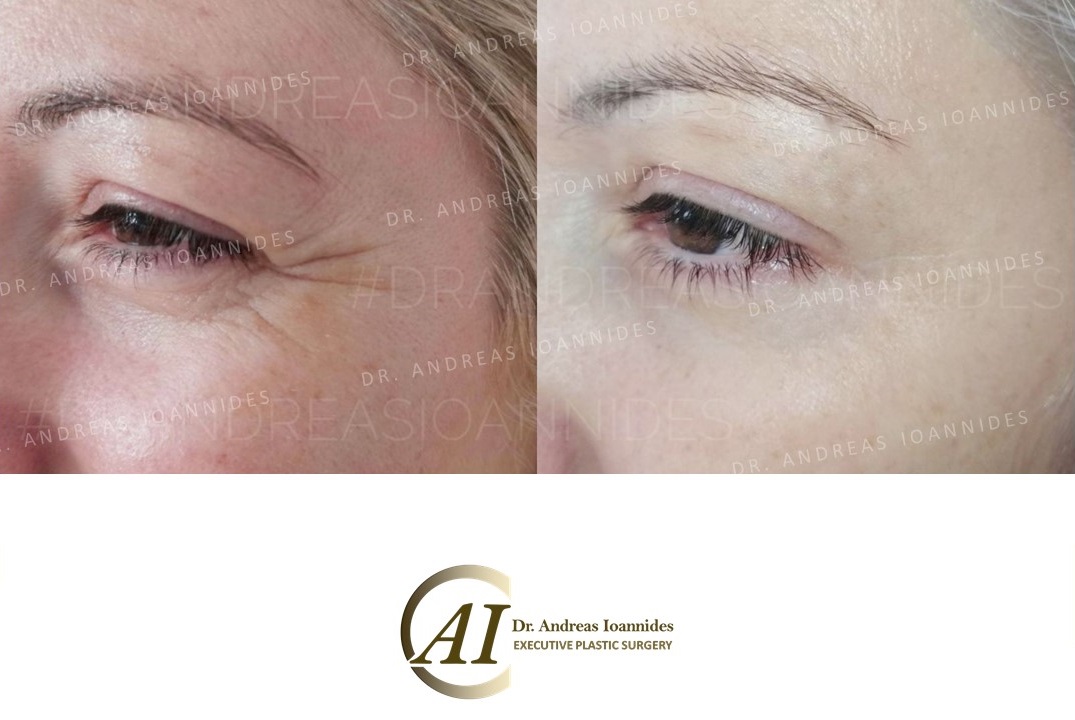
Crow’s Feet – Lines Around the Eyes
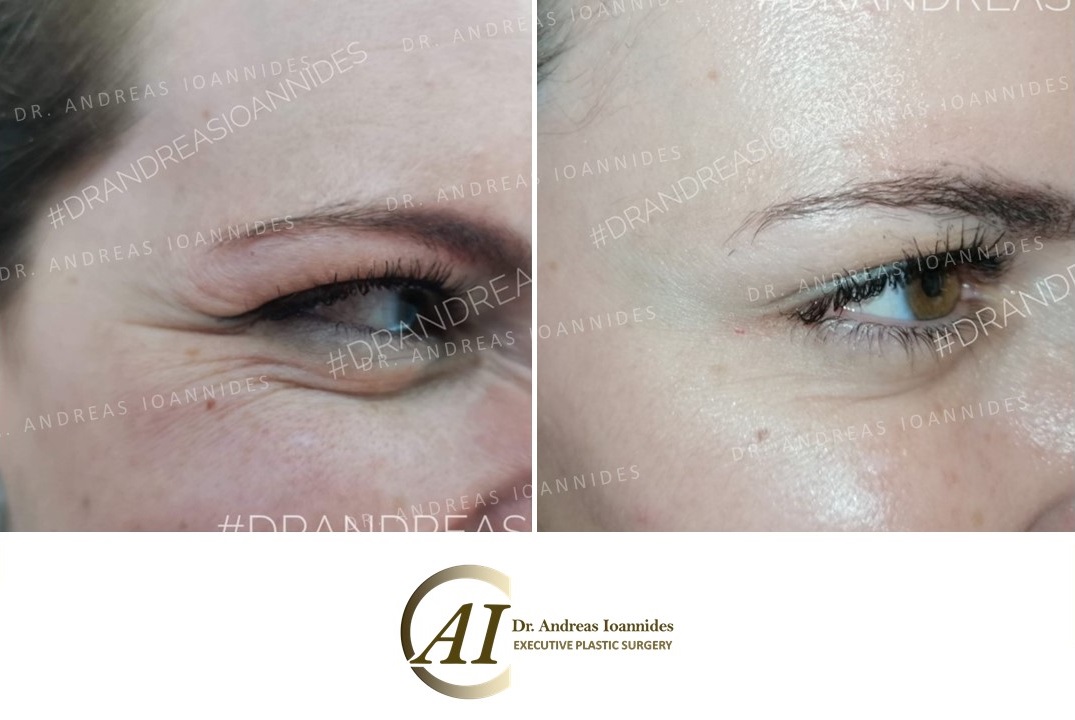
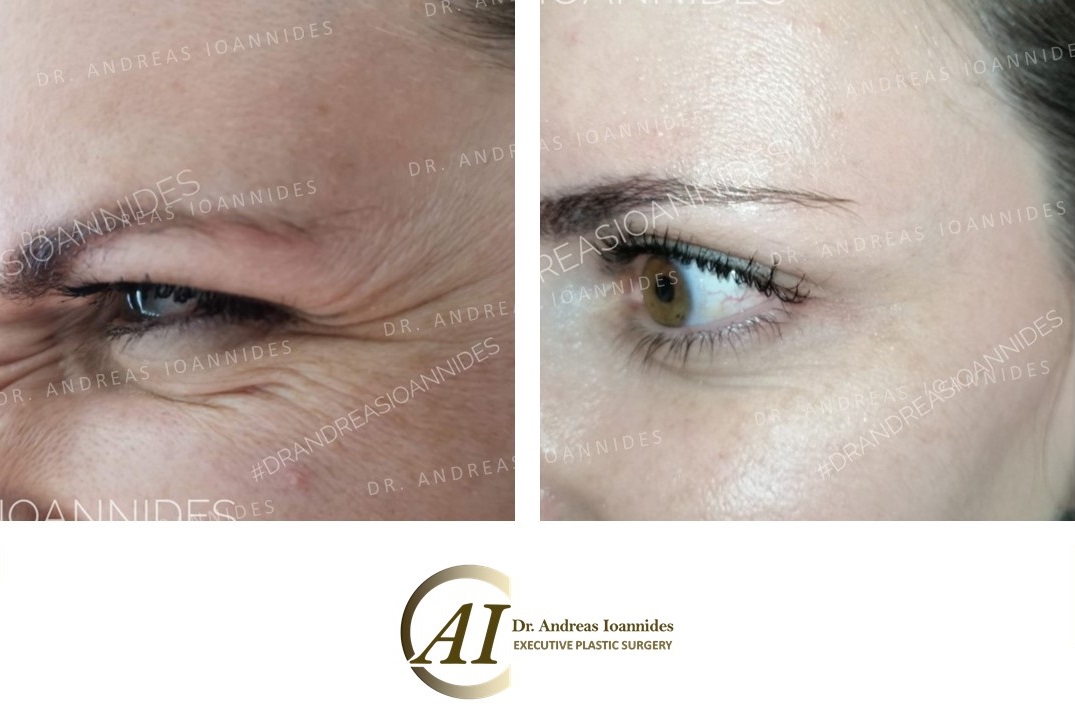
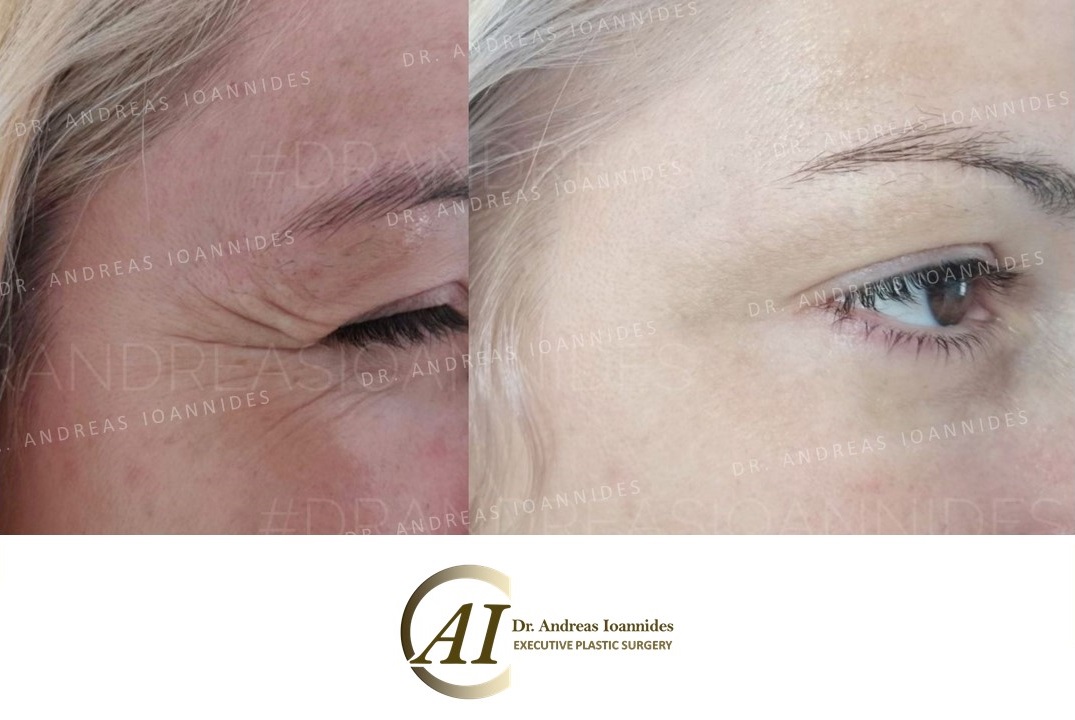
Crow’s feet are the lines that appear at the outer corners of the eyes, especially during smiling.
Botulinum toxin may reduce the activity of selected muscle fibres around the eye and soften dynamic lines in this area.
Crow’s feet are among the most established aesthetic indications for botulinum toxin treatment.
Can Botulinum Toxin be used on the Neck?
Yes, in selected patients.
Overactivity of the platysma muscle may contribute to:
- vertical neck bands,
- reduced jawline definition,
- a more aged appearance of the lower face and neck.
Targeted treatment may reduce the activity of selected platysmal bands.
However, it does not correct significant excess skin or advanced neck laxity.
Will Botulinum Toxin change my Facial Expression?
The treatment should not create a completely immobile or “frozen” face.
Natural results depend largely on:
- correct dosage,
- anatomy,
- injection placement,
- balance between muscle groups,
- the patient’s desired result.
With careful treatment, excessive movement may be reduced while maintaining natural facial expression.
What is the “Baby” or Natural Botox Approach?
In younger patients or those who want to preserve greater facial movement, a more conservative dosage may be selected.
The aim is to:
- reduce excessive contraction,
- preserve more natural movement,
- soften early expression lines,
- avoid overcorrection.
There is no single “baby dose” suitable for everyone.
The amount is personalised according to facial anatomy and muscle activity.
Can Botulinum Toxin be used preventively?
In selected younger patients with very strong facial expressions, treatment may be considered before dynamic lines become deeper and more static.
Age alone is not the main criterion.
More important factors include:
- muscle activity,
- whether lines are visible at rest,
- anatomy,
- personal aesthetic goals.
Not everyone over the age of 30 needs to begin treatment.
At what age can treatment be performed?
There is no single ideal aesthetic age for everyone.
Some people develop strong expression lines earlier.
Others develop them much later.
Treatment should only be performed when there is a genuine indication and after medical assessment.
When will I see the result?
The full effect is not immediate.
The first changes are often noticed within the first few days, while the effect continues to develop gradually.
Many patients begin to notice visible improvement within approximately 3–7 days.
The final assessment is usually made later, once the effect has stabilised.
How long does the result last?
Duration varies between patients.
For aesthetic applications, the effect often lasts around 3–4 months, although it may last longer in some individuals.
Duration is influenced by:
- the dose,
- the treatment area,
- muscle strength,
- metabolism,
- previous treatment history,
- individual response.
How often can the treatment be repeated?
There is generally no reason to repeat treatment at very short fixed intervals while the previous effect is still active.
Treatment is usually repeated when muscle activity and expression lines begin to return.
The appropriate timing depends on:
- the product used,
- the treatment area,
- previous response,
- dosage,
- the instructions for use of the specific product.
Unnecessarily frequent treatment is not the goal of a well-planned approach.
Does Botulinum Toxin cause addiction?
No, not in the usual sense of addiction.
It does not cause physical dependence.
As the effect gradually wears off, normal muscle activity returns.
Rarely, some patients may develop reduced responsiveness to specific preparations, including through immunological mechanisms.
For this reason, treatment should be performed only when indicated and at appropriate intervals.
How long does the procedure take?
Aesthetic treatment is usually brief.
Depending on the number of areas treated, the procedure can often be completed within a few minutes.
No surgery or hospital stay is required.
Is there downtime?
Usually, there is no significant downtime.
Most patients can return immediately to their normal daily activities.
Temporary effects at the injection points may include:
- mild redness,
- slight swelling,
- small bruises,
- tenderness.
What should I avoid after treatment?
The exact aftercare instructions are provided according to the product and treatment area.
In general, patients may be advised to:
- avoid rubbing or massaging the treated areas,
- avoid strong pressure over the injection points,
- follow medical advice regarding exercise and normal activities.
Rigid outdated rules should not automatically be applied to every patient unless specifically advised by the treating physician.
Are there side effects?
Botulinum toxin is a medical treatment and is not completely risk-free.
Common temporary reactions may include:
- redness,
- mild swelling,
- tenderness,
- bruising,
- mild headache.
Less commonly, there may be:
- temporary eyebrow or eyelid drooping,
- asymmetry,
- unintended weakness of a nearby muscle.
Very rare systemic complications have also been reported, which is why treatment should be performed by an appropriately trained medical professional.
When should treatment not be performed?
Suitability must be assessed individually.
Particular caution is required in patients with:
- certain neuromuscular disorders,
- active infection at the injection site,
- specific medications,
- a previous reaction to the product or its components.
During pregnancy or breastfeeding, aesthetic treatment is generally postponed because available safety data are limited.
Botulinum Toxin for Hyperhidrosis
Botulinum toxin may also be used for excessive sweating – hyperhidrosis.
The treatment is injected into the skin of the affected area and temporarily reduces the nerve signal reaching the sweat glands.
It may be used in selected areas such as:
- underarms,
- palms,
- soles,
- face,
depending on the indication.
The aim is to reduce excessive sweating in the treated area, not to stop normal sweating throughout the entire body.
Botulinum Toxin and Chronic Migraine
Botulinum toxin is also used in specific medical protocols for chronic migraine.
This is a different medical indication from aesthetic treatment.
Patient selection, injection sites and dosage follow a specific therapeutic protocol and require appropriate medical evaluation.
It should not be confused with a routine aesthetic forehead treatment.
Botulinum Toxin and Facial Asymmetry
In some patients with facial nerve paralysis or paresis, significant asymmetry may develop because of:
- reduced movement on one side,
- compensatory overactivity on the opposite side,
- altered muscular balance.
In appropriately selected patients, botulinum toxin may be used to reduce excessive activity in specific muscles and help improve facial symmetry.
This is a specialised therapeutic application and requires an individualised plan.
Why choose Dr Andreas Ioannides?
Botulinum toxin treatment is not simply about injecting a medication.
The result depends on detailed understanding of:
- muscular anatomy,
- facial symmetry,
- eyebrow movement,
- the relationship with the eyes,
- lower-face function,
- facial and neck proportions.
Dr Andreas Ioannides, Plastic & Reconstructive Surgeon, evaluates the face both at rest and during movement before determining injection points and dosage.
The aim is not to treat every face using the same standardised injection map.
The plan is adapted according to:
- muscle strength,
- natural facial expression,
- asymmetries,
- age,
- the desired result.
A successful treatment should not look like “Botox”. It should look like a more rested and naturally refreshed face.
Natural Result or “Frozen Face”?
Excessive immobility is not the goal of modern treatment.
In the right patient and with the appropriate dose, the aim is to achieve:
- softer unwanted lines,
- preserved natural expression,
- better eyebrow balance,
- a more rested eye area,
- avoidance of overcorrection.
The amount should not be selected only according to the number of units.
It should be selected according to the face.
How much does Botulinum Toxin Treatment cost?
The cost varies according to the personalised treatment plan.
The final price may depend on:
- the number of areas,
- muscle strength,
- the required dosage,
- whether the treatment is aesthetic or therapeutic,
- the overall treatment plan.
For this reason, the exact price is determined after a personal consultation.
It is not about using more. It is about being more precise.
Botulinum Toxin Treatment by Dr Andreas Ioannides
Successful aesthetic treatment does not aim to eliminate every facial movement.
It aims to create balance between:
- expression,
- muscle activity,
- wrinkles,
- eyebrow position,
- natural anatomy.
The goal is a face that looks more rested and refreshed — not expressionless.
Would you like to know which treatment is right for you?
During your personal consultation, Dr Andreas Ioannides will assess:
- forehead movement,
- the glabellar area,
- the area around the eyes,
- eyebrow position,
- asymmetries,
- the lower face,
- the neck,
- the degree of dynamic wrinkling,
- your desired result.
The appropriate technique and dosage can then be planned.
Frequently Asked Questions About Botulinum Toxin
It temporarily reduces the activity of selected muscles and can soften dynamic wrinkles caused by facial expression.
Common aesthetic areas include the glabella, forehead and crow’s feet, with additional selected applications in the face and neck.
Not necessarily. With the correct dosage, natural movement and expression can be preserved.
The first changes are often visible within approximately 3–7 days, with the effect continuing to develop gradually.
For aesthetic use, results often last around 3–4 months, although this varies between patients.
Treatment is usually repeated when the previous effect begins to wear off and muscle activity starts to return.
No. Botulinum toxin does not cause dependence.
In selected younger patients with strong muscle activity, conservative treatment may be used before dynamic lines become deeper.
Usually not. Most patients return immediately to normal daily activities.
Temporary redness, bruising, swelling or tenderness are among the more common effects. Less commonly, temporary weakness of a nearby muscle may occur.
Yes. It can temporarily reduce excessive sweating in selected areas.
There are specific medical botulinum toxin protocols for chronic migraine. This is different from aesthetic treatment.
In selected cases of neuromuscular asymmetry, it may be used to reduce excessive activity in certain muscles.
The cost depends on the treatment area, dosage and personalised treatment plan.


CONTACT

Dr. Andreas Ioannides
Contact us and book an appointment immediately
Choose your appointment by video call or by visiting one of our clinics!

Dr. Andreas Ioannides Executive Plastic Surgery is one of the most complete plastic surgery clinics and the international medical aesthetic medical centers ADVANCED AESTHETICS provide modern medical techniques and aesthetic medical treatments in Greece and Cyprus.
7 Common Myths About Plastic Surgery
Blepharoplasty: When Is It Indicated and What to Expect During Recovery
Rhinoplasty and Breathing: Can Aesthetics and Functionality Be Combined?
September and Plastic Surgery: Why Autumn Can Be a Good Time to Plan an Aesthetic Procedure
September and Aesthetic Treatments: Why It’s the Ideal Time for a Fresh Start
Thinking About Labiaplasty? 10 Things You Should Know Before Moving Forward
Labiaplasty: Everything You Need to Know About the Procedure That Improves Comfort and Confidence
Athens Clinic
T +30.210 9595566
Email: info@andreasioannides.com
Address: Syggrou Ave, 284, Kallithea, Zip 17673 – Athens
Cyprus Clinics
T +357.22335002
Email: info@andreasioannides.com
Athenium International Medical Institute
Address: Giannitson 9 Strovolos, Nicosia 2027, Cyprus
Address: Thiseos 1, Lemesos 3025, Zip 4004 – Cyprus
Copyright © 2022