


What Colpoplasty Is And Why Someone May Consider It
Colpoplasty, also referred to as vaginoplasty or vaginal tightening surgery, is a private intimate procedure that may be used to tighten and repair internal tissues, usually when the vaginal canal feels wider or less supported than before. With Dr Andreas Ioannides in Athens, the aim is a discreet, carefully planned result that respects comfort, function, and natural anatomy.
|
Detail |
Typical Plan |
|
Procedure |
Colpoplasty, vaginoplasty, or intimate tightening surgery |
|
Doctor |
Dr Andreas Ioannides |
|
Specialty |
Plastic and Reconstructive Surgeon |
|
Experience |
Intercourse and intense activity resumed once healed |
|
Location |
Athens, Greece |
|
Anaesthesia |
Local anaesthesia or sedation, depending on suitability |
|
Main concern |
Internal looseness, support, comfort, and confidence |
|
Discharge |
Same day for suitable cases |
|
Planning |
Private assessment and tailored surgical approach |
|
Recovery |
Guided aftercare with planned review |
When Colpoplasty May Be Suitable
Changes can happen after childbirth, ageing, weight changes, hormonal change, or previous trauma. Some women describe a feeling of reduced internal tone. Others mention discomfort, reduced sensation, or loss of confidence in intimate situations. A few are not sure what the problem is, only that something feels different.
- A feeling of internal looseness
- Reduced support after childbirth
- Changes around the perineal area
- Tissue laxity affecting comfort or confidence
- Mild structural concerns after healing from delivery
- A wish for discreet intimate reconstructive surgery
Which women it tends to help most
To make it a little more clear, the procedure is most often discussed with women who recognise themselves in one of these situations:
- After one or more vaginal deliveries, where the canal feels stretched, less toned, or less supported than before, and pelvic floor exercises alone have not restored the previous feeling.
- Around or after menopause, when hormonal change thins and slackens the tissues, sometimes alongside dryness or reduced comfort.
- After significant weight change, which can affect tissue tone and support.
- Following perineal scarring or an episiotomy that healed unevenly and now affects comfort or confidence.
- Where vaginal reconstruction is needed after trauma, difficult childbirth, or previous surgery that left the area weakened or distorted.
- When looseness affects intimacy and self-esteem, and a woman simply wants to feel like herself again.
The problems it may address, then, range from purely aesthetic and comfort concerns through to mild structural repair. What it is not designed to fix on its own is significant pelvic floor failure or prolapse; those need dedicated pelvic floor surgery or gynaecological management, sometimes before or instead of an aesthetic procedure.
This does not mean everyone who feels this way needs an operation. Pelvic floor physiotherapy, hormonal assessment, or other medical treatments may be more suitable in some cases. If symptoms include heaviness, a visible bulge, urinary leakage, bowel difficulty, or anal control problems, the cause needs to be assessed carefully before choosing any procedure.
That is why the appointment matters so much. It separates aesthetic concerns from functional or gynaecological conditions.
A non-surgical option: THERMIVA
Not every concern calls for surgery. For women whose main issues are laxity and mild tissue changes rather than significant stretching, THERMIVA offers a non-surgical alternative. It uses controlled radiofrequency to gently tighten and refresh the intimate area, and it is often chosen to help with vaginal laxity, mild hypertrophy of the labia minora and labia majora, and stress urinary incontinence. The treatment is quick, comfortable, and needs little to no downtime. It does not repair or tighten internal structures the way surgery does, so it suits a different goal, but for the right candidate it can be an appealing first step. Part of the point of a consultation is finding out which route, surgical colpoplasty or non-surgical THERMIVA vaginal tightening, actually fits your anatomy and symptoms.
What Happens During The Private Assessment
A private appointment with Dr Andreas Ioannides is designed to be calm, discreet, and clear. Many women arrive feeling nervous, which is normal. The subject is personal. You should not feel rushed or judged.
The assessment may include a discussion about:
- Childbirth history
- Symptoms and when they started
- Previous operations or scarring
- Comfort during daily life and intimacy
- Skin and tissue quality
- Expectations from the procedure
- Whether another specialist opinion is needed
There is also an important distinction between colpoplasty and colposcopy. Colposcopy is a specialized diagnostic procedure used to examine the cervix more closely, usually after abnormal screening or related findings. Colpoplasty is different. It is a surgical procedure focused on support, tightening, and tissue repair.
Some patients also ask about vaginal rejuvenation because the phrase appears often online. It is a broad term, and honestly, not always a precise one. Surgical repair, laser treatments, labial reduction, and other intimate procedures can be grouped under that phrase, but they are not the same thing. The right plan depends on the anatomy and the reason for treatment.
How The Procedure Is Planned
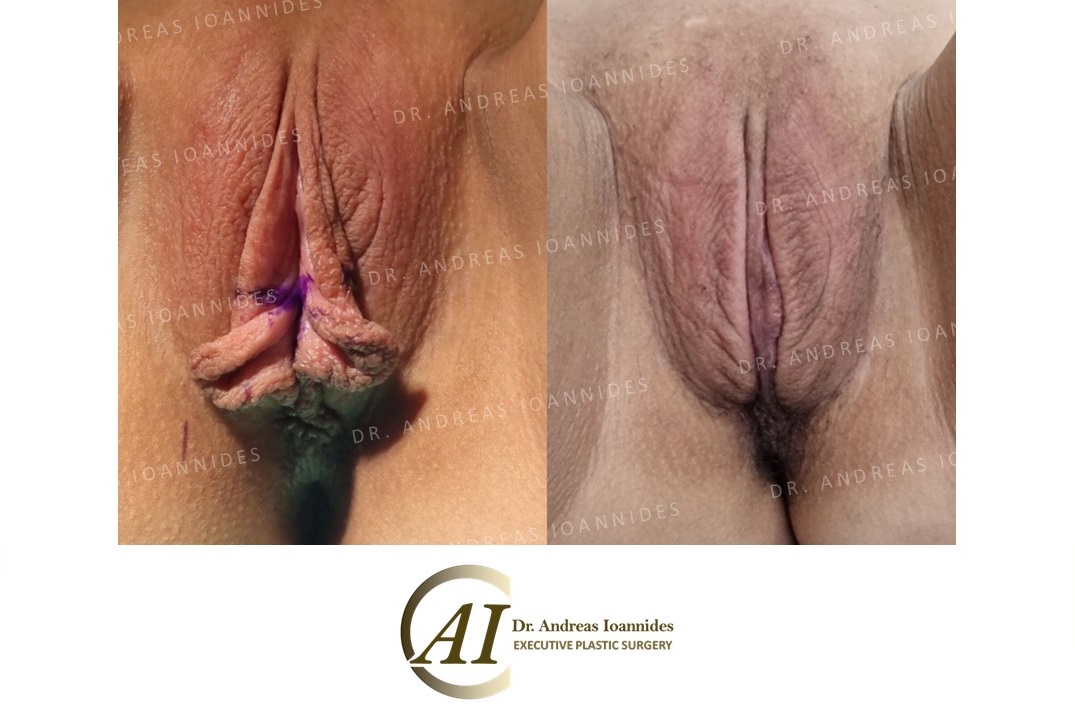
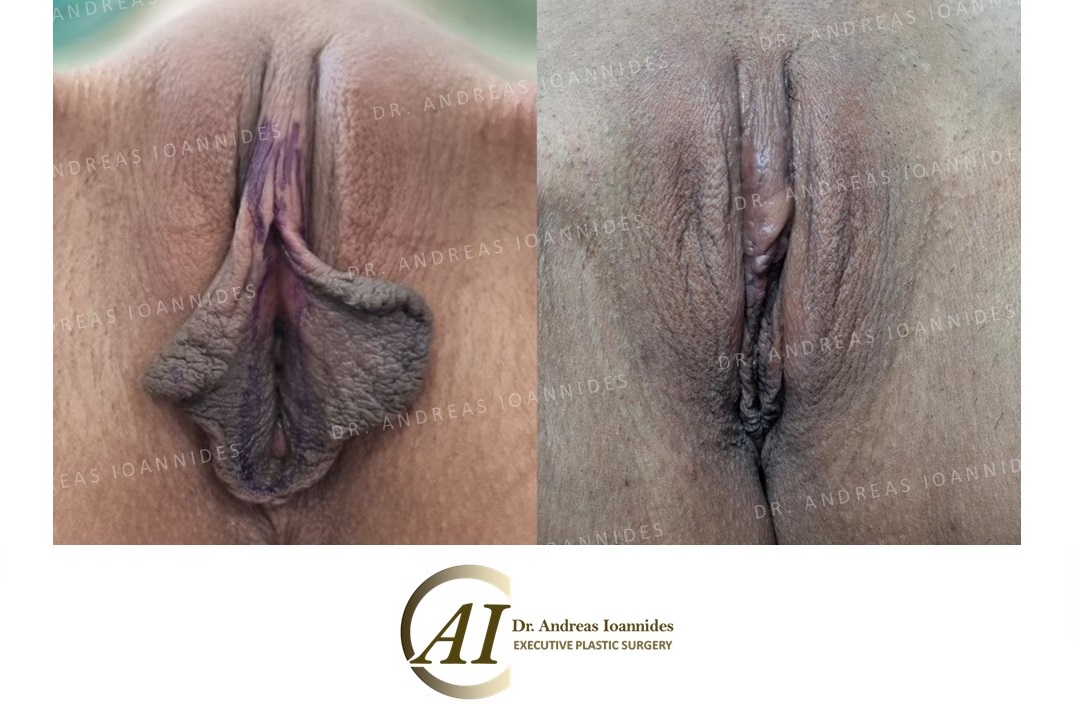
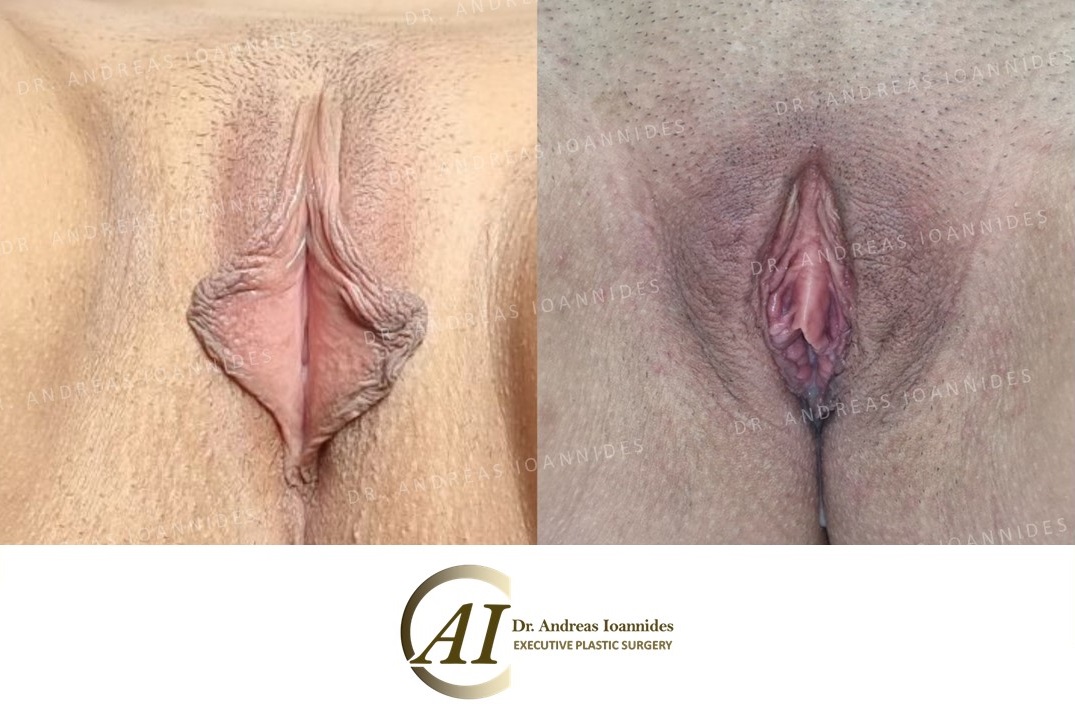
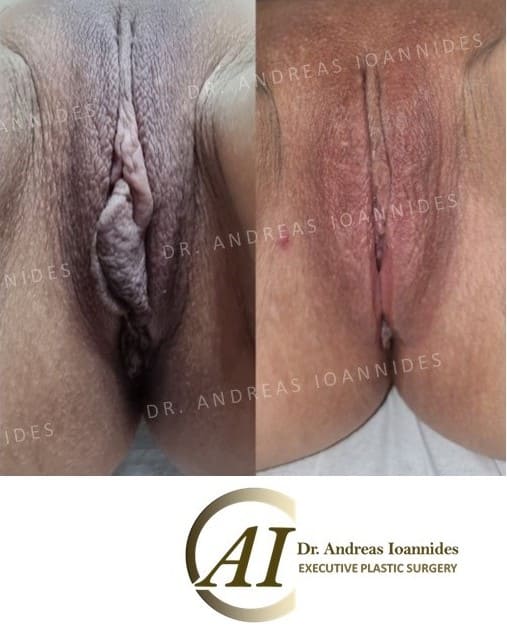
The surgical approach depends on what needs correction. In some cases, the focus is internal tightening. In others, the perineal area may need careful repair as well. The goal is not to make the area unnaturally narrow. That can cause discomfort. The aim is a balanced result that feels supportive and looks natural.
A typical plan may involve:
- Careful marking and planning before the operation
- Repair of stretched internal tissue
- Adjustment of excess or loose tissue when appropriate
- Fine dissolving sutures
- Scar-conscious closure
- Clear aftercare instructions before leaving the clinic
If a deeper pelvic support problem is suspected, Dr Ioannides may recommend additional gynaecological evaluation. More complex prolapse cases can sometimes involve specialised laparoscopic planning or, in selected hospital settings, a robotic method. These are not automatically needed for aesthetic colpoplasty, but it is important to know when the concern is more than a cosmetic issue.
A good surgical plan is measured. It should not promise great success before examination, because the body, tissue quality, symptoms, and recovery all affect what can realistically be achieved.
The Comfort of Local Anaesthesia and Sedation
In our practice, many of our procedures are performed under local anaesthesia or a combination of local anaesthesia and deep sedation, twilight anaesthesia, aiming to minimise the impact on your body. This approach ensures a completely painless and calm experience during surgery, while eliminating the heavy sensation and nausea often associated with general anaesthesia. As a result, recovery begins immediately, allowing you to return home safely on the very same day, with the final choice of method always tailored individually during your consultation visit.
Recovery And Aftercare
Recovery is personal. Some women heal quickly and feel comfortable returning to light routines within a short period. Others need more time, especially if tissue repair has been more extensive. It is better to plan gently rather than assume everything will feel normal immediately.
You may experience swelling, mild bleeding, tightness, bruising, or tenderness during the early stage. These are usually expected after intimate surgery, but the clinic will explain what is normal and what should be checked.
|
Timeframe |
What To Expect |
Practical Advice |
|
Same day |
Rest after the operation and return home if suitable |
Have someone accompany you |
|
Days 1 to 3 |
Swelling, tenderness, light bleeding |
Swelling, tenderness, light bleeding |
|
First Week |
Gradual movement around the home |
Avoid pressure, friction, and heavy activity |
|
Weeks 2 to 4 |
Symptoms begin settling |
Continue gentle routines only |
|
Weeks 4 to 6 |
Healing is more advanced |
Return to exercise or intimacy only after medical clearance |
|
Following months |
Tissue softens and settles |
Final comfort can take time |
If pain increases suddenly, bleeding becomes heavy, discharge has an unusual smell, or you develop fever, you should contact the clinic promptly.
Pricing, Travel And Medical Tourism In Athens
The cost of colpoplasty depends on the extent of repair, the anaesthesia plan, clinic requirements, and whether any related treatment is needed. A written estimate is provided after examination, so the price reflects the actual surgical plan rather than a generic online number.
Some patients also ask about related procedures, such as labial reduction, and whether labiaplasty prices can be discussed during the same visit. This can be reviewed privately, but each procedure should have its own indication, planning, and recovery advice.
Travelling to Athens for intimate surgery
Athens has quietly become one of Europe's more trusted destinations for private intimate surgery, and a large share of these patients now travel from abroad. The appeal is easy to understand: experienced surgeons, modern private facilities, strict clinical standards, and a total cost that compares very well with the UK, Scandinavia, and much of Western Europe, all in a city that is easy to reach and pleasant to recover in for a few days.
For international patients, the pathway is built to keep things simple and reassuring:
- Start with a remote discussion. An initial video consultation clarifies your concern and expectations before you commit to travel, so you arrive already informed.
- Confirm the plan in person. The physical examination and final surgical plan are always agreed face to face, since intimate surgery cannot be planned responsibly online.
- Same-day discharge for suitable cases. You return to your accommodation the same day, not a hospital ward.
- Plan a short stay. Allowing several days covers the procedure, rest, and an early review before you fly home.
- Do not book an immediate flight. A brief stay lets the team check healing and answer aftercare questions first.
- Bring a companion if you can. Mostly for comfort and practical help in the first day or two.
Communication in English before and after your visit means you are supported from the first message to your remote follow-up once home, whether you are travelling from elsewhere in Europe, the Middle East, or from across Greece. That continuity of care is often what makes Athens practical, and reassuring, for patients coming from abroad.
Why Choose Dr Andreas Ioannides?
Dr Andreas Ioannides approaches intimate surgery with discretion, precision, and respect for the private nature of the concern. The aim is to create a plan that is medically appropriate and personally comfortable, not to push a standard solution.
With 26 years of experience and thousands of procedures performed across aesthetic, reconstructive and intimate surgery, member of ISAPS, IPRAS and HESPRAS and international member of the American Association of Plastic Surgeons, Dr Ioannides has seen how differently each woman's anatomy, history and goals present. That depth is exactly why his philosophy is a personalised one: no two bodies are the same, and no two plans should be either. Rather than applying a single technique to everyone, he assesses each case individually and recommends only what genuinely suits it, whether that is surgery, a non-surgical option such as THERMIVA, another treatment, or, sometimes, no procedure at all.
During your appointment, you can expect clear discussion around:
- Whether colpoplasty is suitable
- What the procedure can realistically improve
- Anaesthesia options
- Recovery time
- Risks and limitations
- When another specialist opinion may be needed
- How follow-up is organised
You can also read more about the wider range of female intimate surgery and cosmetic gynaecology, related options such as labiaplasty and non-surgical vaginal rejuvenation with THERMIVA, and the practice's approach to international patients and recovery after plastic surgery. To learn more about the surgeon himself, see the Dr Andreas Ioannides profile page.
What Patients Say
Feedback from those who have trusted us consistently centers on the same themes: a calm, reassuring experience, a result that preserves their individual identity, and a team that responds promptly to messages throughout recovery. Word of mouth, particularly in Athens, brings a steady stream of friends and relatives of former patients through our doors. Equally important is the significant number of patients referred to us by other doctors and colleagues who trust our clinical expertise, a distinction that, alongside our patients' appreciation, stands as the truest endorsement of our work.
Frequently Asked Questions
No, they are completely different. Colposcopy is a diagnostic examination used to inspect the cervix more closely, often after abnormal screening results. Colpoplasty is a surgical procedure used to repair or tighten internal intimate tissues. The names sound similar, which is why people often confuse them online. During your appointment, Dr Andreas Ioannides will clarify which concern you have and whether intimate surgery is actually the right route.
A good candidate may be someone who feels internal looseness, reduced support, or changes after childbirth, ageing, or tissue stretching. Suitability depends on anatomy, symptoms, medical history, and expectations. If there is a bulge, urinary leakage, bowel difficulty, or suspected prolapse, additional gynaecological assessment may be needed first. The goal is not to operate on everyone who asks, but to identify who may benefit safely and realistically.
Is colpoplasty painful?
The procedure itself should not be painful because anaesthesia is used. In Dr Ioannides' practice, local anaesthesia or local anaesthesia with sedation may be considered, depending on the case. After surgery, tenderness, swelling, tightness, and mild bleeding can occur during early healing. These symptoms are usually managed with aftercare instructions and medication advice. Pain that becomes stronger rather than improving should always be reported to the clinic.
For some concerns, yes. THERMIVA is a non-surgical radiofrequency treatment that helps with vaginal laxity, mild hypertrophy of the labia minora and majora, and stress urinary incontinence, with little to no downtime. It tightens and refreshes rather than surgically repairing internal structures, so it suits milder laxity more than significant stretching or structural change. Women needing genuine internal repair usually still require surgery. A consultation clarifies whether colpoplasty, THERMIVA, or a combination best matches your goals and anatomy.
Can I travel to Athens for colpoplasty?
Yes, some patients travel to Athens for private intimate surgery, but planning should be sensible. A remote discussion may help before booking travel, yet the final decision must be made after in-person examination. You should allow time for the procedure, rest, and an early review before flying home. A companion can make the first day easier. Flight timing should always be discussed before tickets are finalised.
Will colpoplasty improve sexual confidence?
It may help some women feel more comfortable and confident, especially when the concern is related to looseness, tissue changes, or self-consciousness after childbirth. Still, no intimate procedure can guarantee sexual satisfaction, and it should not be presented that way. Emotional wellbeing, relationship factors, pelvic floor strength, hormones, and pain conditions can all play a role. A careful assessment helps separate what surgery may improve from what needs another approach.
Ready To Discuss Your Concerns Privately?
Book a discreet appointment with Dr Andreas Ioannides in Athens and talk through your concerns in a calm, respectful setting.
You will receive a personalised assessment, clear guidance on suitability and recovery, and honest advice on whether colpoplasty is the right option for your body and goals.
Other Areas Served:



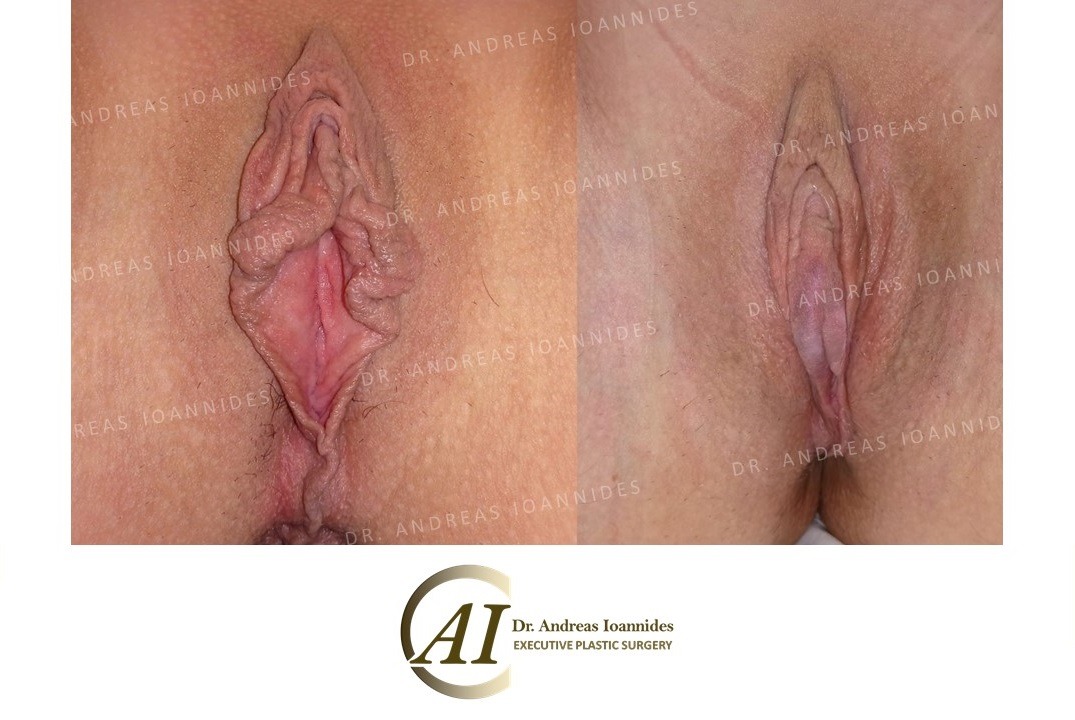
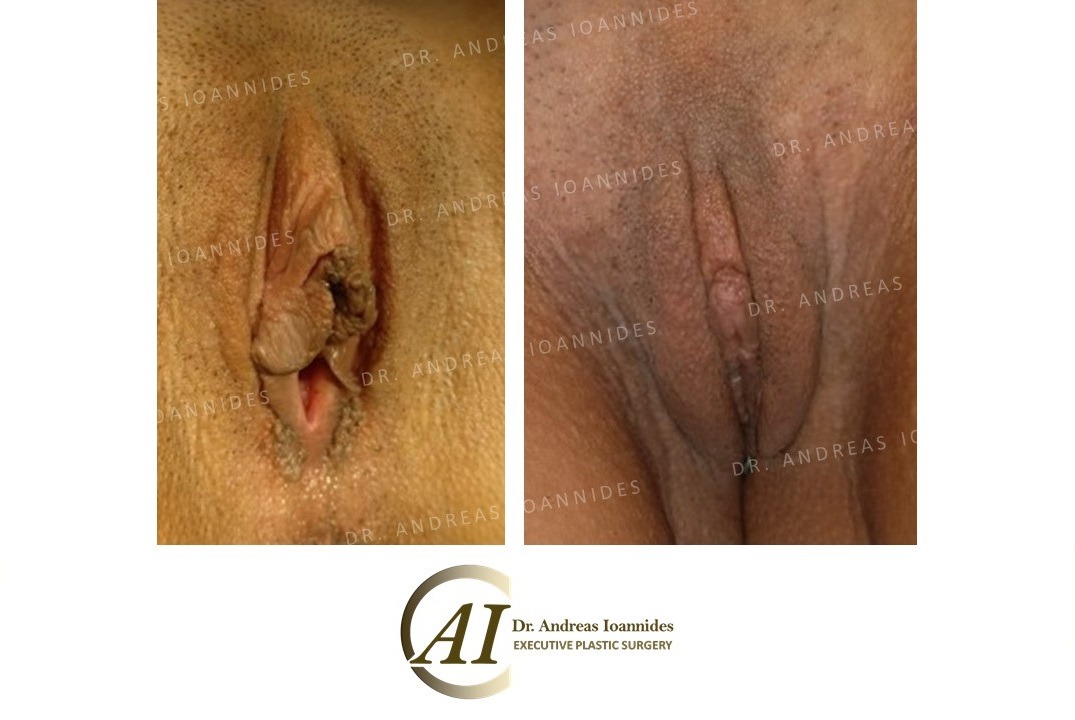
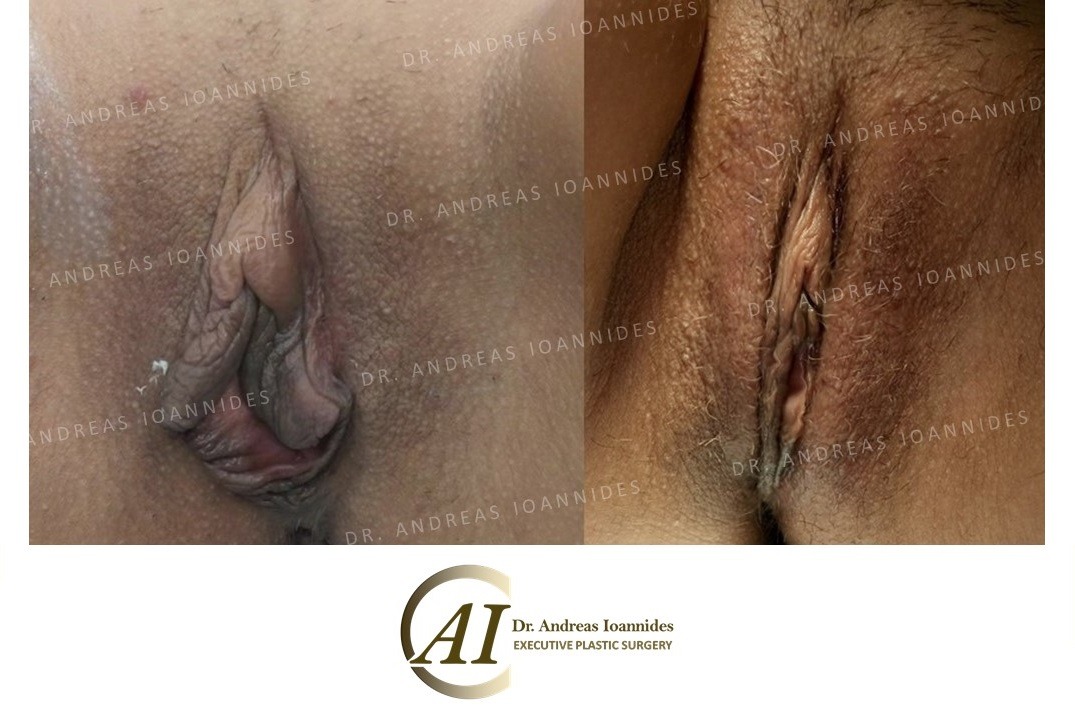
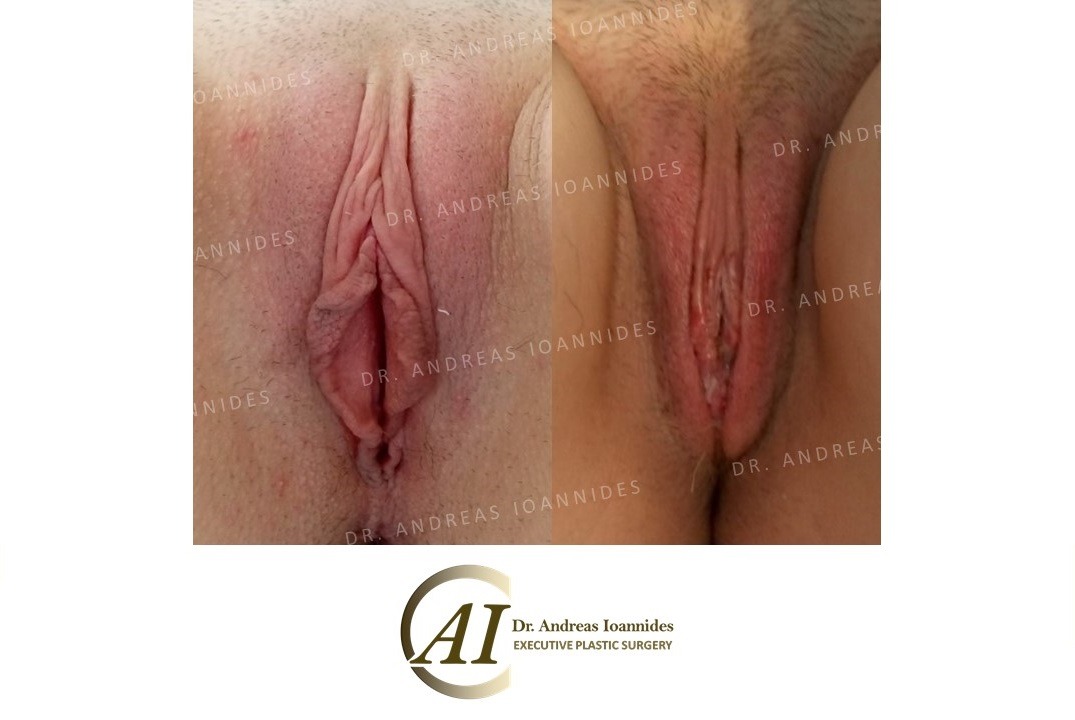

CONTACT

Dr. Andreas Ioannides
Contact us and book an appointment immediately
Choose your appointment by video call or by visiting one of our clinics!

Dr. Andreas Ioannides Executive Plastic Surgery is one of the most complete plastic surgery clinics and the international medical aesthetic medical centers ADVANCED AESTHETICS provide modern medical techniques and aesthetic medical treatments in Greece and Cyprus.
Dr. Andreas Ioannidis at the 16th Panhellenic Congress of Plastic, Reconstructive & Aesthetic Surgery
7 Common Myths About Plastic Surgery
Blepharoplasty: When Is It Indicated and What to Expect During Recovery
Rhinoplasty and Breathing: Can Aesthetics and Functionality Be Combined?
September and Plastic Surgery: Why Autumn Can Be a Good Time to Plan an Aesthetic Procedure
September and Aesthetic Treatments: Why It’s the Ideal Time for a Fresh Start
Thinking About Labiaplasty? 10 Things You Should Know Before Moving Forward
Athens Clinic
T +30.210 9595566
Email: info@andreasioannides.com
Address: Syggrou Ave, 284, Kallithea, Zip 17673 – Athens
Cyprus Clinics
T +357.22335002
Email: info@andreasioannides.com
Athenium International Medical Institute
Address: Giannitson 9 Strovolos, Nicosia 2027, Cyprus
Address: Thiseos 1, Lemesos 3025, Zip 4004 – Cyprus
Copyright © 2022