


Non-surgical facial rejuvenation with targeted volume restoration, contouring and collagen support
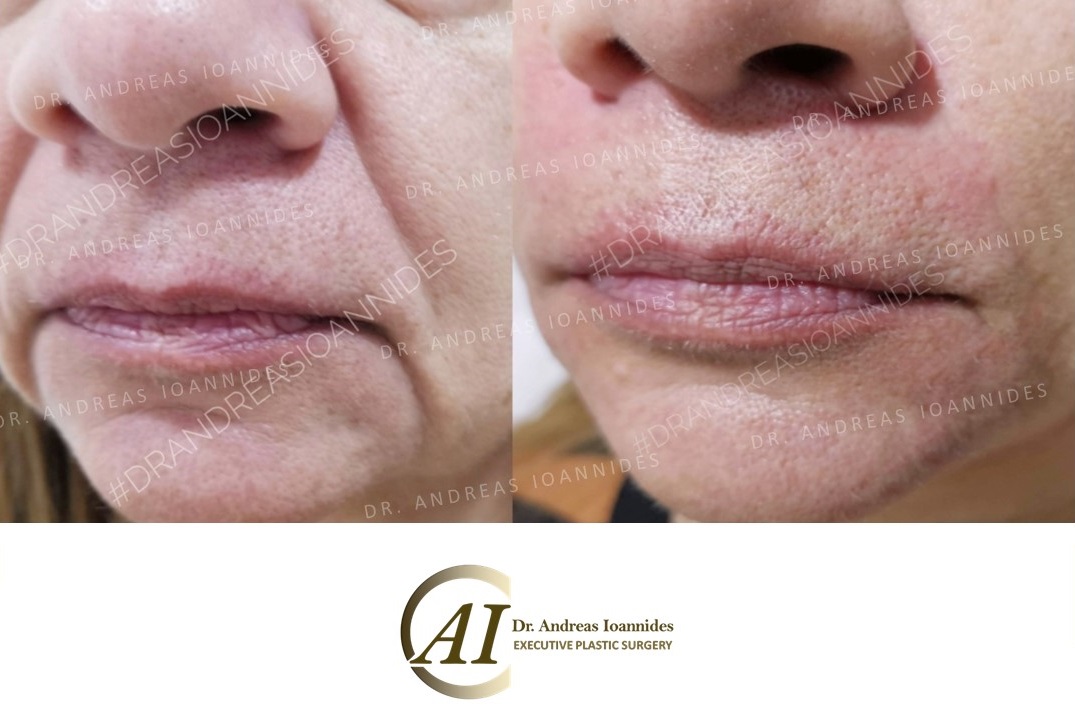
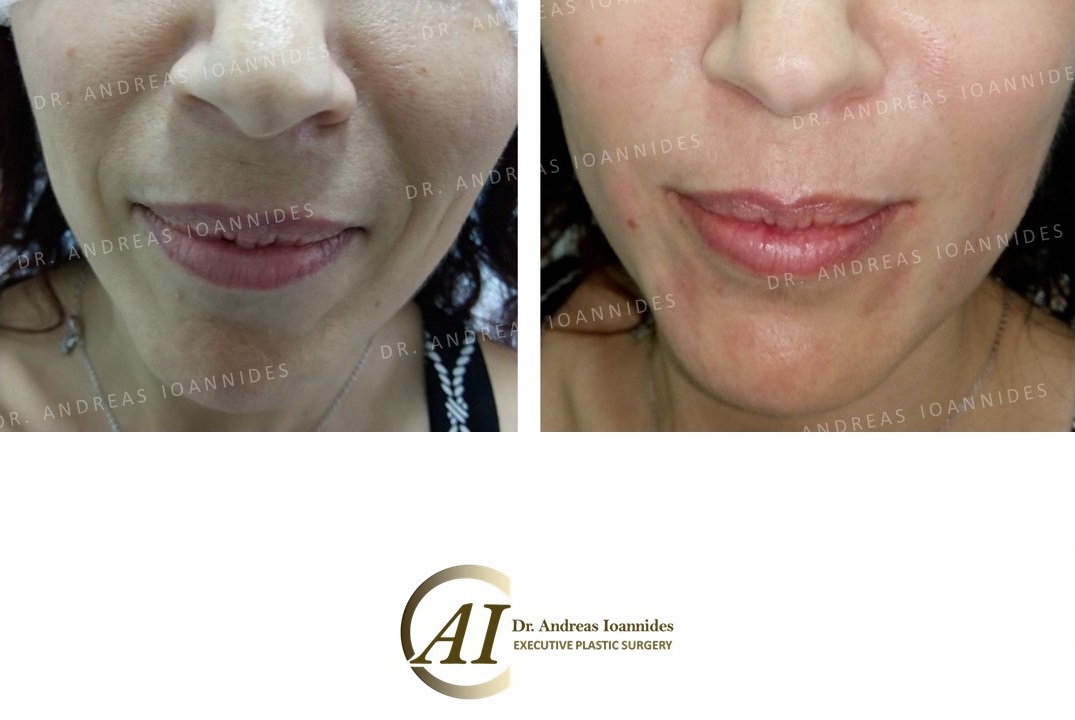
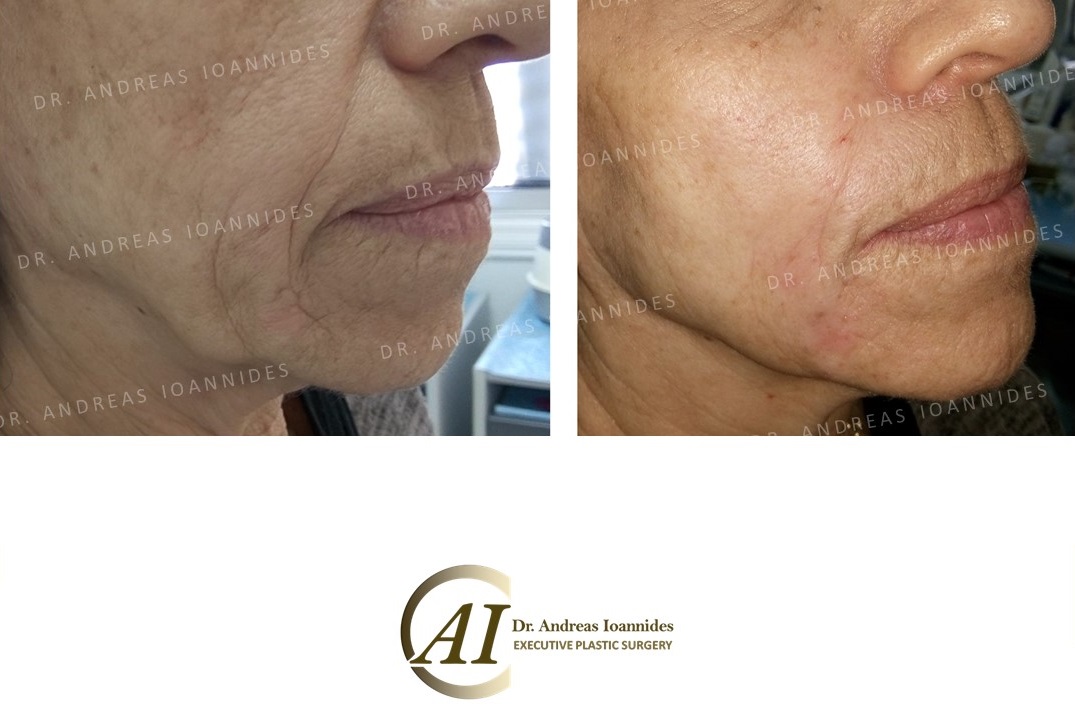
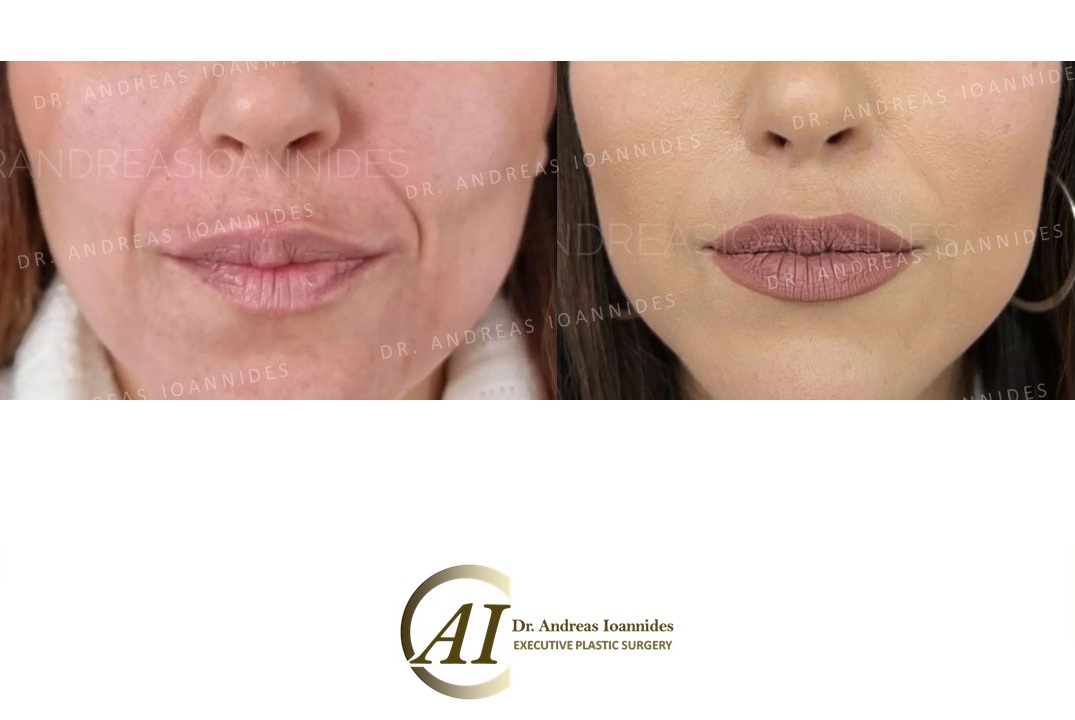
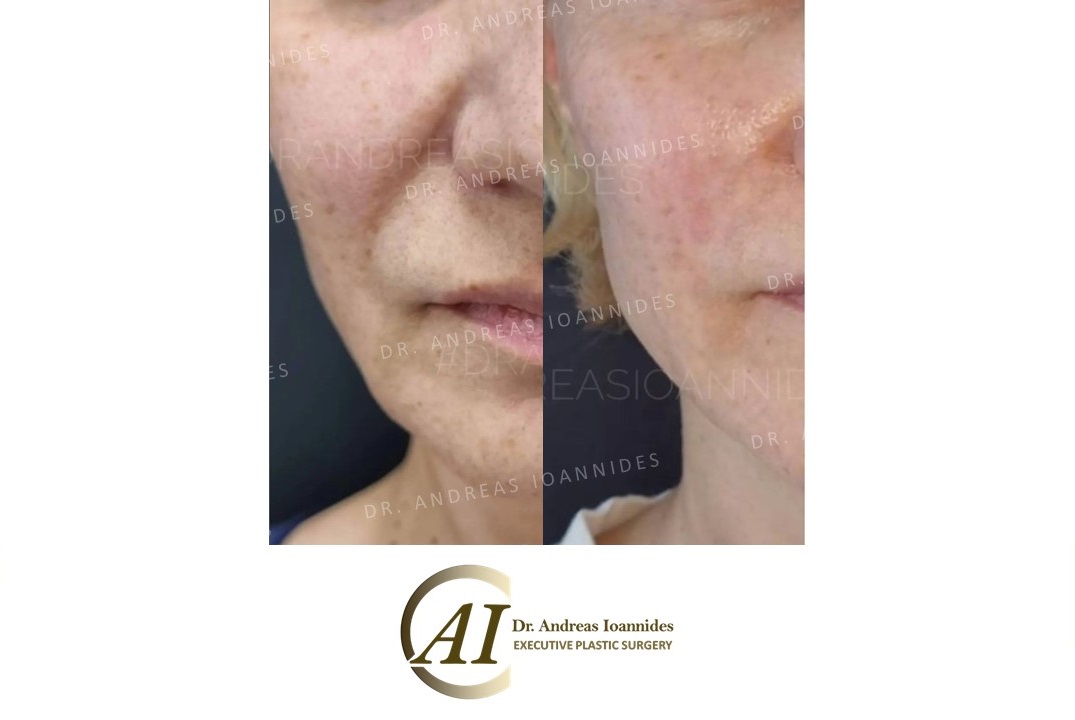
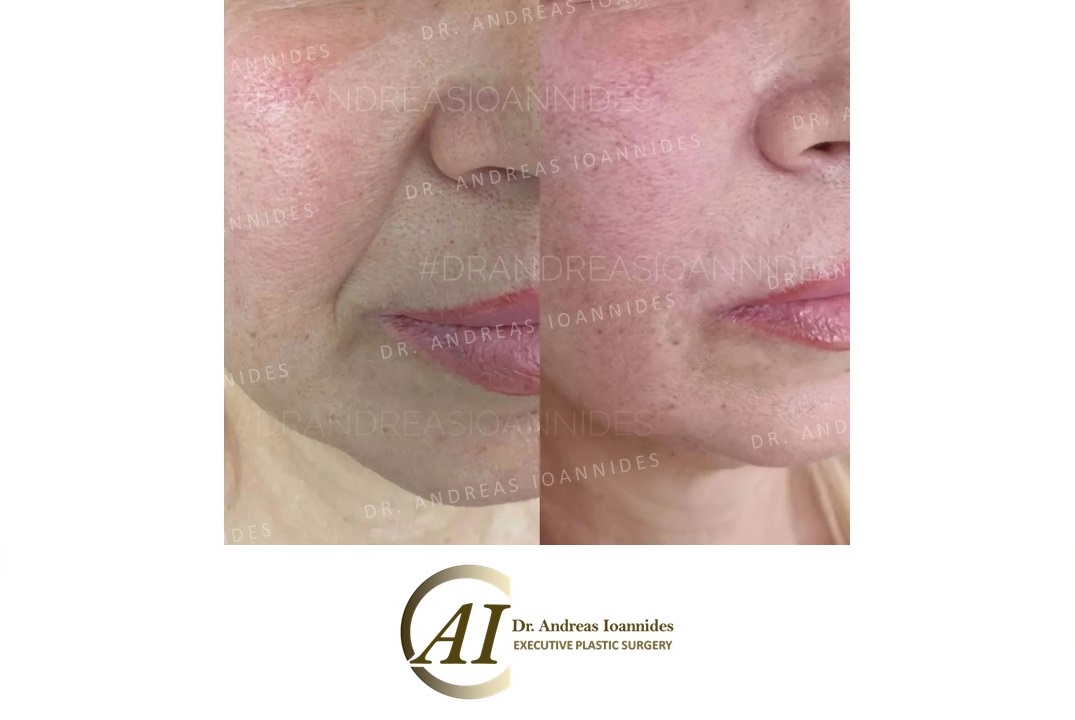
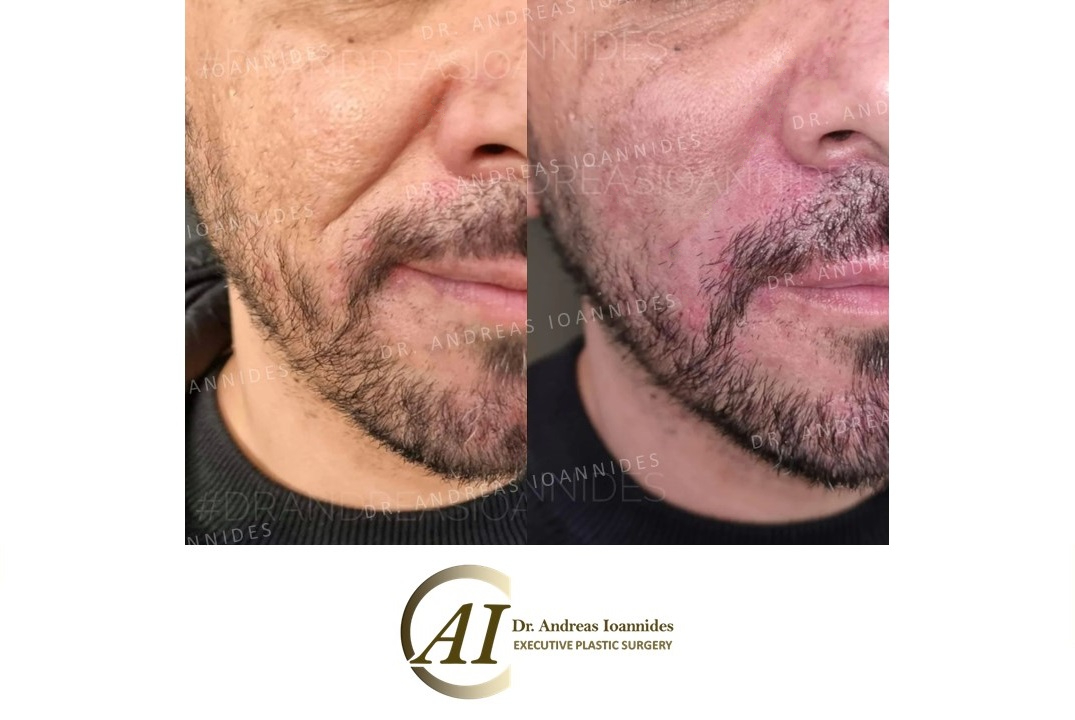
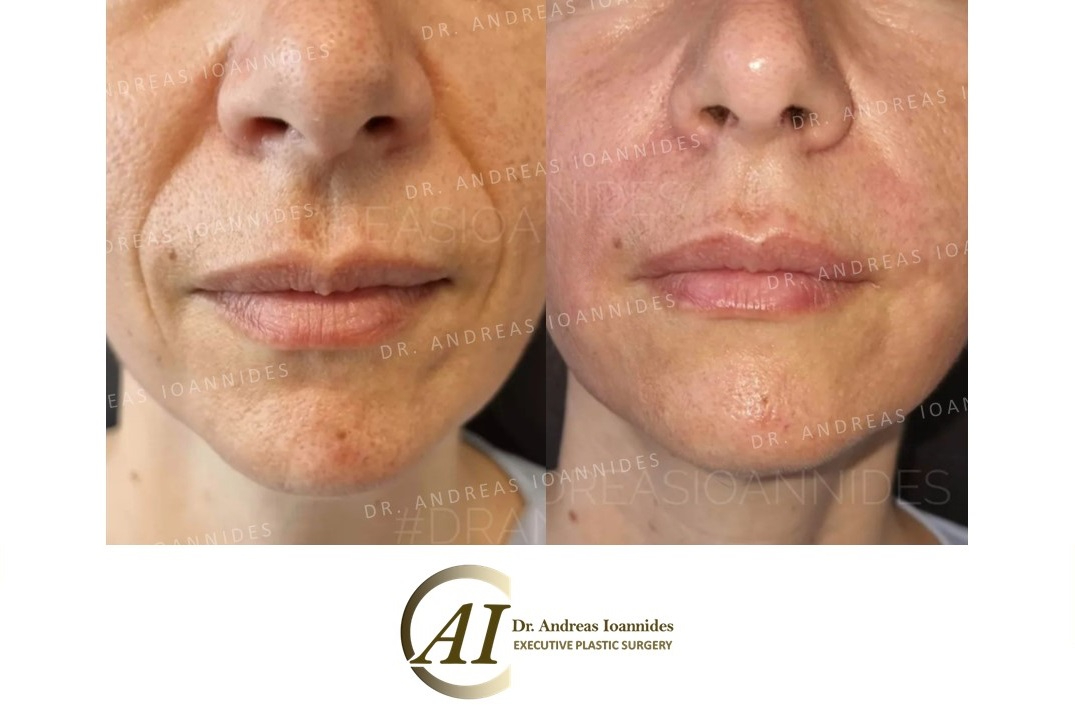
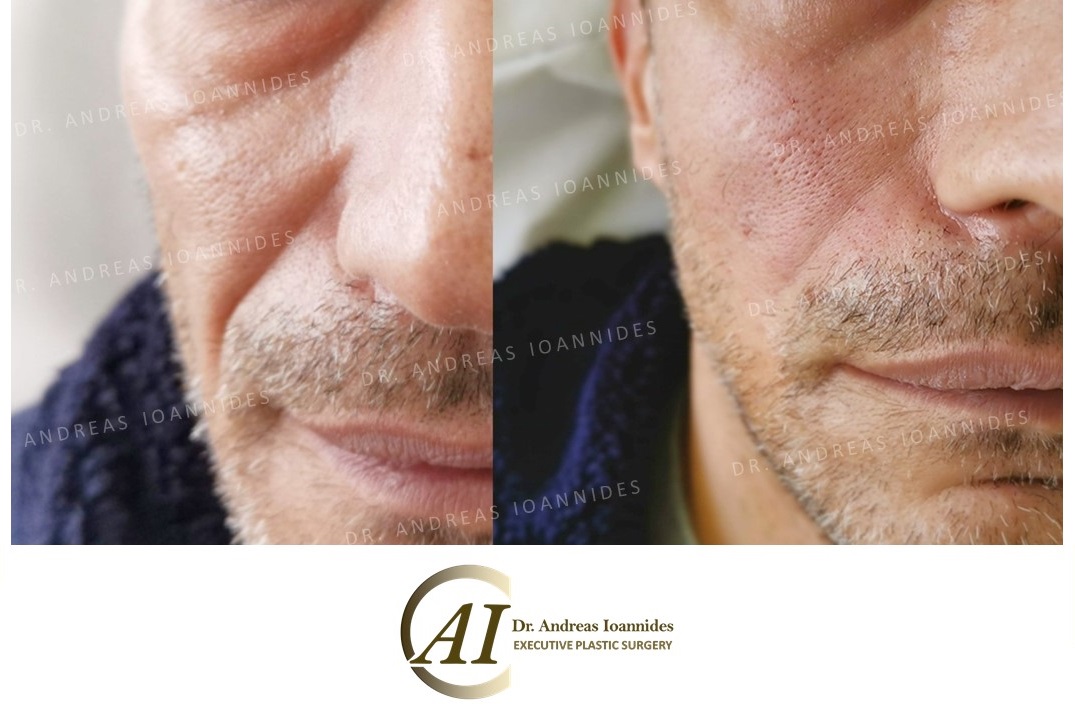
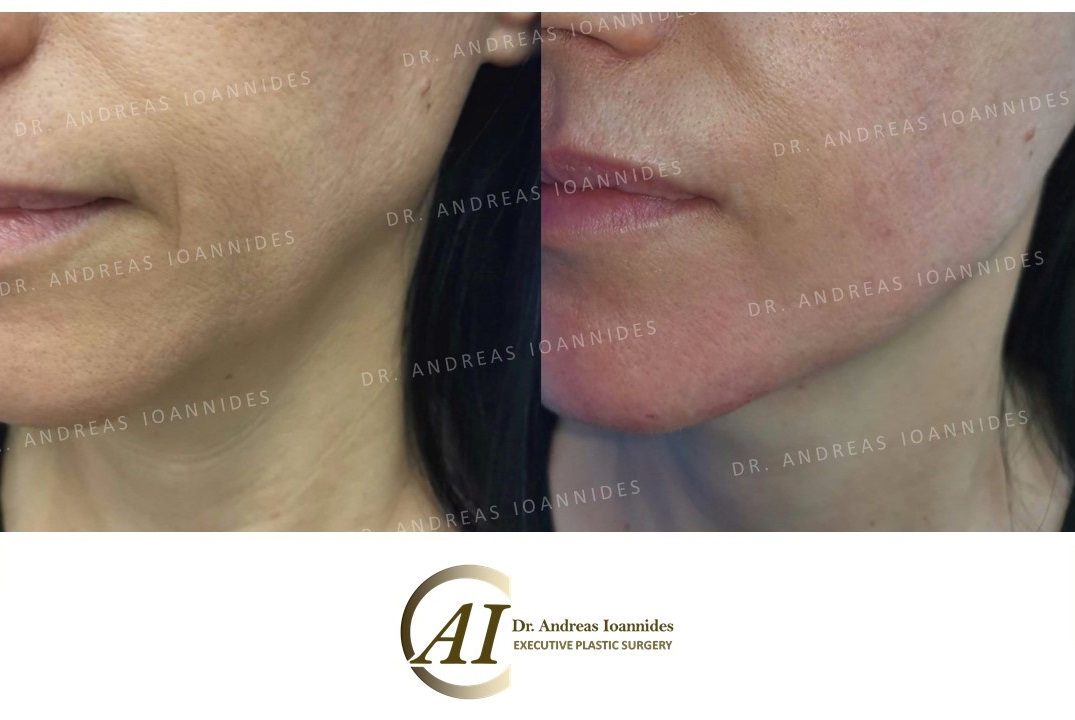
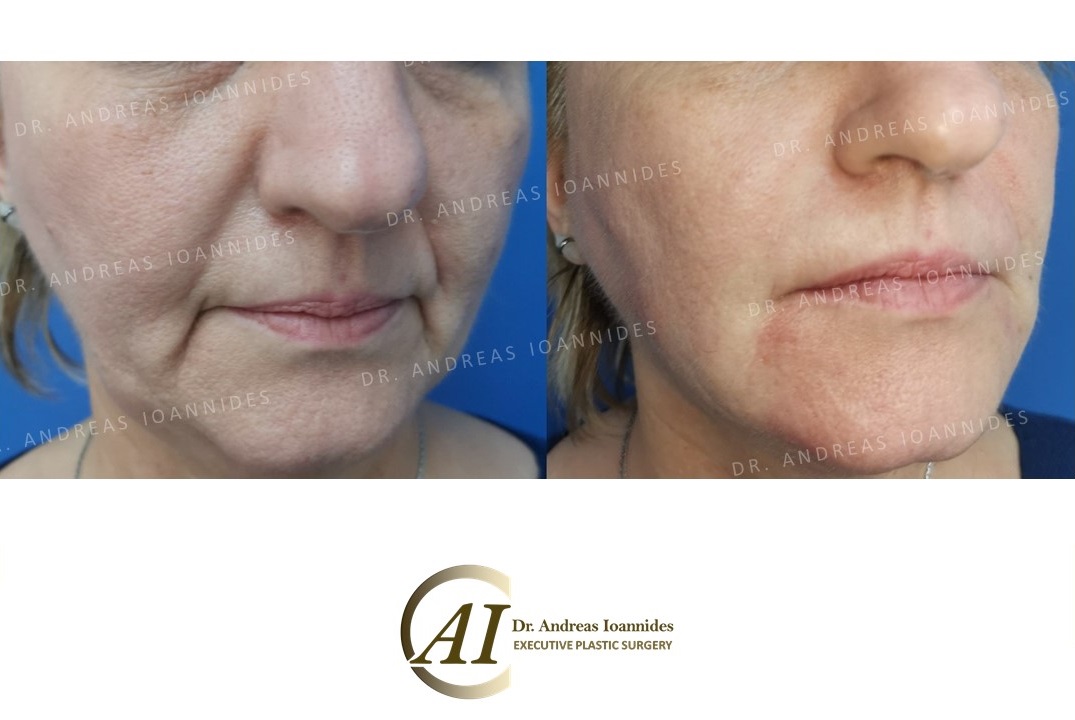
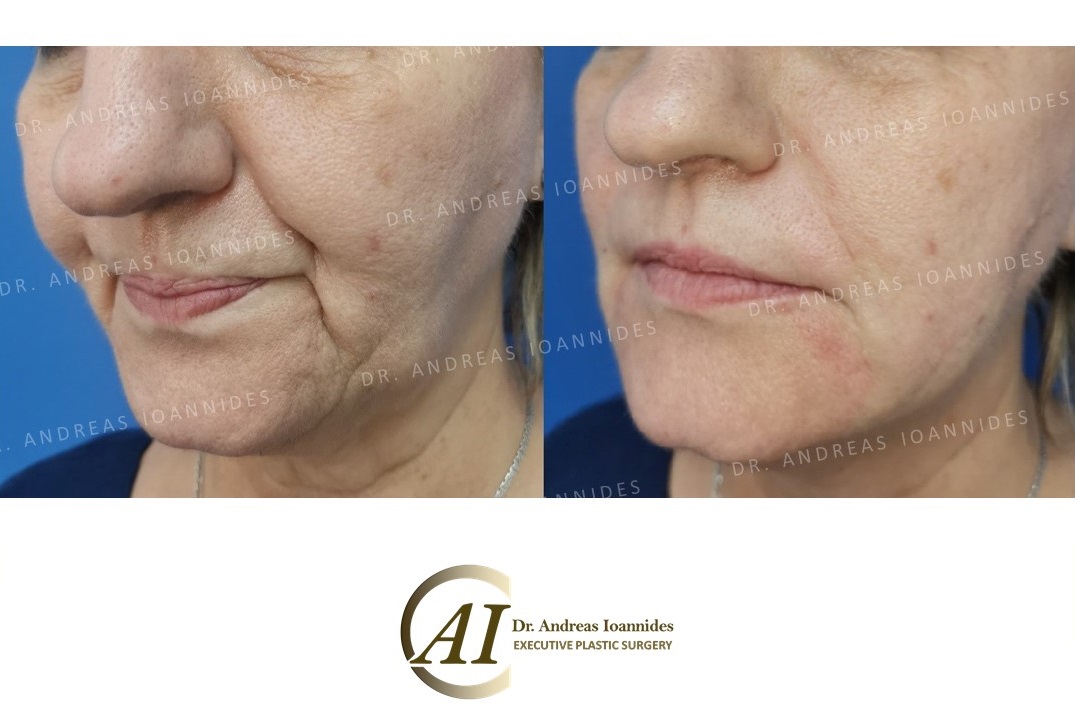
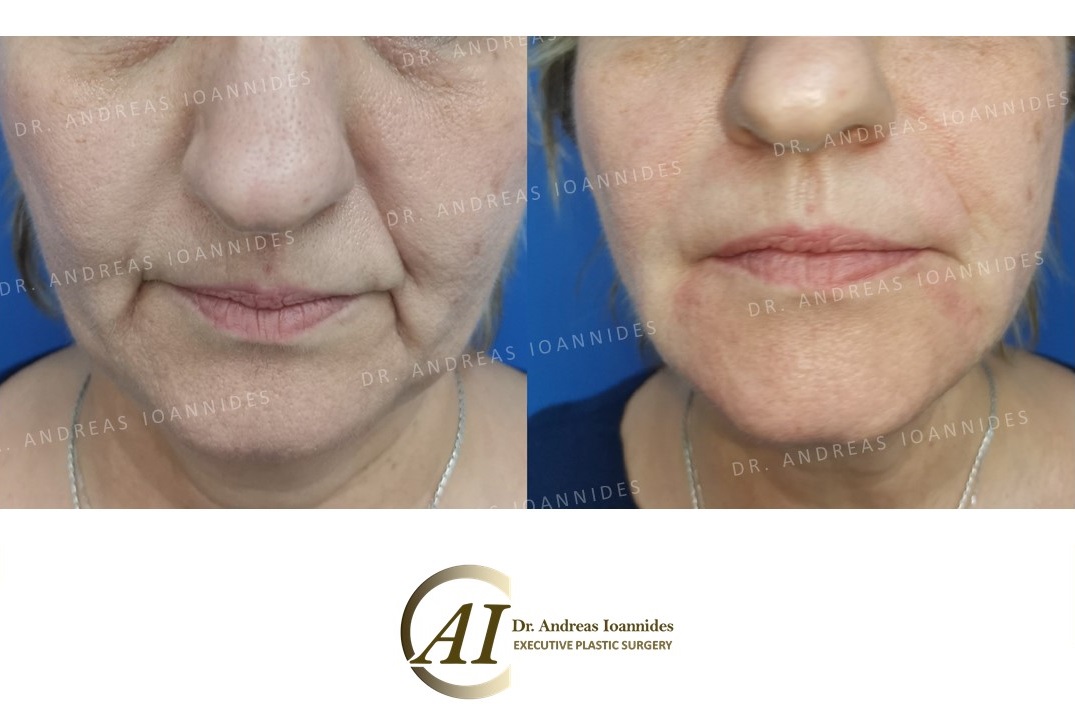
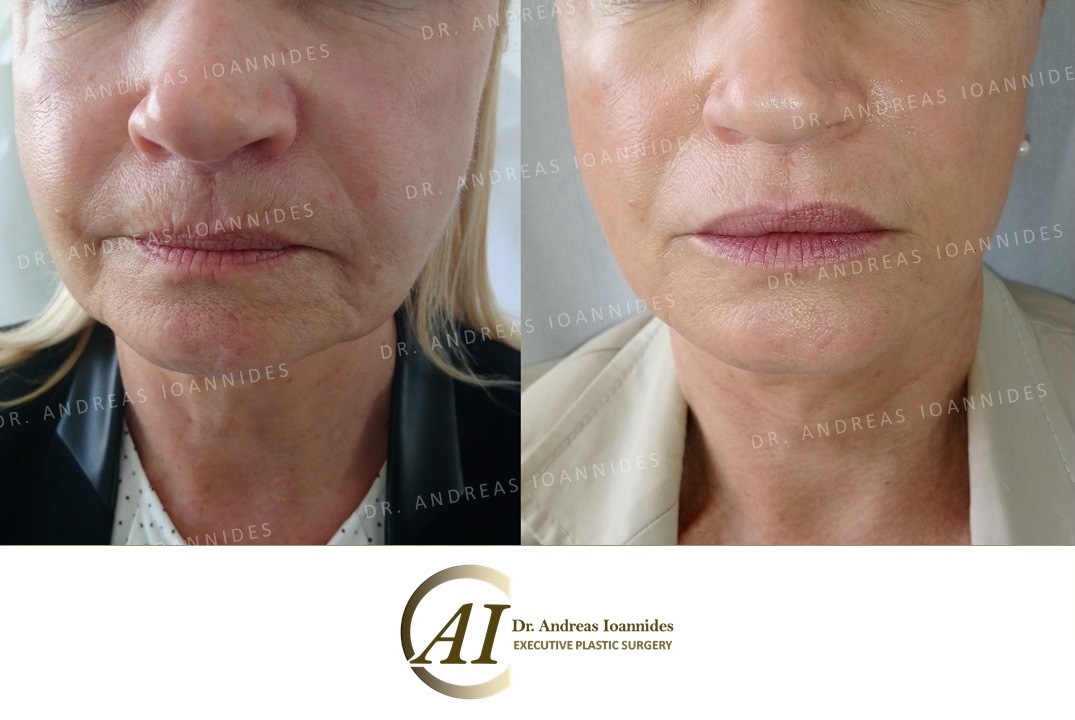
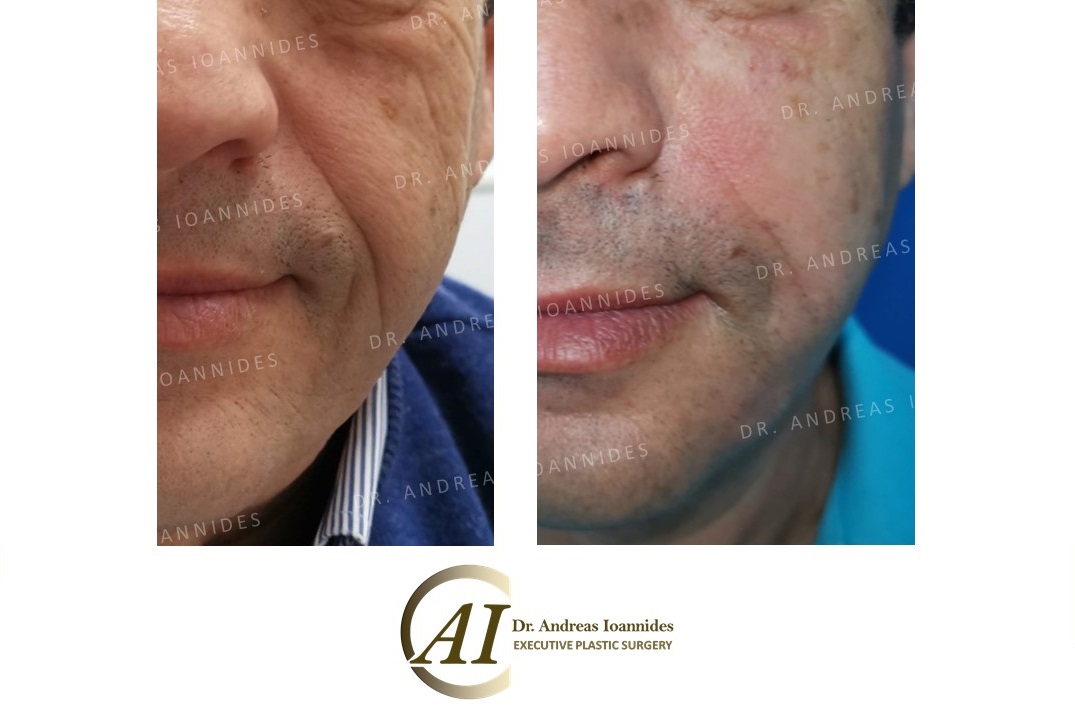
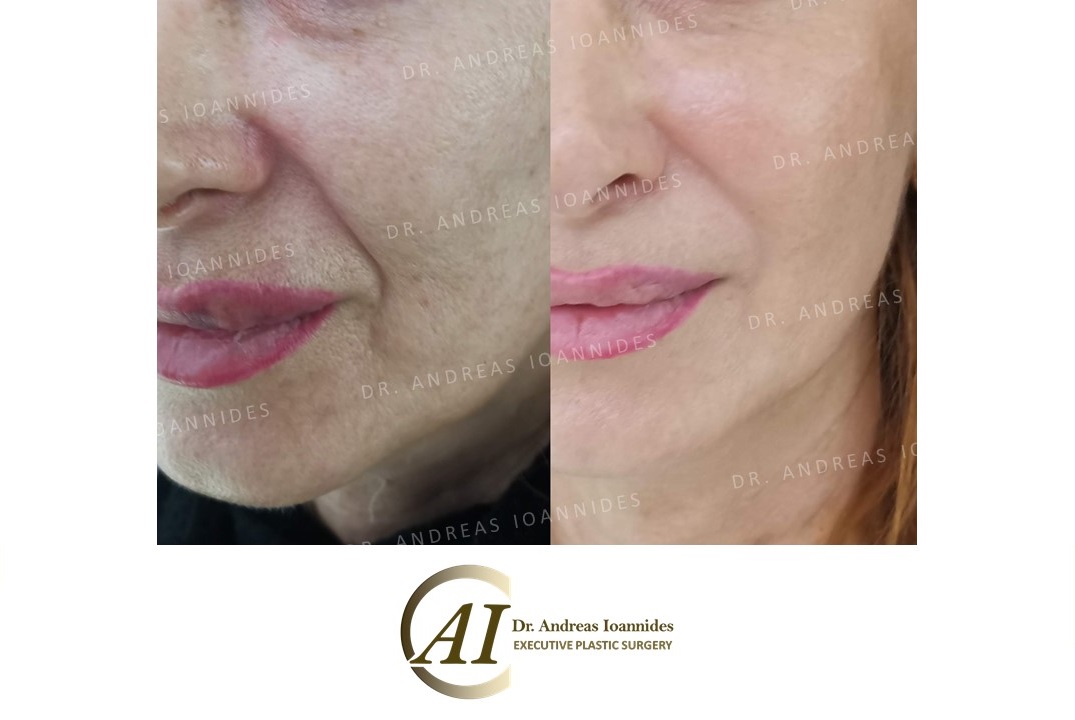
Instant Liquid Facial Contouring – Quick Fix Injectable Lift is a personalised, non-surgical facial rejuvenation approach designed to improve early to moderate signs of ageing through strategically selected injectable treatments.
The treatment focuses on three key age-related changes:
- loss of facial volume,
- gradual tissue descent and reduced natural support,
- deterioration in skin quality and texture.
Rather than simply “filling” wrinkles, the approach aims to restore facial balance in three dimensions by supporting selected anatomical points while also improving skin quality.
Depending on the patient’s needs, the treatment plan may include:
- hyaluronic acid,
- collagen biostimulators,
- polycaprolactone where indicated,
- Botox,
- skin-quality treatments,
- targeted facial contouring.
The goal is not an overfilled face. The goal is to restore support, proportion and freshness while preserving natural expression.
What happens to the face as we age?
Facial ageing is a complex, three-dimensional process.
It does not affect the skin alone.
Over time, three important changes occur.
1. Loss of facial volume
The facial fat compartments and soft tissues gradually change with age.
This may lead to:
- hollowing around the eyes,
- loss of cheek projection,
- temporal hollowing,
- reduced midface support,
- deeper folds,
- a less youthful facial contour.
The age at which these changes become visible varies significantly from person to person.
2. Loss of support and tissue laxity
The face is supported by ligaments and deeper anatomical structures.
As these tissues age, the face may gradually lose definition and begin to descend.
This may contribute to:
- flattening of the cheeks,
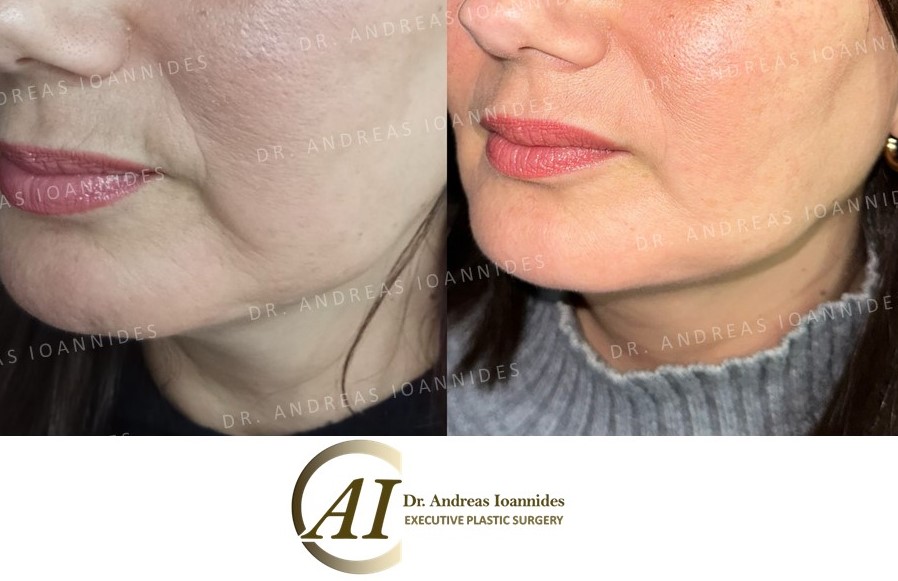
- deeper nasolabial folds,
- early jowls,
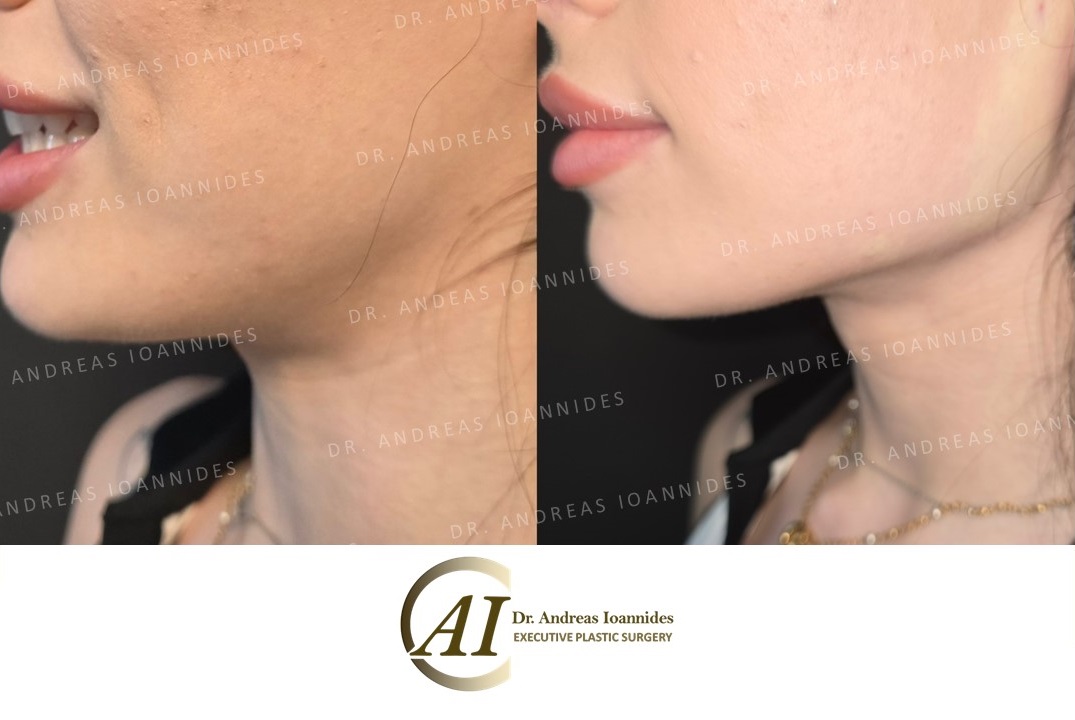
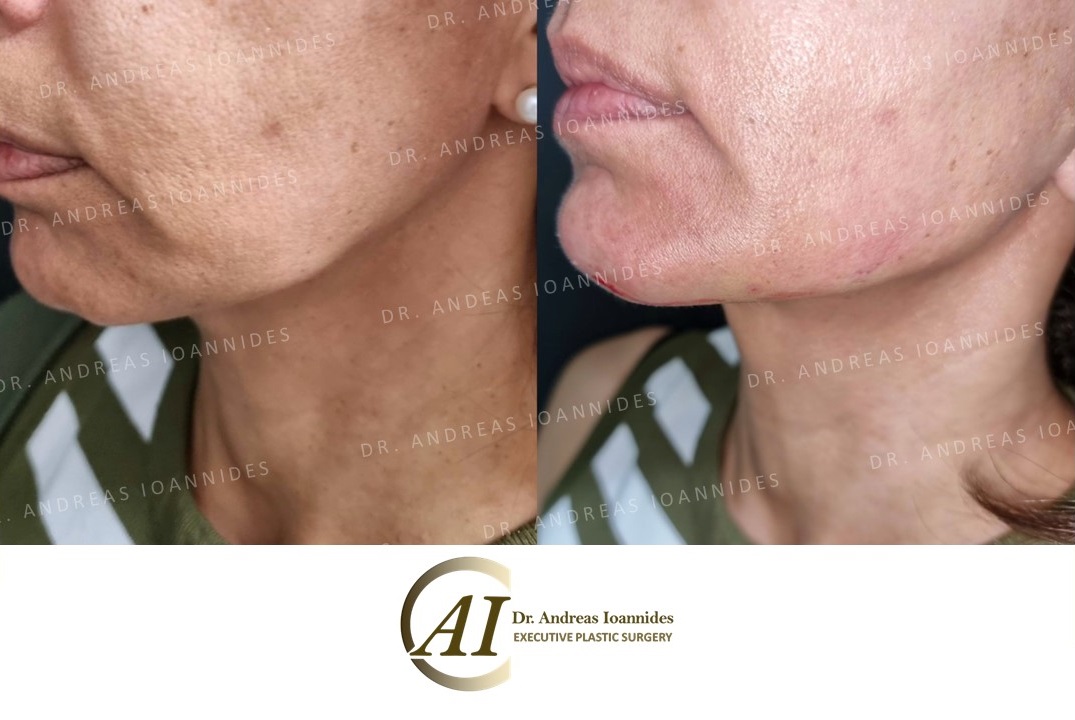
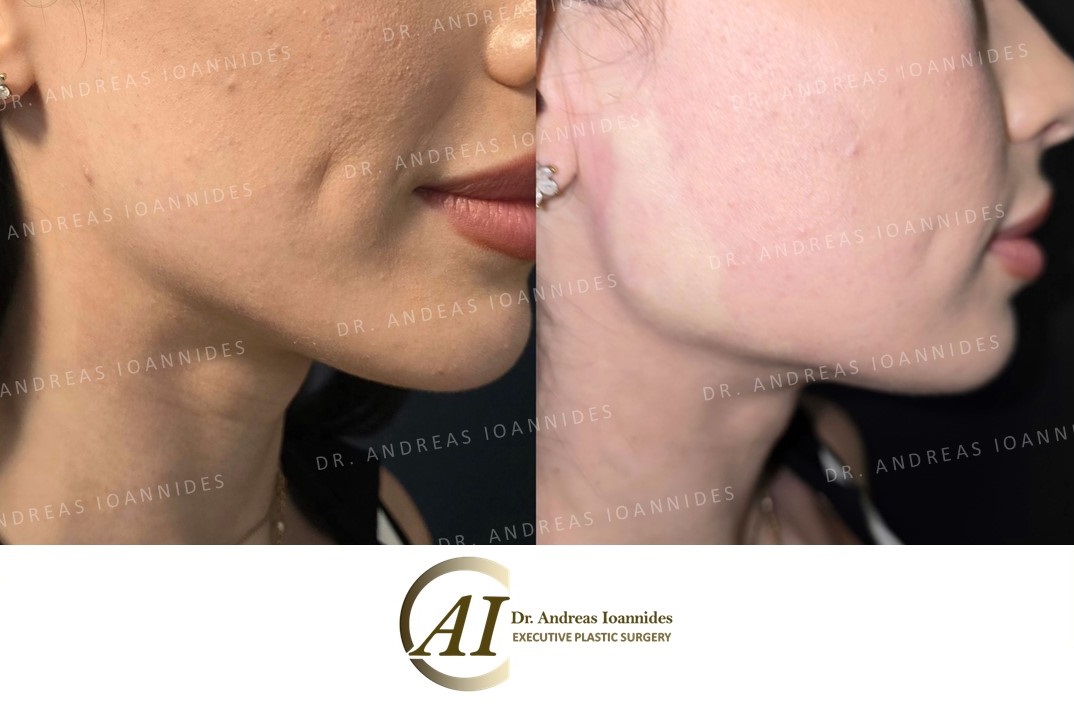
- reduced jawline definition,
- changes in the lower face.
Injectables cannot reproduce the effect of surgery when significant tissue descent is present. However, in appropriately selected patients, they may help restore support and improve contour.
3. Changes in skin quality
Ageing also affects the surface and structure of the skin.
Common changes include:
- dehydration,
- collagen loss,
- fine lines,
- uneven texture,
- photoageing,
- reduced luminosity,
- expression lines on the forehead and between the brows.
For this reason, a comprehensive injectable rejuvenation plan may need to address both volume and skin quality.
What is a Liquid Facelift?
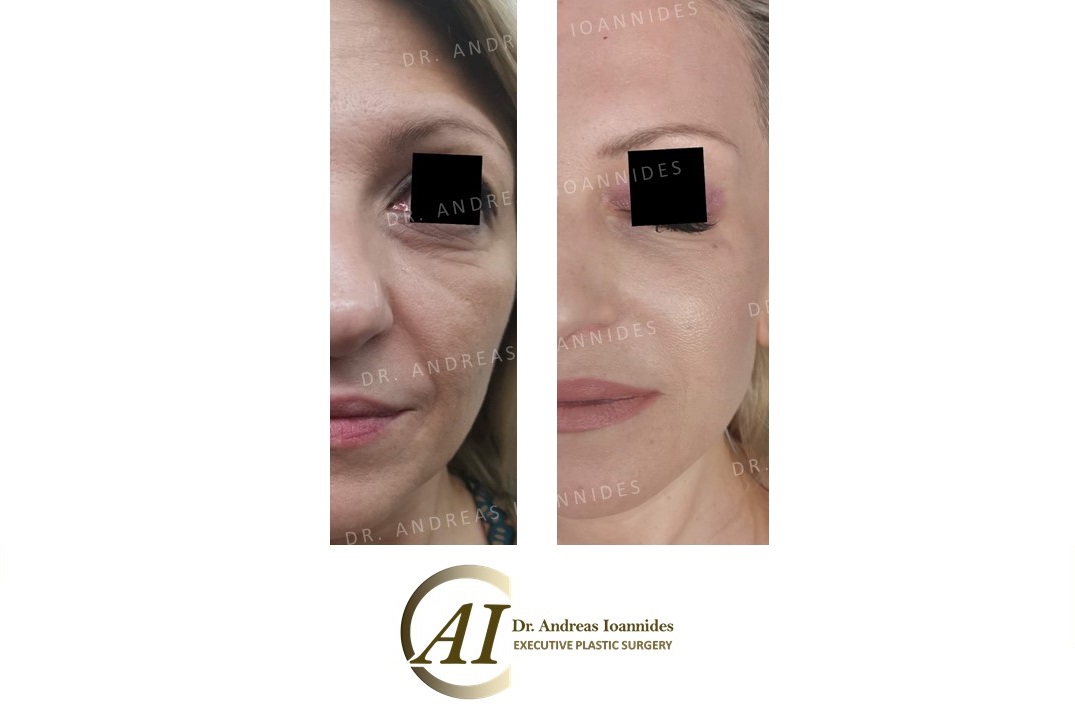
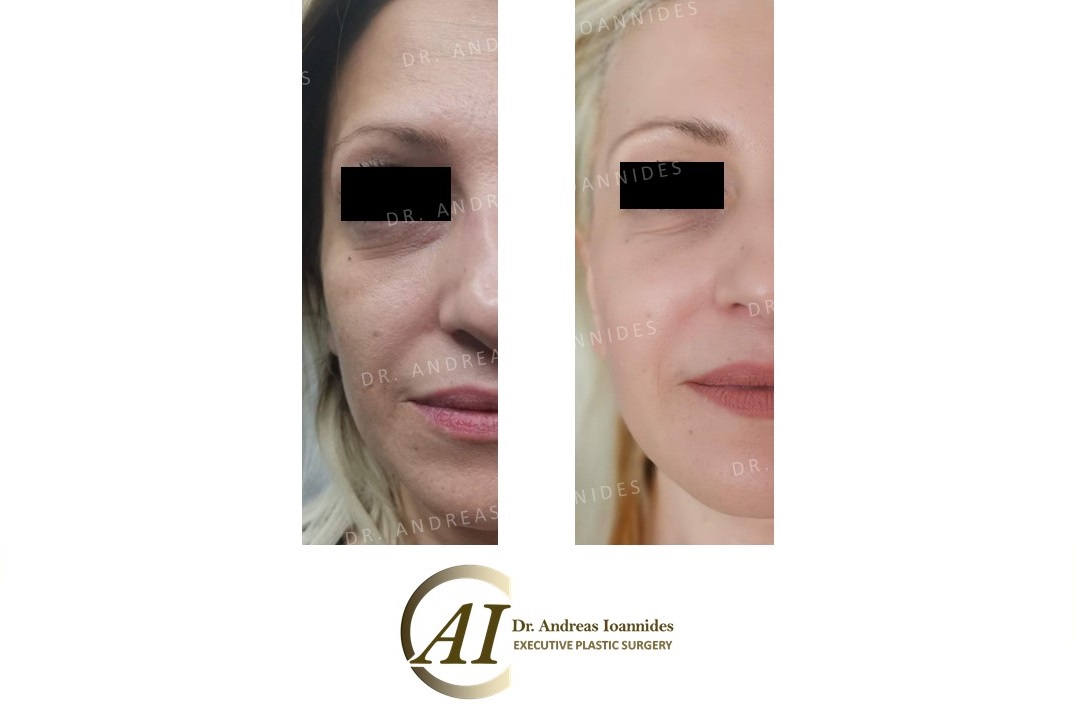
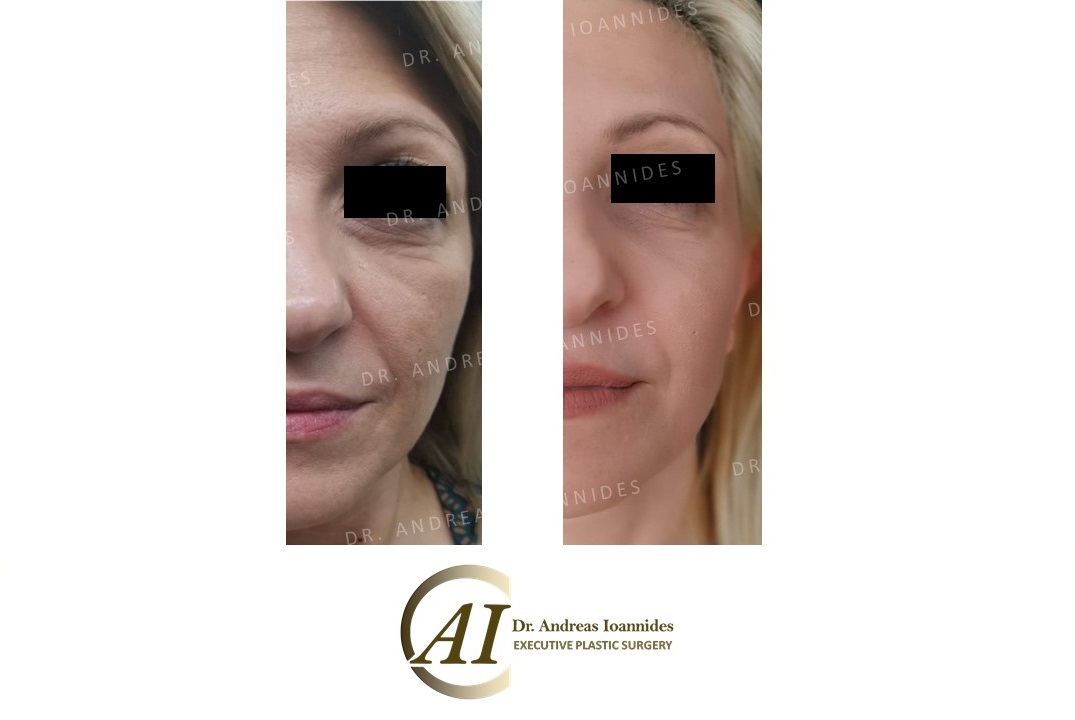
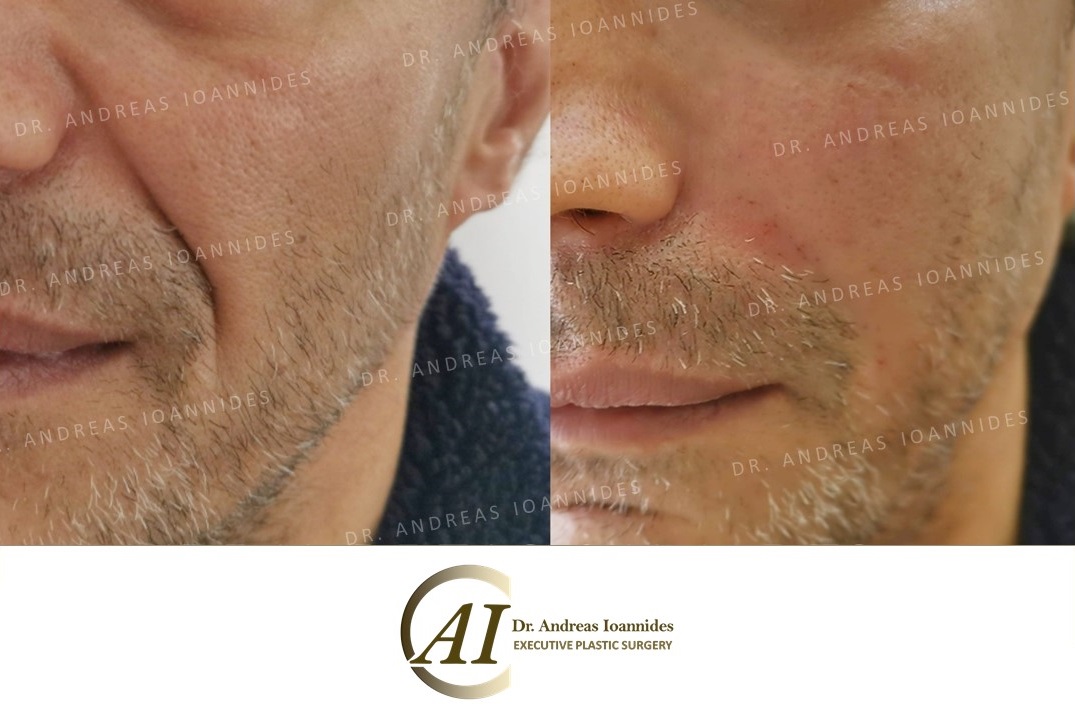
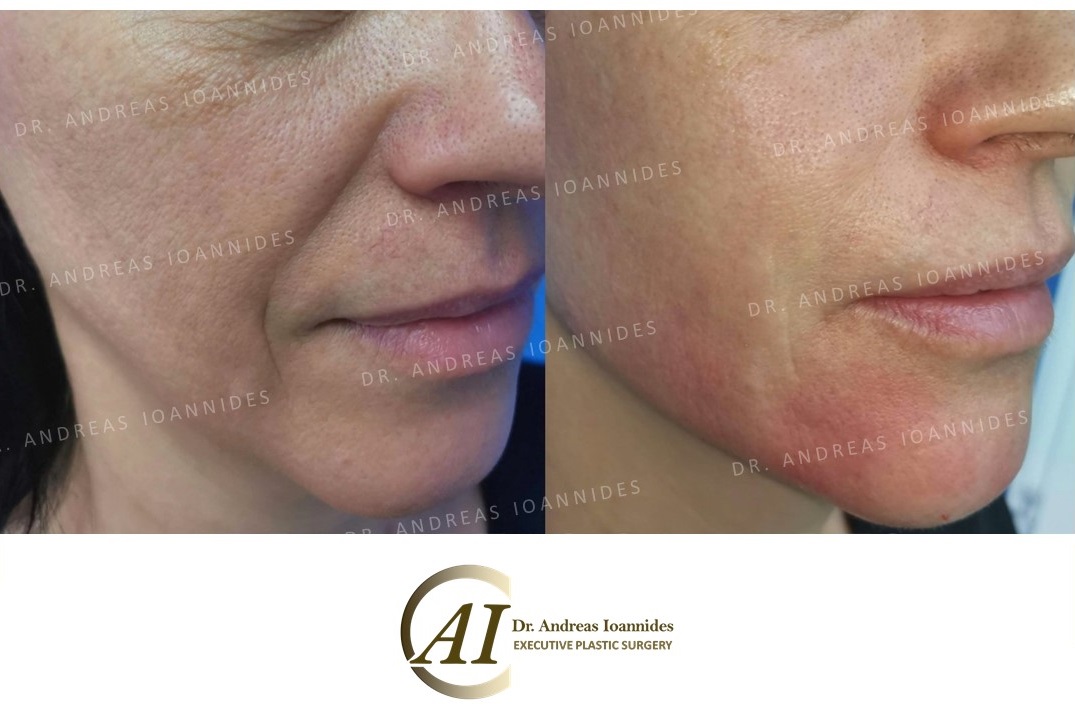
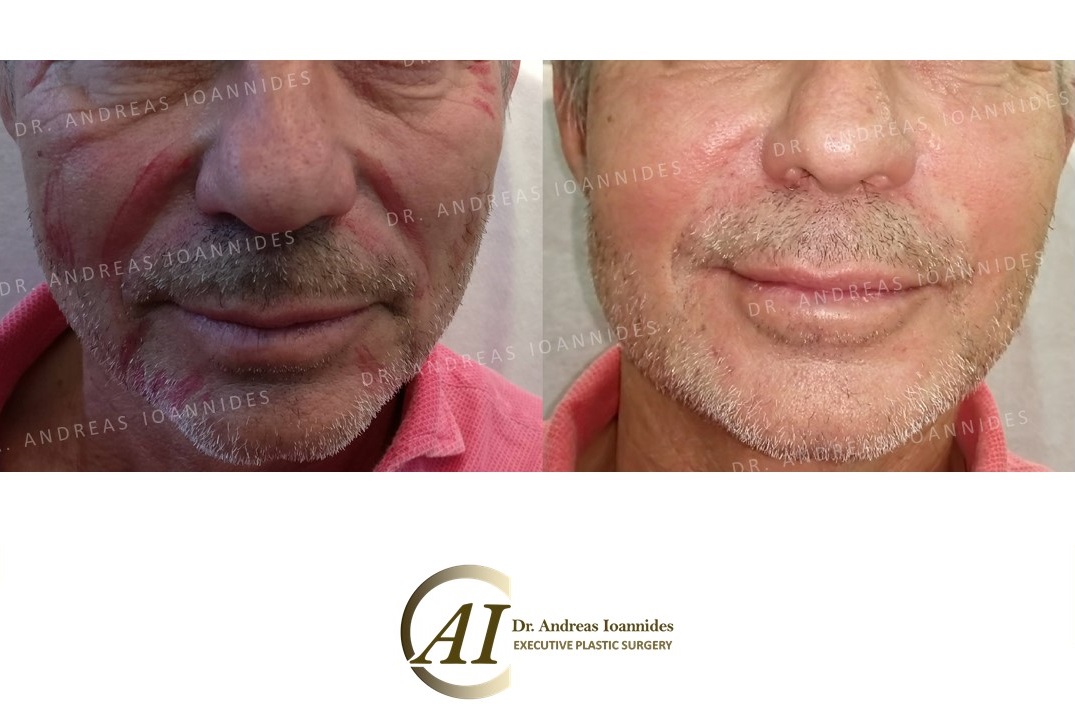
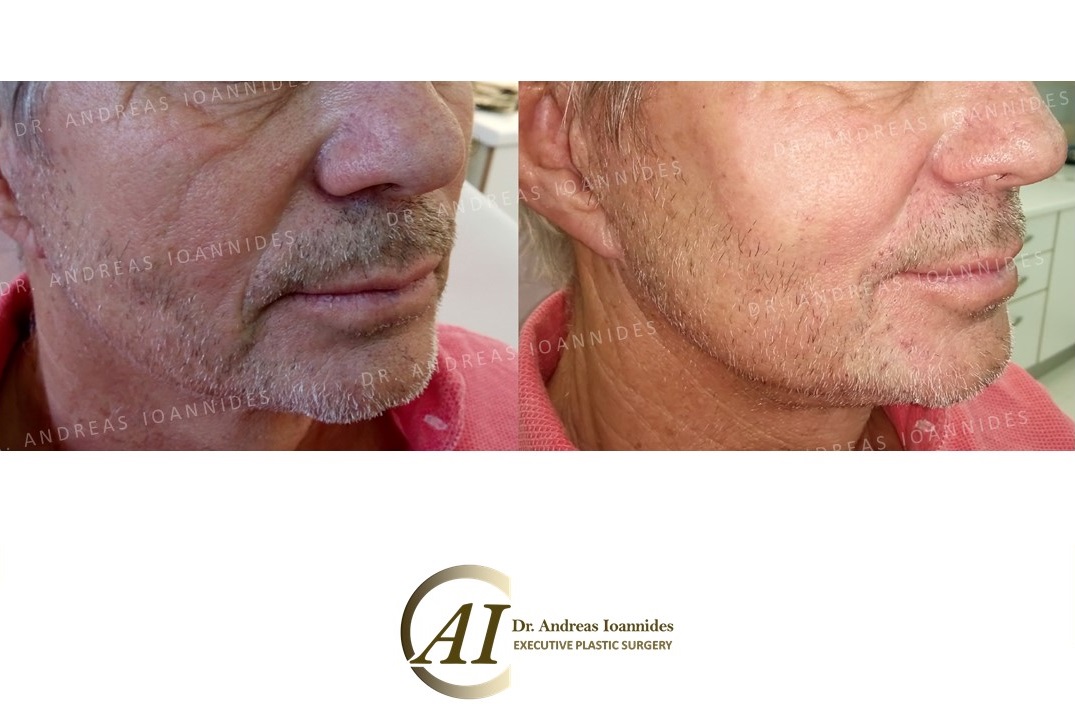
A Liquid Facelift is a non-surgical facial rejuvenation strategy that combines carefully selected injectable treatments to restore volume, support and balance.
Treatment may target areas such as:
- cheekbones,
- temples,
- midface,
- chin,
- jawline,
- brow-support areas,
- selected facial folds.
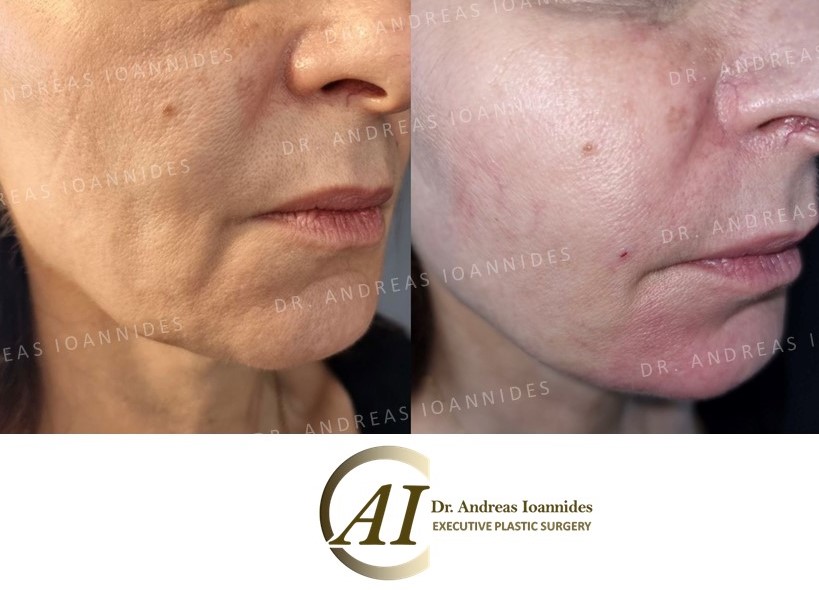
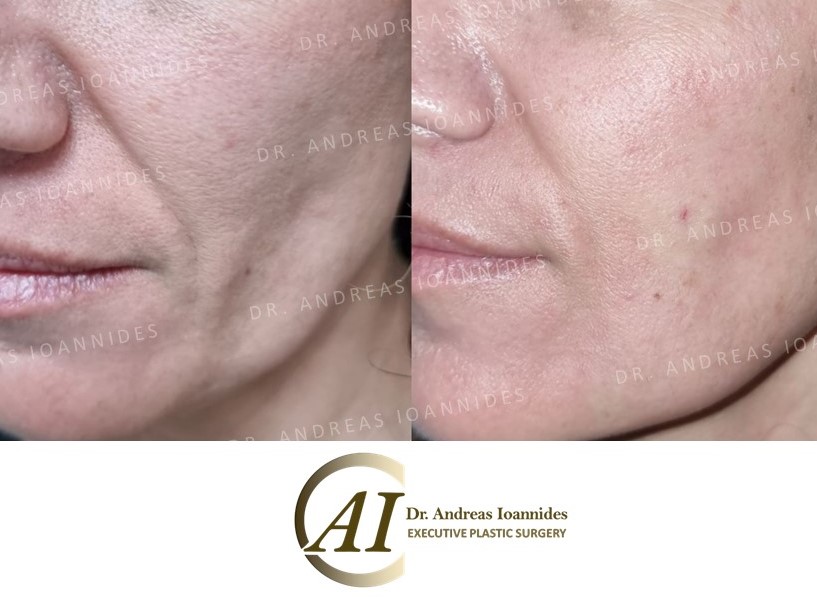
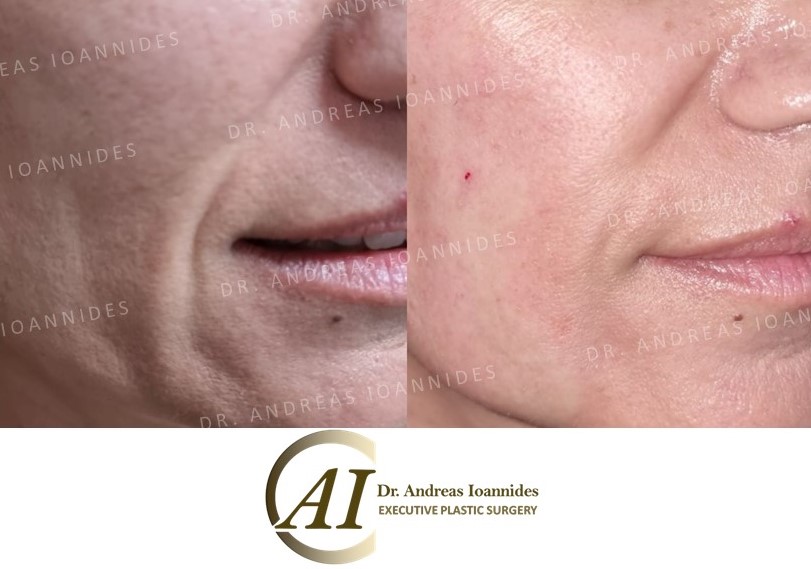
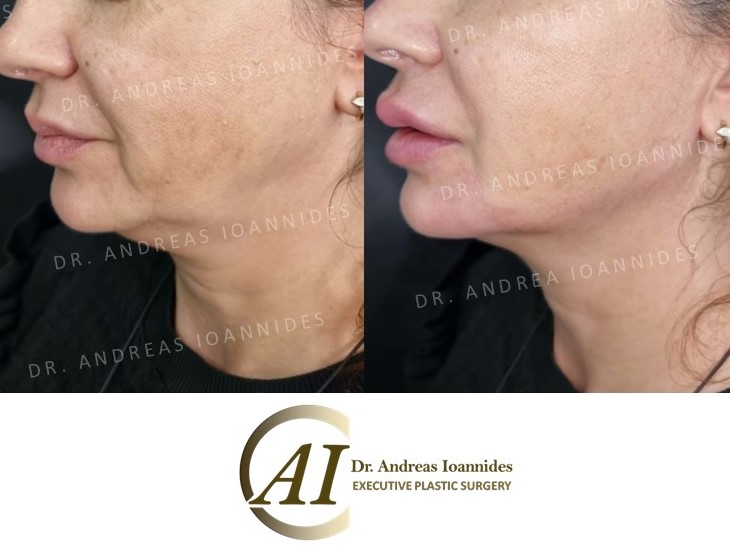
The aim is to improve the architecture of the face rather than simply inject every visible wrinkle.
How does the Quick Fix Injectable Lift work?
Small, carefully planned amounts of injectable material are placed at selected structural support points.
These may include:
- cheekbones,
- central face,
- temples,
- chin,
- jawline,
- other areas where volume or support has been lost.
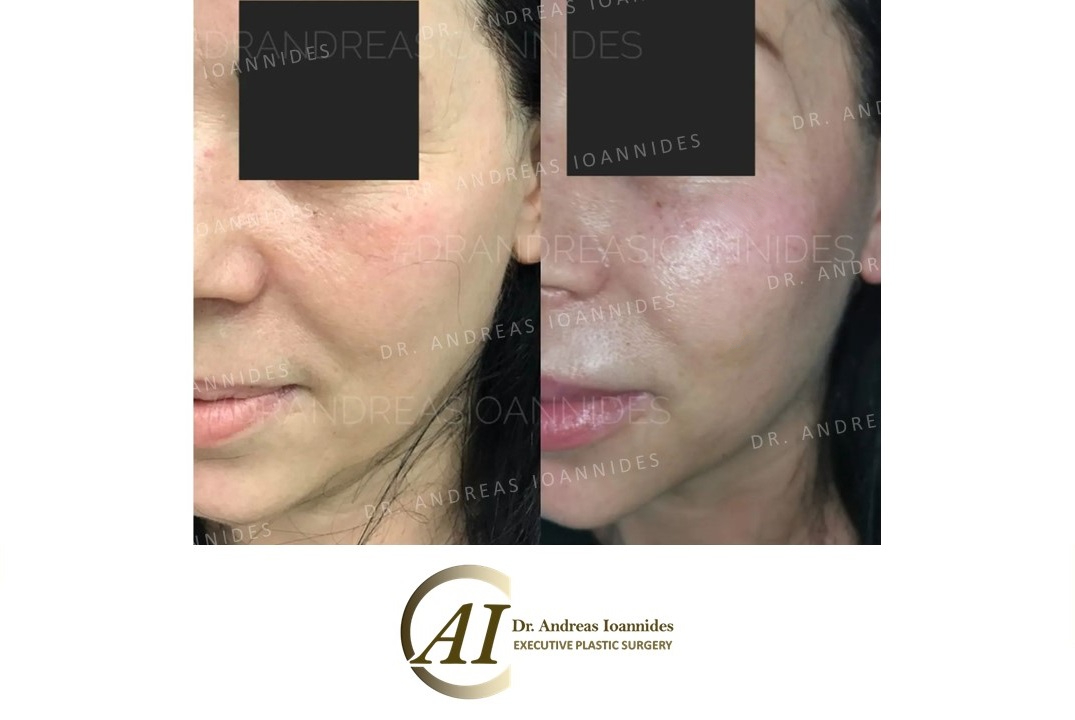
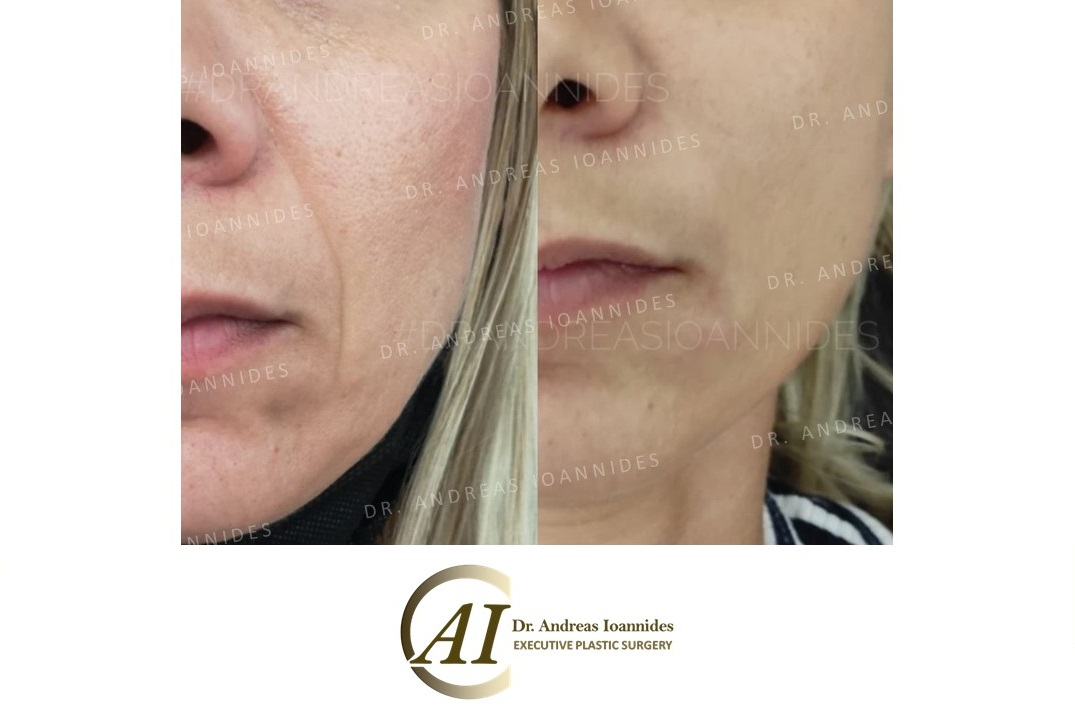
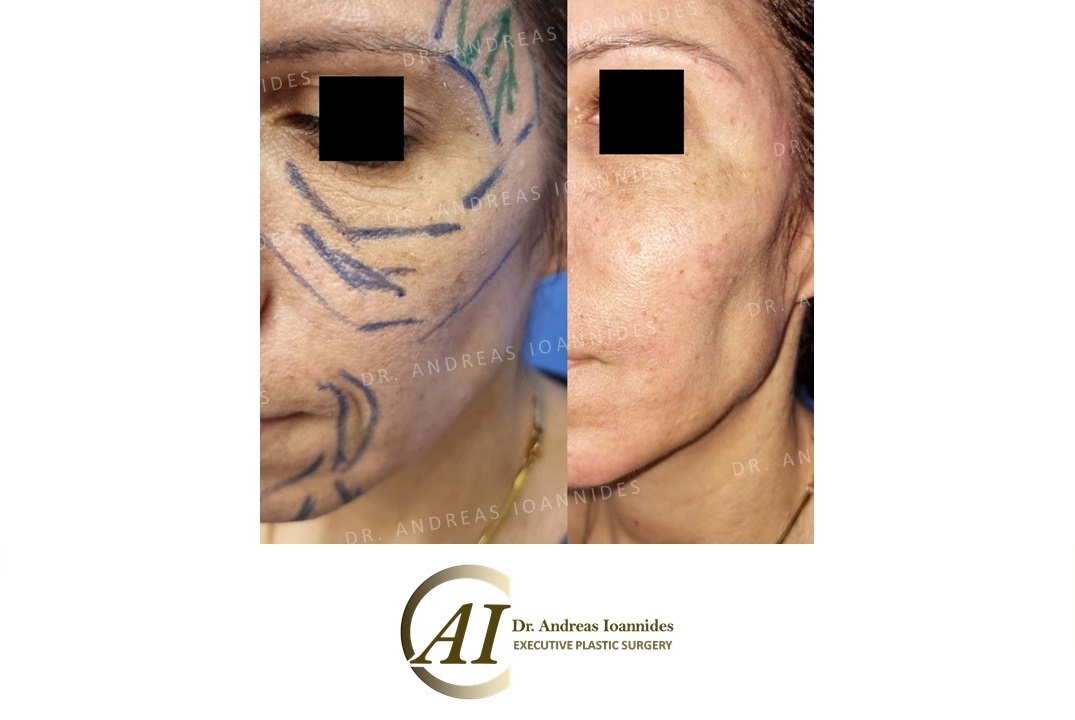
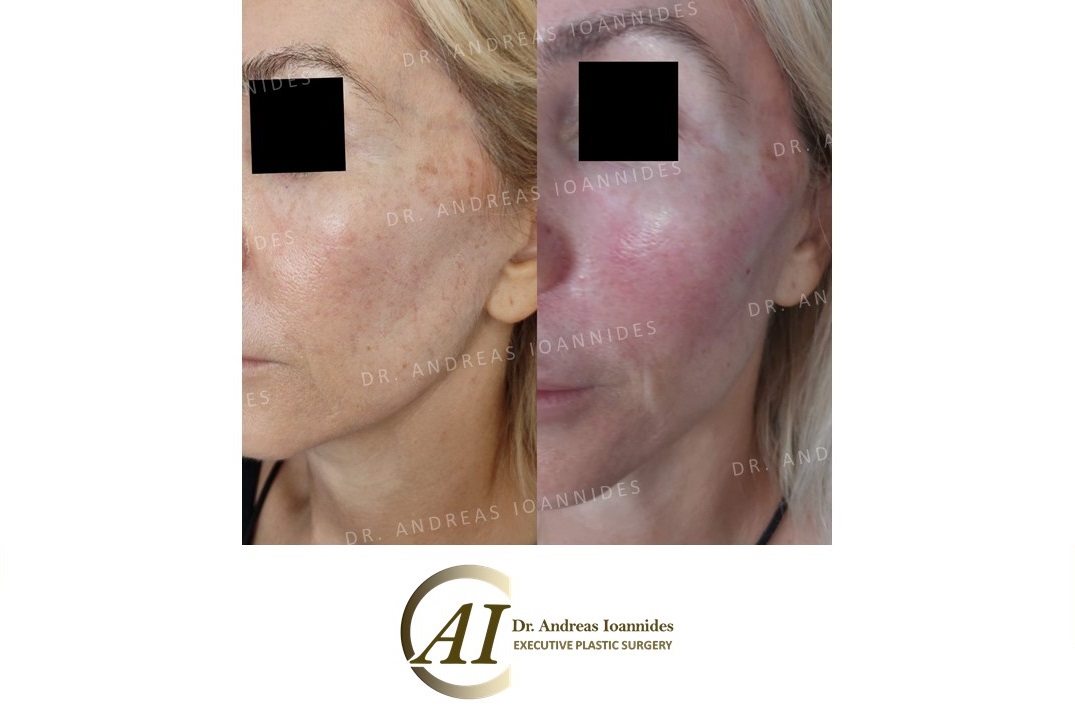
By restoring these areas, the face may appear:
- better defined,
- more balanced,
- less tired,
- subtly lifted,
- more youthful without looking overfilled.
The effect should be understood as visual restoration of support and contour, not as true surgical repositioning of tissues.
Hyaluronic acid in Liquid Facial Contouring
Hyaluronic acid fillers may be used when immediate and precise volume restoration is required.
They may help:
- restore cheek projection,
- support the midface,
- improve chin projection,
- define the jawline,
- soften selected folds,
- improve symmetry.
The choice of filler depends on the area and the depth of treatment.
Polycaprolactone in facial rejuvenation
Polycaprolactone (PCL) is used in selected biostimulatory injectable products.
Unlike a conventional filler that mainly adds volume, PCL-based products may also gradually stimulate collagen production.
Depending on the formulation and indication, treatment may provide:
- structural support,
- gradual collagen stimulation,
- improvement in tissue quality,
- longer-lasting correction than some temporary fillers.
Polycaprolactone is not suitable for every patient or every facial area.
Correct product selection and precise anatomical placement are essential.
Why is polycaprolactone considered a biostimulator?
Biostimulators work by encouraging the tissues to produce new collagen naturally.
In PCL-based products, the initial carrier gel may provide immediate correction, while the biostimulatory component contributes to a more gradual tissue response.
This means treatment may combine:
- immediate visual improvement,
- progressive collagen support,
- longer-term tissue remodelling.
The exact duration depends on the product, treatment area and individual response.
Botox as part of a Liquid Facelift
Botox may be added when dynamic muscle activity contributes to:
- forehead lines,
- frown lines,
- selected wrinkles around the eyes,
- other expression-related concerns.
Botox and fillers have different roles.
Fillers restore or reshape volume.
Botox temporarily reduces the activity of selected muscles.
When used appropriately together, they may create a more comprehensive non-surgical facial rejuvenation plan.
Skin-quality treatments
Volume restoration alone does not correct every sign of ageing.
Depending on the patient, treatments may also be added to target:
- hydration,
- texture,
- luminosity,
- fine lines,
- pigmentation,
- collagen quality.
These may include:
- skin boosters,
- biostimulatory treatments,
- medical peels,
- selected laser or light-based treatments,
- personalised skincare.
Which areas can be treated?
Depending on the anatomy, Instant Liquid Facial Contouring may be used in:
- temples,
- cheekbones,
- midface,
- nasolabial region,
- chin,
- jawline,
- lips,
- selected areas around the brows,
- other areas affected by volume loss.
The treatment plan is different for every face.
Who is a suitable candidate?
The treatment may be suitable for women and men who:
- have early to moderate volume loss,
- notice reduced facial projection or contour,
- have mild laxity,
- want a more rested appearance without surgery,
- prefer limited downtime,
- want a subtle and natural-looking result,
- have realistic expectations.
It may be particularly useful before ageing progresses to the point where surgical lifting is required.
Age alone is not the main criterion.
Anatomy and tissue quality are more important.
Can it replace a facelift?
Not in every case.
A Liquid Facelift may improve:
- volume loss,
- contour,
- early laxity,
- overall balance.
However, it cannot remove significant excess skin or truly reposition tissues that have significantly descended.
When there is:
- advanced jowling,
- significant neck laxity,
- major excess skin,
- extensive tissue descent,
a surgical facelift such as T.T.A. LIFT or another surgical technique may be more appropriate.
Liquid Facelift or simply fillers?
A true Liquid Facelift does not simply mean “more filler”.
The difference lies in the planning.
A comprehensive approach evaluates:
- where volume has been lost,
- where support is needed,
- where volume should not be added,
- which areas may benefit from Botox,
- whether skin quality also needs treatment.
For this reason, treatment should be based on facial analysis rather than the number of syringes used.
Why choose Dr Andreas Ioannides?
Injectable facial treatment requires far more than product knowledge.
It requires a detailed understanding of:
- anatomy,
- fat compartments,
- retaining ligaments,
- vascular anatomy,
- skeletal support,
- muscle movement,
- facial proportions.
Dr Andreas Ioannides, Plastic, Aesthetic & Reconstructive Surgeon, approaches facial contouring as a three-dimensional anatomical treatment rather than a series of isolated injections.
Each treatment plan is designed according to:
- the natural shape of the face,
- the degree of volume loss,
- tissue laxity,
- skin quality,
- facial movement,
- the desired result.
The goal is not to make the face fuller. The goal is to restore what has been lost in the right places.
What does the treatment feel like?
The experience depends on the products and areas treated.
Depending on the plan, treatment may involve:
- topical anaesthetic cream,
- products containing local anaesthetic,
- fine needles,
- cannulas.
Patients may temporarily feel pressure, a slight sting or tenderness.
The aim is to make treatment as comfortable as possible.
How long does the treatment take?
Treatment time depends on the number of areas and the combination of procedures.
A limited treatment may take around 30 minutes, while a more comprehensive full-face contouring plan may require more time.
When will I see the results?
This depends on the treatment used.
Hyaluronic Acid
Results are visible immediately, although initial swelling may temporarily affect the final appearance.
Polycaprolactone / Biostimulation
An initial change may be visible early, while further improvement develops gradually as collagen production is stimulated.
Botox
The result develops progressively over the days following treatment.
How long do the results last?
There is no single duration that applies to everyone.
It depends on:
- the material used,
- the treatment area,
- metabolism,
- the amount injected,
- tissue movement,
- individual response.
Hyaluronic acid is temporary.
PCL-based products may provide longer-lasting effects because of their biostimulatory action.
It is not appropriate to promise a fixed duration, such as 1–4 years, for every patient without knowing the specific product and individual case.
Is there downtime?
Downtime is usually limited.
Temporary effects may include:
- swelling,
- redness,
- bruising,
- tenderness,
- mild asymmetry due to swelling.
Many patients return quickly to their normal daily activities.
However, social downtime depends on the number of areas treated and the individual response.
What should I avoid after treatment?
Patients should always follow the personalised instructions provided by the doctor.
Temporary avoidance may be recommended for:
- strenuous exercise,
- very hot baths,
- sauna,
- steam rooms,
- excessive heat,
- strong massage of the treated areas,
- prolonged sun or UV exposure.
Daily sun protection and proper hydration are particularly important.
Is the treatment safe?
Facial injectables are medical treatments and are not risk-free.
Potential adverse effects may include:
- swelling,
- bruising,
- asymmetry,
- nodules,
- inflammation,
- infection,
- unwanted product distribution,
- vascular complications.
Vascular complications are rare but can be serious.
For this reason, treatment should be performed by a doctor with detailed anatomical knowledge and experience in managing potential complications.
How much does Instant Liquid Facial Contouring cost?
The cost varies according to the personalised treatment plan.
The final price depends on:
- the number of treatment areas,
- the products used,
- the amount required,
- whether hyaluronic acid or a biostimulator is used,
- whether Botox is included,
- whether skin-quality treatments are combined,
- whether a full-face approach is required.
For this reason, the exact price is determined after a personal consultation.
Natural rejuvenation without overfilling
Instant Liquid Facial Contouring by Dr Andreas Ioannides
The best injectable result should not look like “a lot of filler”.
It should look like:
- better support,
- restored proportions,
- a more defined contour,
- refreshed skin quality,
- preserved natural expression.
A more rested and youthful version of your own face — not a different face.
Would you like to know if a Liquid Facelift is right for you?
During your personal consultation, Dr Andreas Ioannides will assess:
- facial volume loss,
- cheek support,
- temples,
- midface,
- chin,
- jawline,
- laxity,
- expression lines,
- skin quality,
- your desired result.
The most appropriate approach can then be designed, which may include hyaluronic acid, polycaprolactone, collagen biostimulators, Botox, skin rejuvenation treatments or a combination of techniques.
Frequently Asked Questions About Liquid Facial Contouring
It is a non-surgical rejuvenation approach that strategically combines injectable treatments to restore facial volume, contour and balance.
It may create a visual lifting effect by restoring support and volume in selected areas. However, it does not reposition tissues in the same way as a surgical facelift.
There is no specific age limit. It may be suitable when early or moderate volume loss and laxity begin to appear.
Common areas include the cheekbones, temples, midface, chin, jawline and selected facial folds.
Polycaprolactone is a biocompatible material used in certain biostimulatory injectables to support tissues and stimulate collagen production.
No. Hyaluronic acid is used mainly for volume and contouring, while PCL-based products also have a biostimulatory effect on collagen production.
Yes. Botox may be added when dynamic wrinkles or excessive muscle activity are present.
Hyaluronic acid provides immediate visible improvement, while Botox and collagen biostimulation develop more gradually.
Downtime is usually limited, although temporary swelling, redness or bruising may occur.
Duration depends on the product, treatment area and individual response.
Not when there is significant excess skin or advanced tissue descent. In these cases, surgical treatment may be more appropriate.
The cost depends on the products used, the amounts required, the number of areas treated and any combination treatments. The exact price is determined after a personal consultation.
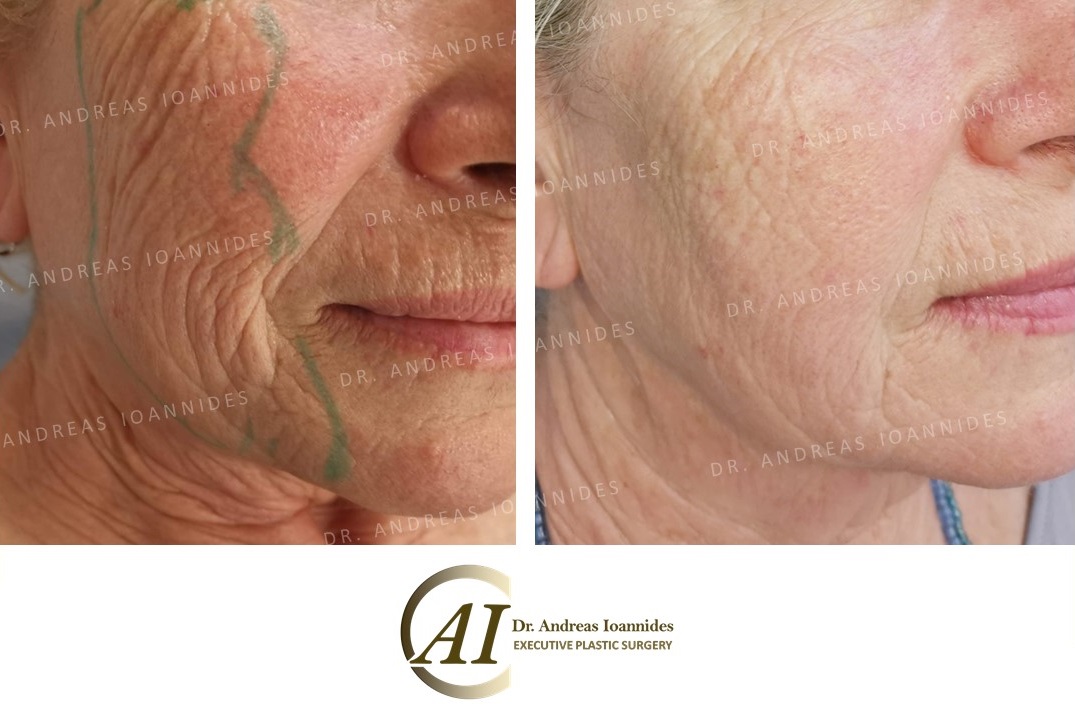
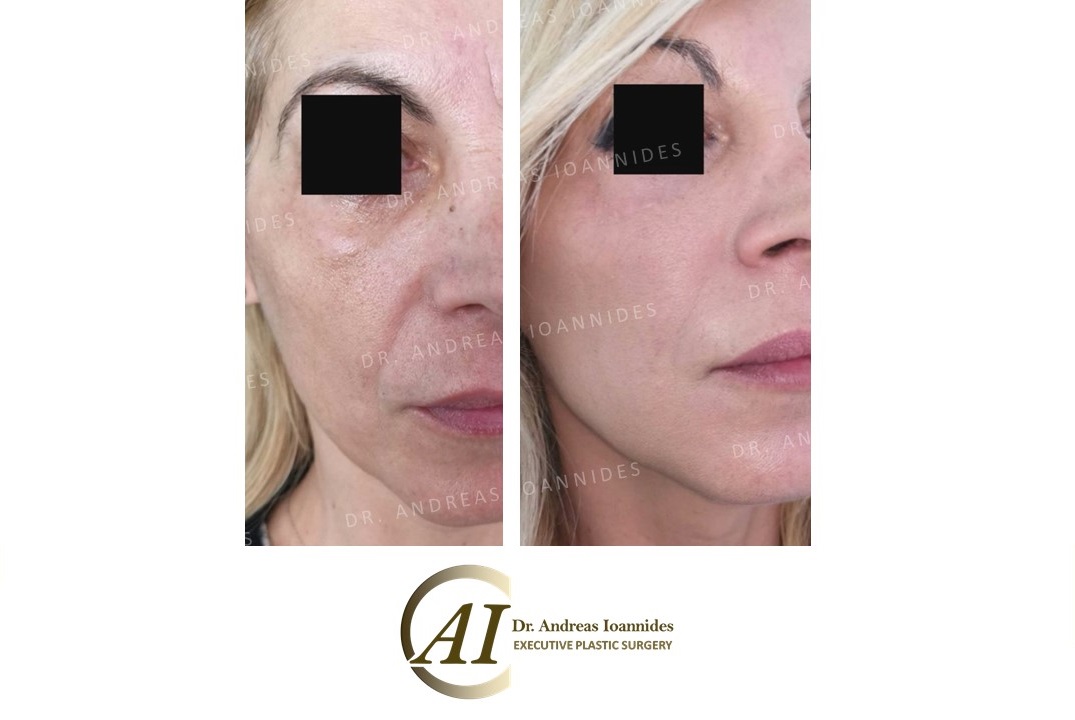
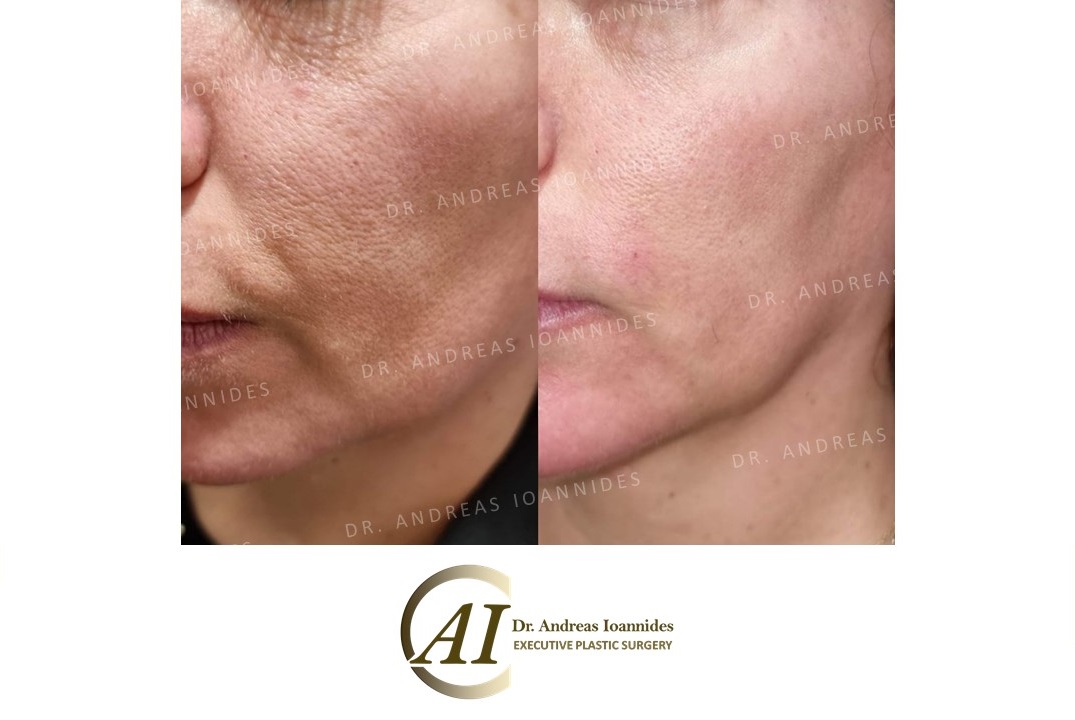
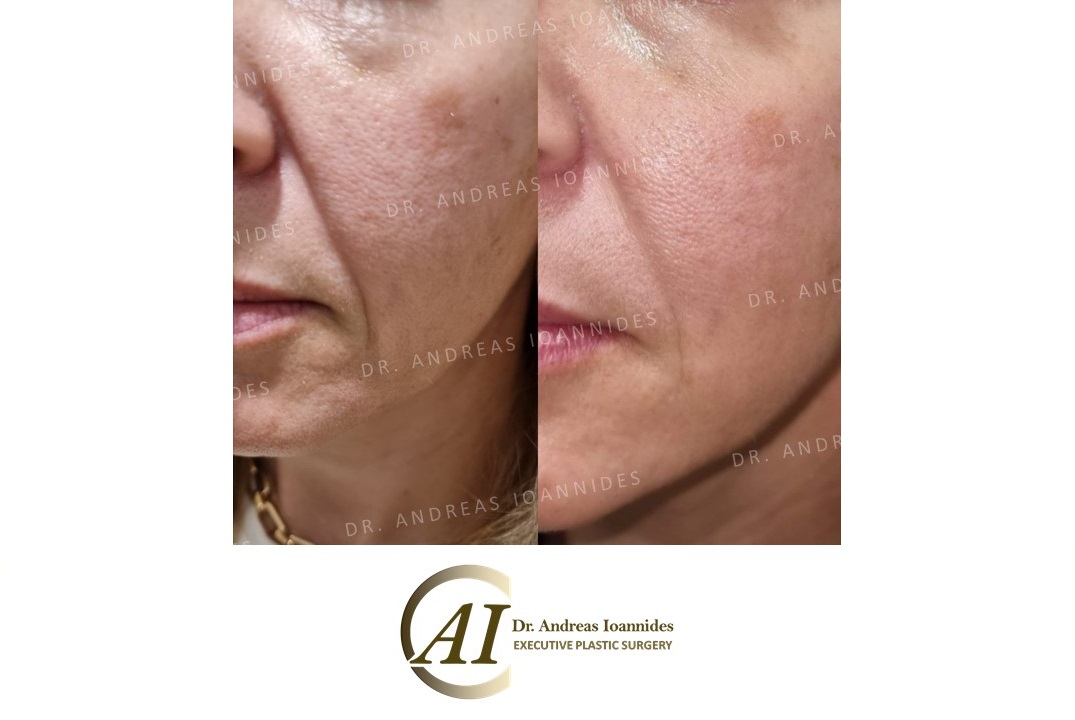
CONTACT

Dr. Andreas Ioannides
Contact us and book an appointment immediately
Choose your appointment by video call or by visiting one of our clinics!

Dr. Andreas Ioannides Executive Plastic Surgery is one of the most complete plastic surgery clinics and the international medical aesthetic medical centers ADVANCED AESTHETICS provide modern medical techniques and aesthetic medical treatments in Greece and Cyprus.
Dr. Andreas Ioannidis at the 16th Panhellenic Congress of Plastic, Reconstructive & Aesthetic Surgery
7 Common Myths About Plastic Surgery
Blepharoplasty: When Is It Indicated and What to Expect During Recovery
Rhinoplasty and Breathing: Can Aesthetics and Functionality Be Combined?
September and Plastic Surgery: Why Autumn Can Be a Good Time to Plan an Aesthetic Procedure
September and Aesthetic Treatments: Why It’s the Ideal Time for a Fresh Start
Thinking About Labiaplasty? 10 Things You Should Know Before Moving Forward
Athens Clinic
T +30.210 9595566
Email: info@andreasioannides.com
Address: Syggrou Ave, 284, Kallithea, Zip 17673 – Athens
Cyprus Clinics
T +357.22335002
Email: info@andreasioannides.com
Athenium International Medical Institute
Address: Giannitson 9 Strovolos, Nicosia 2027, Cyprus
Address: Thiseos 1, Lemesos 3025, Zip 4004 – Cyprus
Copyright © 2022