


The Modern Evolution of Natural Deep Plane Face and Neck Lifting
Meaningful rejuvenation. Natural expression. No “pulled” or over-operated look.
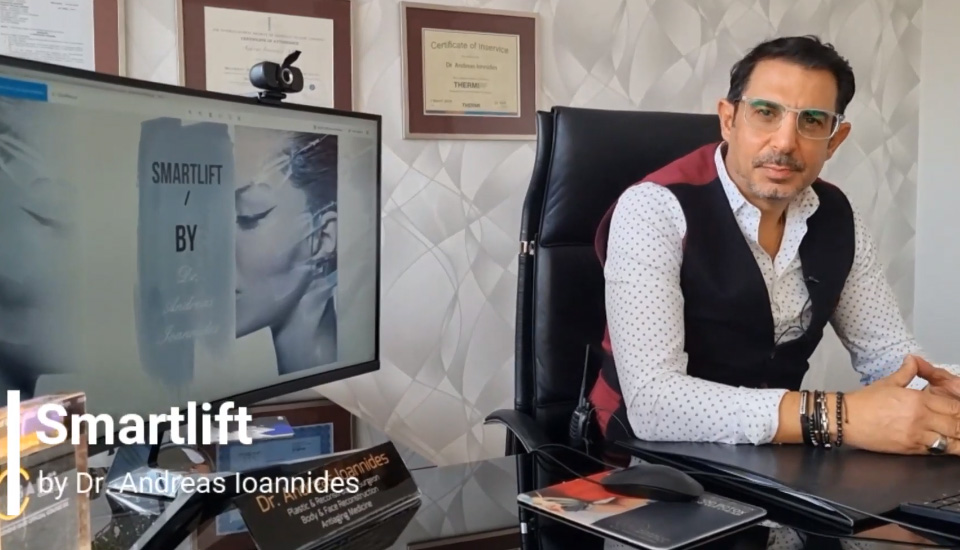
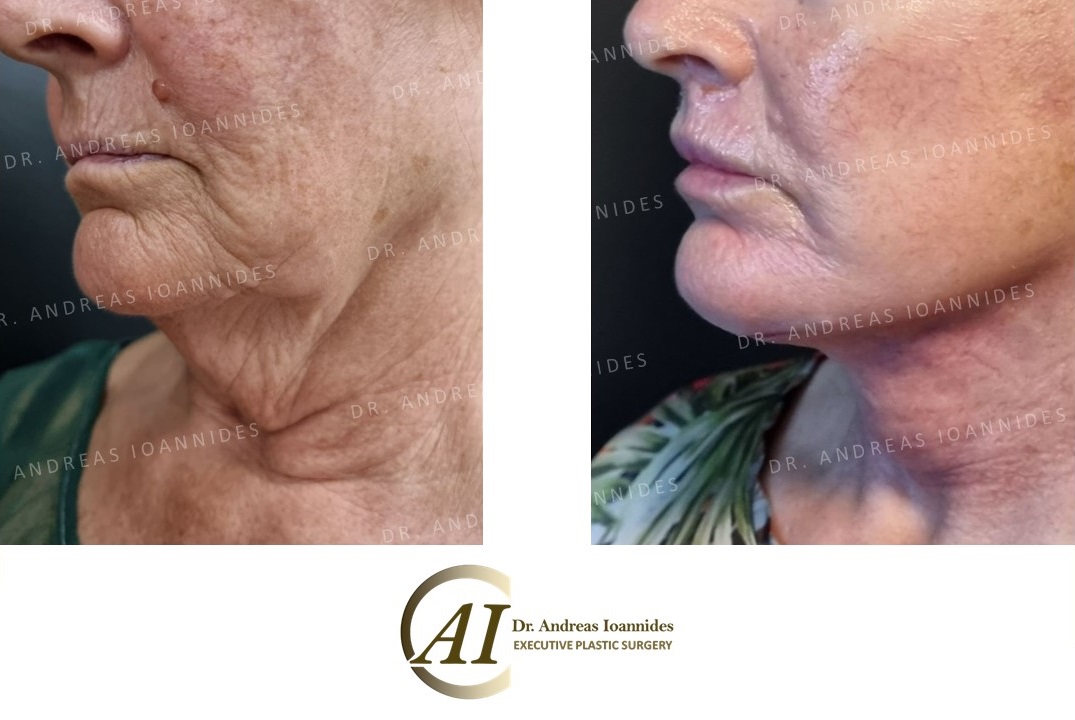
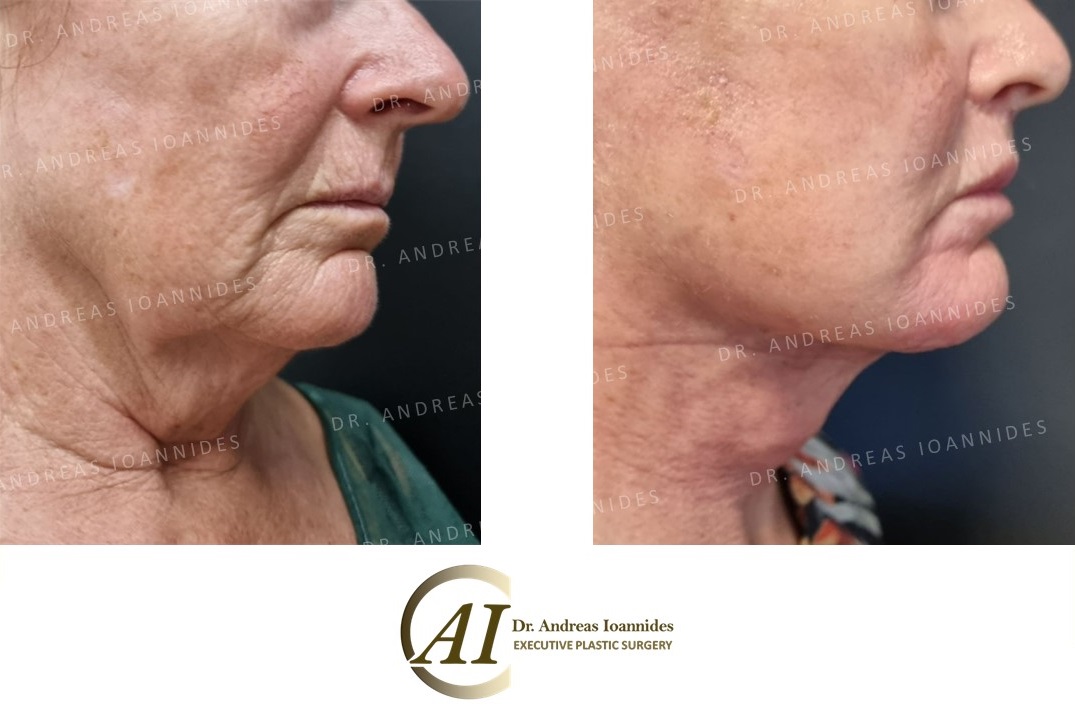
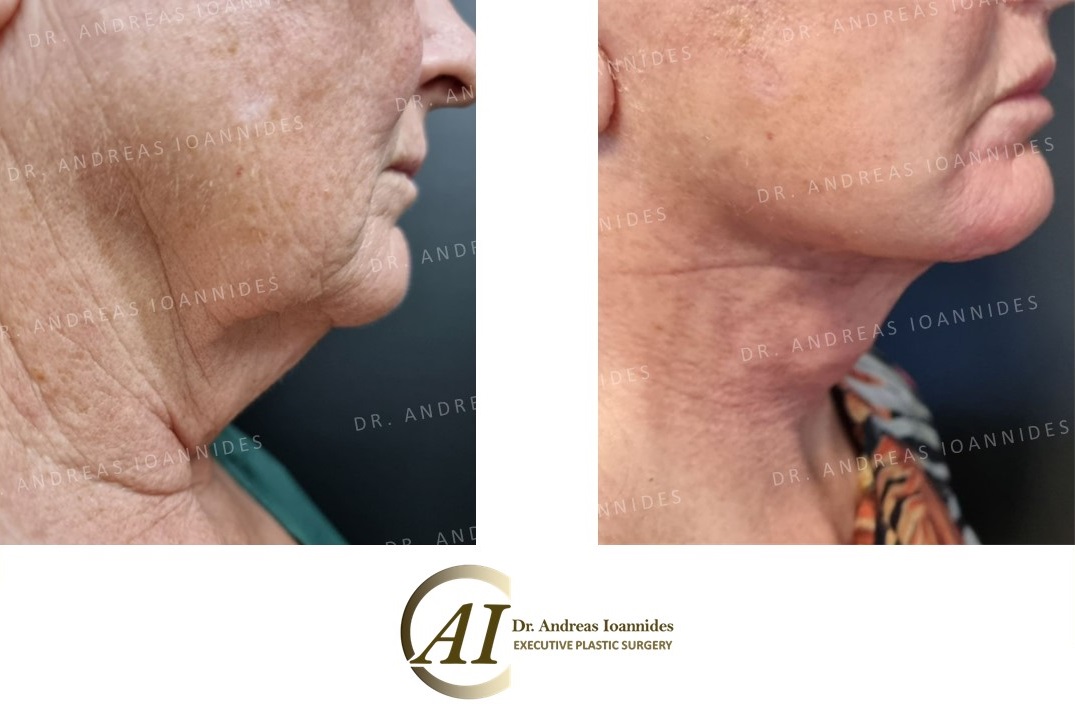
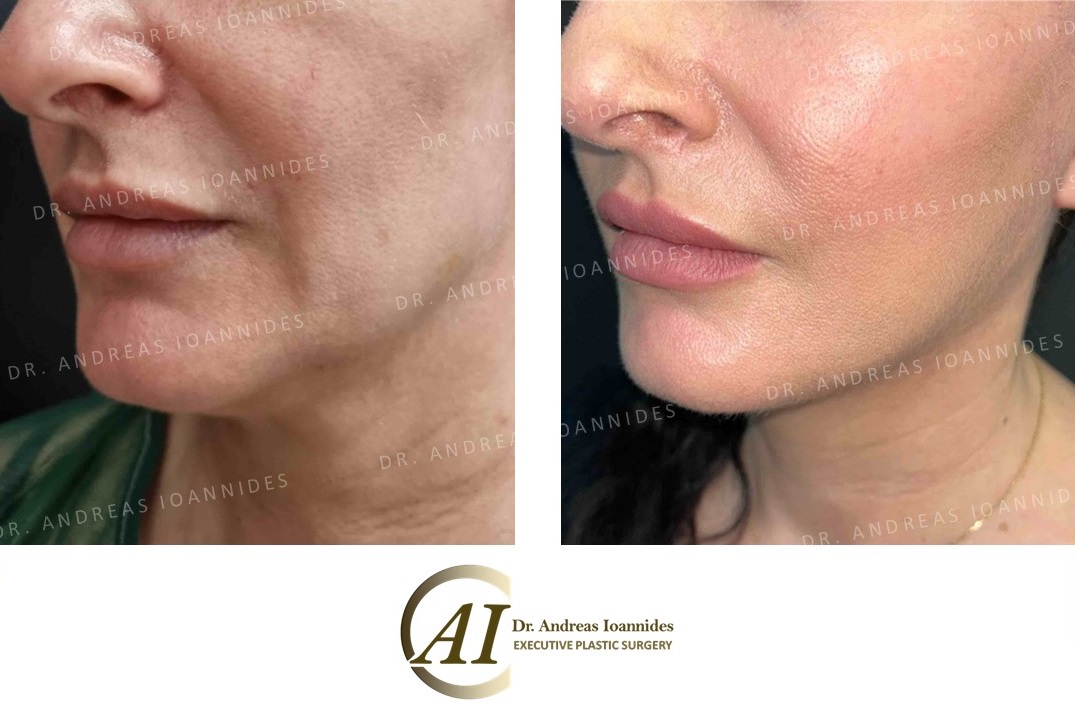
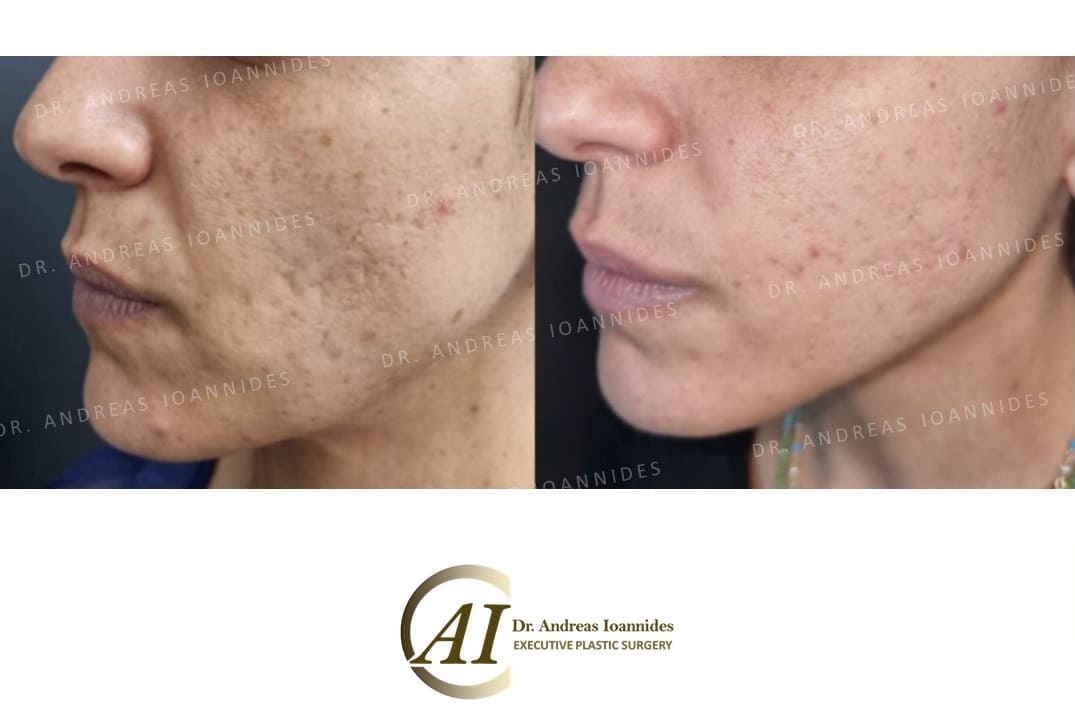
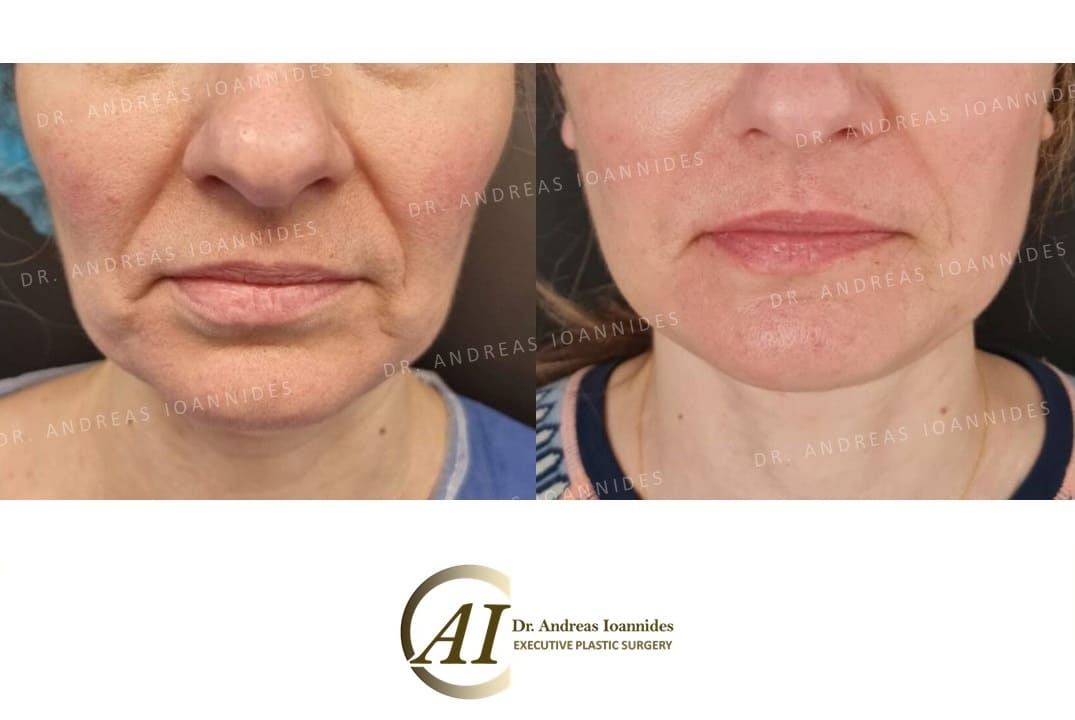
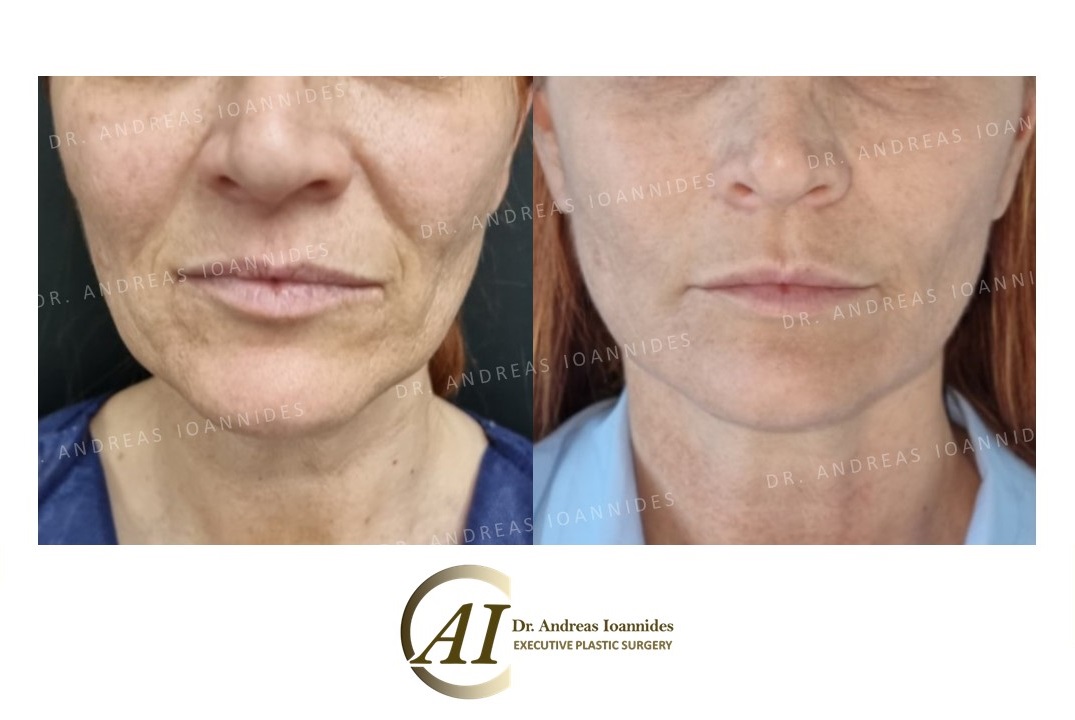
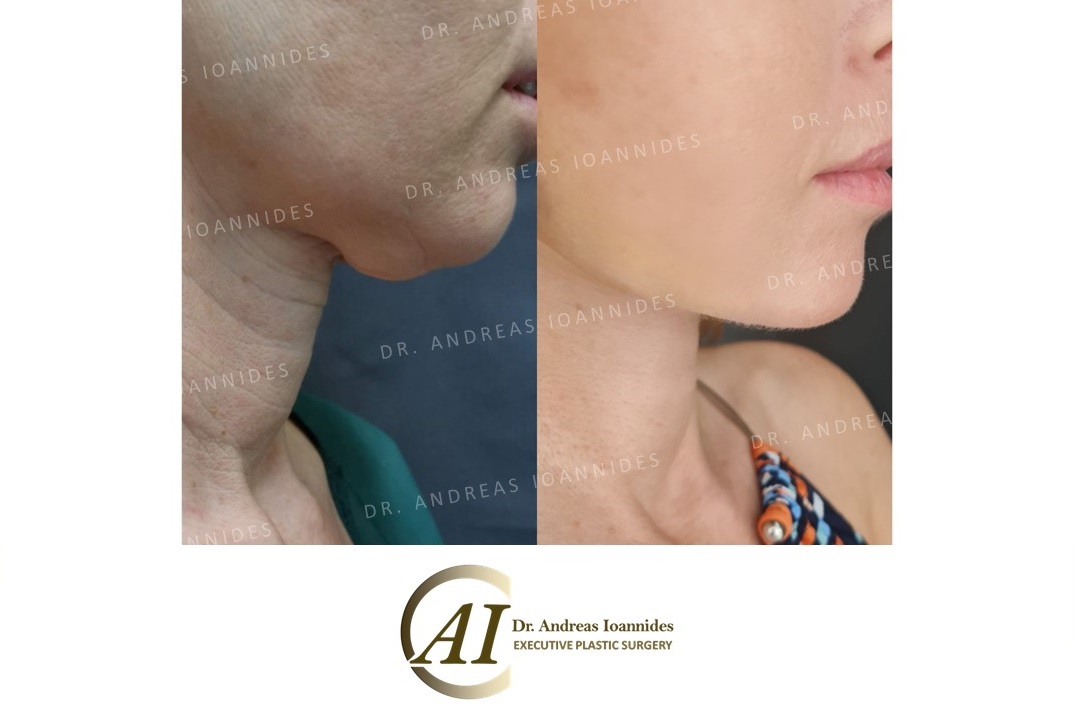
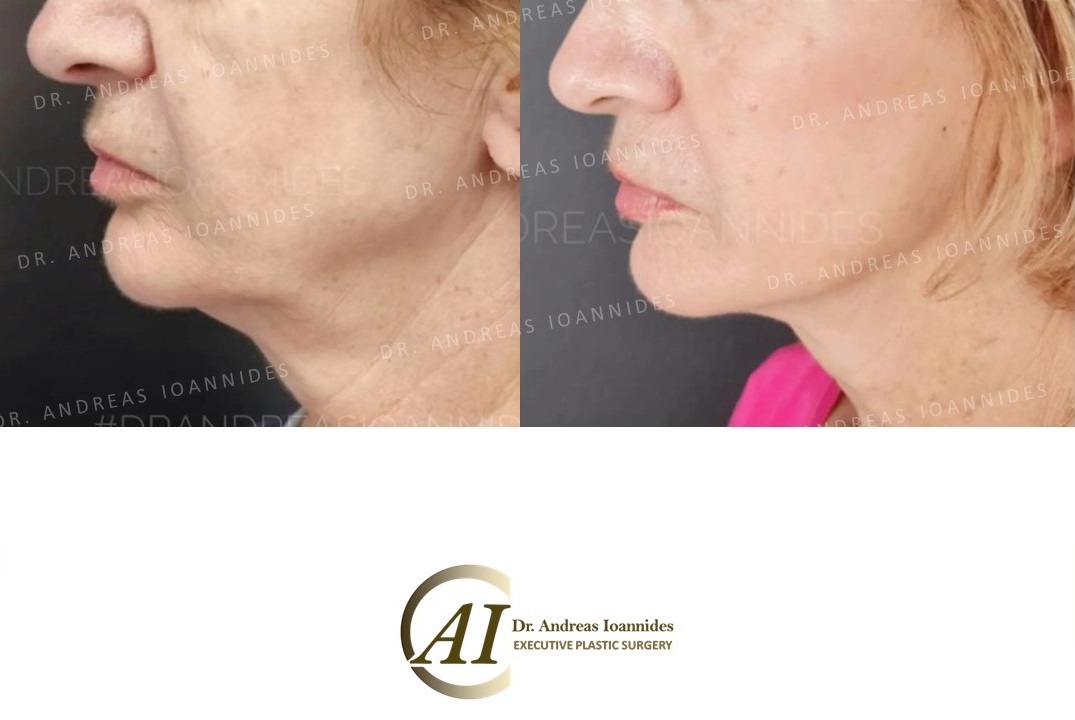
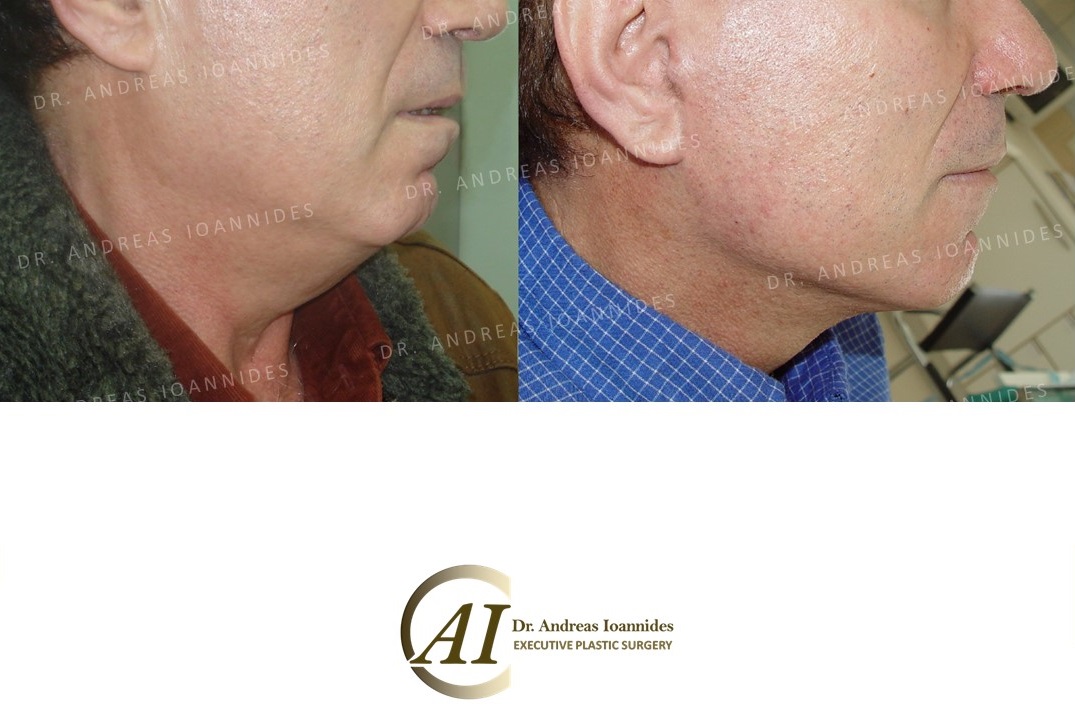
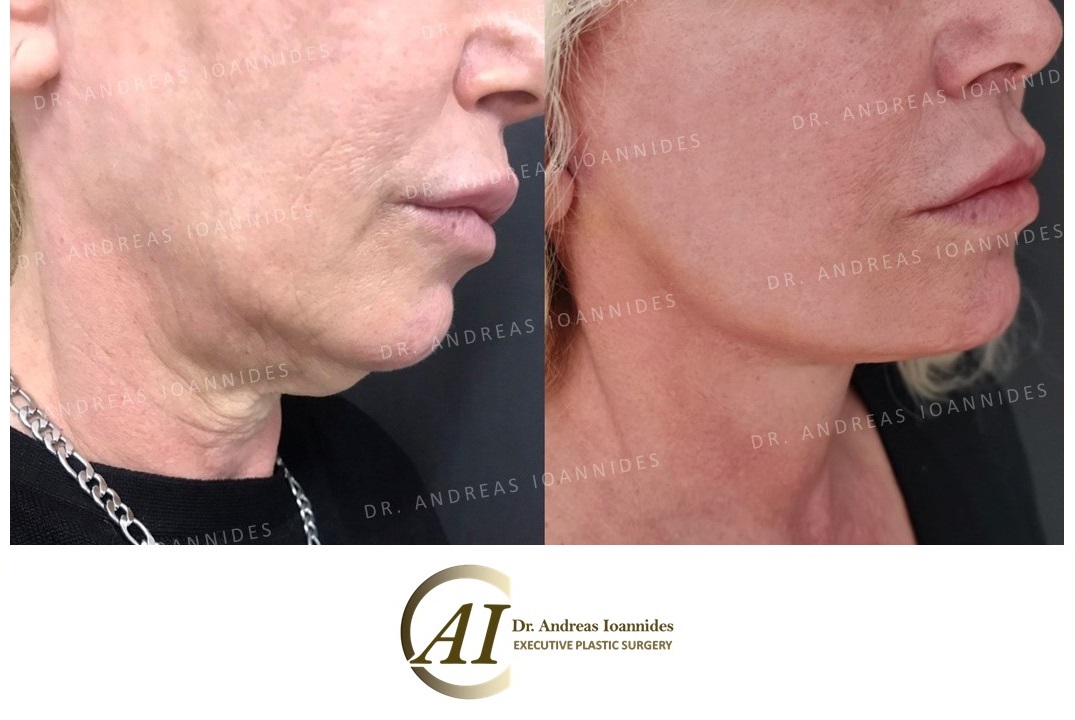
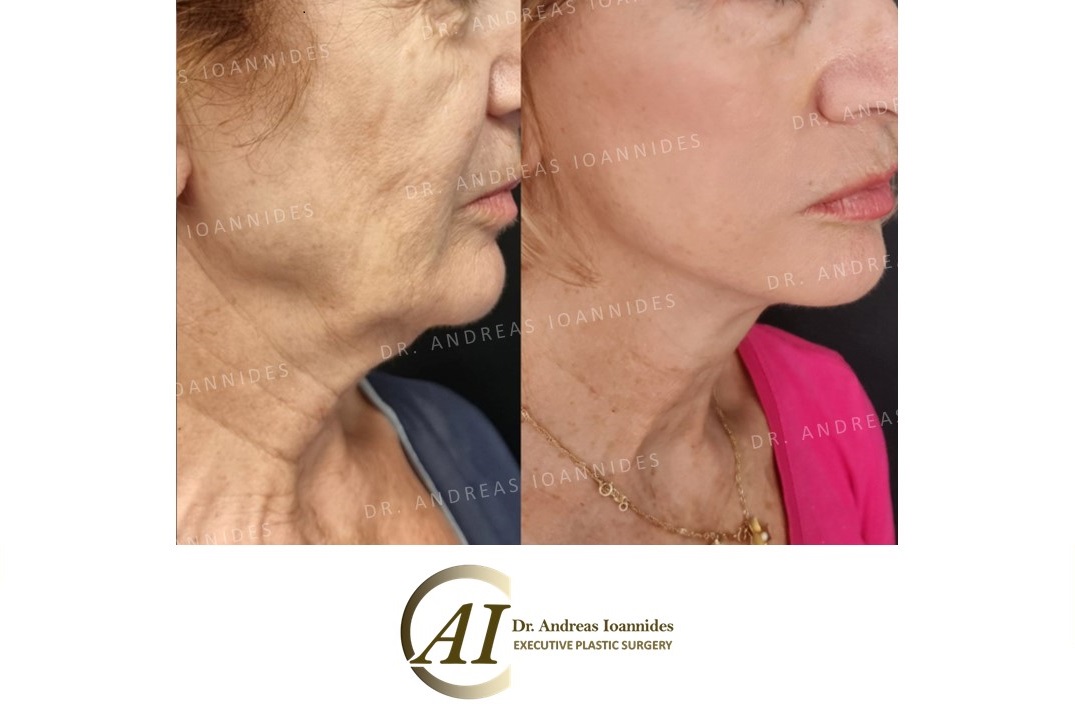
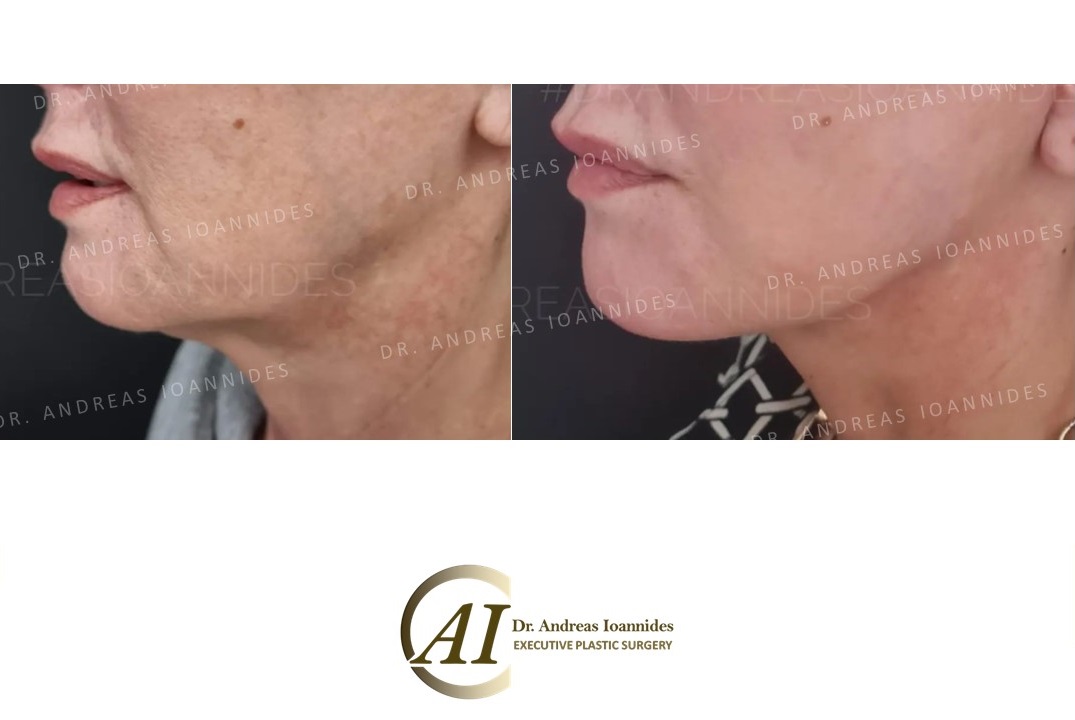
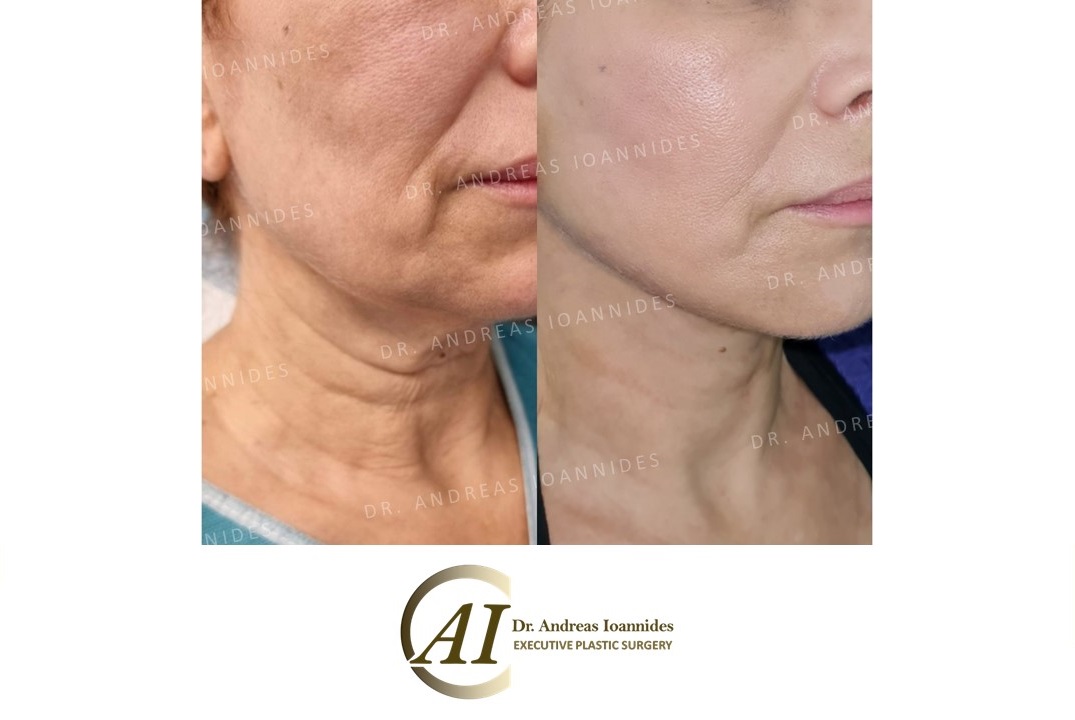
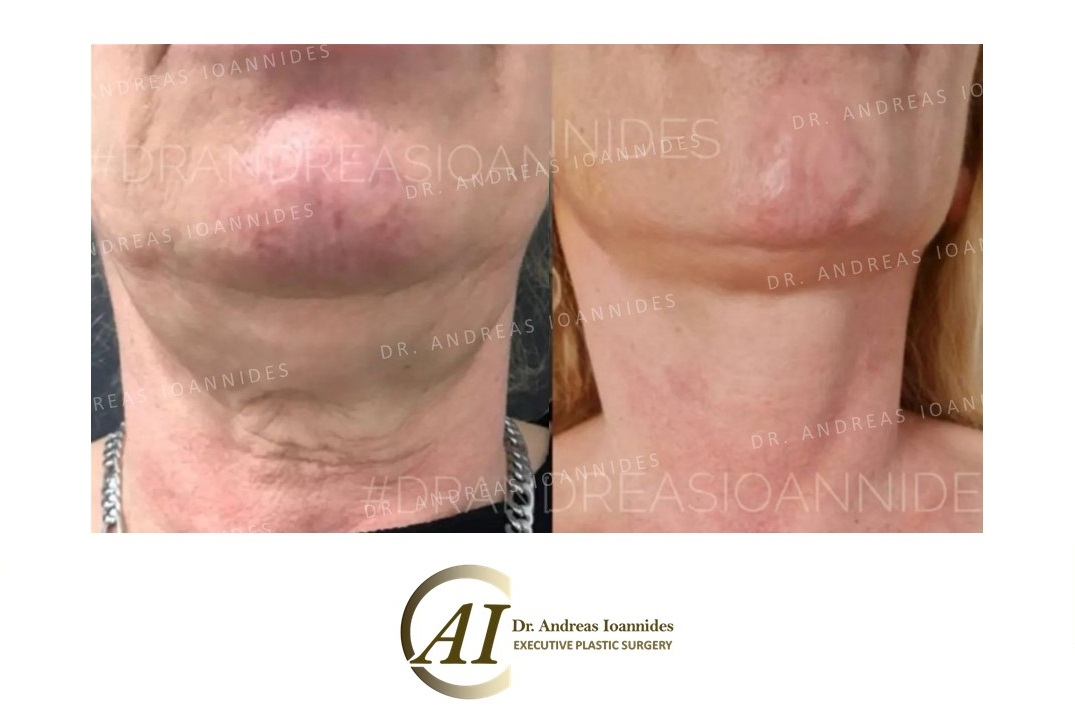
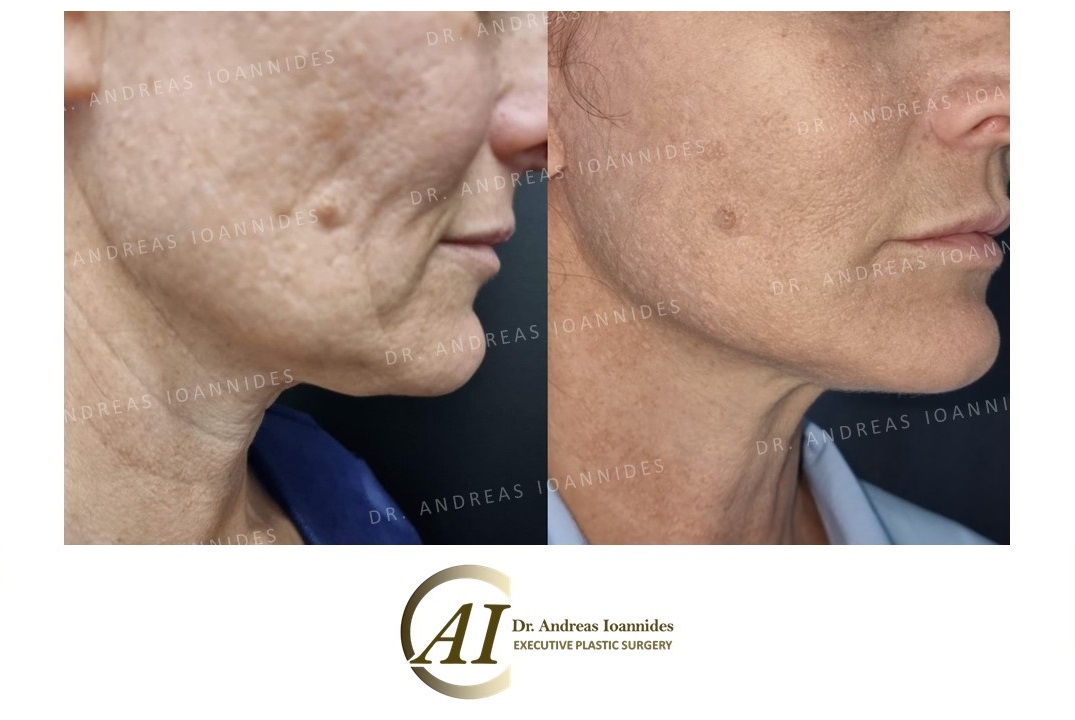
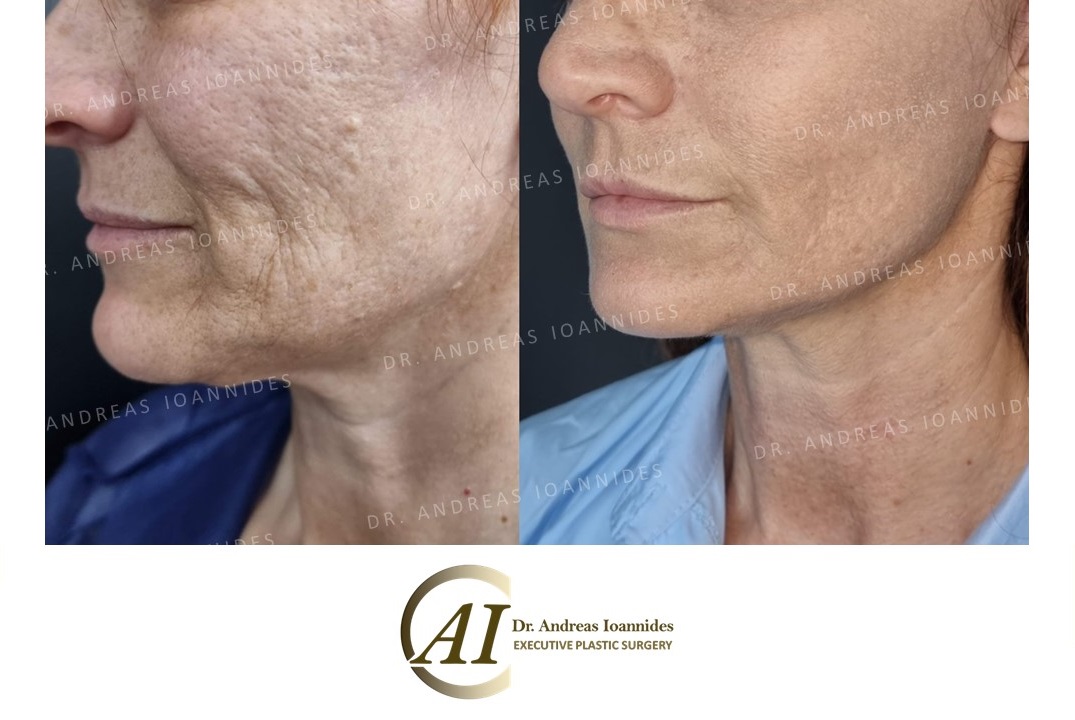
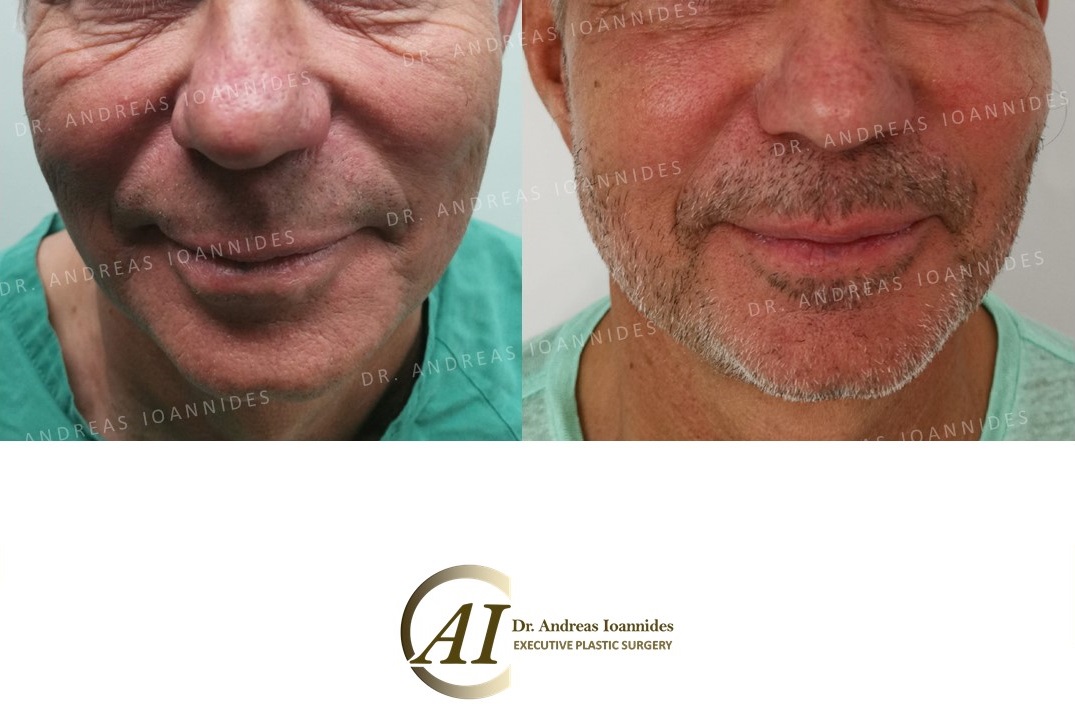
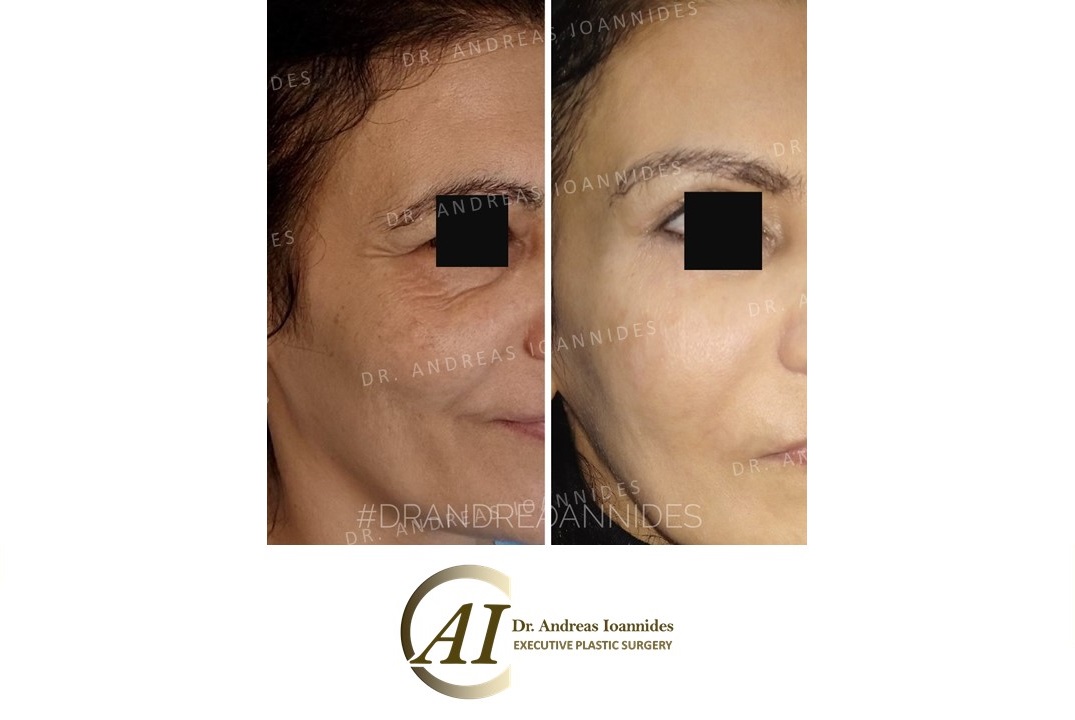
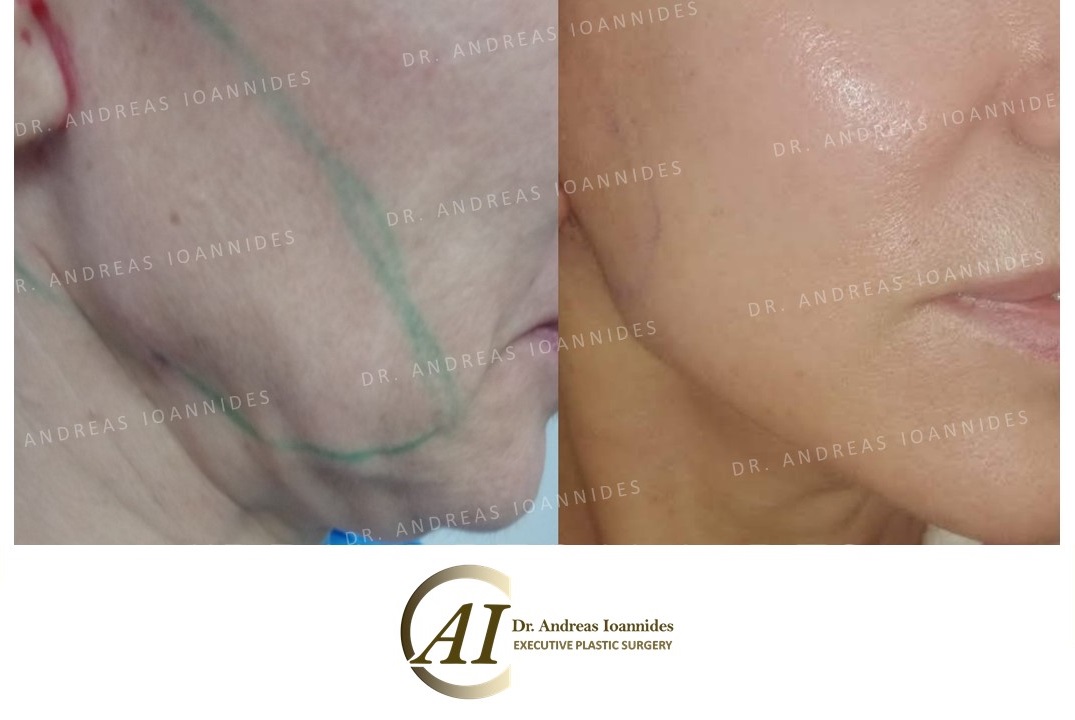
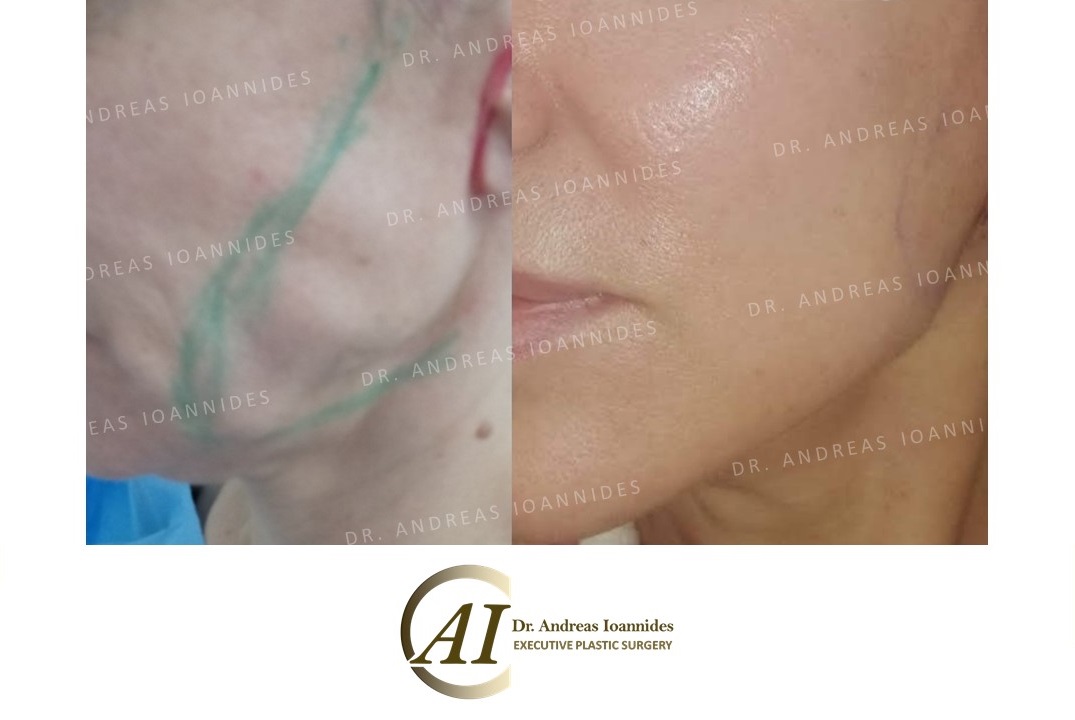
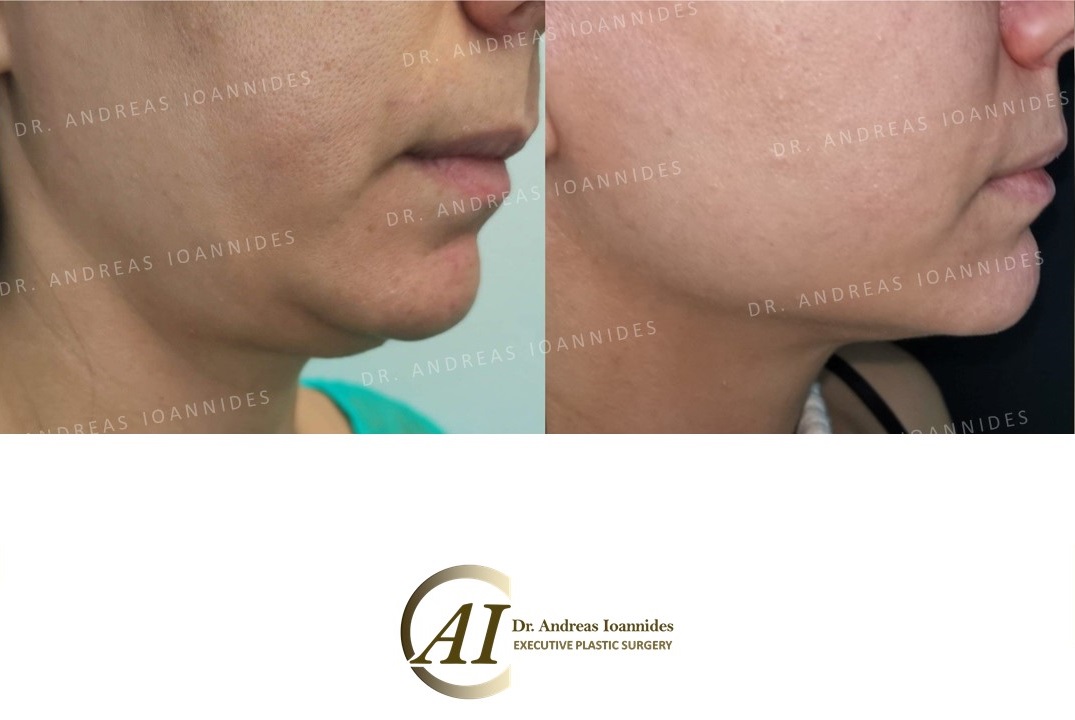
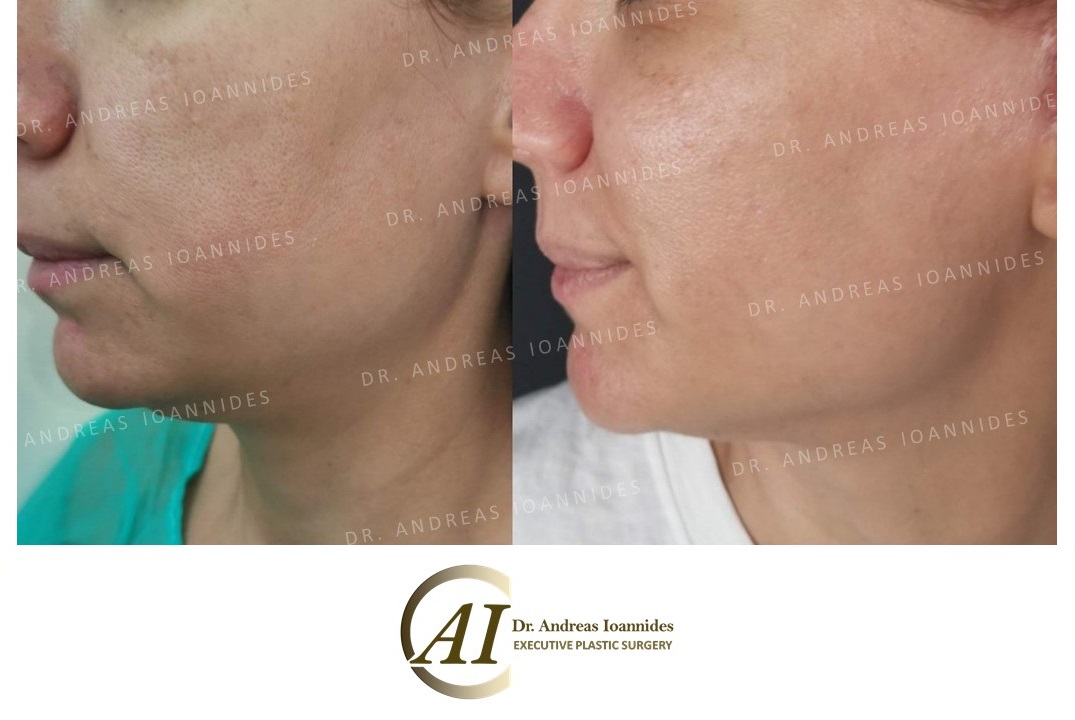
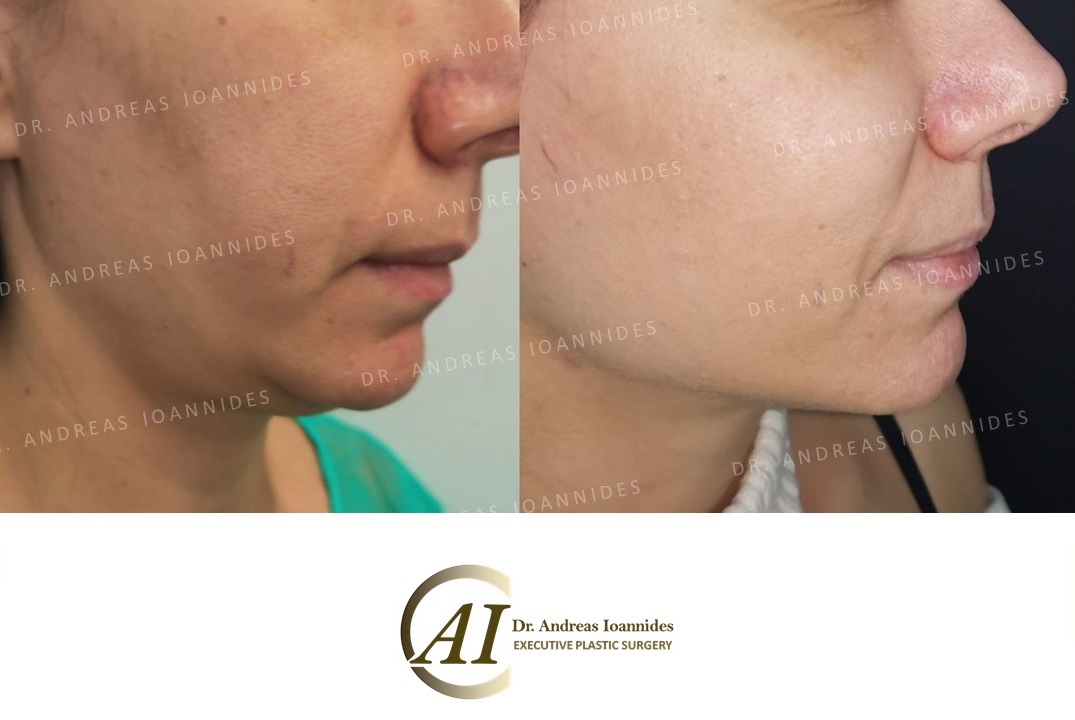
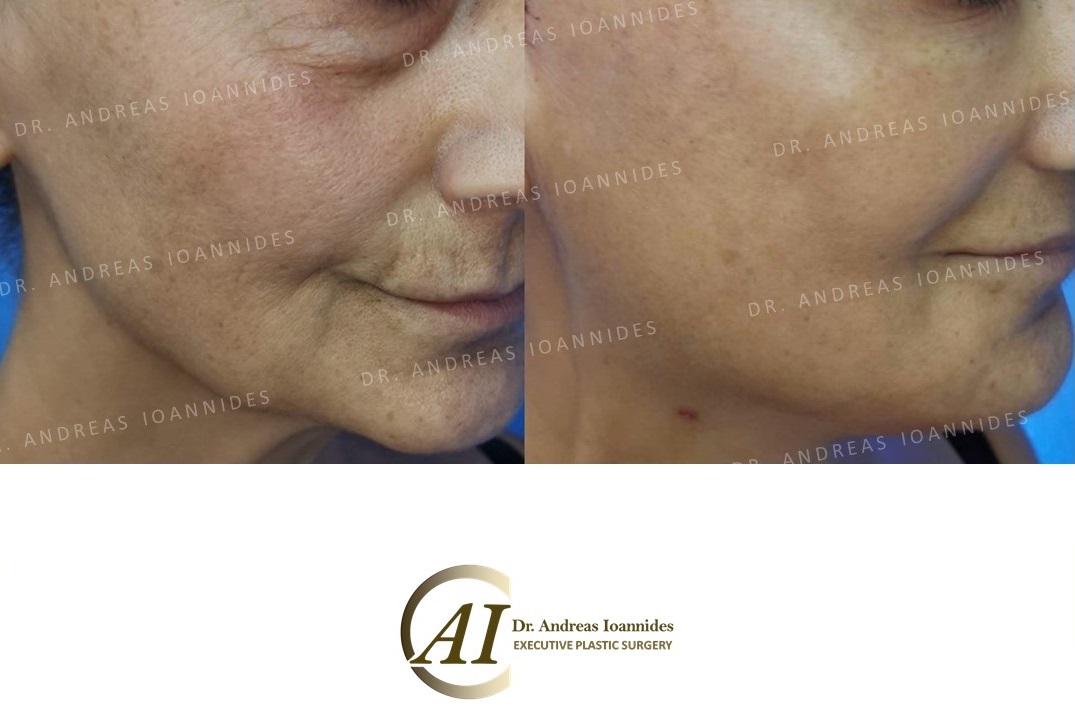
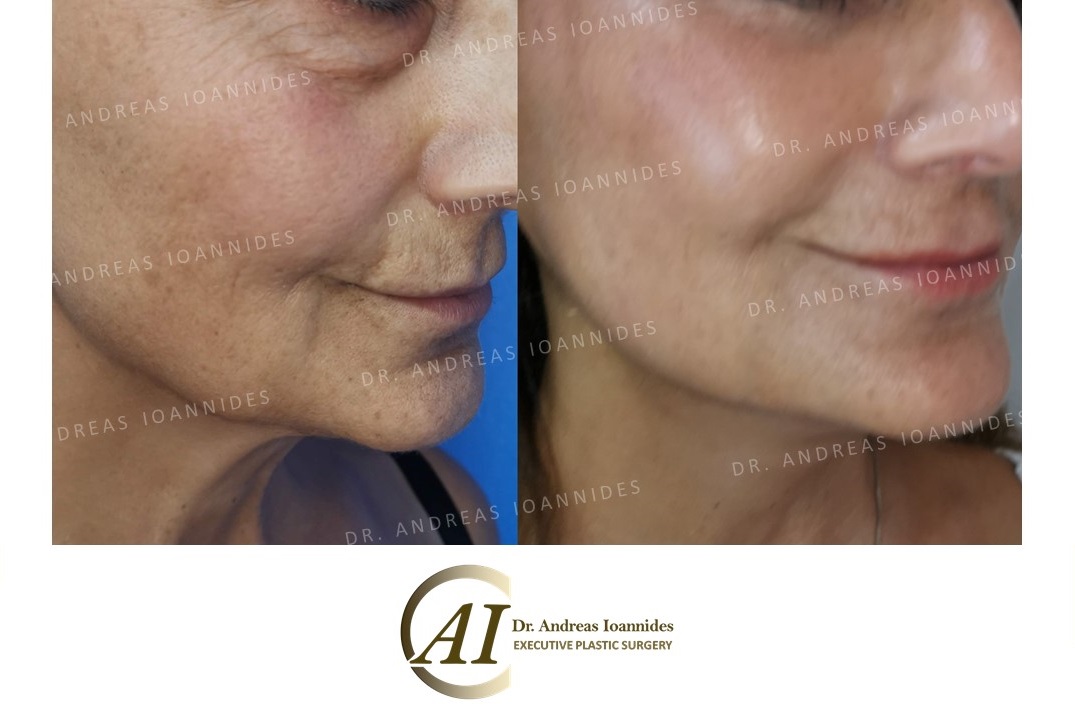
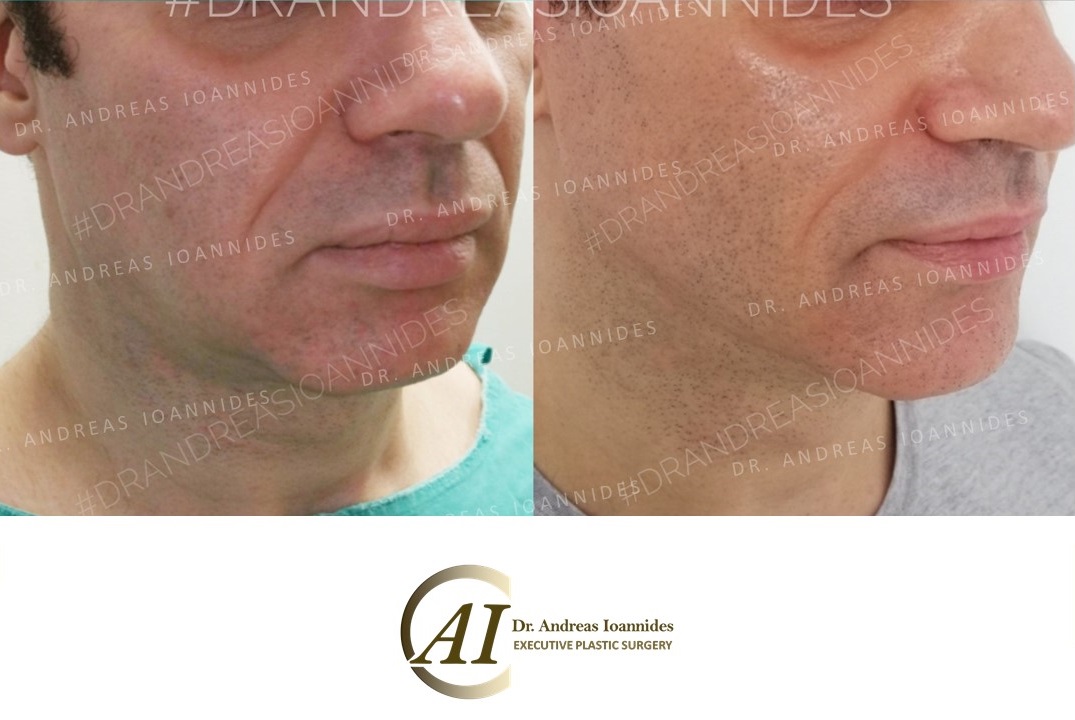
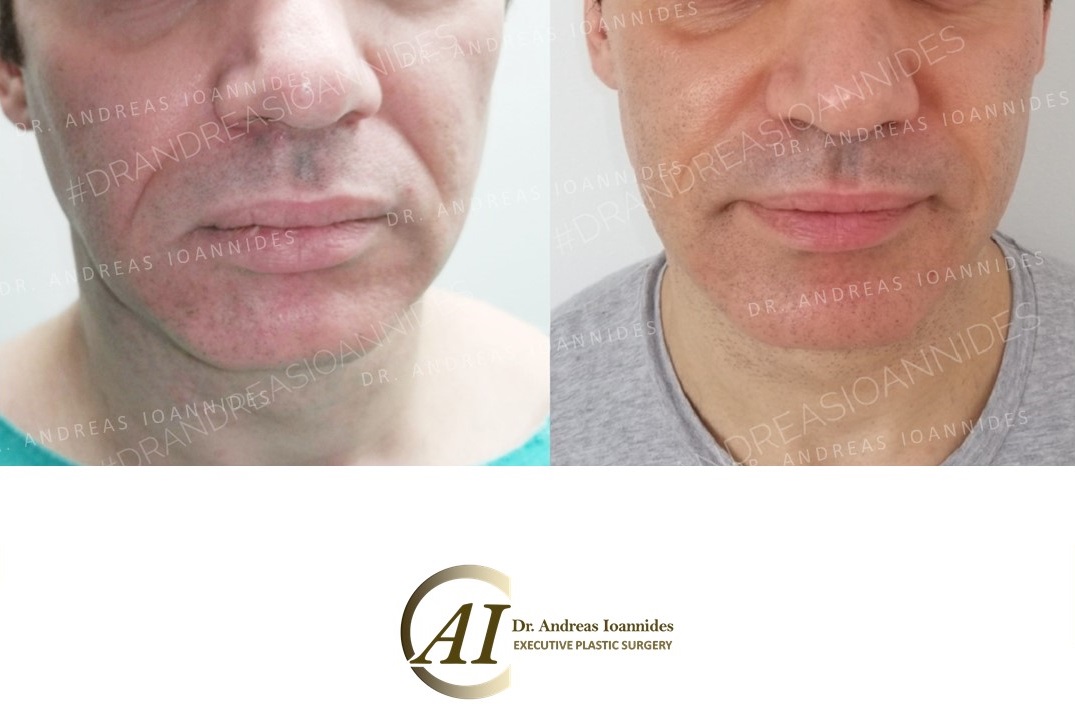
SmartLift by Dr. Andreas Ioannides is a specialised face and neck lifting technique designed for patients seeking natural, balanced and long-lasting rejuvenation.
The technique does not rely simply on tightening or removing excess skin. It focuses on the deeper anatomical repositioning of facial tissues, helping restore the youthful architecture of the face while preserving the patient’s natural features and personal expression.
Book Your Personal Consultation
A Lift That Preserves Your Identity
The goal of a modern facelift is not to create a different face.
It is to restore the natural balance, support and definition that gradually diminish over time.
SmartLift is designed to help the face appear:
- More rested
- Fresher
- More lifted
- More harmonious
- Naturally younger
Without excessive change and without the obvious surgical appearance associated with an over-tightened result.
“Plastic surgery should not carry the stigma of plastic surgery.”
What Makes SmartLift Different?
The main difference lies in the way the deeper facial tissues are repositioned.
SmartLift combines two directions of lifting:
Vertical Lifting Vector
The vertical vector helps restore tissues towards their natural, youthful position.
It is particularly beneficial for improving:
- The midface
- The cheekbones
- The cheeks
- The support of the central face
Horizontal or Oblique Lifting Vector
The horizontal or oblique vector helps improve:
- The jawline
- The contour of the lower face
- The area beneath the chin
- The neck
By combining both vectors, SmartLift allows for a more complete, three-dimensional rejuvenation of the face.
It does not treat facial ageing in a one-dimensional way. It addresses the face and neck as one connected anatomical unit.
Find Out Whether SmartLift Is Right for You.
Why the Vertical Vector Matters
As the face ages, the tissues do not move only sideways.
They lose support and descend:
- The cheek area may flatten or become heavier
- The midface loses its youthful structure
- The cheeks move downward
- The jawline becomes less defined
- The neck develops laxity
A facelift based only on lateral pulling may create excessive tension and an unnatural appearance.
The vertical lifting vector incorporated into SmartLift helps return the tissues towards their anatomically natural position.
As a result, the face does not simply look tighter.
It looks more rested, more balanced and naturally lifted.
Deep Plane SMAS Repositioning
Facial ageing does not affect the skin alone.
The most significant changes occur in the deeper tissues and in the support system of the face, known as the SMAS.
With SmartLift, the lift is performed at a deeper anatomical level through dynamic mobilisation and personalised repositioning of the SMAS.
This approach helps:
- Reduce excessive skin tension
- Support the tissues at a deeper level
- Create a more natural result
- Improve facial definition
- Provide greater long-term stability
The skin is allowed to adapt to the new position of the deeper tissues, rather than carrying the full tension of the lift.
The Main Benefits of SmartLift
Natural Rejuvenation
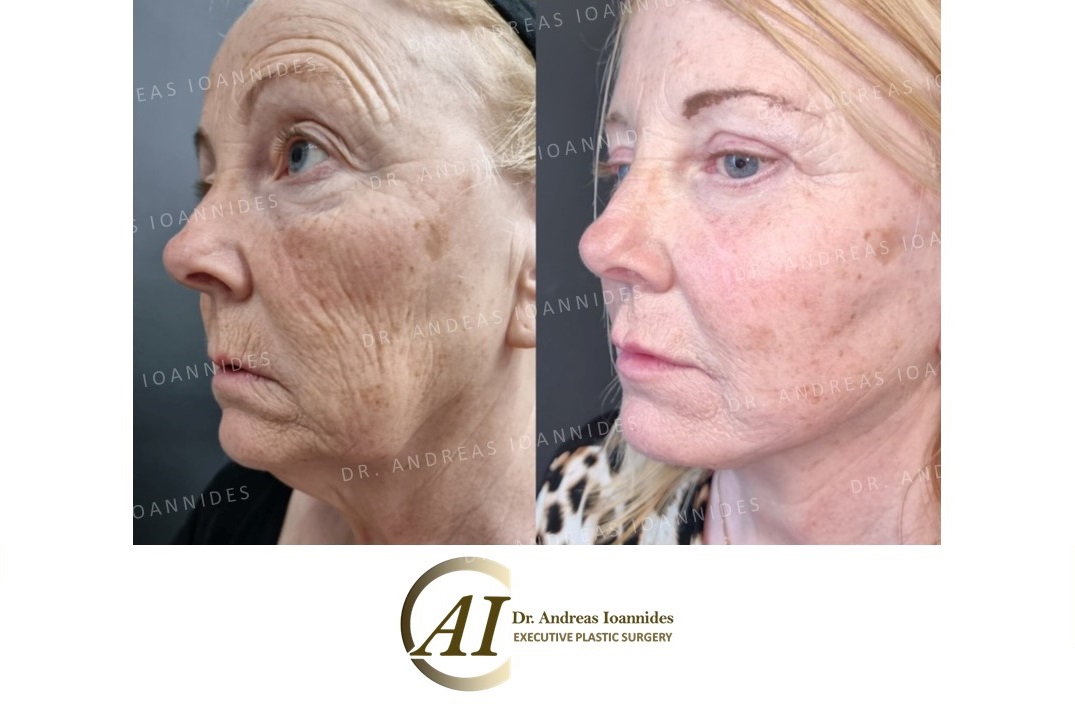
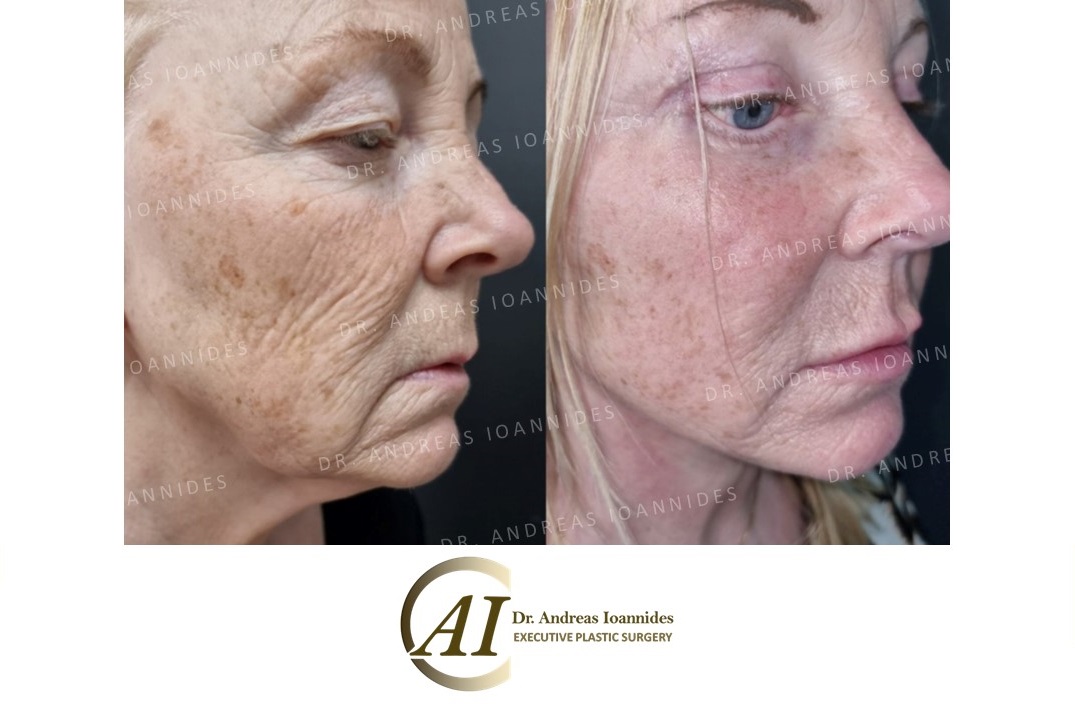
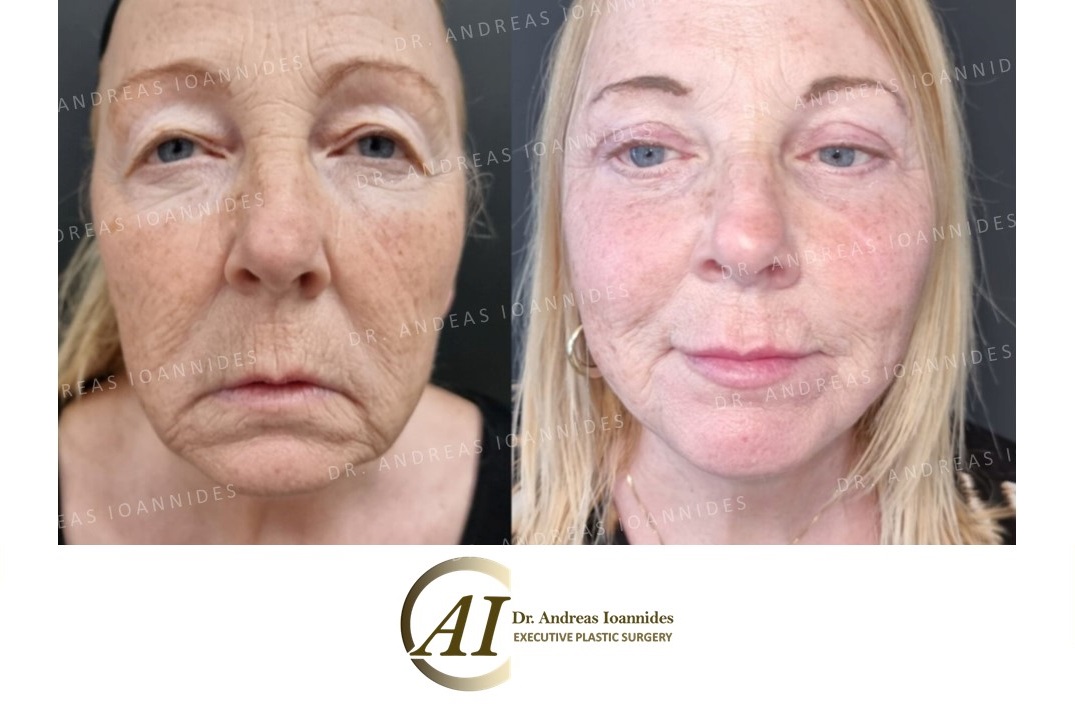
The face appears fresher and younger without losing its identity or natural expression.
Three-Dimensional Lifting
The combination of vertical and horizontal vectors allows for a more complete repositioning of the mid and lower face.
A More Defined Jawline
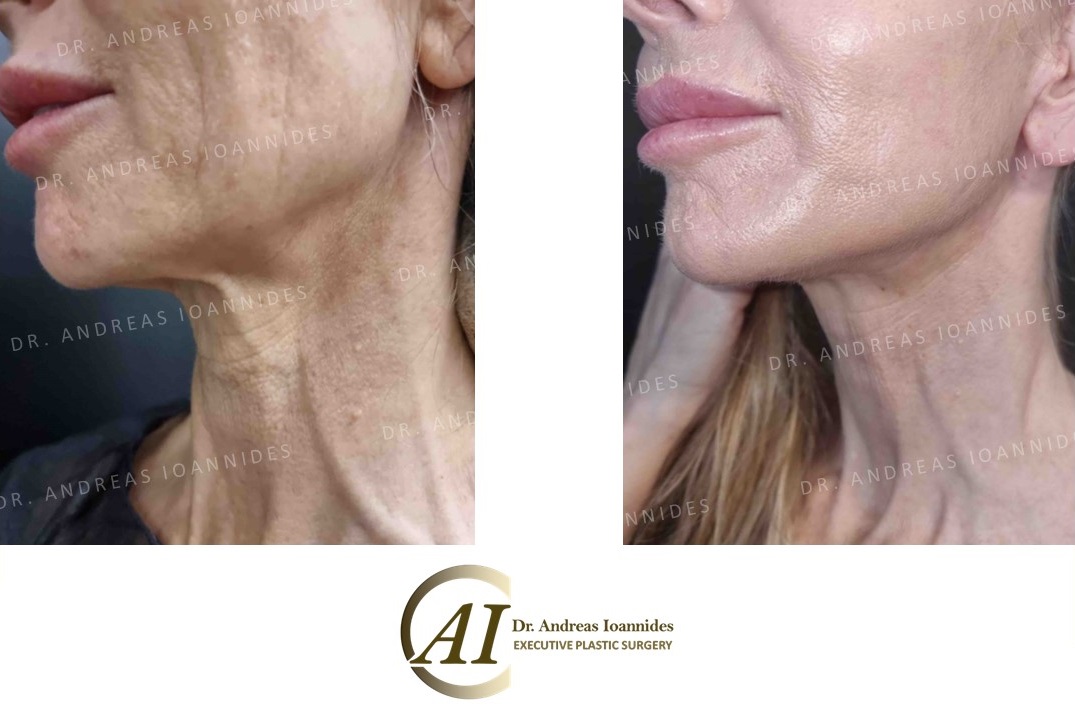
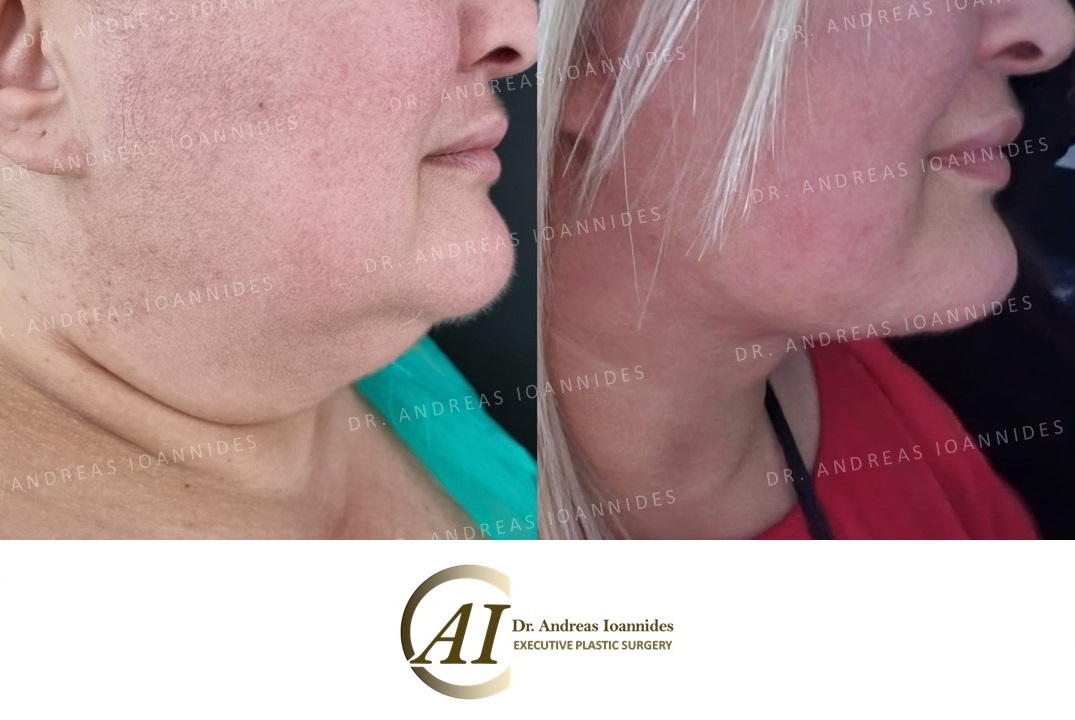
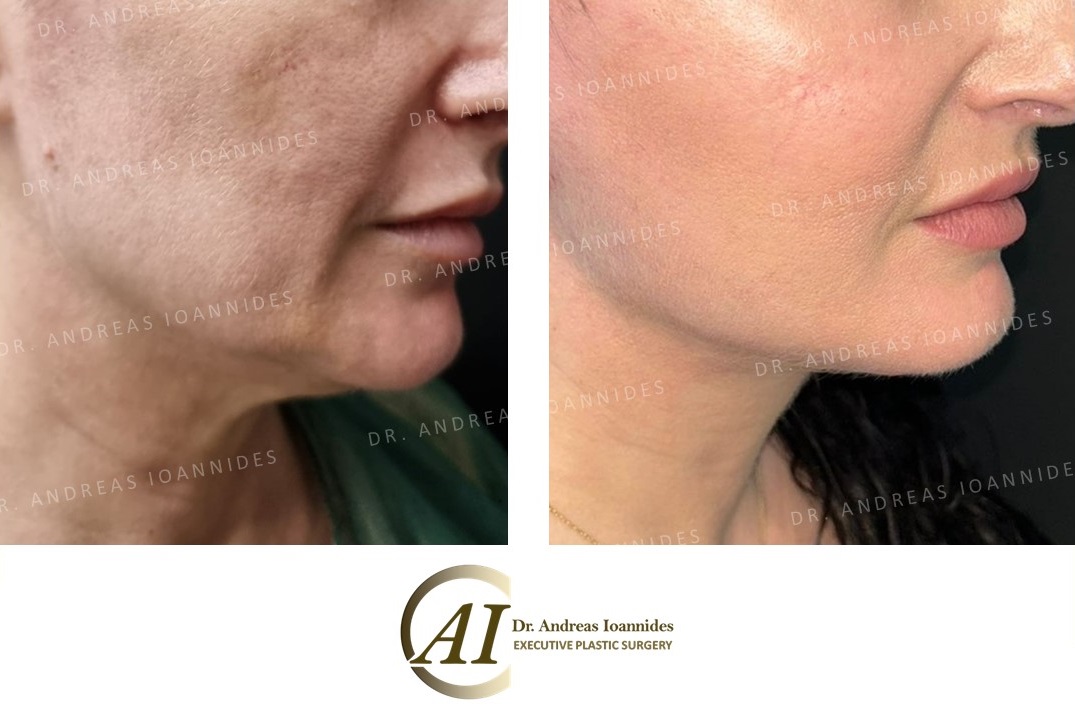
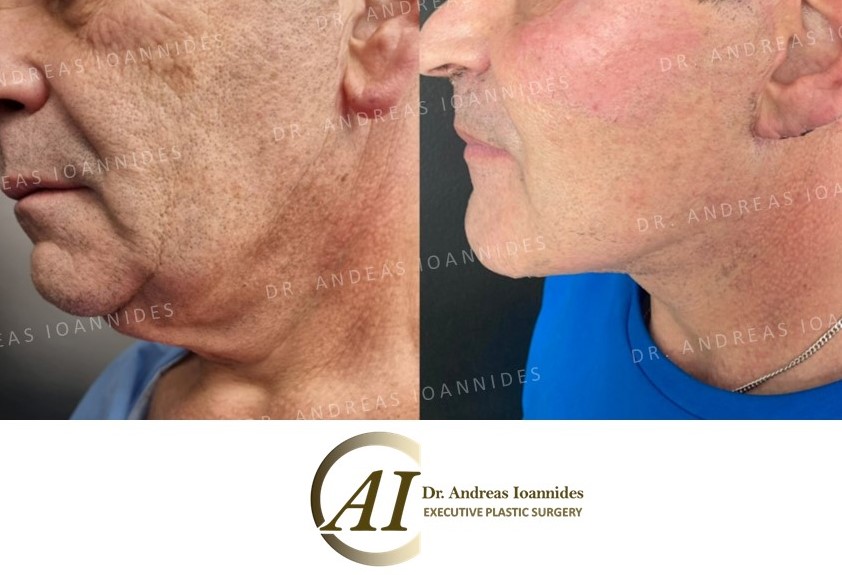
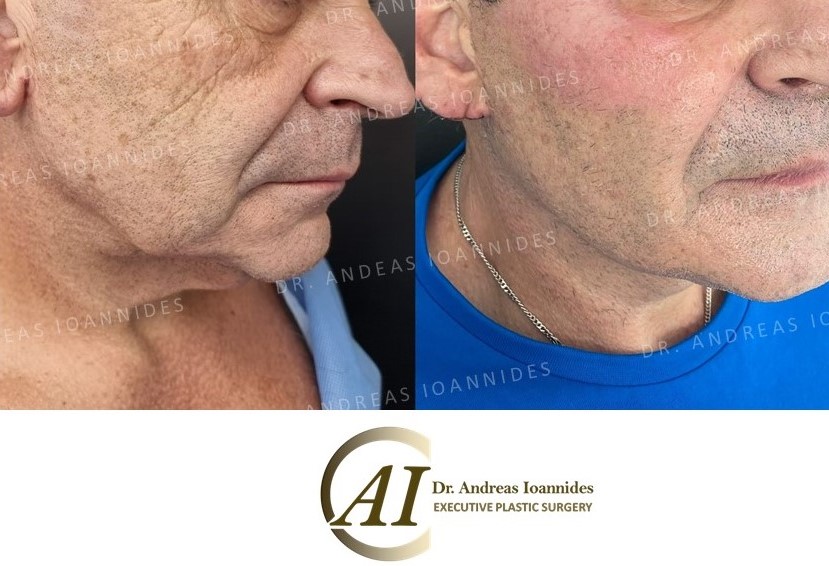
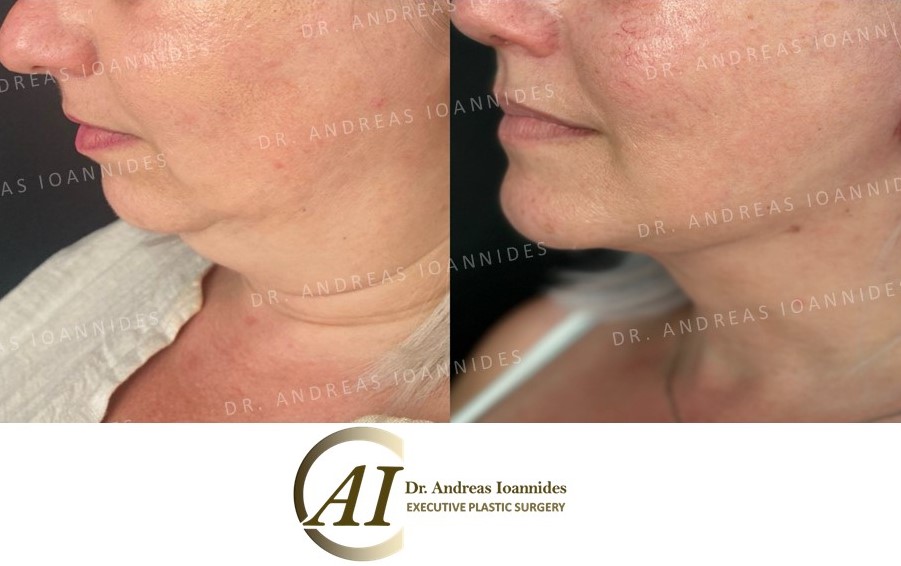
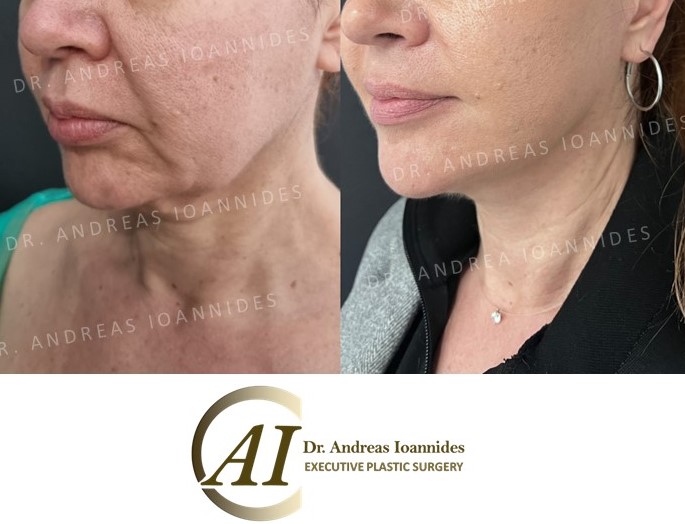
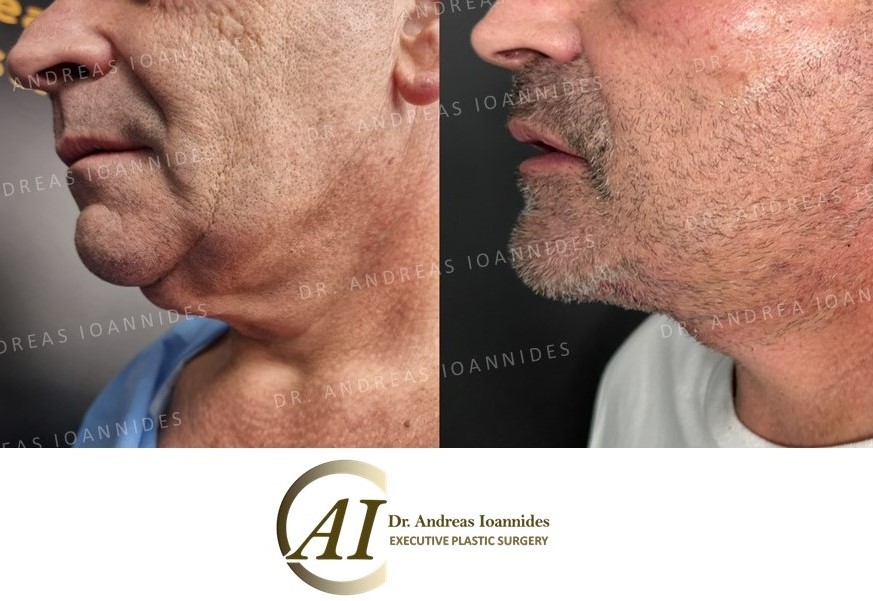
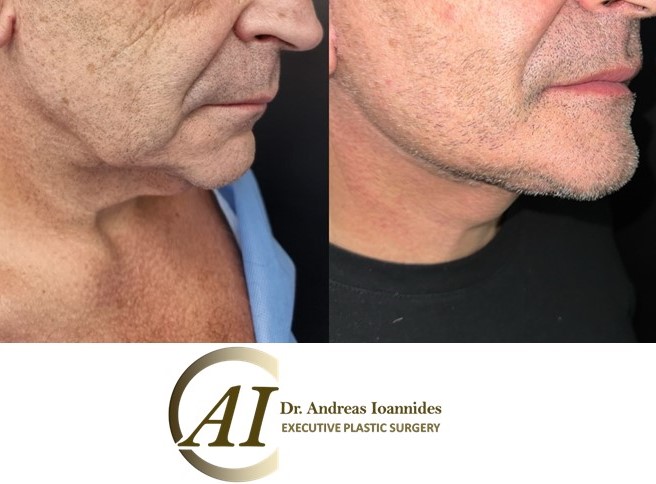
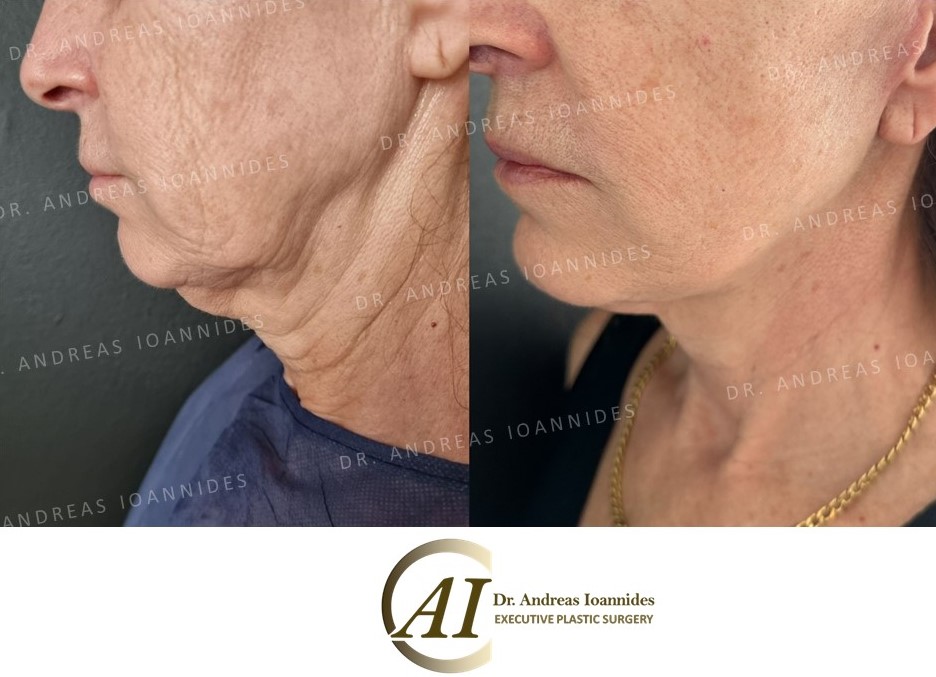
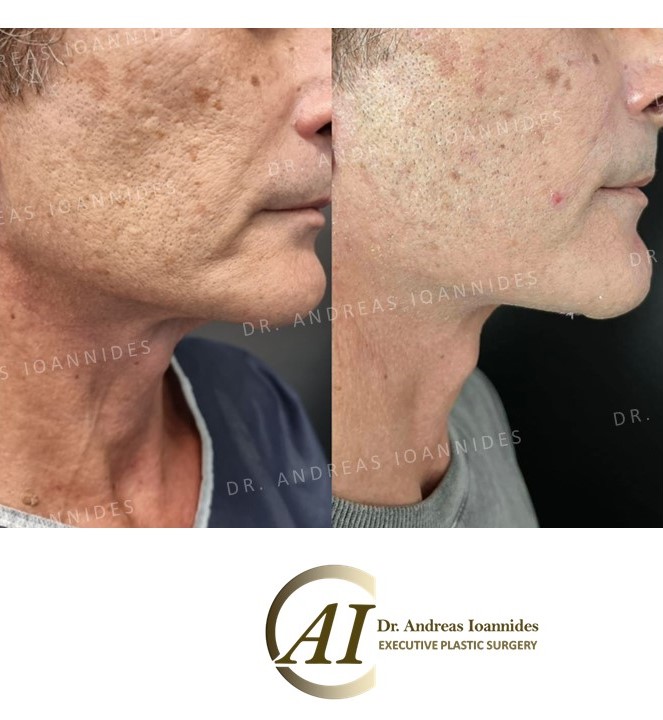
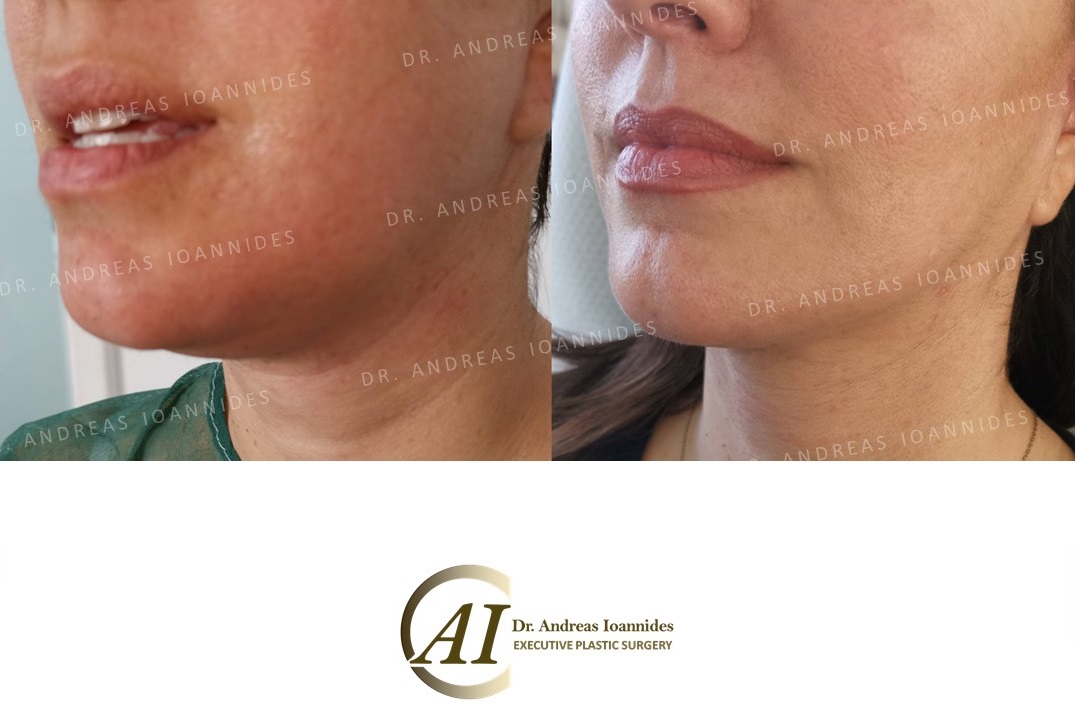
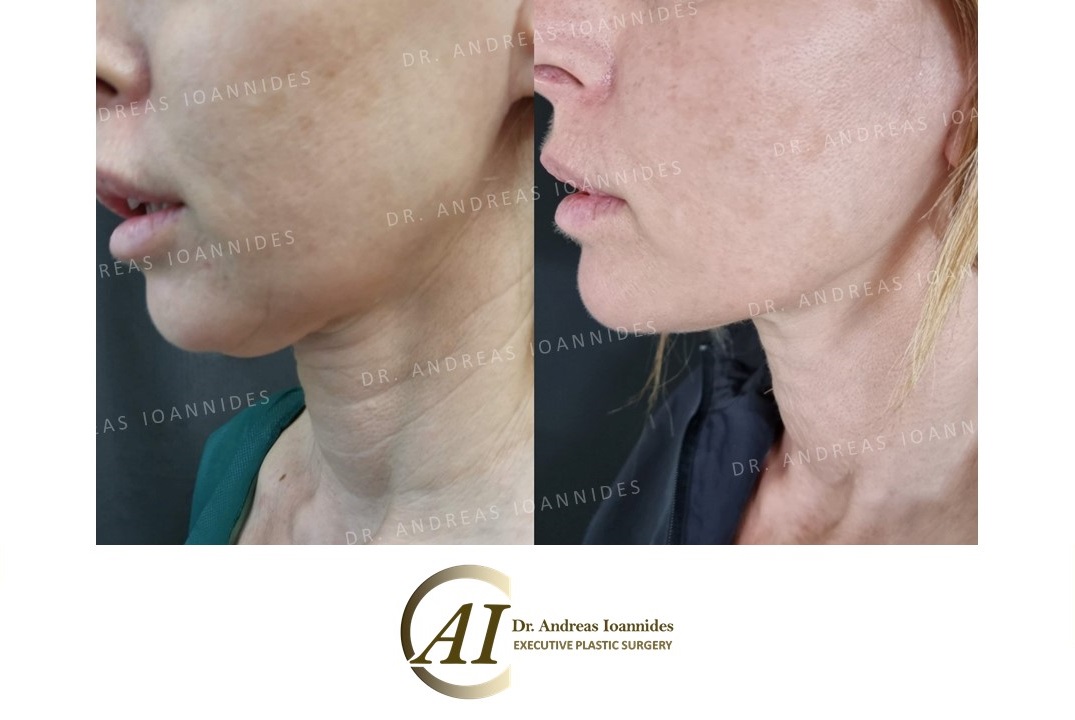
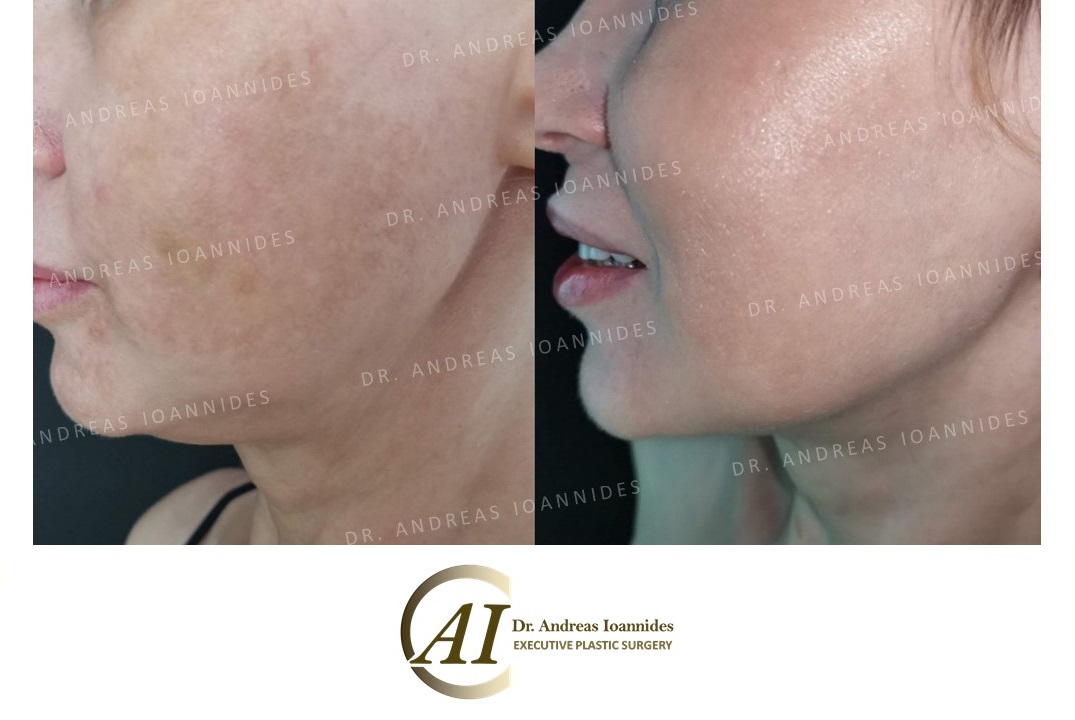
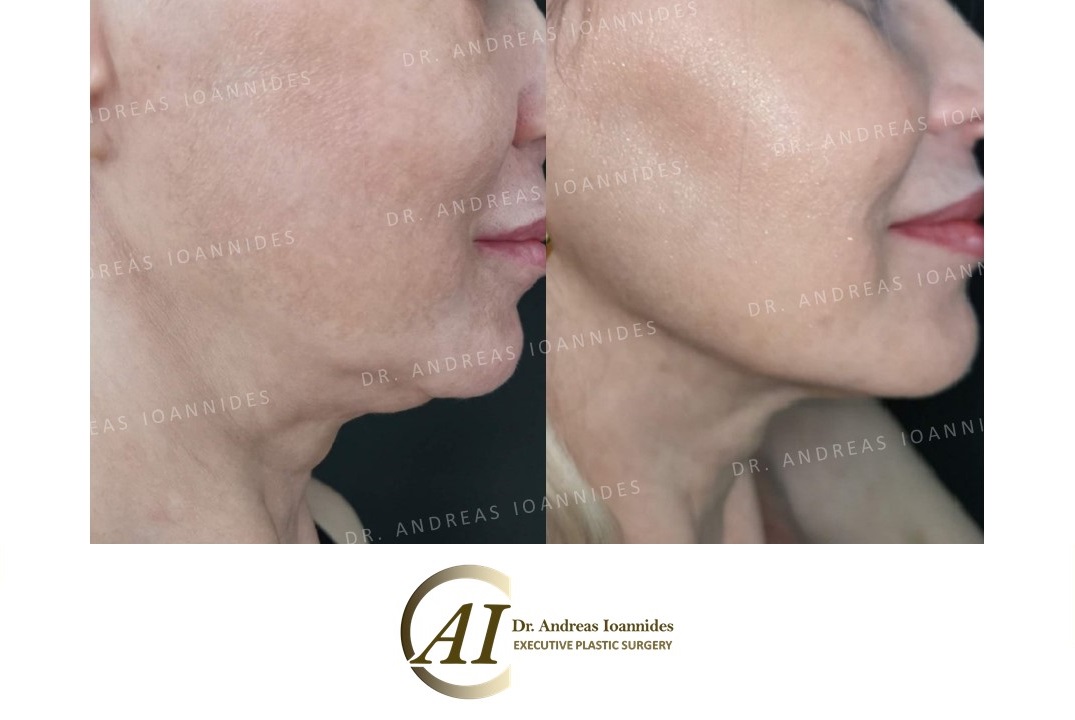
The contour of the lower face and the angle between the jaw and neck can be improved.
Neck Rejuvenation
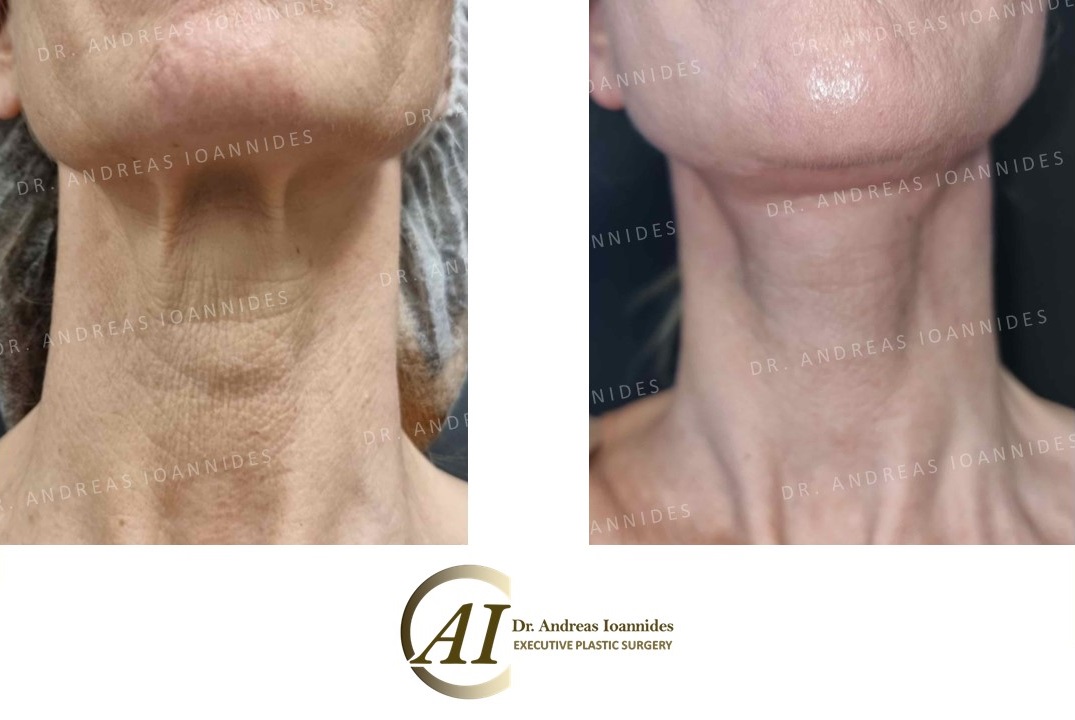
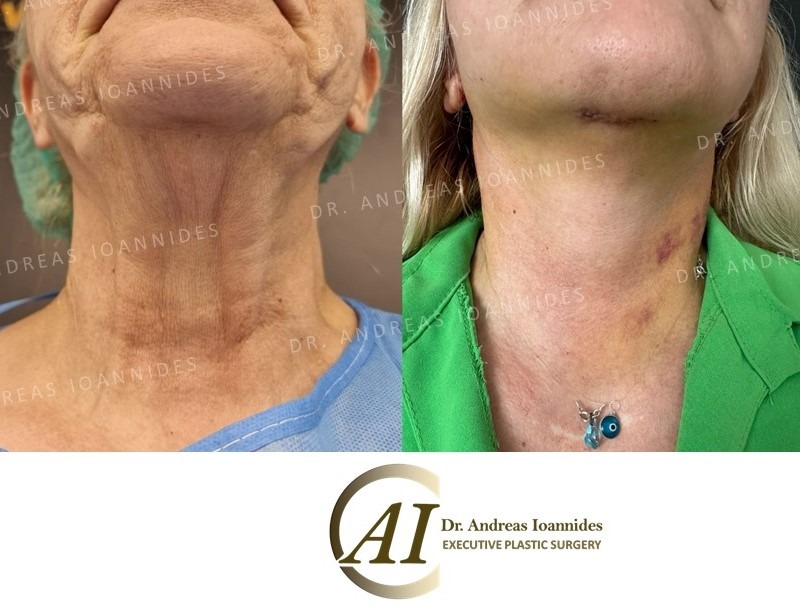
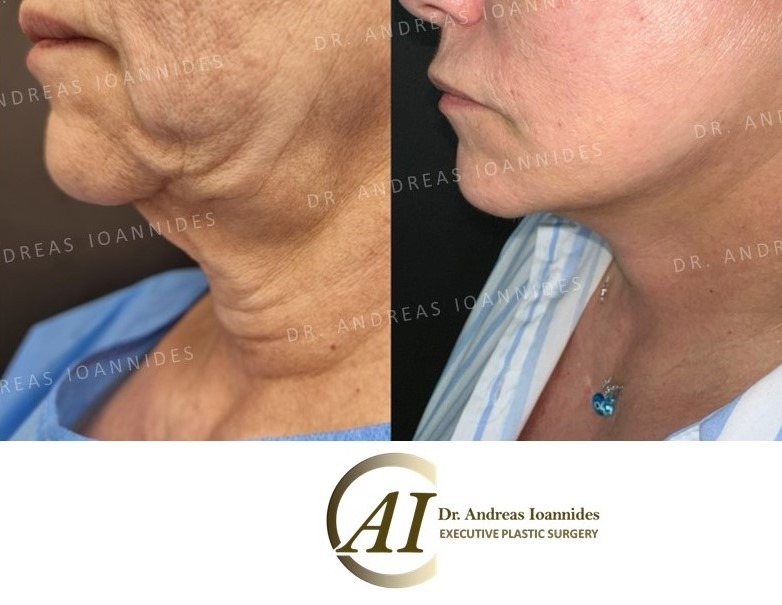
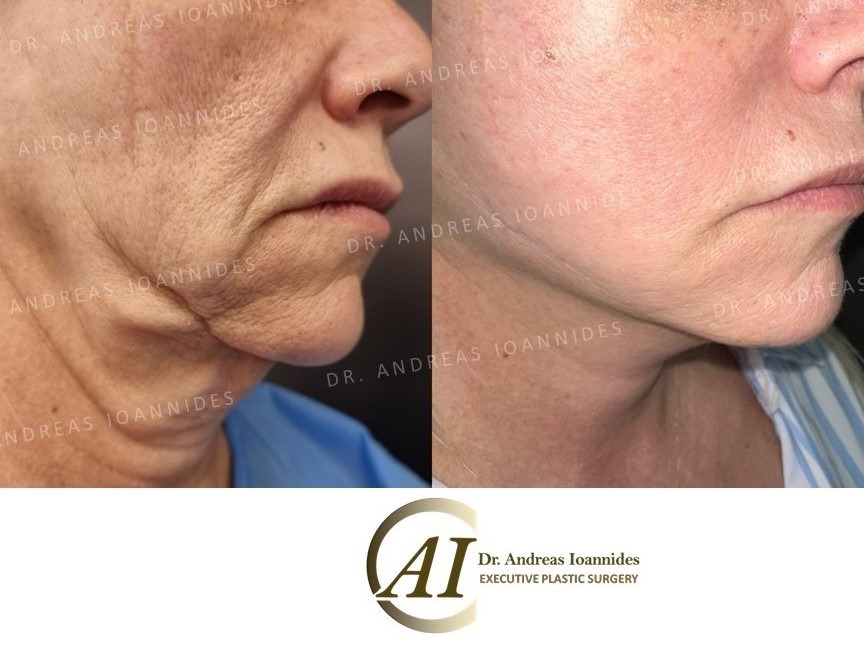
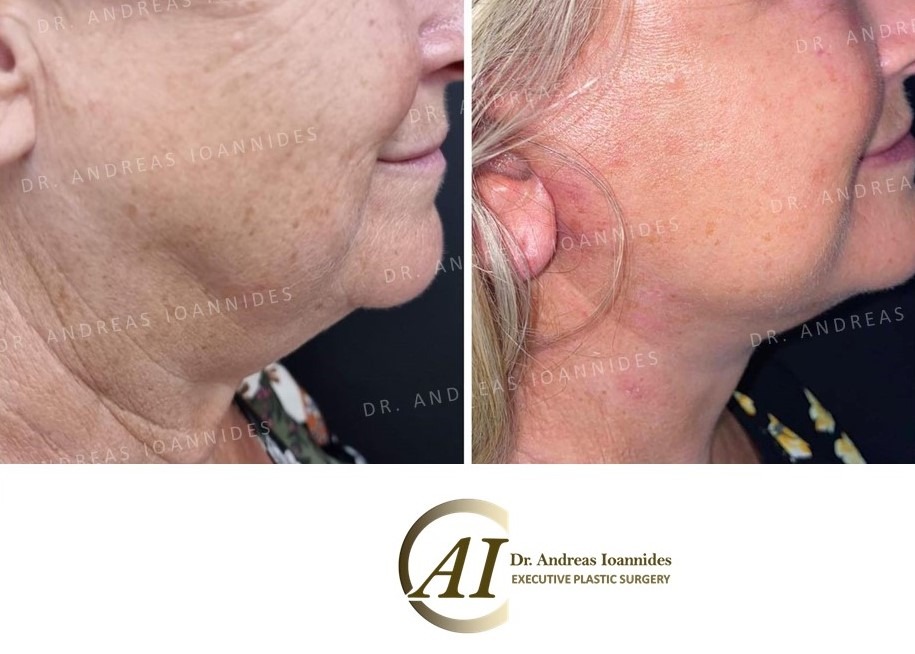
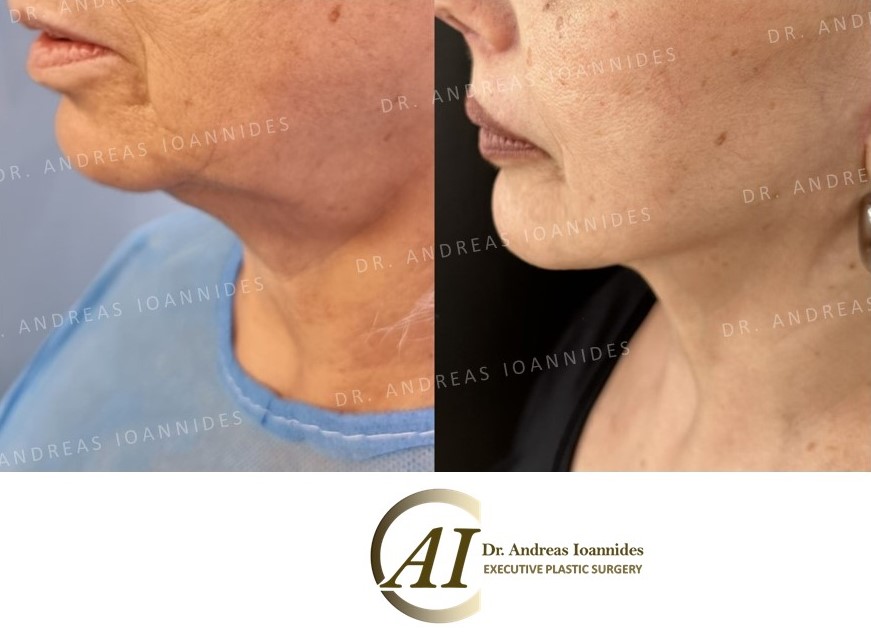
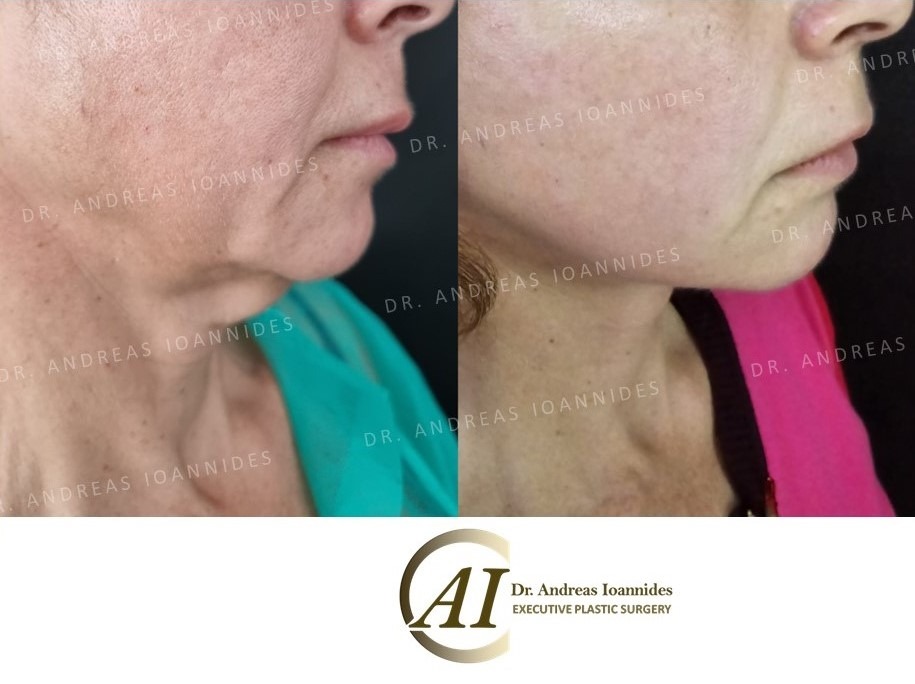
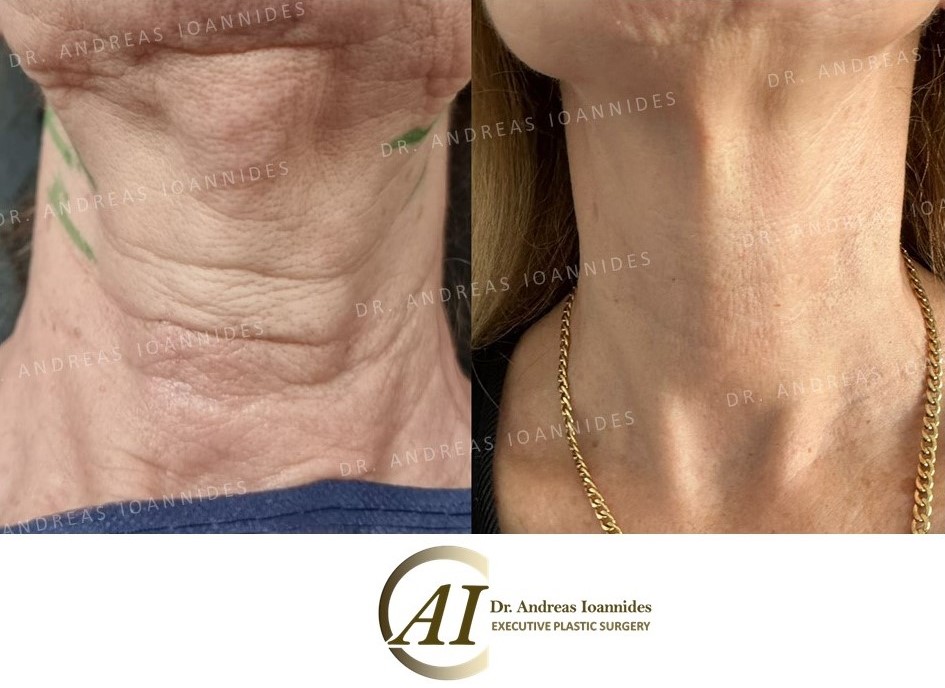
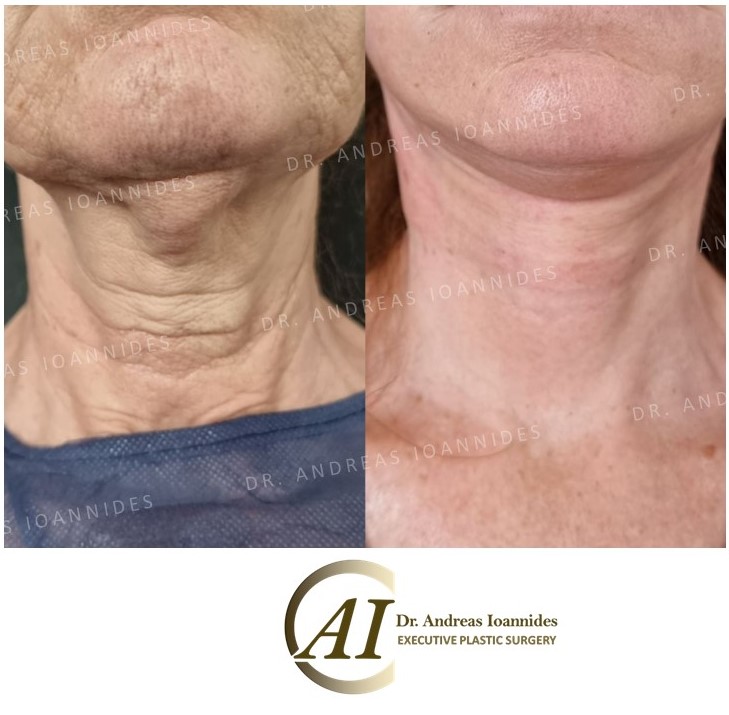
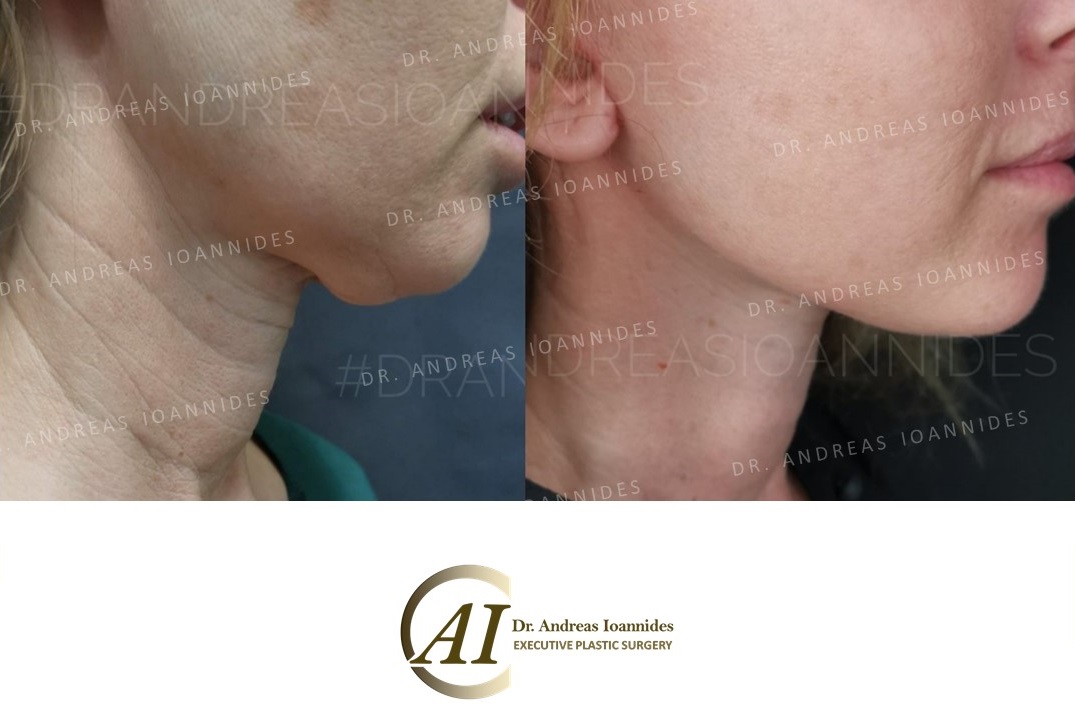
The technique addresses neck laxity and helps create a clearer cervicomental angle.
Midface Rejuvenation
The vertical lift improves the support of the cheeks and cheekbone area.
More Limited Surgical Access
The technique is designed around a precise and targeted surgical approach according to the patient’s individual anatomy.
Reduced Risk of an Over-Pulled Look
Tension is distributed through the deeper tissues rather than placed only on the skin.
Long-Term Rejuvenation Strategy
Anatomical repositioning creates a stronger foundation for the face and neck over time.
Which Areas Can Be Improved?
Midface
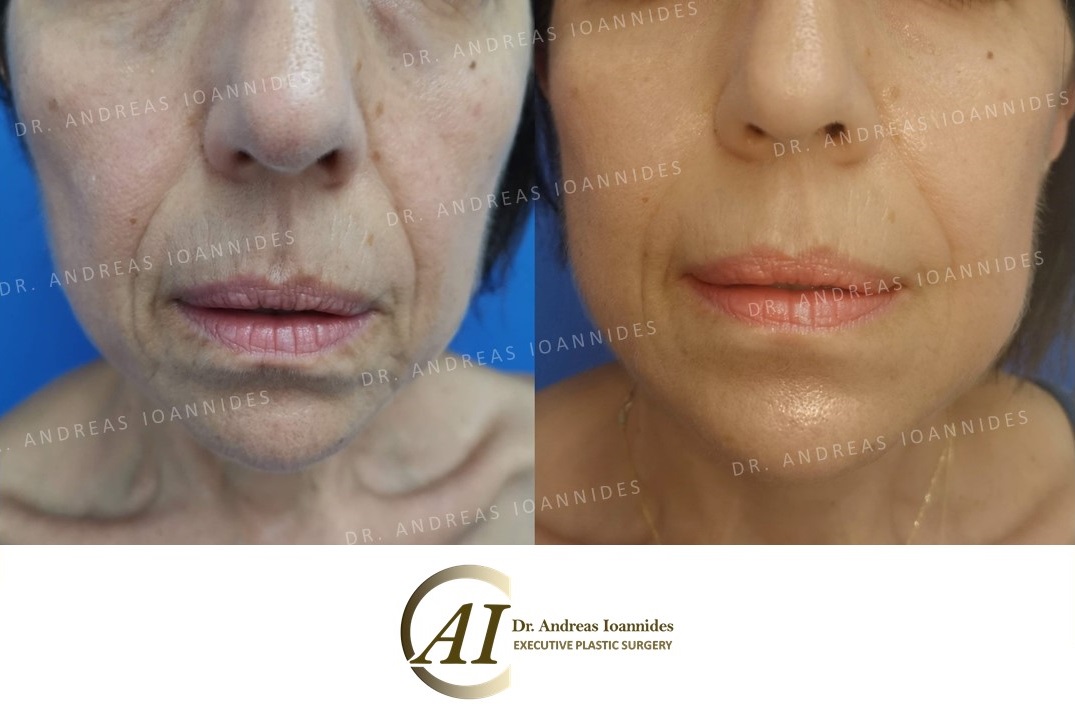
Helps reposition the cheek tissues and restore youthful support around the cheekbones.
Lower Face
Improves laxity, jowls and loss of facial definition.
Jawline
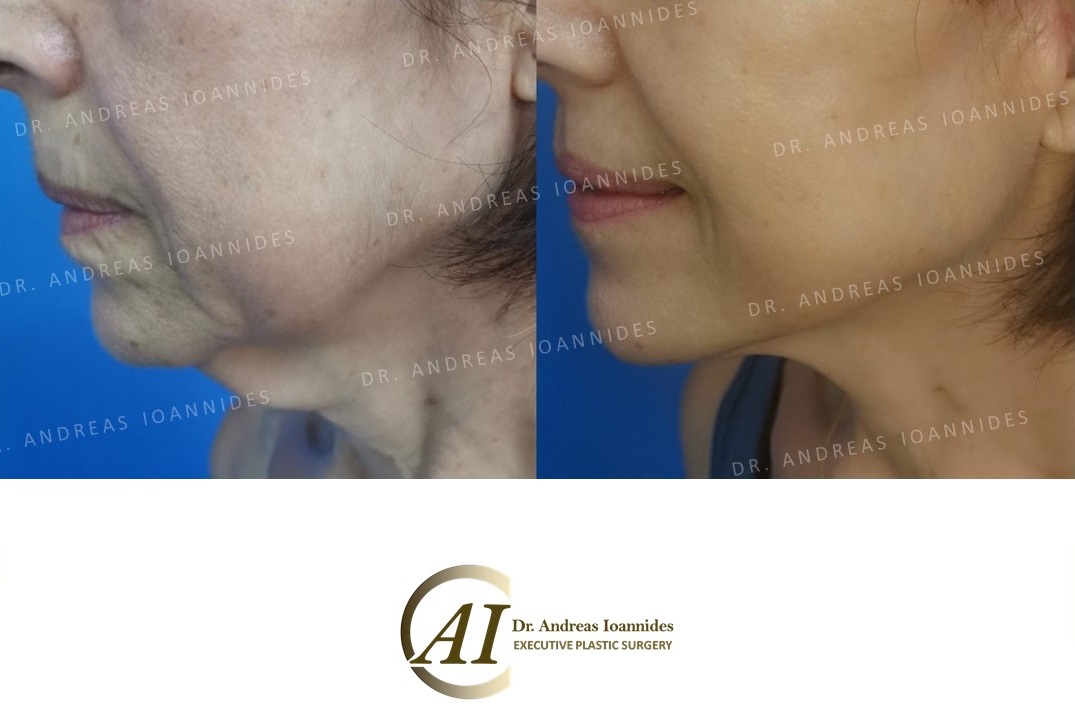
Redefines the lower facial contour and improves the transition between the face and neck.
Neck
Improves neck laxity and the jaw-to-neck angle according to the patient’s anatomy and needs.
Cheekbone Area
The vertical vector can help restore the soft tissues and improve the natural contour of the cheekbones.
Are You a Suitable Candidate?
SmartLift may be suitable for men and women who notice:
- Laxity in the lower face
- Loss of a defined jawline
- Neck laxity
- Jowls
- Descent of the midface tissues
- A heavy or tired appearance
- Loss of youthful facial architecture
- A desire for natural and meaningful lifting
- A wish to look refreshed without dramatic change
The procedure is often suitable for patients approximately 45 to 60 years old, although age alone is not the deciding factor.
Suitability depends mainly on:
- The degree of laxity
- Skin quality
- Facial and neck anatomy
- The position of the deeper tissues
- The patient’s goals and expectations
Request a Personalised Medical Assessment
Combination with Nanograft
Facial ageing does not cause laxity alone. It is often accompanied by volume loss, tissue thinning and changes in the natural distribution of facial fat.
Nanograft fat filling may be combined with SmartLift to:
- Restore lost volume
- Improve transitions between facial areas
- Support tissue quality
- Create a more complete rejuvenation
- Improve harmony between lifting and volume restoration
The goal is not excessive filling, but careful replacement of volume where it has been lost.
Combination with ARGON / FRBR Plus Argon
Deep tissue lifting may also be combined with technologies that improve tightening and skin quality.
ARGON / FRBR Plus Argon may be used, depending on the case, to provide:
- Additional tightening
- Improvement in skin texture
- Enhanced skin quality
- A more comprehensive approach to laxity
Combining lifting, volume restoration and skin-quality improvement allows for a more complete anti-ageing strategy.
More Than a Facelift
SmartLift does not treat only one isolated area of the face.
It is a personalised strategy that may combine:
- Lifting of the deeper tissues
- Restoration of the midface
- Jawline definition
- Neck rejuvenation
- Volume restoration
- Improvement in skin quality
Each treatment plan is adapted to the patient’s anatomy, degree of ageing and personal goals.
A Natural Result Without Obvious Overcorrection
A successful facelift should not be recognised as surgery.
Others may notice that you look more rested, fresher or more youthful without being able to identify exactly what has changed.
SmartLift aims to:
- Preserve natural facial expression
- Respect facial movement
- Avoid excessive lateral tension
- Enhance the individual features of each patient
It does not change the identity of the face.
It restores its natural balance.
How Long Does the Result Last?
The longevity of the result varies from patient to patient.
In appropriately selected cases, the result may last for many years and may, in some cases, remain visible for approximately 10 to 12 years. The Smartlift Deep Plane will always benefit you with a younger face for your biological age forever.
Longevity is influenced by factors such as:
- age
- skin quality and elasticity
- facial and neck anatomy
- the natural ageing process
- sun exposure
- smoking
- weight fluctuations
- lifestyle
- maintenance treatments
SmartLift does not stop the ageing process.
It repositions the tissues to a younger level and creates a refreshed starting point for the years ahead.
Anaesthesia
- Local and Sedation
- General Anesthesia
The most appropriate type of anaesthesia is selected according to:
- Tthe extent of the procedure
- Any additional techniques being performed
- The patient’s general health
- The personalised surgical plan
All options and preoperative instructions are discussed in detail during the consultation.
Recovery
Recovery depends on the extent of the procedure and any combined treatments.
During the first days, patients may experience:
- swelling
- bruising
- mild tenderness
- a feeling of tightness
- temporary numbness in certain areas
The appearance improves gradually over the following weeks.
The result continues to evolve as swelling subsides, tissues settle into their new position and the incisions mature.
The exact timeframe for social and professional recovery varies from patient to patient and depends on the personalised surgical plan.
Frequently Asked Questions
- Will My Face Look Pulled?
The aim of SmartLift is to reposition the deeper tissues anatomically rather than create excessive tension on the skin. The dual lifting direction contributes to a more natural and balanced result.
- How Is It Different from a Traditional Facelift?
The main difference lies in the combination of vertical and horizontal or oblique lifting vectors, together with deeper SMAS mobilisation. This allows the technique to address the midface, lower face and neck more comprehensively.
- Does It Improve the Neck?
Yes. SmartLift is designed to improve both the face and neck. The exact extent of neck correction depends on the patient’s anatomy and degree of laxity.
- Can It Improve the Cheekbones?
The vertical lifting vector can help reposition the midface tissues and improve the natural support of the cheekbone area.
- Can It Be Combined with Fat Transfer?
Yes. In cases of volume loss, SmartLift may be combined with Nanograft or other fat-transfer techniques for a more complete result.
- Is It Suitable for Everyone?
No. The most appropriate technique is selected after clinical examination, anatomical assessment and a detailed discussion of the patient’s goals.
- How Long Does the Result Last?
Longevity varies and depends on many individual factors. In appropriate cases, the result may remain visible for many years, although no exact duration can be guaranteed for every patient.
- Will There Be Scars?
Every facelift requires surgical incisions. These are planned in discreet anatomical areas whenever possible. Final scar appearance depends on each patient’s healing response.
SmartLift by Dr. Andreas Ioannides
More Than Just a Facelift
It is a personalised strategy for the anatomical restoration of the face and neck.
The combined use of vertical and horizontal lifting vectors helps:
- Rejuvenate the midface naturally
- Restore tissues towards a more youthful position
- Improve jawline definition
- Rejuvenate the neck
- Preserve the patient’s identity
The result is designed to look natural, elegant and harmonious.
Discover Whether SmartLift Is Right for You
During your personal consultation, the following areas are assessed:
- The mid and lower face
- The position of the cheeks and cheekbones
- The jawline
- The degree of neck laxity
- Skin quality
- Possible volume loss
- Your personal needs and expectations
Based on these findings, a personalised plan is created. This may include SmartLift alone or in combination with additional techniques.
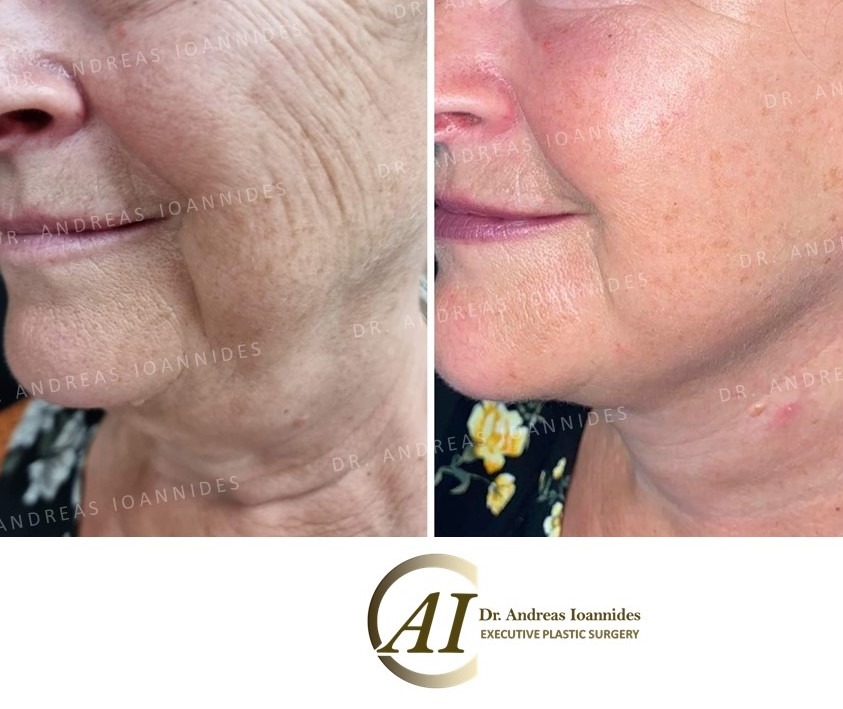
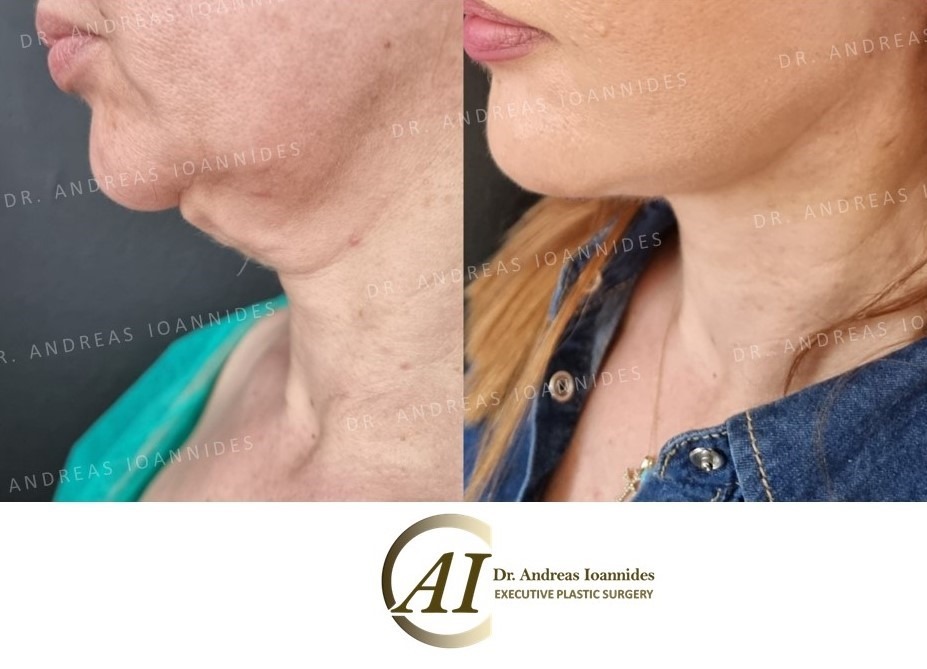
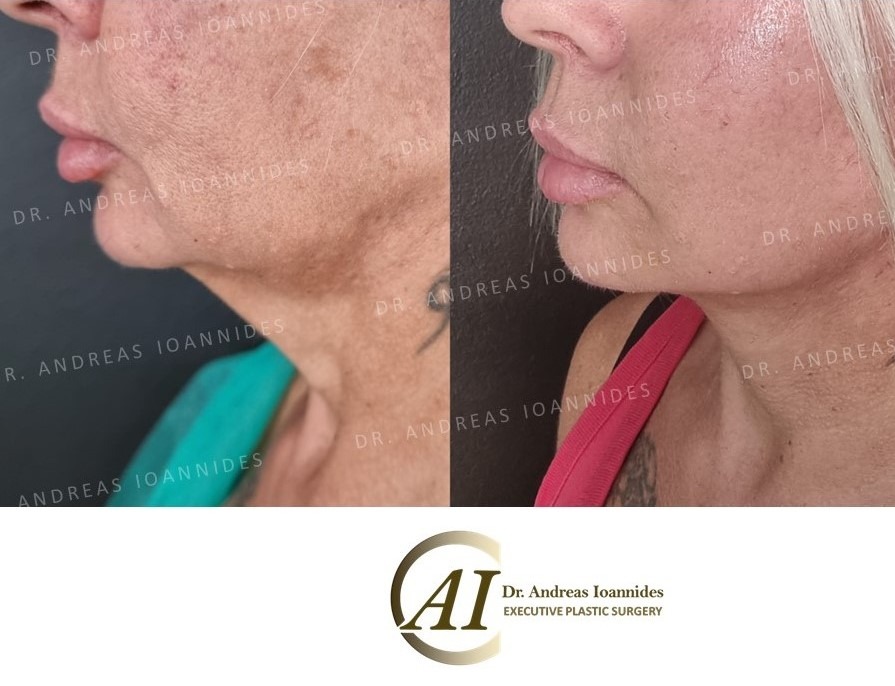
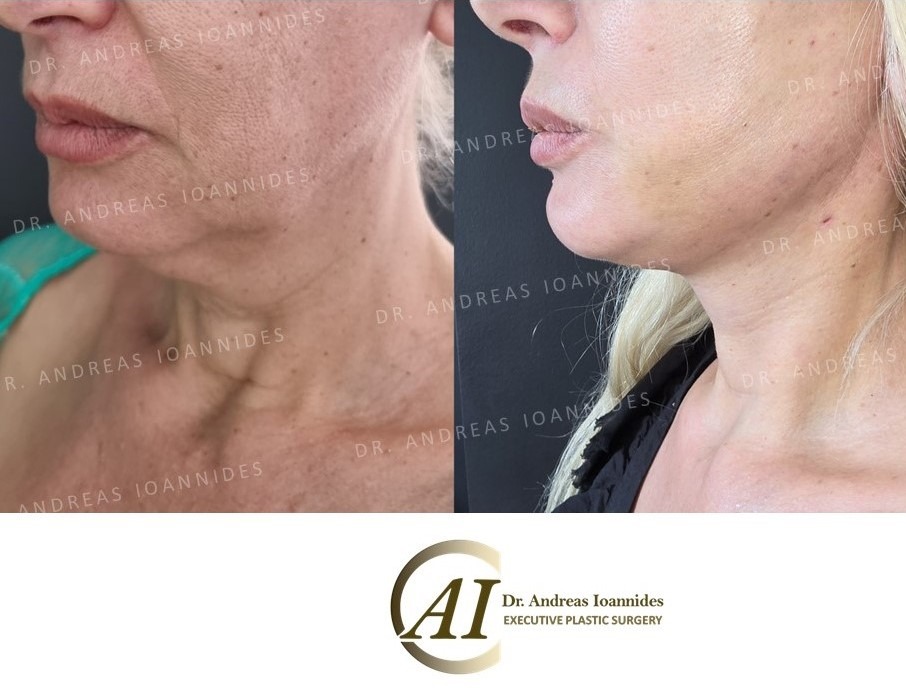




CONTACT
Dr. Andreas Ioannides
Contact us and book an appointment immediately
Choose your appointment by video call or by visiting one of our clinics!
Dr. Andreas Ioannides Executive Plastic Surgery is one of the most complete plastic surgery clinics and the international medical aesthetic medical centers ADVANCED AESTHETICS provide modern medical techniques and aesthetic medical treatments in Greece and Cyprus.
September and Plastic Surgery: Why Autumn Can Be a Good Time to Plan an Aesthetic Procedure
September and Aesthetic Treatments: Why It’s the Ideal Time for a Fresh Start
Thinking About Labiaplasty? 10 Things You Should Know Before Moving Forward
Labiaplasty: Everything You Need to Know About the Procedure That Improves Comfort and Confidence
Medical Tourism in Greece and Cyprus: Choosing Quality, Experience, and Safety
Rhinoplasty: Everything You Need to Know
Body Firming & Contouring – Advanced Aesthetics by Dr. Andreas Ioannides
Athens Clinic
T +30.210 9595566
Email: info@andreasioannides.com
Address: Syggrou Ave, 284, Kallithea, Zip 17673 – Athens
Cyprus Clinics
T +357.22335002
Email: info@andreasioannides.com
Athenium International Medical Institute
Address: Giannitson 9 Strovolos, Nicosia 2027, Cyprus
Address: Thiseos 1, Lemesos 3025, Zip 4004 – Cyprus
Copyright © 2022