


The T.T.A. LIFT is an advanced, minimally invasive facial lifting technique designed to reposition and support selected facial tissues with precision.
The technique has been developed with the aim of providing:
- natural facial rejuvenation,
- improvement of tissue laxity,
- better support of deeper facial structures,
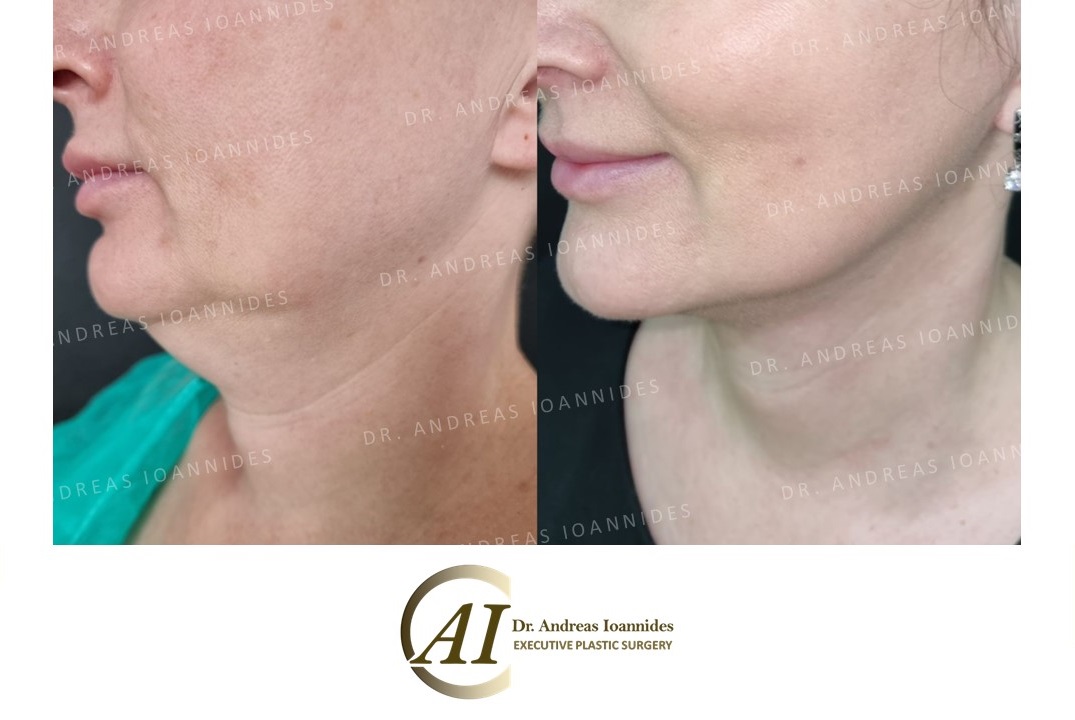
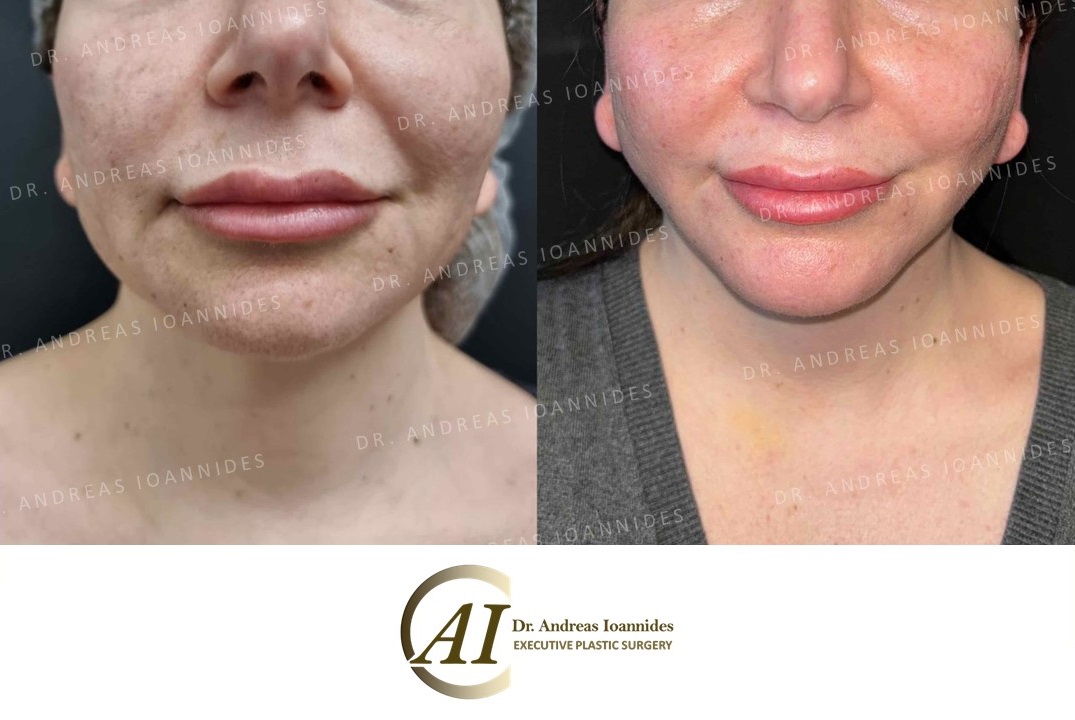
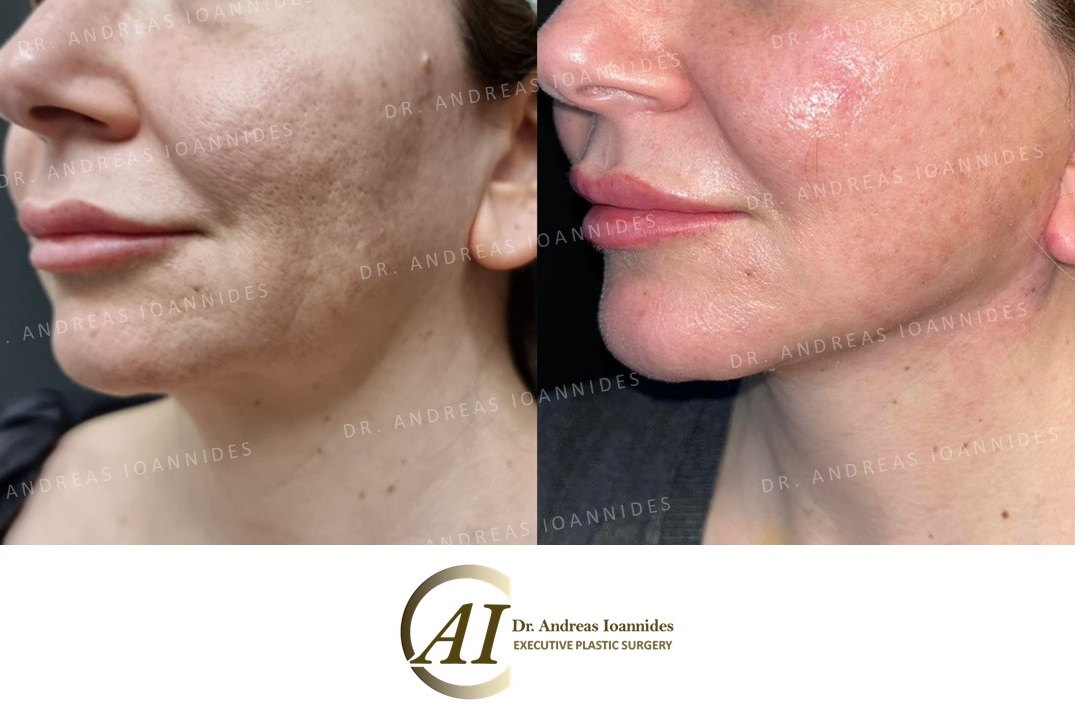
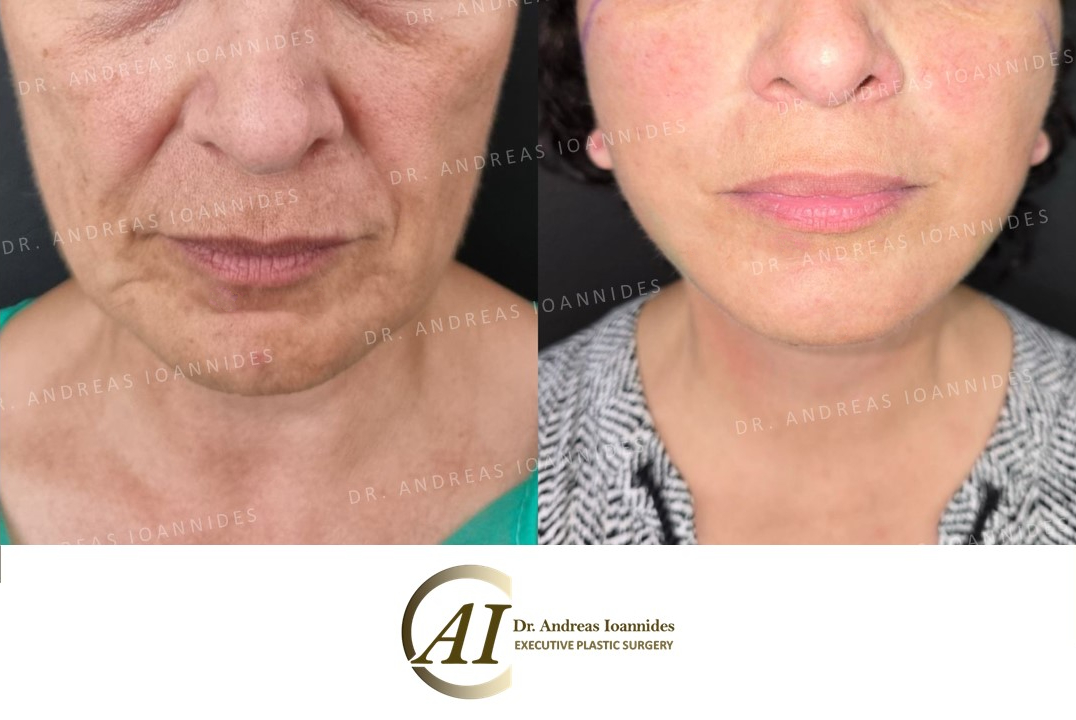
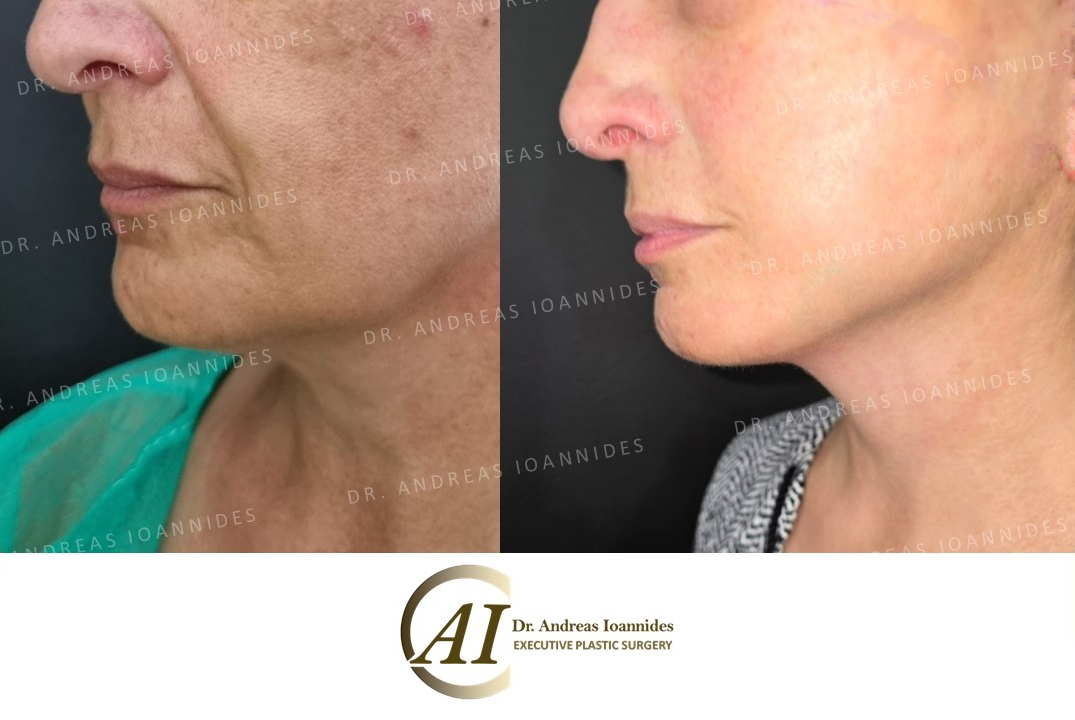
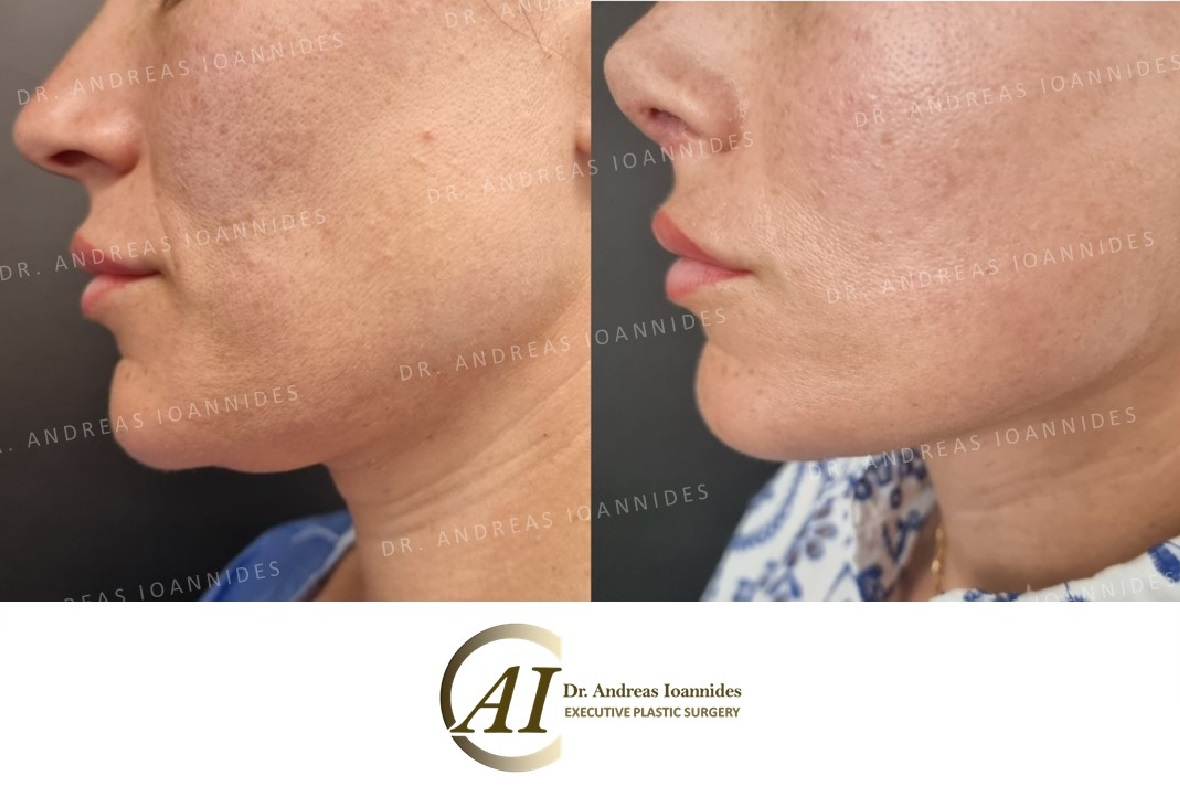
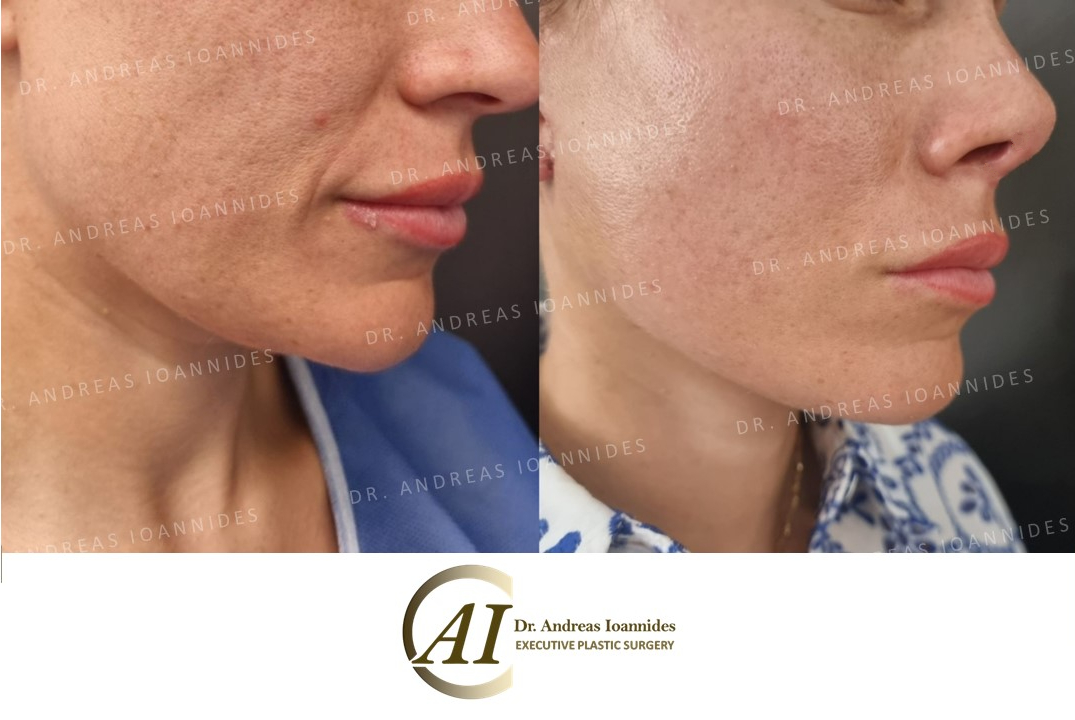
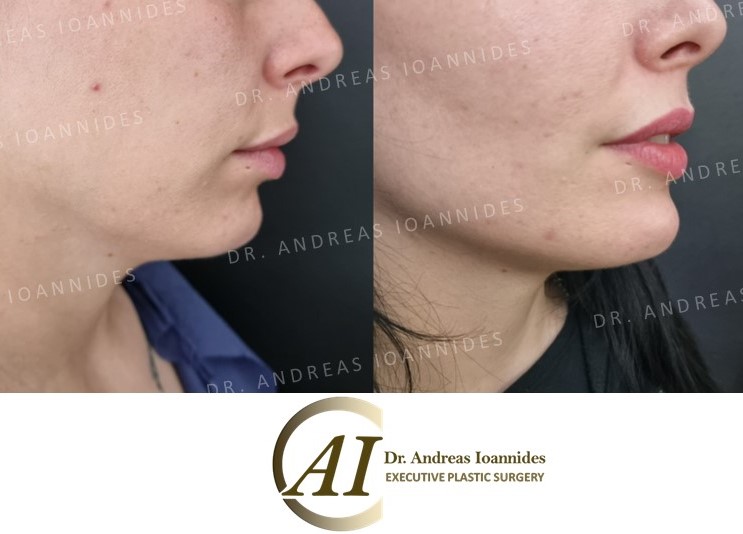
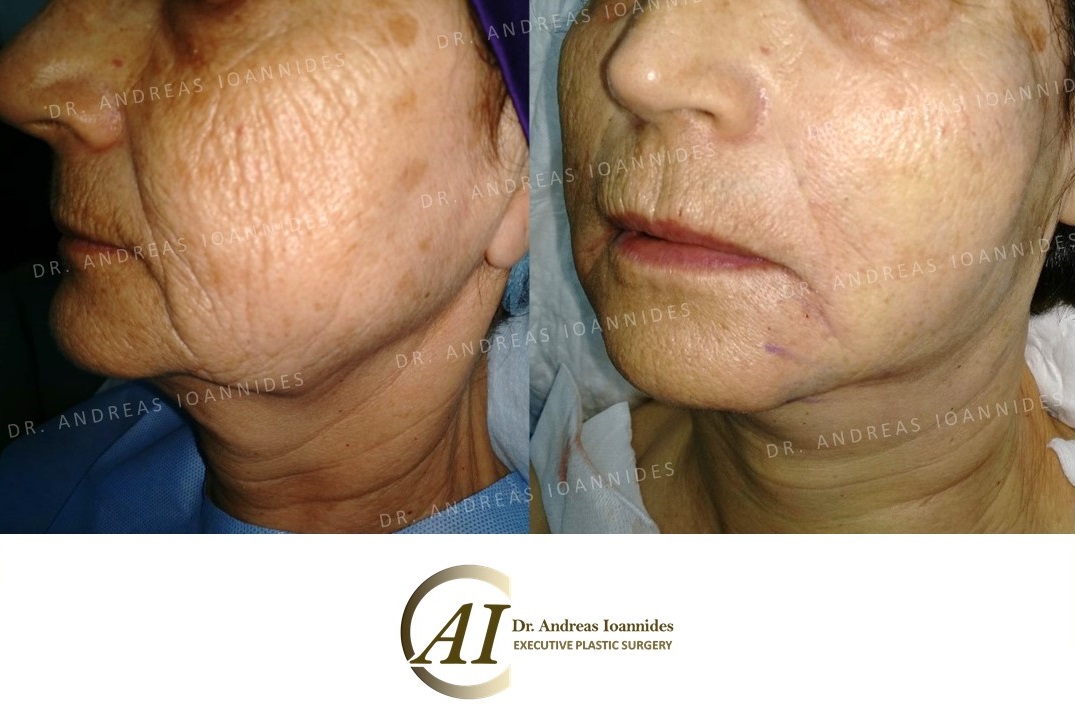
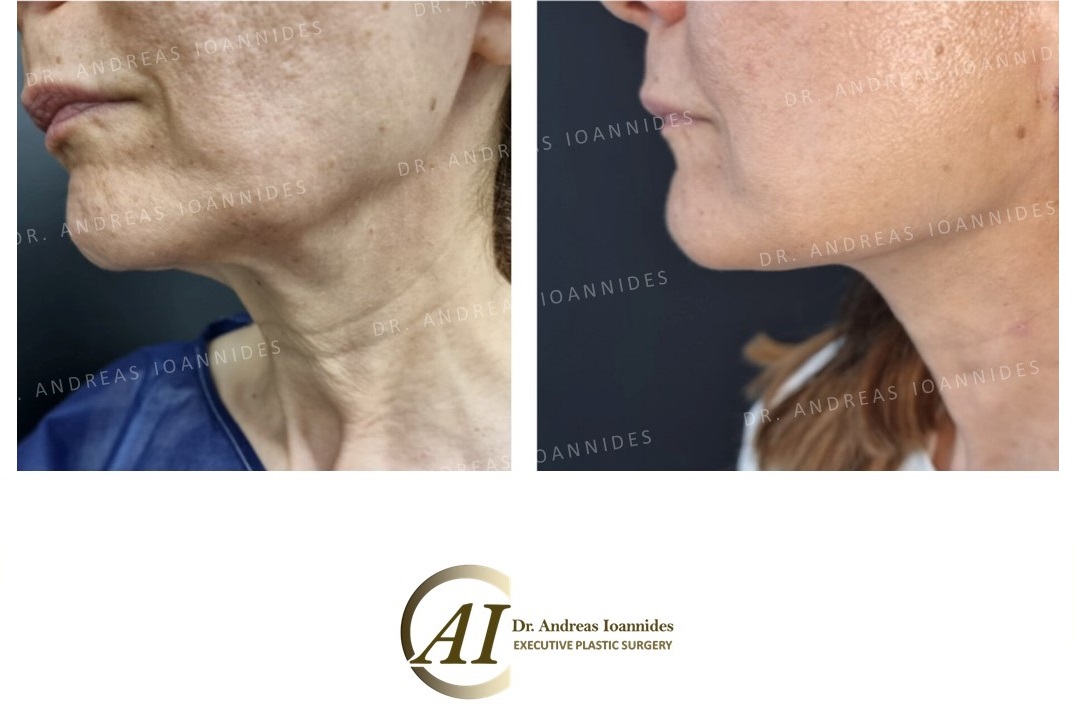
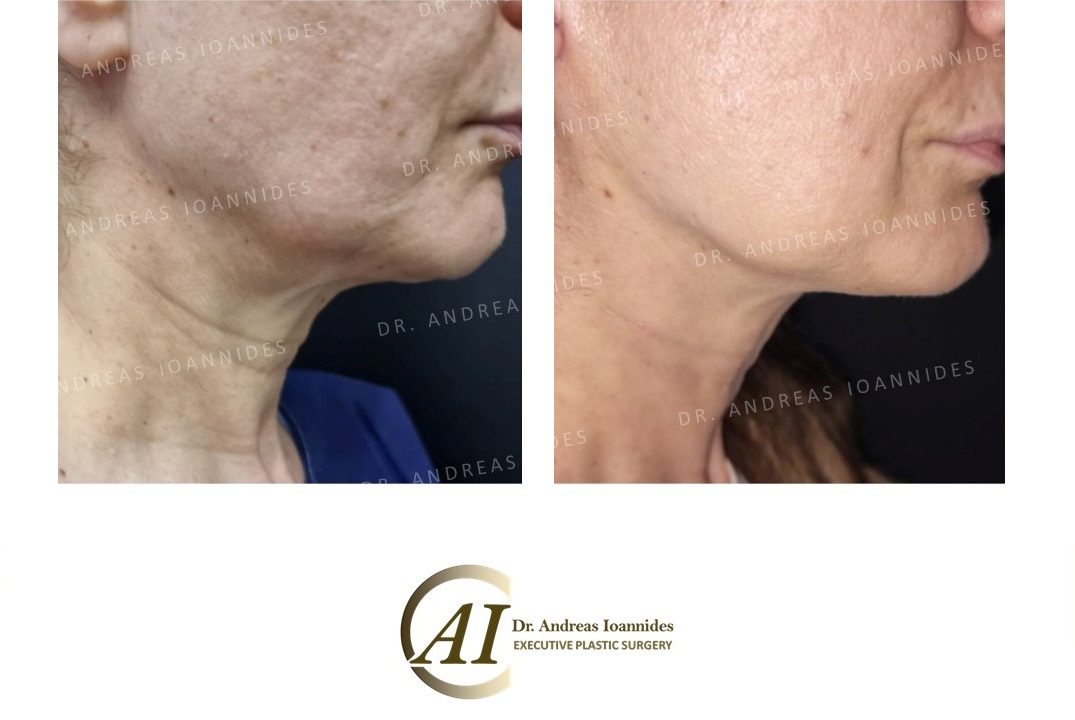
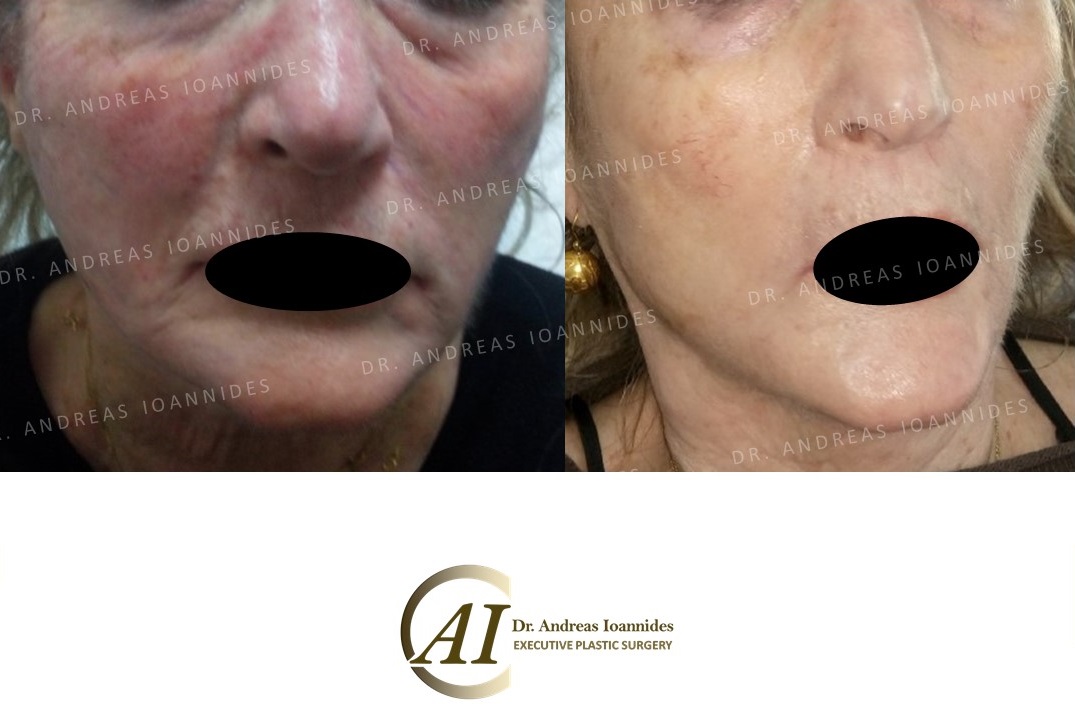
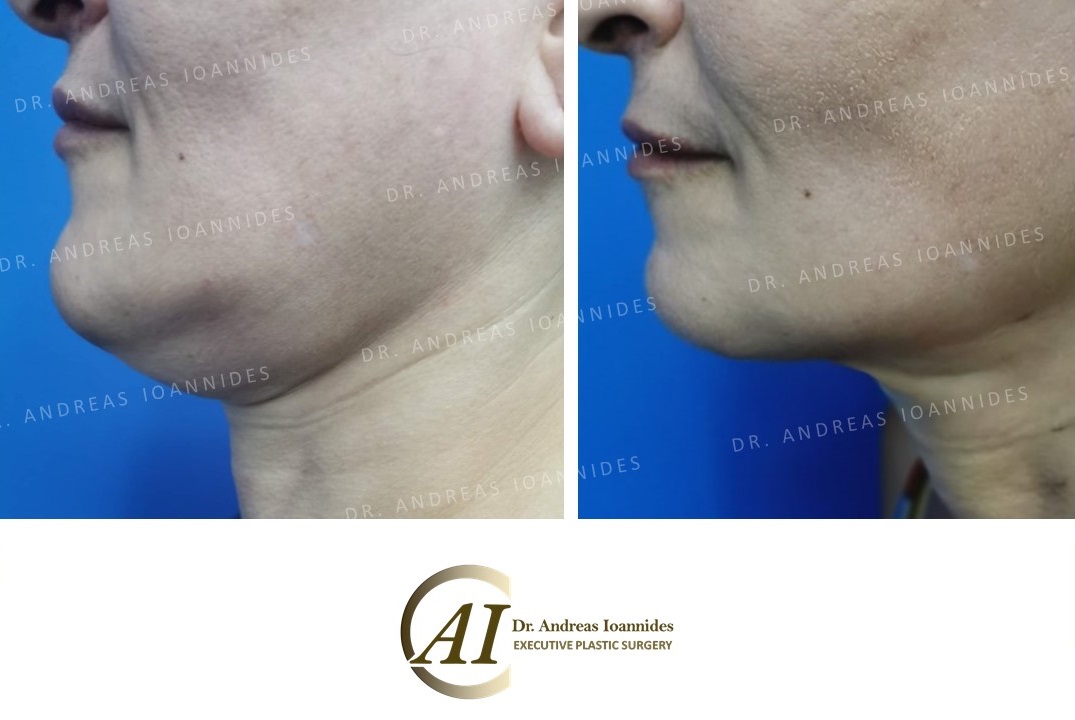
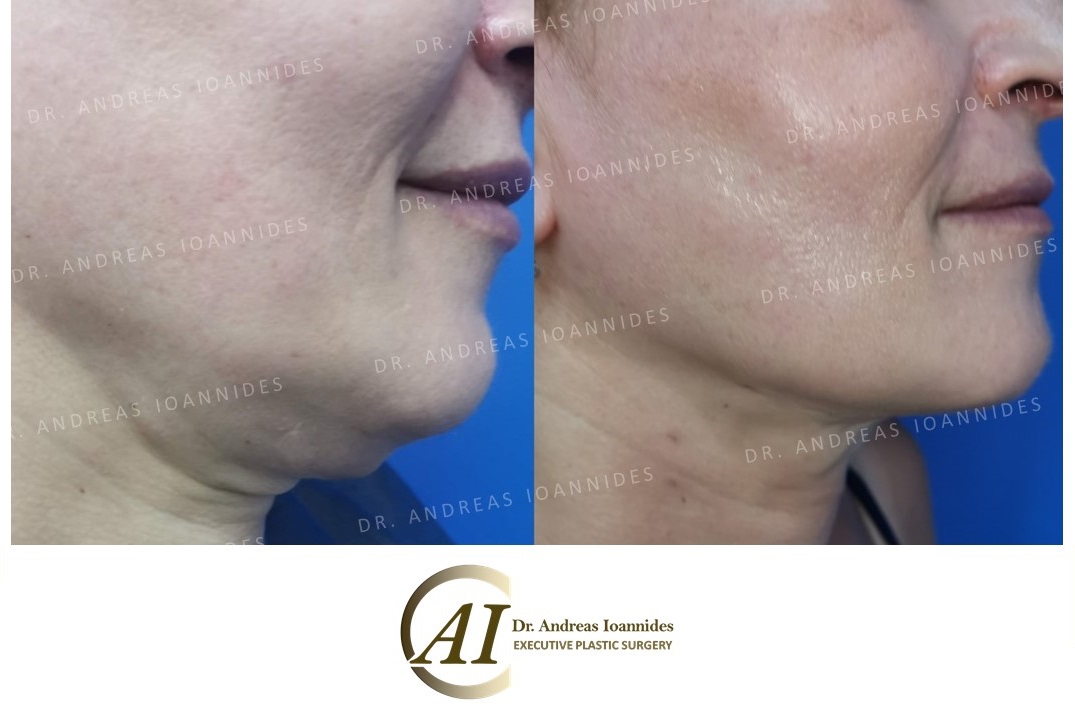
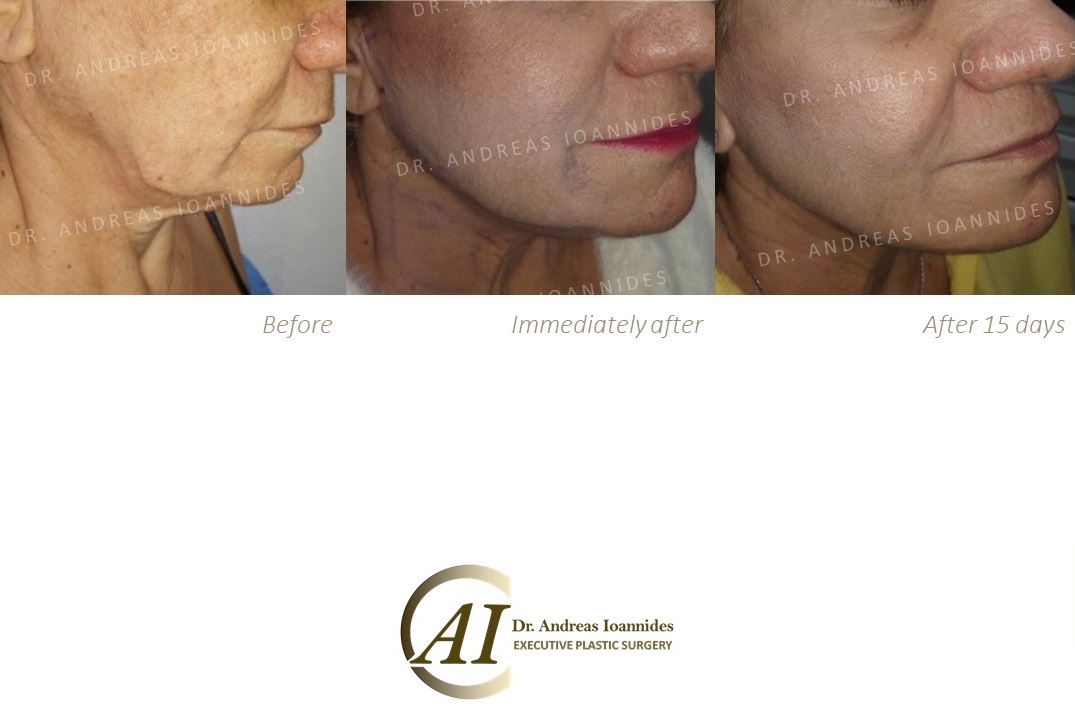
- a more defined facial contour,
- less extensive surgical intervention compared with more invasive facelift techniques,
- a result that preserves the patient’s natural expression and identity.
The philosophy of T.T.A. LIFT is not to pull the entire face in one direction.
The aim is to identify the areas where natural support has been lost and reposition the appropriate tissues along the correct anatomical vectors.
What is the T.T.A. LIFT?
The initials T.T.A. stand for Targeted Tissue Adjustment.
The technique is based on the selective repositioning and adjustment of facial tissues.
As the face ages, the changes do not affect the skin alone.
There are also changes in:
- deeper soft tissues,
- supporting ligaments,
- volume distribution,
- cheek position,
- jawline definition,
- the relationship between the face and neck.
For this reason, true facial rejuvenation cannot always be achieved by simply tightening the skin.
The T.T.A. LIFT is designed to address the specific areas where support has been lost, with the aim of restoring more youthful proportions in a natural way.
What makes the T.T.A. LIFT different?
The technique is based on a combination of key principles.
1. Targeted repositioning of deeper tissues
The procedure does not focus on the skin alone.
Selected deeper tissues are repositioned and supported according to the individual needs of the face.
This may help to:
- improve laxity,
- restore more youthful contours,
- provide better facial support,
- preserve a more natural appearance.
2. Small, strategically positioned incisions
The T.T.A. LIFT is designed to minimise unnecessary surgical intervention.
Incisions are selected according to:
- the area requiring lifting,
- the patient’s anatomy,
- the degree of laxity,
- the treatment plan.
The aim is to achieve the required access with the most discreet surgical footprint possible.
3. A natural lifting vector
One of the most important elements of a natural facelift is the direction of the lift.
Ageing does not occur only horizontally.
Over time, tissues lose support and descend.
For this reason, the T.T.A. LIFT also uses a vertical repositioning vector, particularly when restoring:
- the central face,
- the cheeks,
- facial contours,
- natural volume distribution.
The aim is to avoid an excessively lateral or “pulled” appearance.
4. Combination with ThermiRF where indicated
In selected patients, the T.T.A. LIFT may be combined with ThermiRF / ThermiLift technology.
Controlled radiofrequency energy may be used as a complementary tool for:
- subcutaneous tightening,
- improved tissue adaptation,
- support of collagen remodelling.
Energy-based technology is not necessary in every case.
It is selected only when it may offer meaningful benefit within the individual treatment plan.
5. A more limited surgical burden
In appropriately selected patients, the targeted nature of the procedure may reduce the extent of surgery compared with a more extensive facelift.
This may be associated with:
- more limited swelling,
- less bruising,
- faster return to normal activities,
- reduced surgical burden.
The actual recovery period always depends on the extent of surgery and any combination of procedures.
T.T.A. LIFT 1
Targeted lifting of the upper face
The T.T.A. LIFT 1 focuses primarily on the upper third of the face.
It may involve:
- the forehead,
- the brows,
- the temporal area,
- the upper periocular region,
- overall rejuvenation of the upper facial expression.
It may be suitable for patients who present with:
- brow ptosis,
- heaviness in the upper face,
- a tired appearance,
- asymmetry,
- temporal laxity.
In selected cases, it may be combined with S.G. Brow Lift or blepharoplasty.
T.T.A. LIFT 2
Targeted lifting of the lower face and facial contour
The T.T.A. LIFT 2 focuses mainly on the lower face.
It may address:
- the jawline,
- lower cheeks,
- jowls,
- loss of contour definition,
- mild to selected moderate neck laxity.
The aim is to improve the transition between:
- the cheek,
- jawline,
- chin,
- neck.
The result is designed to look defined without appearing excessively tight.
Who is a suitable candidate for T.T.A. LIFT?
The T.T.A. LIFT may be suitable for women and men who:
- have mild to moderate facial laxity,
- have lost clear facial definition,
- have tissue descent without major excess skin,
- want a more natural-looking result,
- prefer a more limited surgical approach than a traditional facelift,
- are looking for a longer-lasting solution than temporary non-surgical treatments,
- have realistic expectations.
It is often considered in patients around 45–60 years of age, although age alone is not the deciding factor.
Tissue quality and the degree of laxity are more important.
T.T.A. LIFT or traditional Facelift?
There is no single technique that is best for everyone.
T.T.A. LIFT
It may be suitable when there is:
- mild to moderate laxity,
- localised tissue descent,
- a need for targeted repositioning,
- a preference for more limited surgical intervention.
More extensive Facelift
It may be more appropriate when there is:
- significant excess skin,
- advanced laxity,
- marked neck descent,
- extensive changes throughout the lower face.
The choice is made after clinical assessment.
The smallest or the largest procedure is not automatically the best one. The right procedure is the one that matches the patient’s anatomy.
T.T.A. LIFT or thread lift?
Thread lifting and the T.T.A. LIFT have different mechanisms of action.
Threads are a less invasive option that may provide limited and temporary support in selected cases.
The T.T.A. LIFT is a surgical technique that allows more direct access and repositioning of selected tissues.
For this reason, it may be more appropriate when facial laxity has progressed beyond what a simple non-surgical lifting treatment can address.
T.T.A. LIFT or fillers?
Fillers mainly restore volume.
They do not truly reposition tissues that have significantly descended.
In some patients, excessive filler in a face that actually needs lifting may increase heaviness without correcting the underlying cause.
The T.T.A. LIFT focuses on repositioning.
Fat transfer or fillers may, where indicated, be used as complementary treatments for volume restoration.
Combination with Nanofat / Nanograft
Facial ageing involves not only tissue descent but also volume loss.
In selected patients, the T.T.A. LIFT may be combined with Nanofat / Nanograft fat transfer.
Fat transfer may be used to:
- restore selected areas of volume,
- improve transitions,
- support more natural proportions,
- complement the quality of the tissues.
The amount and placement of fat are individually planned.
Combination with FRBR Plus Argon
In selected cases, the treatment plan may incorporate Argon Plasma or other tissue-tightening technologies.
The aim is to provide additional support for tissue tightening and improve adaptation of the soft tissues.
It is not used in every patient.
The choice depends on:
- tissue thickness,
- the treatment area,
- the degree of laxity,
- skin quality.
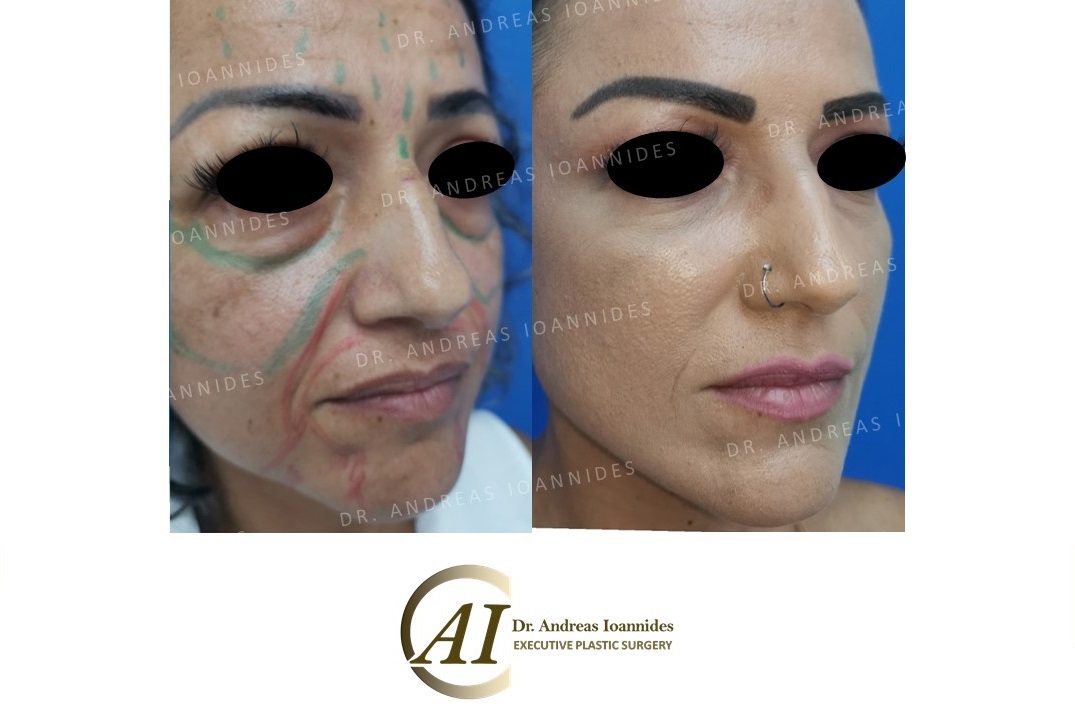
Combination with Blepharoplasty & Midface Suspension
When there is also:
- excess eyelid skin,
- under-eye bags,
- midface laxity,
- cheek descent,
the T.T.A. LIFT may be incorporated into a more comprehensive facial rejuvenation plan.
The combination may include:
- upper blepharoplasty,
- lower blepharoplasty,
- Midface Suspension Technique,
- fat transfer.
Combination with S.G. Brow Lift
In patients with upper-face laxity or brow ptosis, combination with the Smart Gliding Brow Lift may be considered.
This allows different levels of facial ageing to be addressed, including:
- the brows,
- temples,
- eyes,
- midface,
- lower face.
Combined treatment is selected only when it is genuinely necessary.
How is the T.T.A. LIFT performed?
The technique is fully adapted to the patient’s anatomy.
The procedure may include:
1. Facial analysis
The surgeon assesses:
- facial proportions,
- areas of tissue descent,
- skin quality,
- the position of deeper tissues,
- symmetry.
2. Planning the lifting vectors
The same lifting direction is not used for every patient.
The vector is selected according to the direction that best restores the natural position of the tissues.
3. Limited surgical access
Incisions are planned according to the area being treated and the degree of correction required.
4. Repositioning and support
Selected tissues are adjusted and stabilised.
5. Complementary techniques
Where indicated, the plan may also include:
- ThermiRF,
- fat transfer,
- blepharoplasty,
- Brow Lift,
- another facial rejuvenation procedure.
What type of anaesthesia is used?
Anaesthesia depends on:
- whether T.T.A. LIFT 1 or 2 is performed,
- the extent of surgery,
- whether additional procedures are combined,
- the total duration.
Options may include:
- local anaesthesia,
- local anaesthesia with sedation,
- another anaesthetic approach for larger combined procedures.
The most appropriate option is determined following preoperative assessment.
What is recovery like?
Recovery depends on the extent of the procedure.
During the first few days, patients may experience:
- swelling,
- bruising,
- a feeling of tightness,
- mild tenderness,
- temporary numbness.
With more targeted procedures, postoperative recovery may be more limited than after a more extensive facelift.
However, there is no single recovery time that applies to everyone.
When can I return to normal daily activities?
Return to light activities may be relatively early in many patients.
Social recovery depends mainly on:
- swelling,
- bruising,
- the extent of surgery,
- any combined procedures.
Strenuous exercise is resumed later and only after guidance from the surgeon.
When will I see the results?
An initial improvement may be visible early.
However, the result continues to develop gradually as:
- swelling decreases,
- tissues settle,
- the new position stabilises,
- healing progresses.
The final result is assessed after the healing process has substantially progressed.
How long do the results last?
The T.T.A. LIFT is designed to provide a long-lasting improvement.
However, it cannot stop the natural ageing process.
The duration of the result is influenced by:
- age,
- skin quality,
- anatomy,
- lifestyle,
- weight changes,
- genetics.
The face continues to age naturally, but from a rejuvenated anatomical position.
Will I look “operated on”?
This is exactly what the T.T.A. LIFT is designed to avoid.
The goal is not:
- excessively tight skin,
- unnaturally high tissue position,
- altered facial features.
The goal is:
- improved support,
- a cleaner contour,
- restoration of natural proportions,
- preservation of facial expression.
The aim is for you to look more rested and refreshed — not different.
Why choose T.T.A. LIFT with Dr Andreas Ioannides?
The T.T.A. LIFT by Dr Andreas Ioannides is based on the principle that facial rejuvenation should be individualised.
Dr Andreas Ioannides, Plastic, Aesthetic & Reconstructive Surgeon, evaluates:
- facial shape,
- tissue position,
- the degree of laxity,
- skin quality,
- muscular and skeletal anatomy,
- volume distribution,
- the patient’s natural expression.
Based on this analysis, the surgical plan determines:
- the area that genuinely requires lifting,
- the correct vector,
- the appropriate extent,
- any complementary techniques.
One facelift is not applied to everyone. The right adjustment is designed for your face.
T.T.A. LIFT by Dr Andreas Ioannides
The Targeted Tissue Adjustment Lift is a technique designed around the philosophy of targeted anatomical restoration.
Rather than performing a generalised lift, the objective is to correct only the areas that truly require repositioning.
This allows:
- greater personalisation,
- a more natural result,
- better preservation of individual facial expression,
- the possibility of combining treatment with modern facial rejuvenation techniques.
How much does the T.T.A. LIFT cost?
The cost of the T.T.A. LIFT varies according to the personalised surgical plan.
The final price depends on:
- whether T.T.A. LIFT 1 or T.T.A. LIFT 2 is performed,
- the degree of laxity,
- the extent of surgery,
- anaesthesia,
- whether ThermiRF is combined,
- whether fat transfer is performed,
- whether it is combined with blepharoplasty, S.G. Brow Lift or Midface Suspension,
- the total duration of surgery.
For this reason, the exact cost is determined after a personal consultation.
Would you like to know if the T.T.A. LIFT is right for you?
During your personal consultation, Dr Andreas Ioannides will assess:
- the upper, middle and lower face,
- brow position,
- the cheeks,
- the jawline,
- the neck,
- the degree of laxity,
- volume loss,
- skin quality,
- your desired outcome.
The most appropriate approach can then be designed, whether this involves:
T.T.A. LIFT 1, T.T.A. LIFT 2, S.G. Brow Lift, blepharoplasty, Midface Suspension, ThermiRF, Nanofat / Nanograft or a combination of techniques.
Frequently Asked Questions About T.T.A. LIFT
The T.T.A. LIFT – Targeted Tissue Adjustment Lift is a targeted surgical technique designed to reposition and support selected facial tissues.
It is a facial lifting technique, but its design is more targeted and individualised than a generalised facelift approach.
T.T.A. LIFT 1 focuses more on the upper face, while T.T.A. LIFT 2 focuses mainly on the lower face, jawline and neck contour.
Often yes, but age is not the main criterion. Suitability depends more on the degree of laxity and the patient’s anatomy.
The procedure is designed for long-lasting improvement, but the natural ageing process continues.
They are different procedures. T.T.A. LIFT allows surgical repositioning of tissues, while thread lifts generally provide more limited and temporary support.
Yes. In selected patients, it may be combined with upper or lower blepharoplasty and Midface Suspension.
Yes, particularly when brow ptosis or upper-face laxity is also present.
Yes, where there is an appropriate indication for additional tightening of the subcutaneous tissues.
Yes. Nanofat or Nanograft may be used in selected areas when volume restoration is needed.
Recovery time depends on the extent of surgery and any combined procedures. The exact estimate is provided individually.
The cost depends on the type of T.T.A. LIFT, the extent of surgery, anaesthesia and any additional procedures. The exact price is determined after a personal consultation.

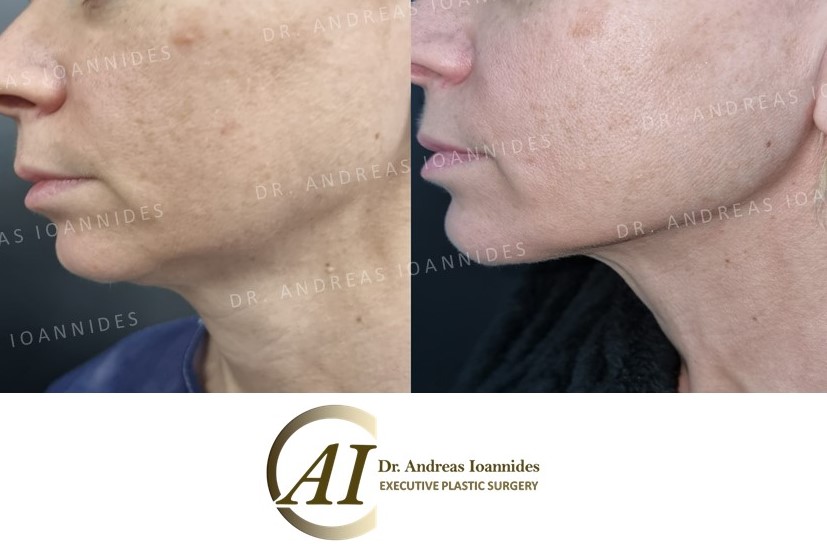
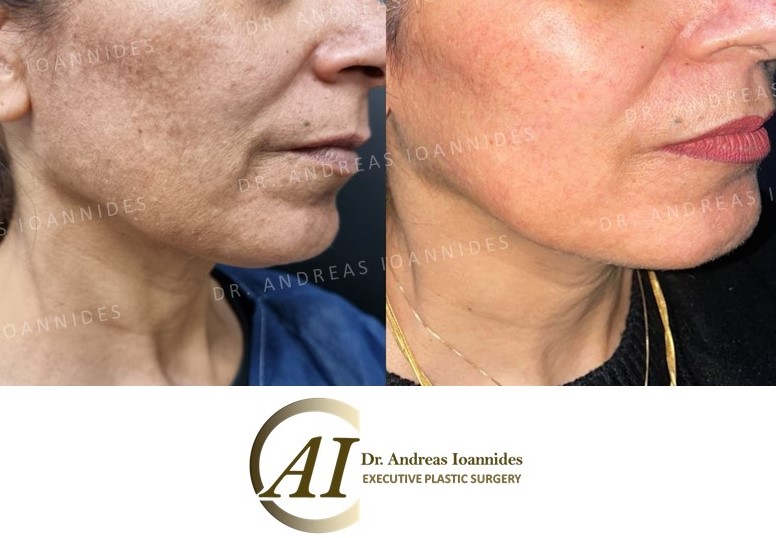
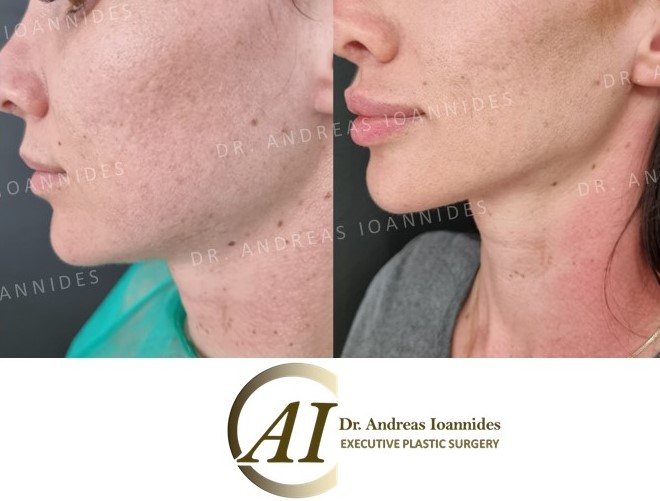
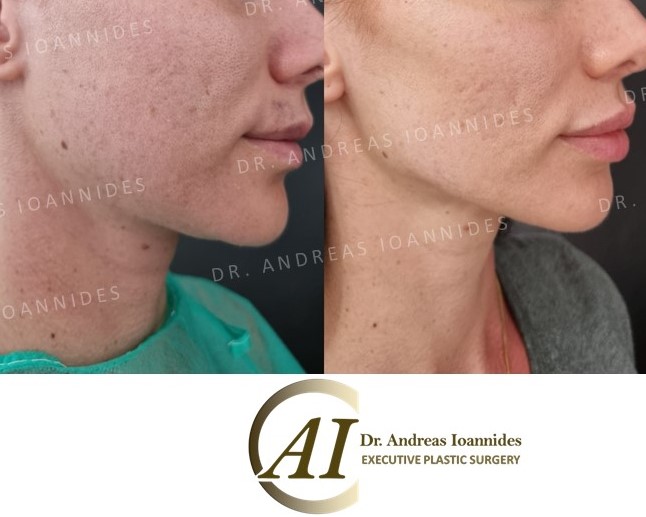






CONTACT
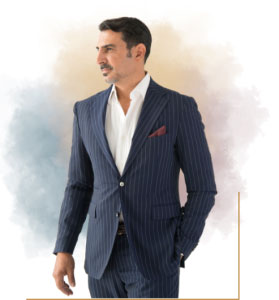
Dr. Andreas Ioannides
Contact us and book an appointment immediately
Choose your appointment by video call or by visiting one of our clinics!
Dr. Andreas Ioannides Executive Plastic Surgery is one of the most complete plastic surgery clinics and the international medical aesthetic medical centers ADVANCED AESTHETICS provide modern medical techniques and aesthetic medical treatments in Greece and Cyprus.
Dr. Andreas Ioannidis at the 16th Panhellenic Congress of Plastic, Reconstructive & Aesthetic Surgery
7 Common Myths About Plastic Surgery
Blepharoplasty: When Is It Indicated and What to Expect During Recovery
Rhinoplasty and Breathing: Can Aesthetics and Functionality Be Combined?
September and Plastic Surgery: Why Autumn Can Be a Good Time to Plan an Aesthetic Procedure
September and Aesthetic Treatments: Why It’s the Ideal Time for a Fresh Start
Thinking About Labiaplasty? 10 Things You Should Know Before Moving Forward
Athens Clinic
T +30.210 9595566
Email: info@andreasioannides.com
Address: Syggrou Ave, 284, Kallithea, Zip 17673 – Athens
Cyprus Clinics
T +357.22335002
Email: info@andreasioannides.com
Athenium International Medical Institute
Address: Giannitson 9 Strovolos, Nicosia 2027, Cyprus
Address: Thiseos 1, Lemesos 3025, Zip 4004 – Cyprus
Copyright © 2022