


The eye area is often one of the first parts of the face where signs of fatigue and ageing become visible.
The delicate skin around the eyes, gradual collagen loss, volume changes and alterations in the deeper tissues can create a tired or heavier appearance even at a relatively young age.
Common concerns in the periorbital area include:
- fine lines under and around the eyes,
- mild lower eyelid laxity,
- under-eye bags,
- hollowing of the tear trough area,
- loss of midface volume,
- dark circles,
- a tired or heavy-looking expression.
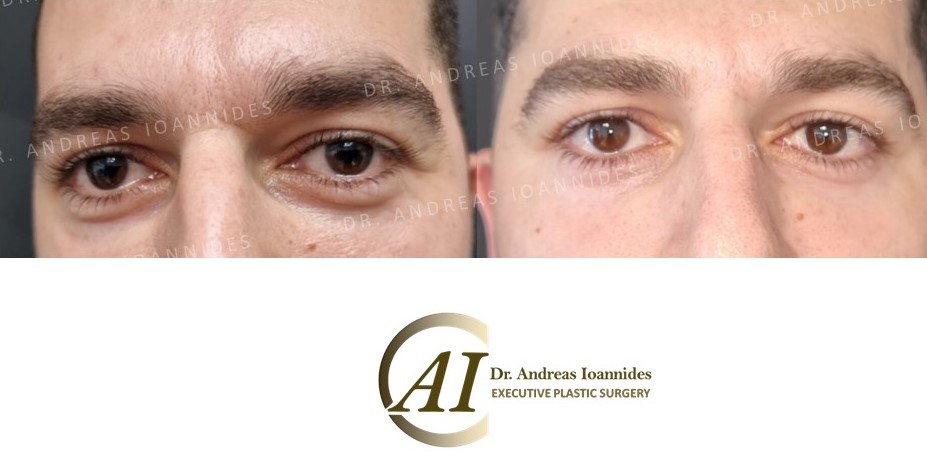
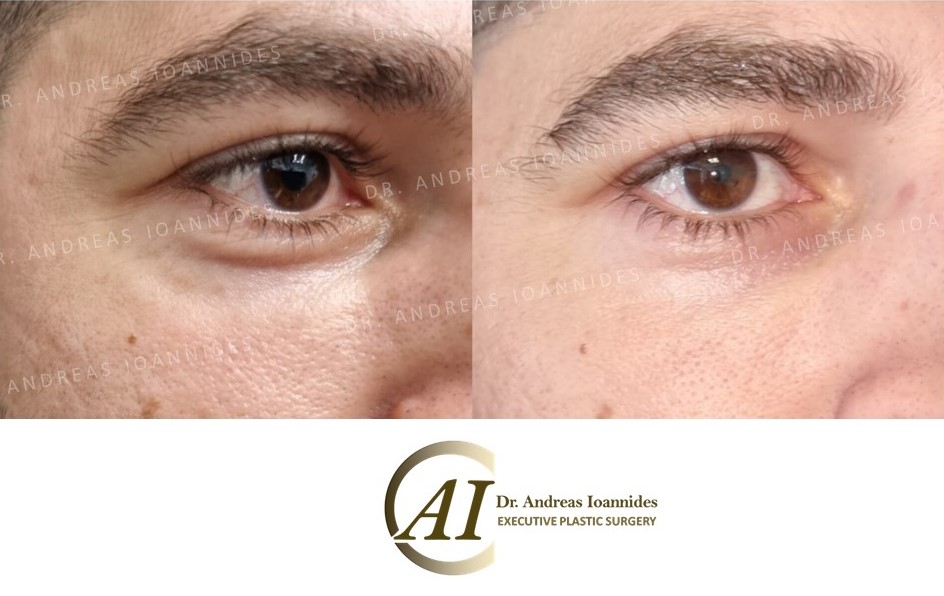
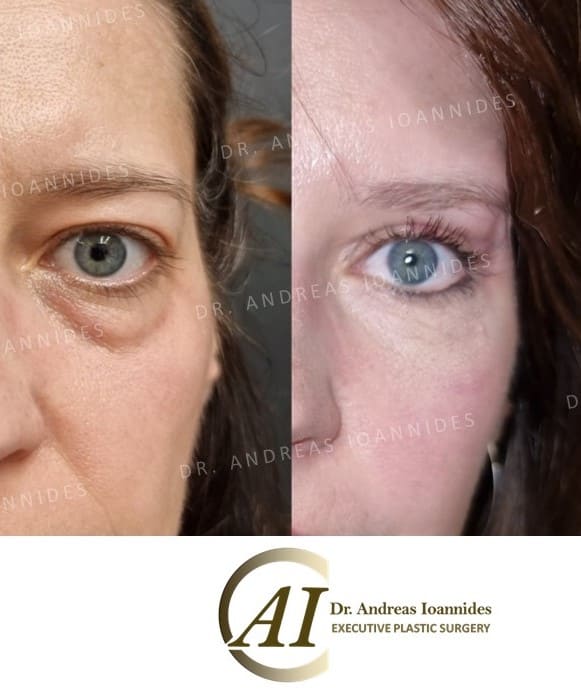
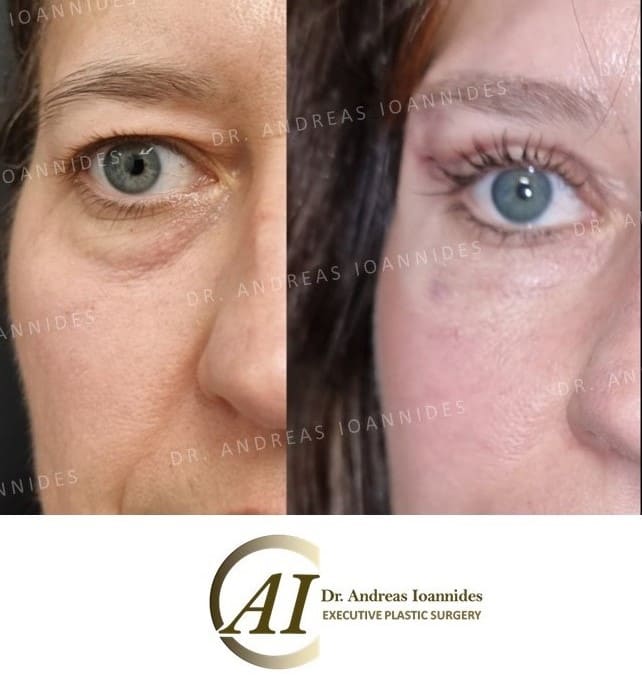
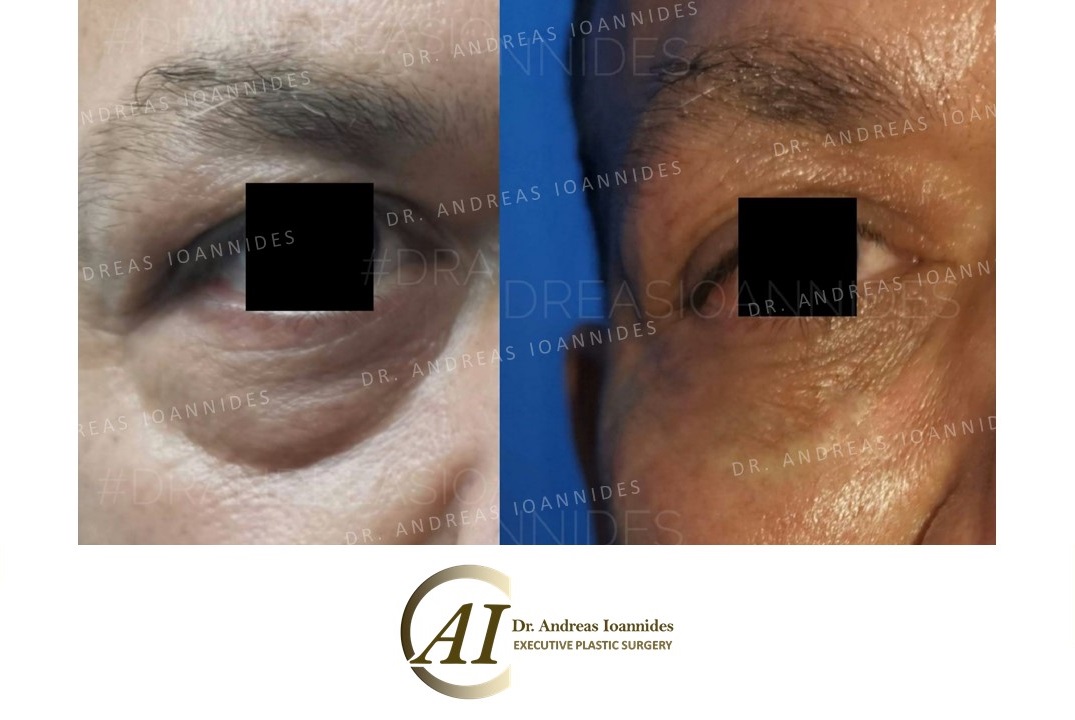
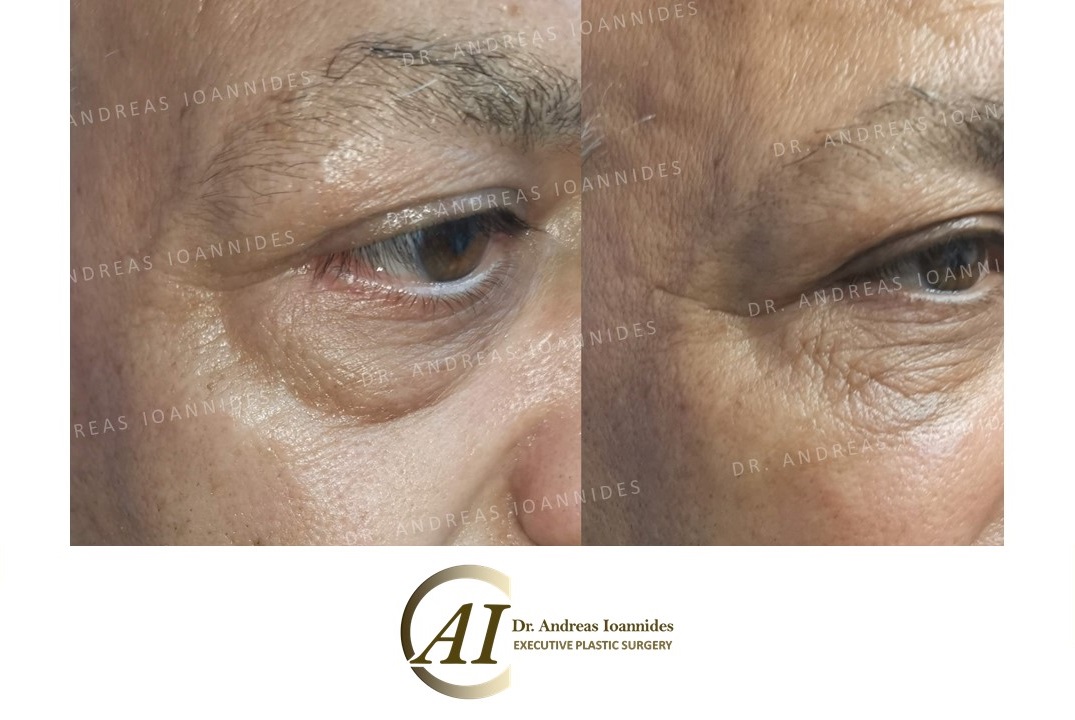
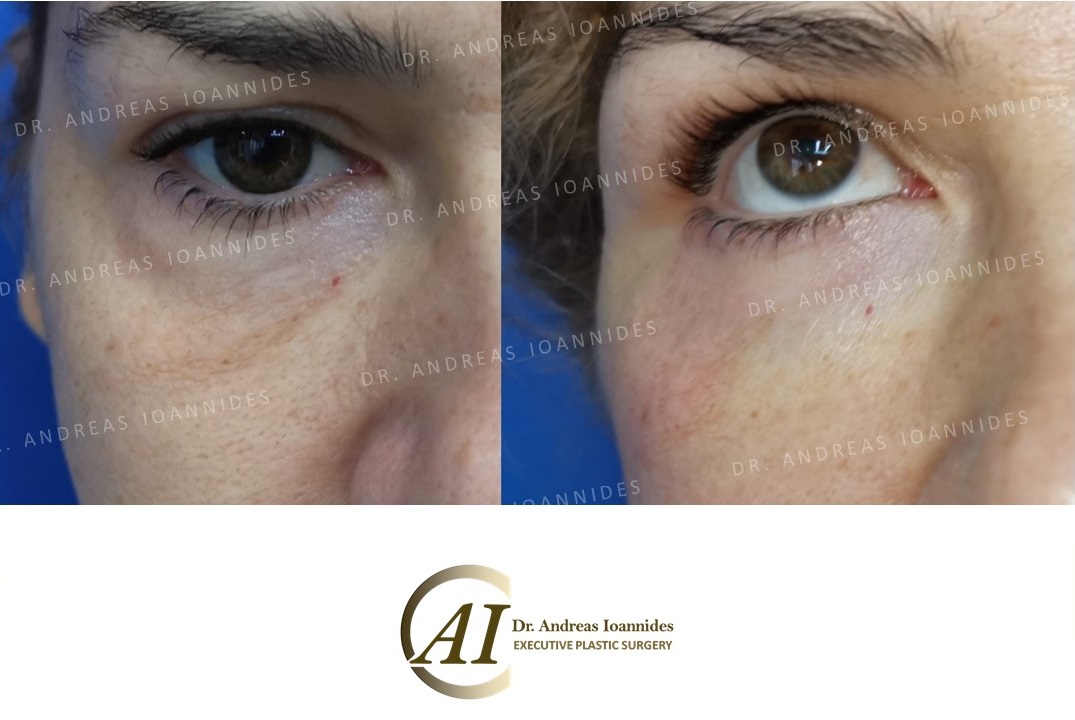
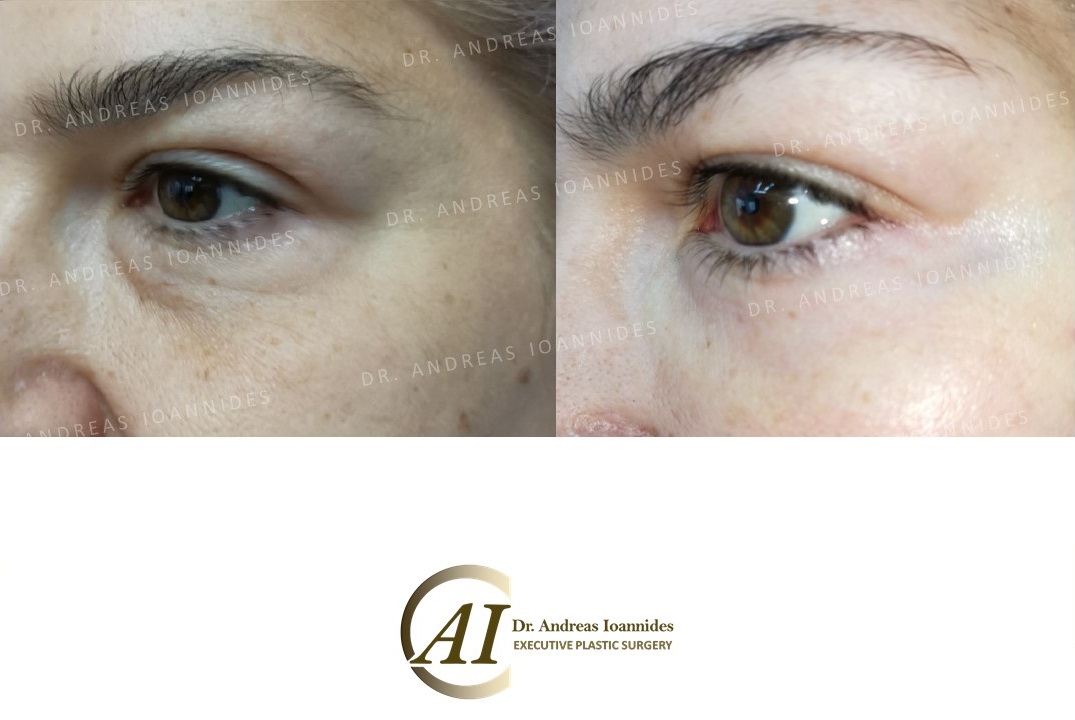
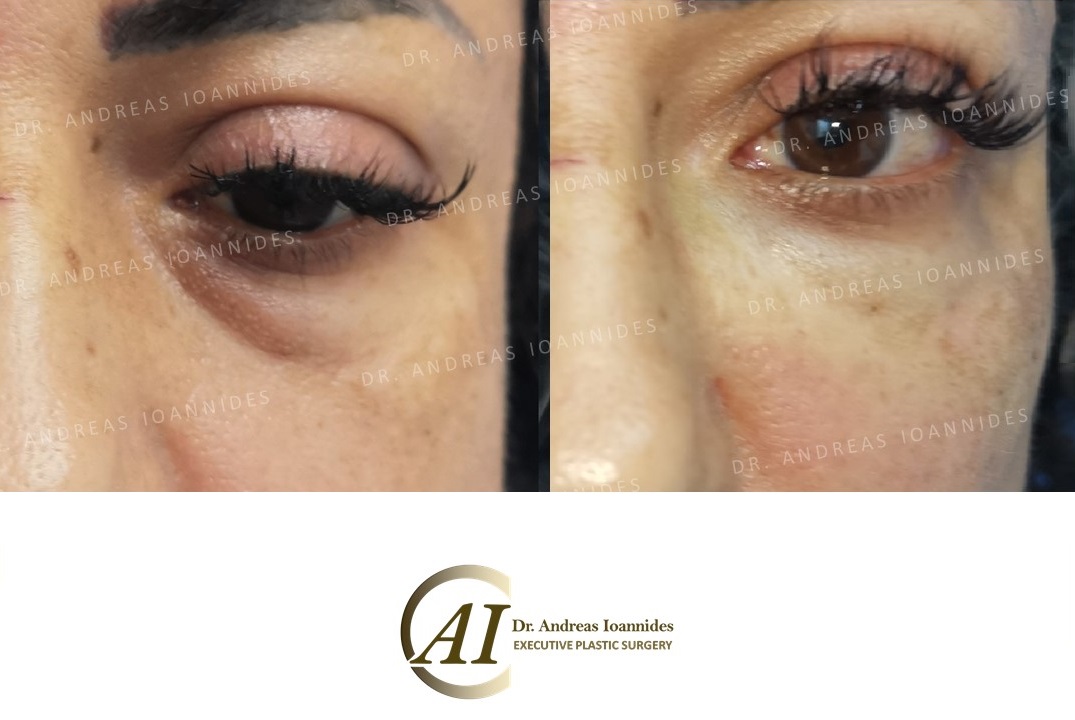
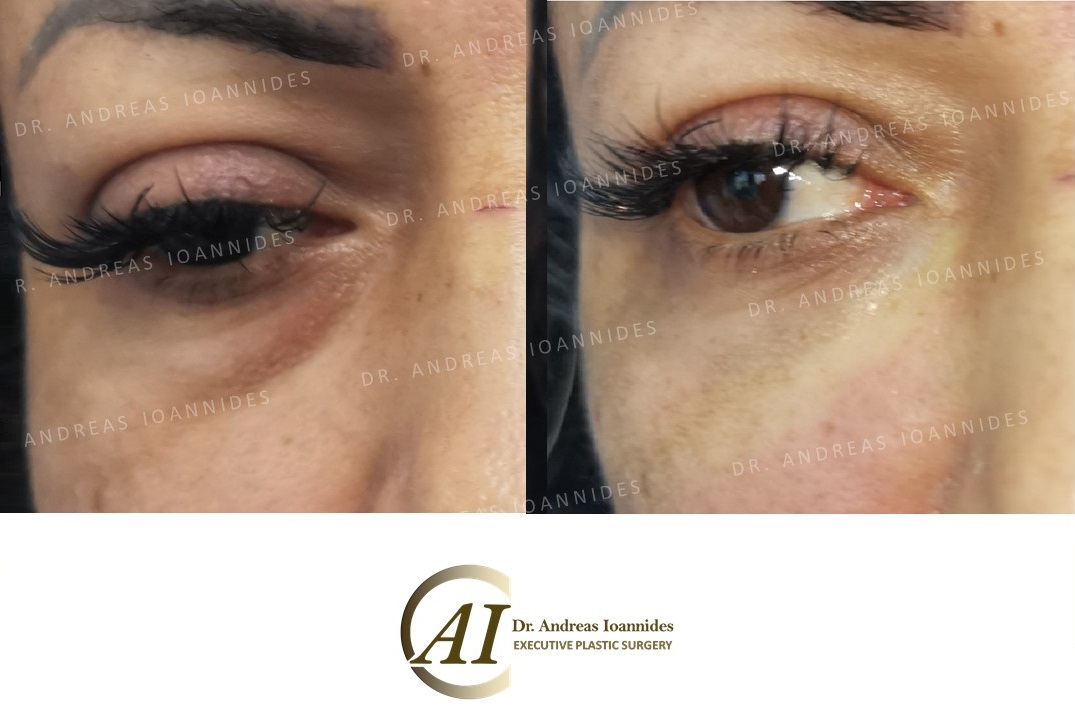
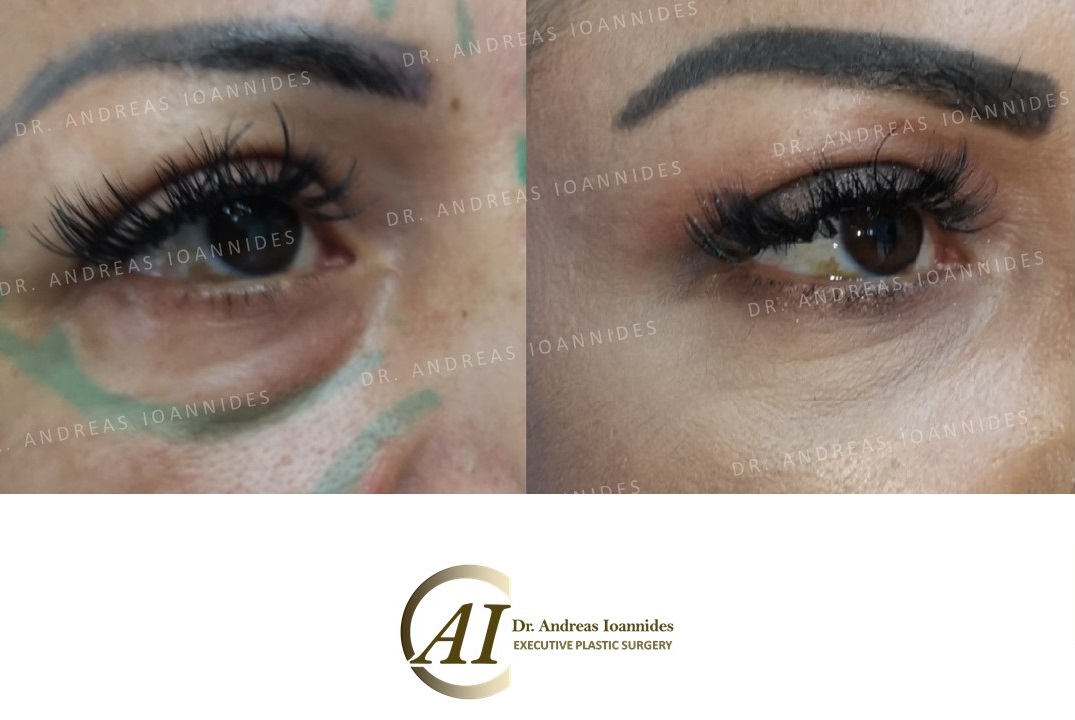
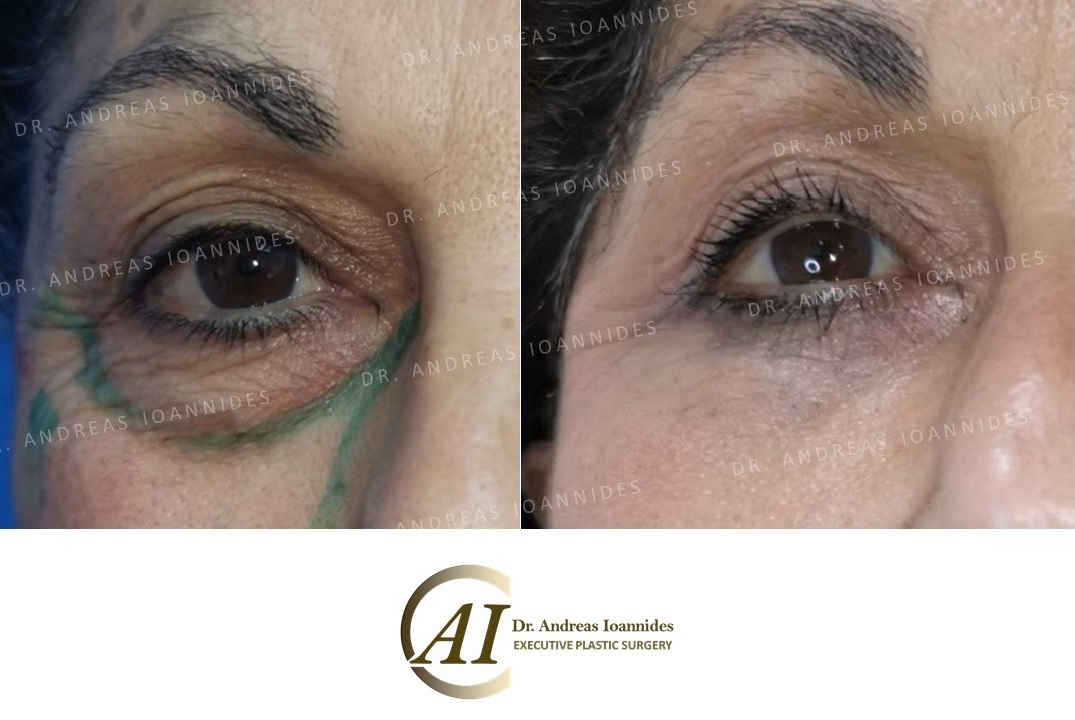
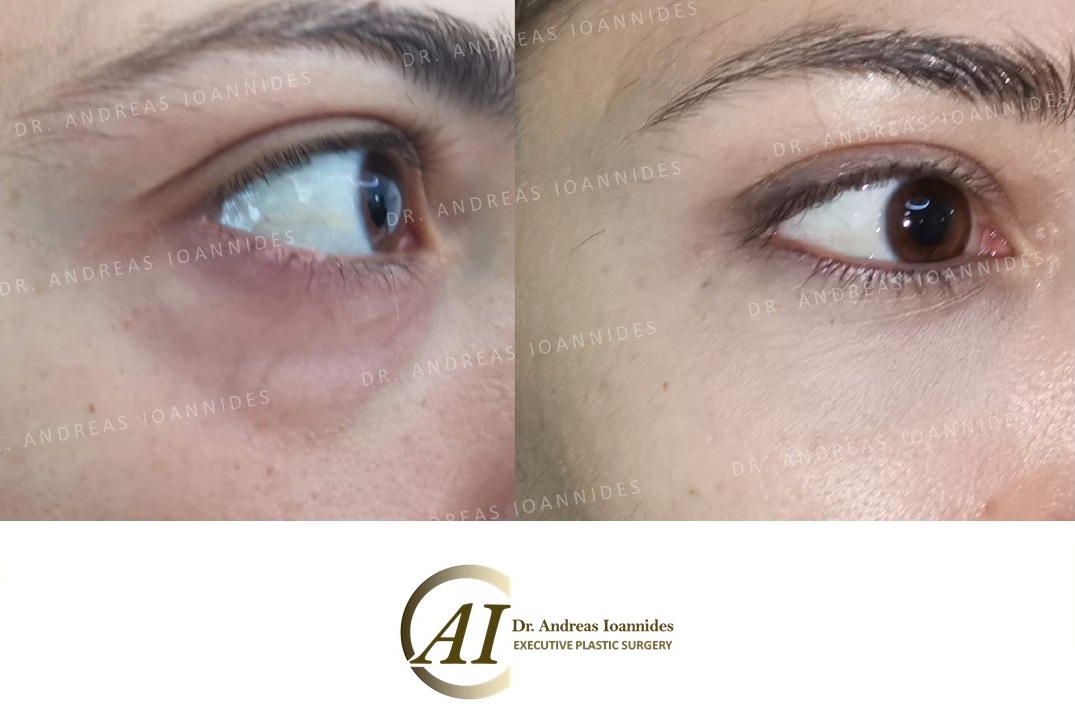
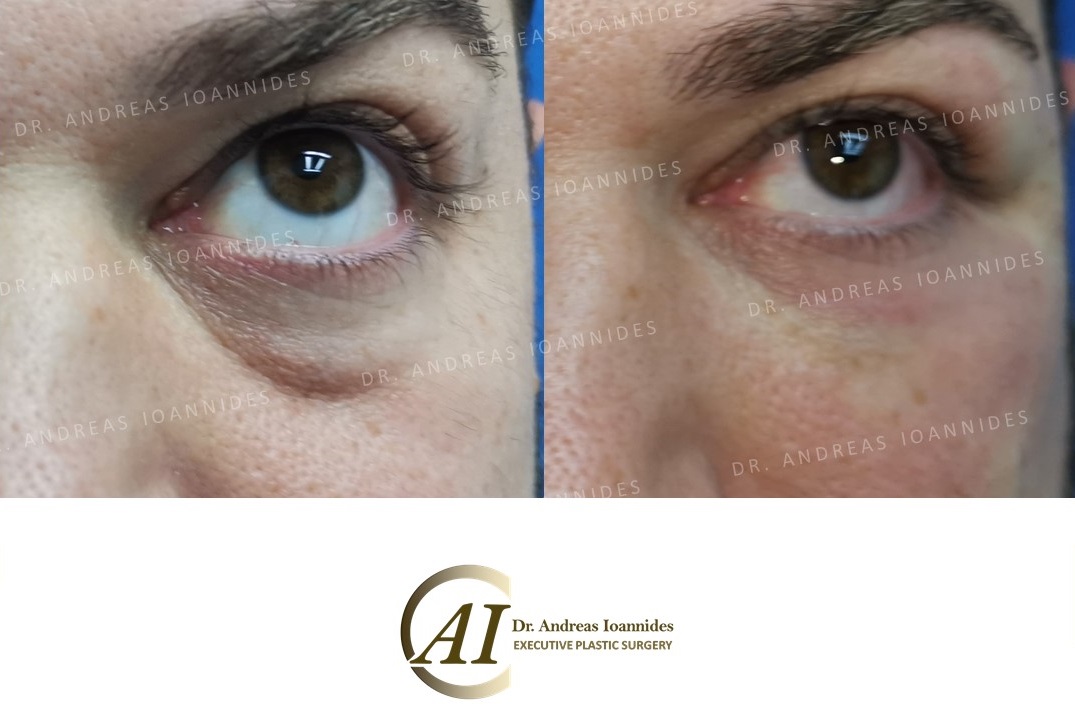
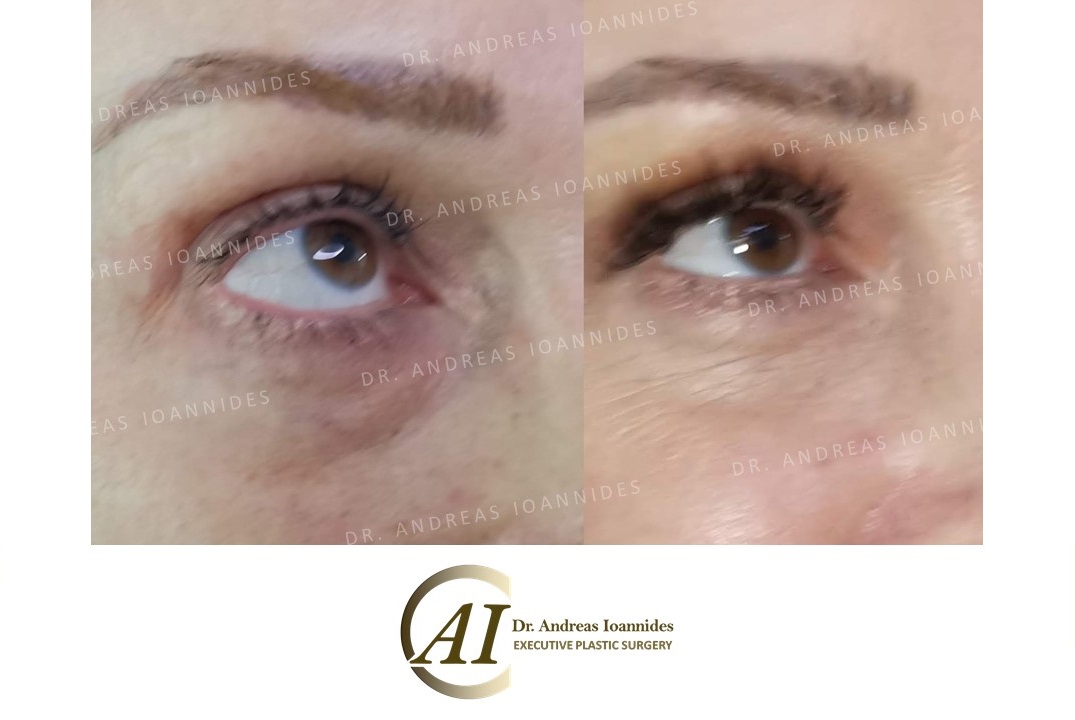
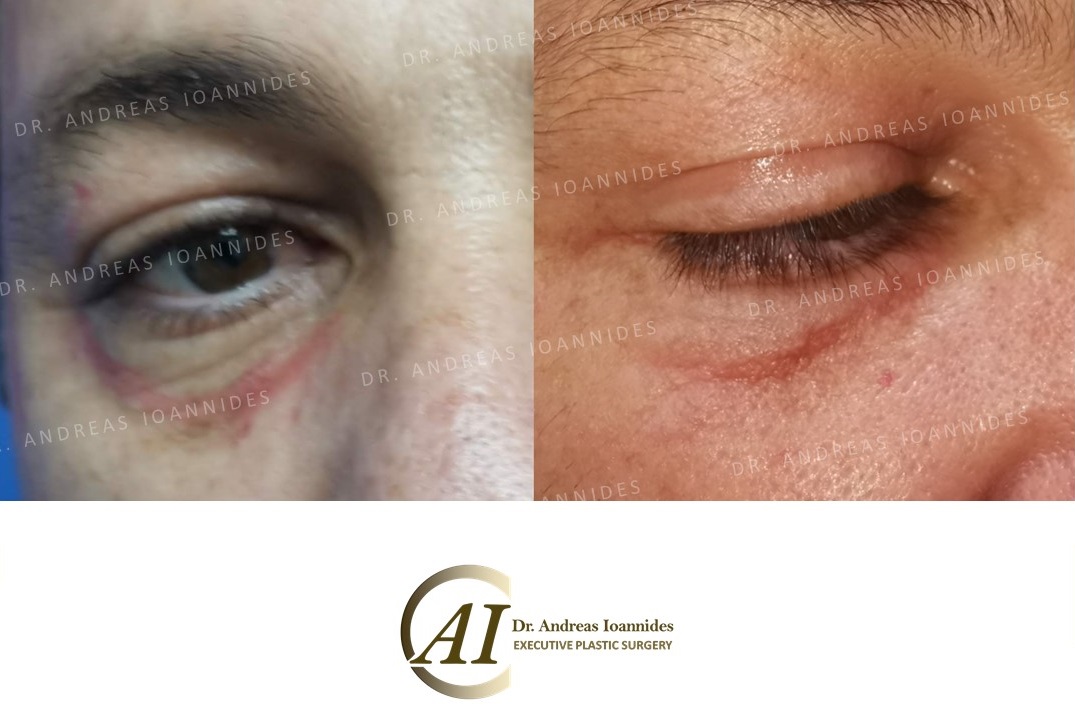
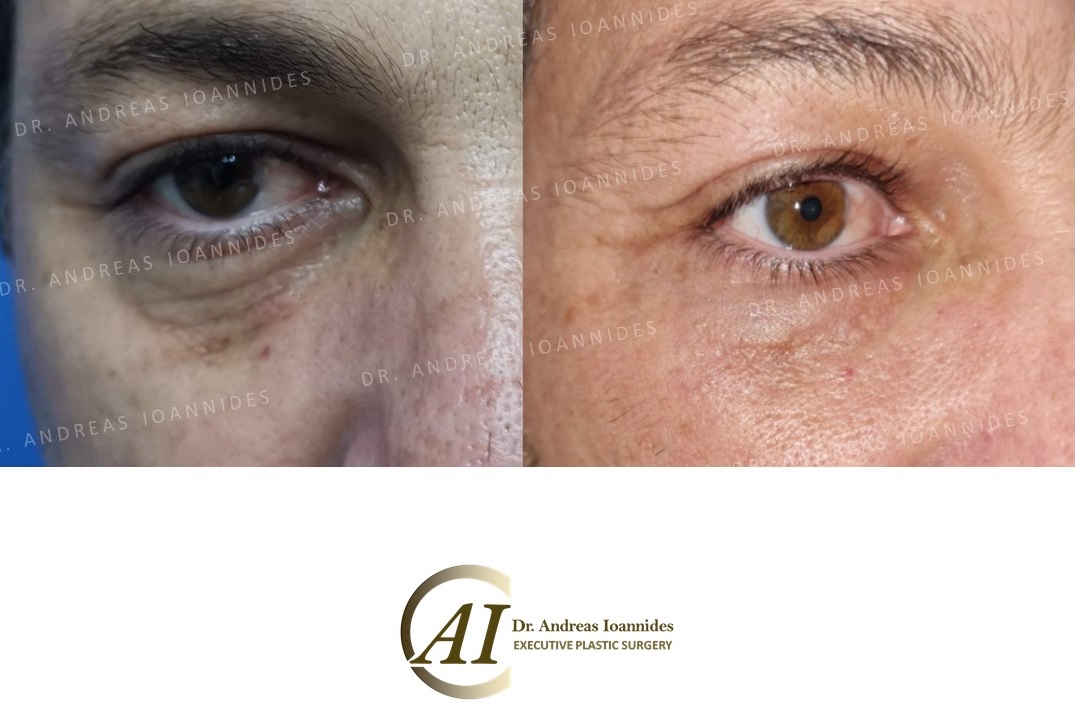
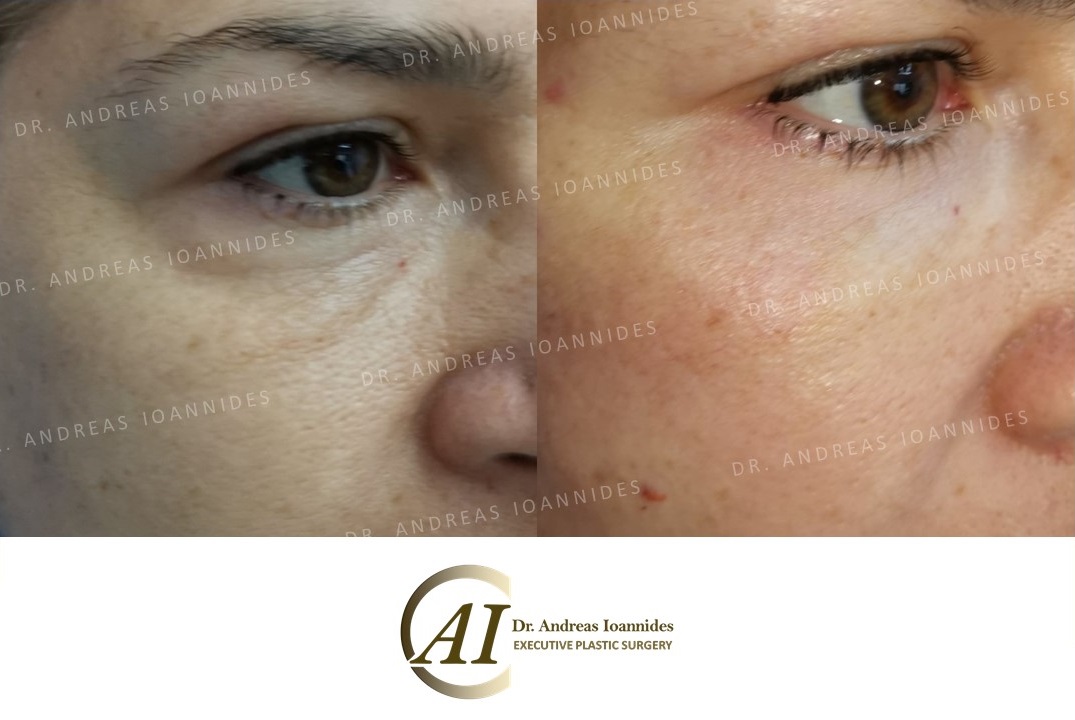
Thermi-Lid™ by Dr Andreas Ioannides is a minimally invasive periorbital rejuvenation technique that uses controlled radiofrequency energy with the aim of tightening tissues and improving skin quality in the lower eyelid and under-eye area.
It is designed for patients who want greater improvement than a simple superficial aesthetic treatment, but who do not necessarily require or want conventional lower blepharoplasty surgery.
The aim is not to change the shape of the eyes. The aim is a more rested, brighter and naturally refreshed appearance.
What is Thermi-Lid™?
Thermi-Lid™ is a specialised technique applied to the lower eyelid and surrounding under-eye area using controlled radiofrequency energy.
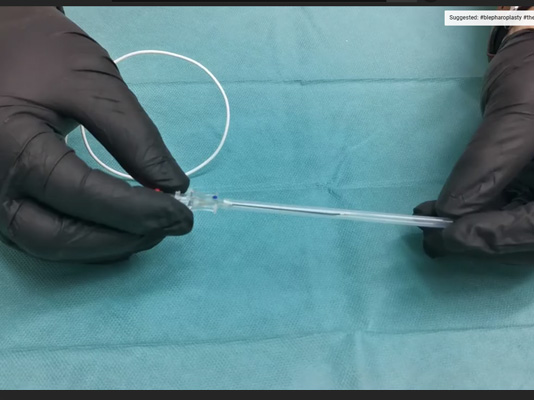
Through a very fine specialised probe, energy is delivered at the appropriate tissue level with the aim of:
- tightening,
- improving skin quality,
- stimulating collagen remodelling,
- improving selected periorbital imperfections,
- creating a more refreshed appearance.
The treatment is personalised because not every under-eye concern has the same cause.
Which concerns can Thermi-Lid™ improve?
In appropriately selected patients, Thermi-Lid™ may be used to improve:
- mild lower eyelid laxity,
- fine periorbital lines,
- reduced skin quality,
- early changes beneath the eyes,
- a tired appearance,
- mild loss of definition around the eyes.
The treatment is not suitable for every type of under-eye bag, every type of dark circle or every degree of excess skin.
A personal assessment is therefore essential.
Thermi-Lid™ for the Lower Eyelids
Several different concerns may coexist in the lower eyelid area:
- thin and lax skin,
- fine lines,
- under-eye bags,
- tear trough hollowing,
- loss of midface support,
- pigmentation.
Thermi-Lid™ may mainly help improve laxity and skin quality.
When larger fat pads or significant excess skin are present, surgical lower blepharoplasty or a combined approach may be more appropriate.
Can Thermi-Lid™ improve under-eye bags?
Not all under-eye bags have the same cause.
They may result from:
- protruding orbital fat,
- skin laxity,
- fluid retention,
- anatomical changes in the midface,
- a combination of factors.
In mild and appropriately selected cases, tightening the area may improve their appearance.
When there is significant fat protrusion, a different treatment may be required.
Thermi-Lid™ and Dark Circles
Dark circles may result from several different causes:
- shadowing caused by tear trough hollowing,
- thin skin,
- visible underlying vessels,
- hyperpigmentation,
- volume loss,
- eyelid and midface anatomy.
Thermi-Lid™ may improve the appearance in some patients when the problem is related to laxity and skin quality.
However, it is not a treatment for every type of dark circle.
In other cases, the treatment plan may involve:
- nanofat / fat transfer,
- skin boosters,
- laser treatments,
- pigmentation treatments,
- or a combination of techniques.
Thermi-Lid™ for a Hollow or Tired-Looking Eye Area
Hollowing around the eyes is not caused only by the skin.
Over time, volume loss may occur in:
- the tear trough area,
- the temples,
- the midface,
- the cheek area.
When the main concern is volume loss, additional treatment may be required with:
- nanofat,
- fat transfer,
- biostimulatory treatments,
depending on the anatomy.
The most appropriate treatment may therefore be a combined approach.
Thermi-Lid™ or Surgical Blepharoplasty?
These are not the same treatment.
Thermi-Lid™
May be more suitable when there is:
- mild to selected moderate lower eyelid laxity,
- early ageing,
- limited excess skin,
- a preference for a smaller intervention,
- a desire for quicker recovery.
Surgical Blepharoplasty
May be more appropriate when there is:
- significant excess skin,
- pronounced fat protrusion,
- advanced laxity,
- a need for actual removal or repositioning of tissue.
Thermi-Lid™ does not replace surgical blepharoplasty when there is a clear surgical indication.
Which age groups may benefit?
There is no absolute age limit.
Thermi-Lid™ may be particularly relevant for younger patients with early changes around the eyes, often from the third or fourth decade of life.
It may also be considered in older patients when:
- laxity is limited,
- the patient does not want surgery,
- expectations are realistic.
Suitability depends more on anatomy and tissue condition than age alone.
Why choose Thermi-Lid™ with Dr Andreas Ioannides?
The lower eyelid and under-eye area are among the most anatomically demanding areas of the face.
Applying energy around the eyes requires:
- detailed anatomical knowledge,
- correct patient selection,
- precise control of treatment depth,
- careful energy management,
- understanding of the relationship between the eyelids, orbit and midface.
Dr Andreas Ioannides, Plastic, Aesthetic & Reconstructive Surgeon, plans each treatment according to:
- the degree of laxity,
- skin quality,
- the presence of under-eye bags,
- volume loss,
- eye shape,
- the relationship with the brows and midface,
- the patient’s desired result.
Not every tired-looking eye area needs blepharoplasty. And not every lower eyelid is suitable for Thermi-Lid™. Choosing the right treatment is the most important step.
How long does the procedure take?
Treatment time depends on:
- the extent of the lower eyelid area treated,
- the degree of correction required,
- the personalised treatment plan.
In limited applications, the procedure may be completed relatively quickly, often in approximately 20–30 minutes.
The exact duration is discussed during the consultation.
Is anaesthesia required?
The procedure is performed using appropriate local anaesthesia and comfort measures.
The exact approach is selected according to:
- the treatment area,
- the extent of treatment,
- the patient’s needs.
General anaesthesia is usually not required.
Is it painful?
The area is anaesthetised before treatment.
During the procedure, patients may experience:
- pressure,
- warmth,
- mild pulling sensations.
Temporary tenderness or tightness may occur afterward.
Is there downtime?
Thermi-Lid™ generally involves less downtime than surgical blepharoplasty.
After treatment, patients may temporarily experience:
- swelling,
- redness,
- bruising,
- tenderness,
- a feeling of tightness.
The exact social downtime varies between patients.
Some may return quickly to daily activities, while others may need a few days for visible swelling or bruising to settle.
When will I see results?
An initial improvement in firmness may be noticed relatively early.
However, the final result is not achieved on the day of treatment.
Collagen remodelling continues gradually over the following months.
The appearance may continue to improve as:
- swelling subsides,
- the tissues adapt,
- collagen production and remodelling progress.
How long do the results last?
There is no identical duration for every patient.
Long-term maintenance depends on:
- age,
- skin quality,
- the initial degree of laxity,
- natural ageing,
- genetics,
- lifestyle,
- sun exposure.
The treatment may provide long-lasting improvement in appropriately selected patients, but the natural ageing process continues.
For this reason, a specific number of years should not be guaranteed for every patient.
How many sessions are required?
The number of treatments depends on:
- the area,
- the degree of laxity,
- tissue quality,
- individual response.
In some patients, one main treatment may be recommended followed by reassessment.
The final treatment plan is determined by Dr Andreas Ioannides.
Can Thermi-Lid™ be combined with other treatments?
Yes.
Periorbital ageing is often multifactorial and may require a combination approach.
Depending on the indication, Thermi-Lid™ may be combined with:
- lower blepharoplasty,
- Midface Suspension,
- S.G. Brow Lift,
- T.T.A. Lift,
- nanofat / nanograft,
- Botox,
- skin boosters,
- skin-quality treatments.
The goal is to address the actual cause of the concern rather than treating only one visible symptom.
Is Thermi-Lid™ safe?
Radiofrequency treatment in the periorbital area is a medical procedure and is not completely risk-free.
Possible adverse effects may include:
- swelling,
- redness,
- bruising,
- tenderness,
- temporary changes in sensation,
- asymmetry,
- thermal injury,
- other less common complications.
The eye area requires particular caution.
For this reason, treatment should be performed by an appropriately trained physician with detailed knowledge of periorbital anatomy.
What are the advantages of Thermi-Lid™?
In appropriately selected patients, potential advantages may include:
- a smaller intervention than conventional blepharoplasty,
- very small entry points,
- limited downtime,
- improved firmness,
- gradual collagen remodelling,
- preservation of natural expression,
- the option to combine it with other treatments.
What are the limitations?
Thermi-Lid™ cannot correct every form of lower eyelid ageing.
It cannot fully replace surgery when there is:
- significant excess skin,
- marked fat protrusion,
- advanced laxity,
- substantial tissue descent.
In these cases, surgical lower blepharoplasty may provide a more complete correction.
How much does Thermi-Lid™ cost?
The cost of Thermi-Lid™ varies according to the individual treatment plan.
The price depends on:
- the extent of the lower eyelid area treated,
- the severity of the concern,
- whether combination treatment is required,
- the type of anaesthesia,
- the patient’s overall treatment needs.
For this reason, the exact price is determined after a personal consultation.
A more rested appearance without changing your expression
Thermi-Lid™ by Dr Andreas Ioannides
Successful rejuvenation around the eyes should not create a different-looking eye.
It should preserve:
- the natural eye shape,
- the patient’s characteristic expression,
- harmony with the brows,
- the relationship with the midface.
The goal is to look more rested and refreshed — not different.
Would you like to know if Thermi-Lid™ is right for you?
During your personal consultation, Dr Andreas Ioannides will assess:
- skin quality,
- the degree of lower eyelid laxity,
- excess skin,
- the presence of under-eye bags,
- dark circles,
- tear trough hollowing,
- volume loss,
- brow position,
- the midface,
- your desired result.
The most appropriate treatment may then include:
Thermi-Lid™, lower blepharoplasty, nanofat, Midface Suspension, S.G. Brow Lift or a combination of techniques.
Frequently Asked Questions About Thermi-Lid™
Thermi-Lid™ is a minimally invasive periorbital rejuvenation technique using controlled radiofrequency energy to improve lower eyelid firmness and tissue quality.
The term is used to describe its lower invasiveness compared with conventional surgical blepharoplasty. It is not the same procedure and cannot replace surgery in every case.
In appropriately selected patients, it may improve mild to moderate lower eyelid laxity and skin quality.
It depends on the cause and severity. Significant fat pads may require surgical treatment.
It may help when the appearance is related to skin quality and laxity. Dark circles have many different causes and may require another treatment.
Not in every patient. When there is significant excess skin or marked fat protrusion, surgical blepharoplasty may be more appropriate.
In limited applications, it may take approximately 20–30 minutes, depending on the treatment plan.
Usually not. A local anaesthetic approach is generally used.
Downtime is generally limited compared with surgery, although swelling and bruising may occur.
An initial improvement may be noticeable relatively early, while further improvement develops gradually as collagen remodelling continues.
Duration varies between patients and depends on age, skin quality and the natural ageing process.
There is no absolute age limit. Suitability depends more on anatomy and tissue laxity than on age itself.
The price depends on the extent of treatment and the personalised plan. The exact cost is determined after a consultation.

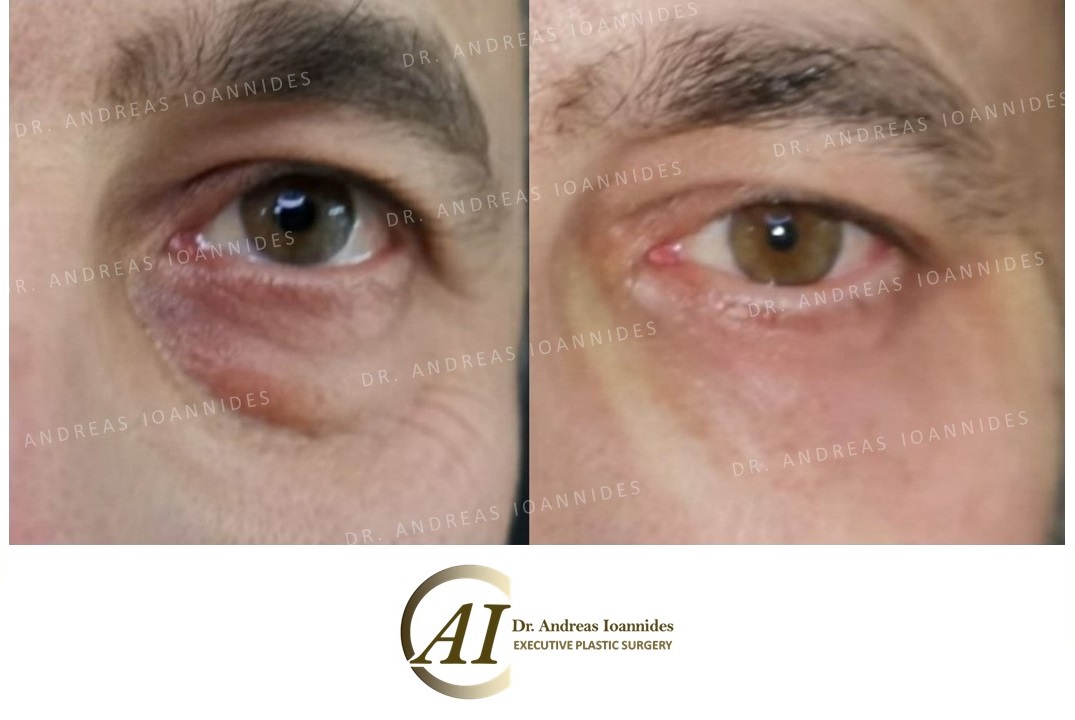
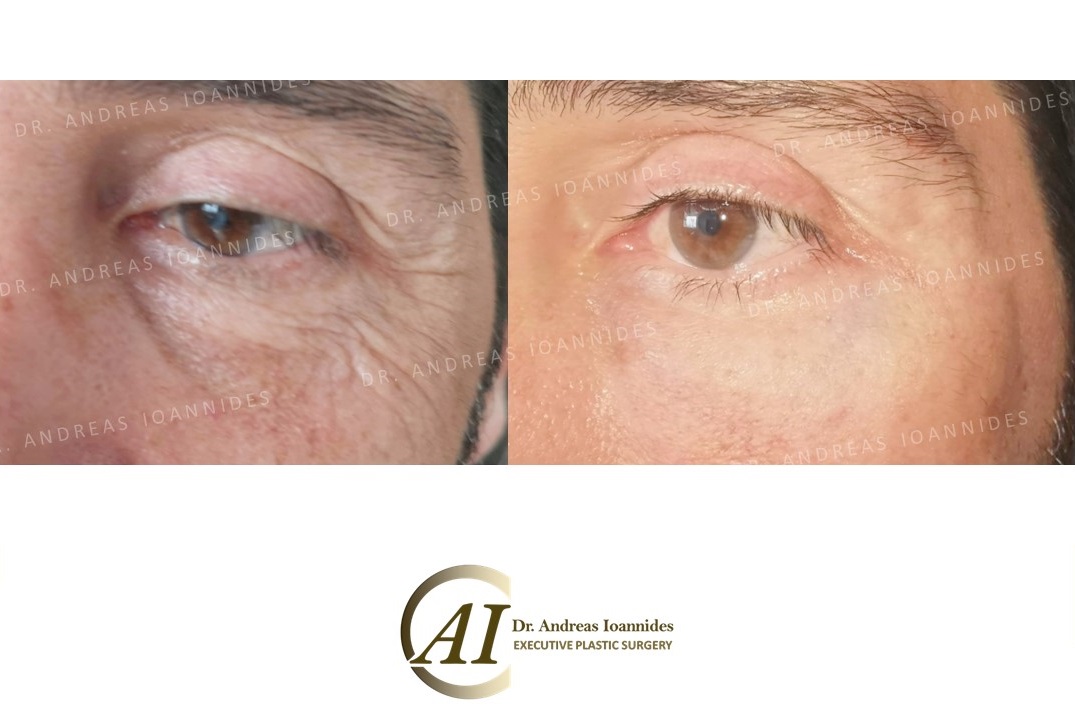

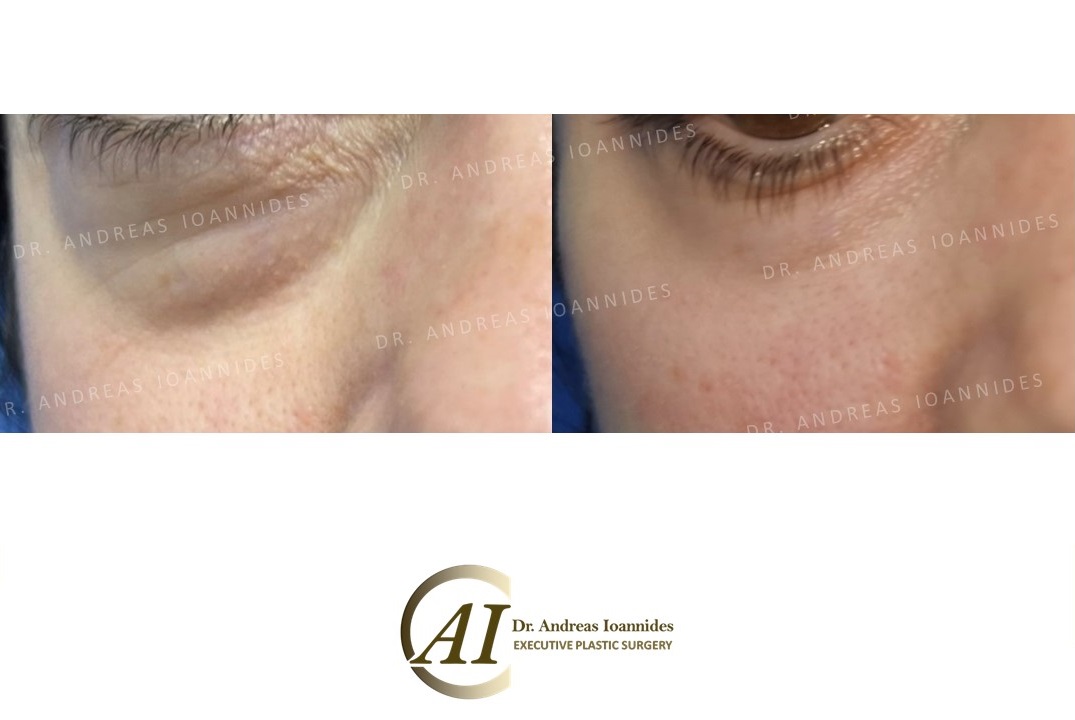
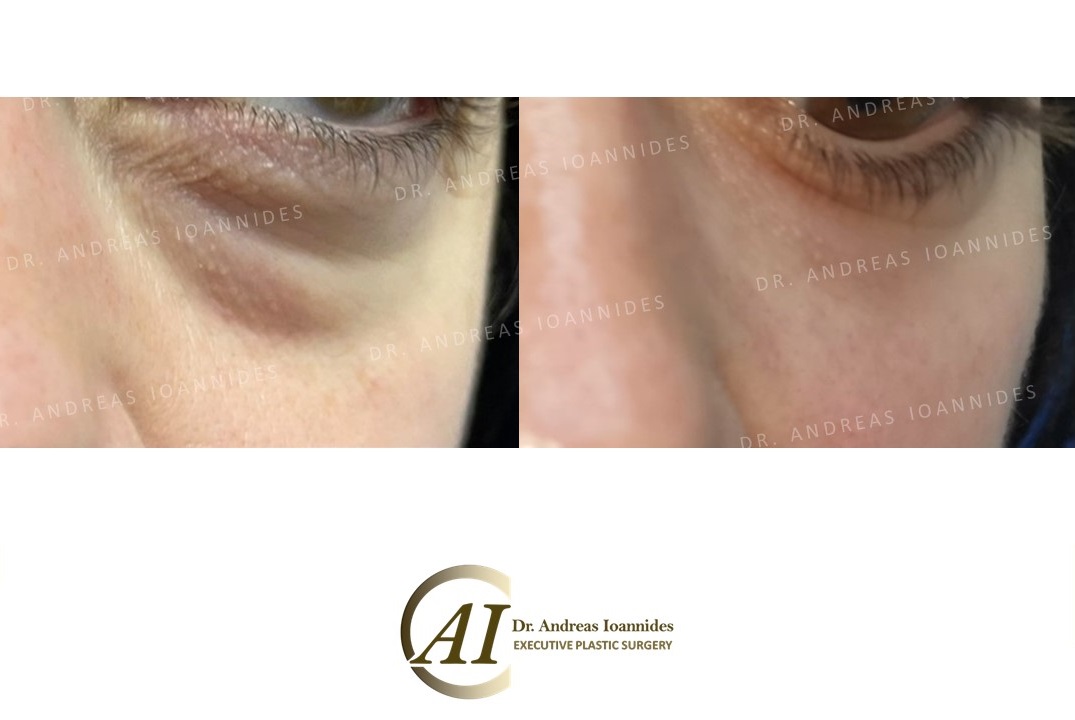

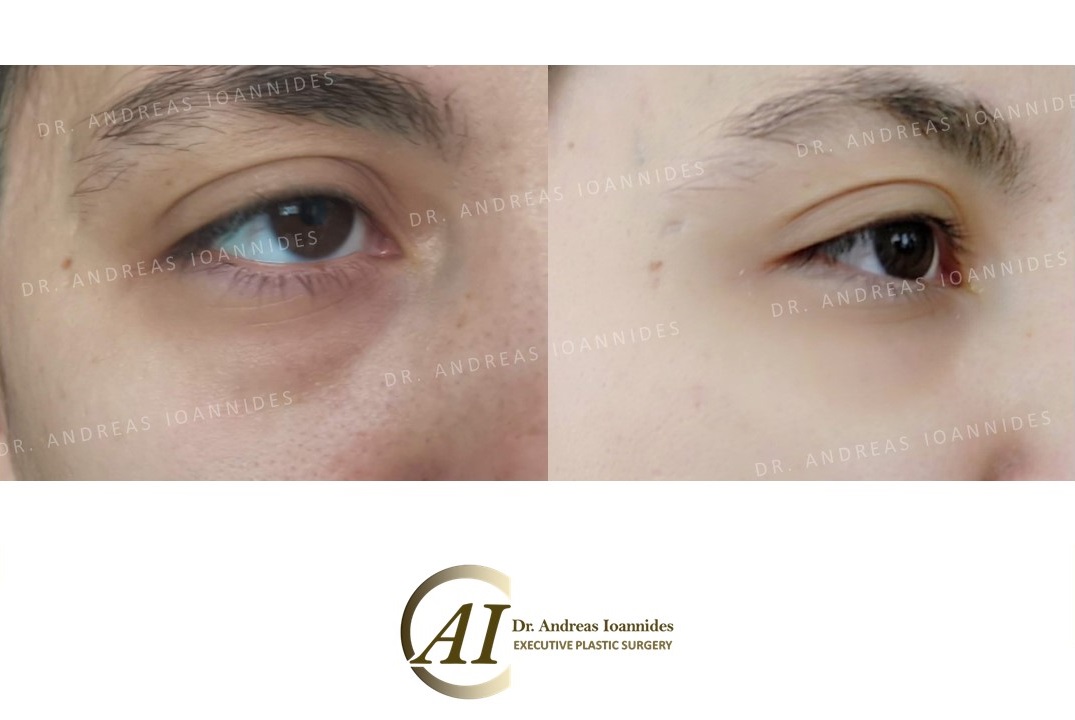
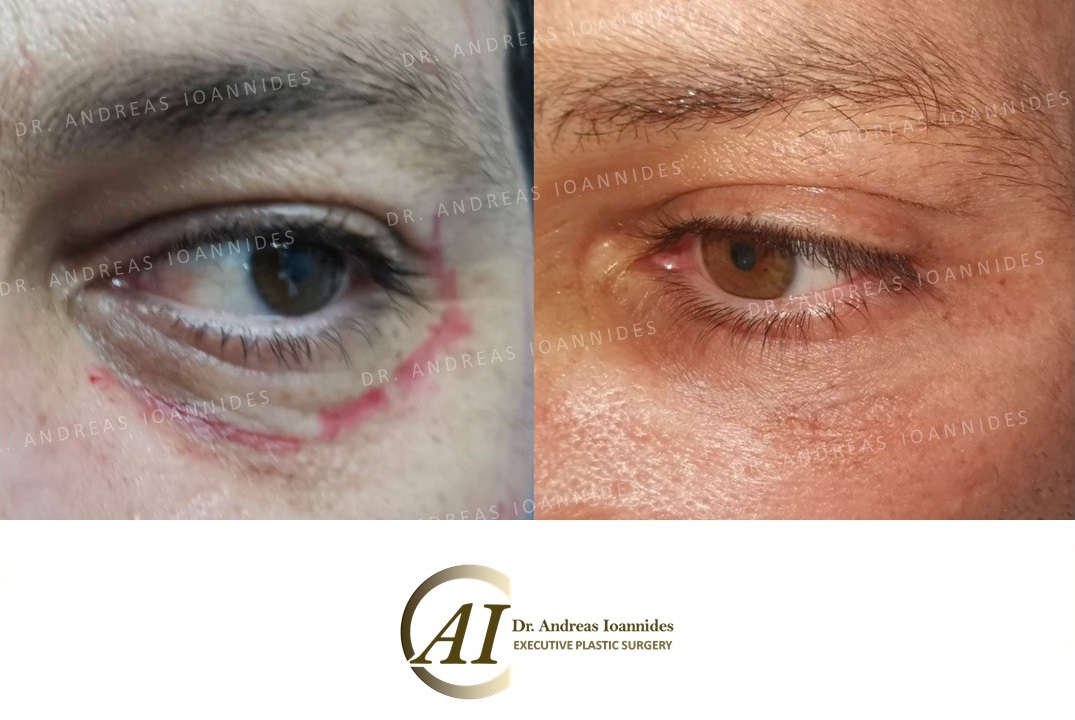
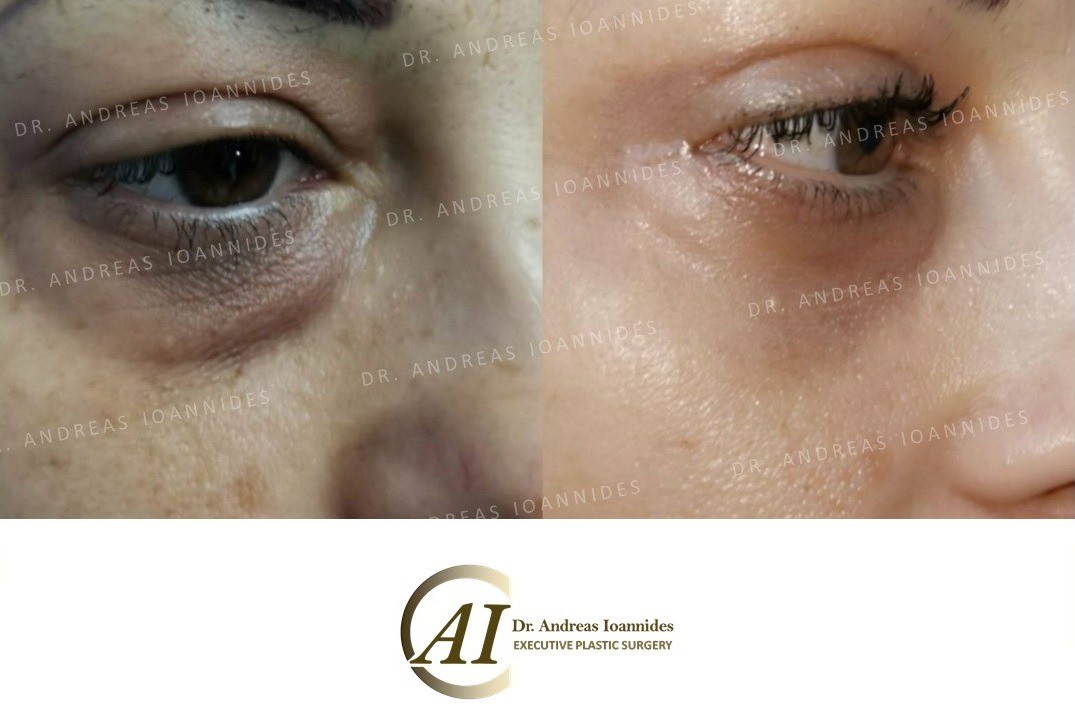
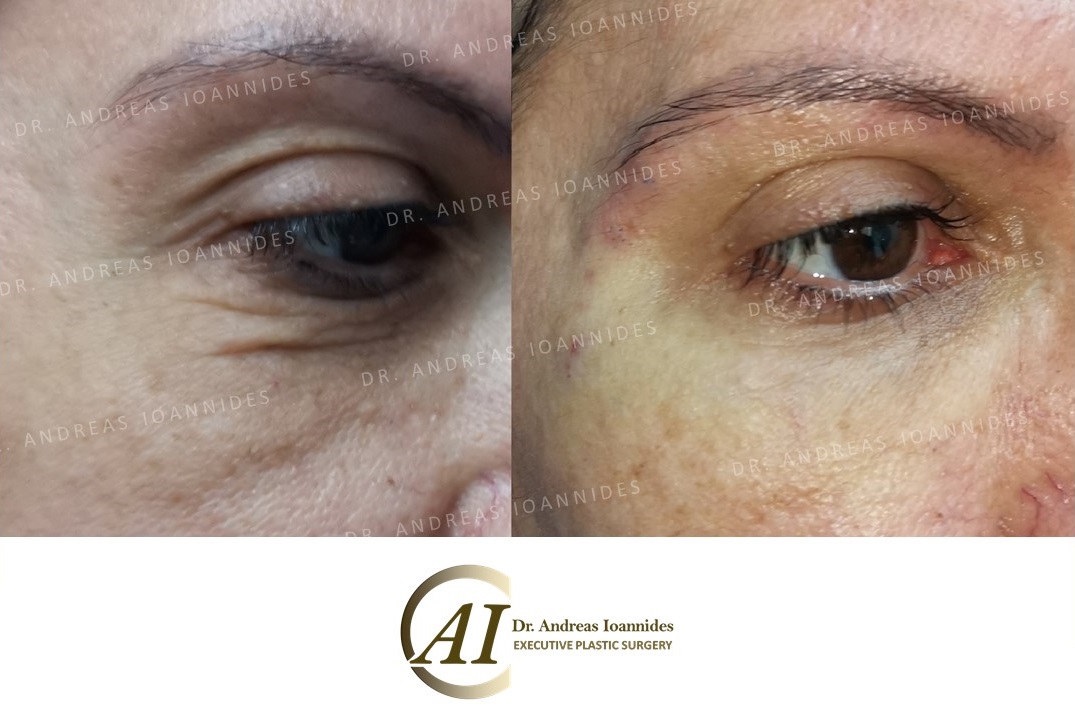
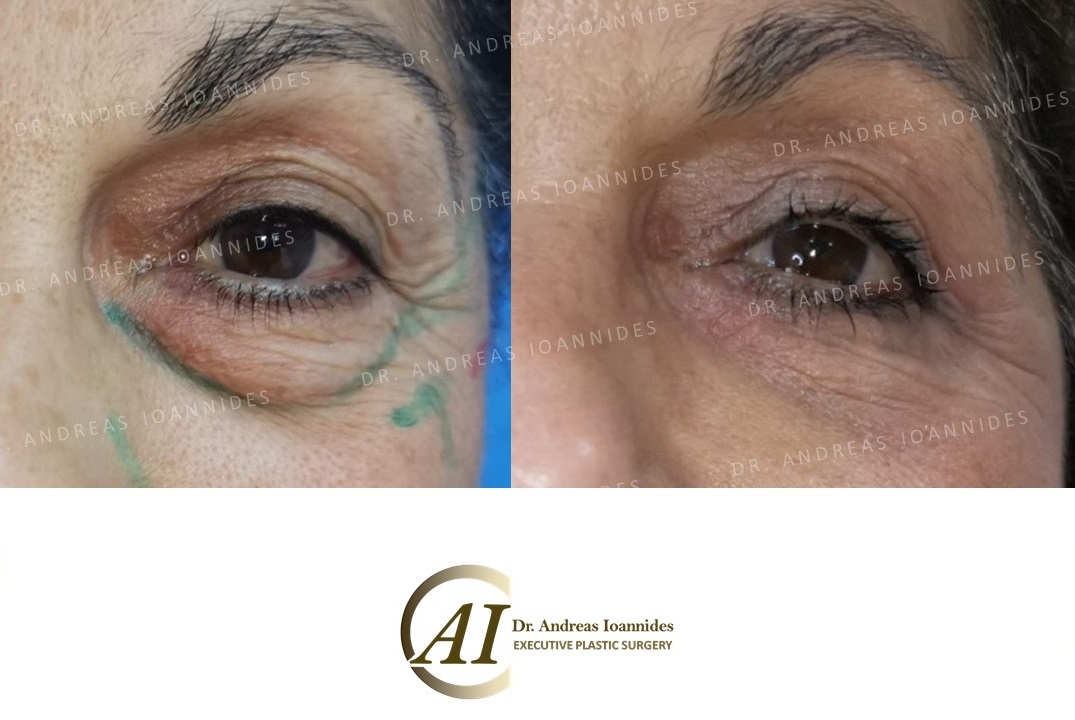
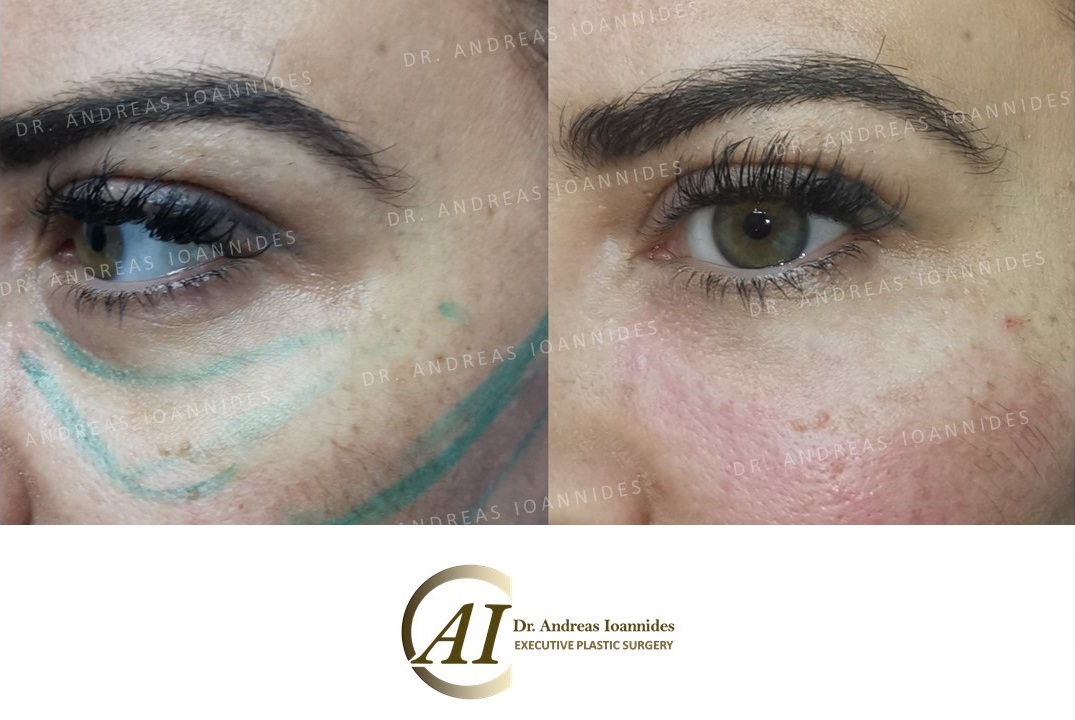
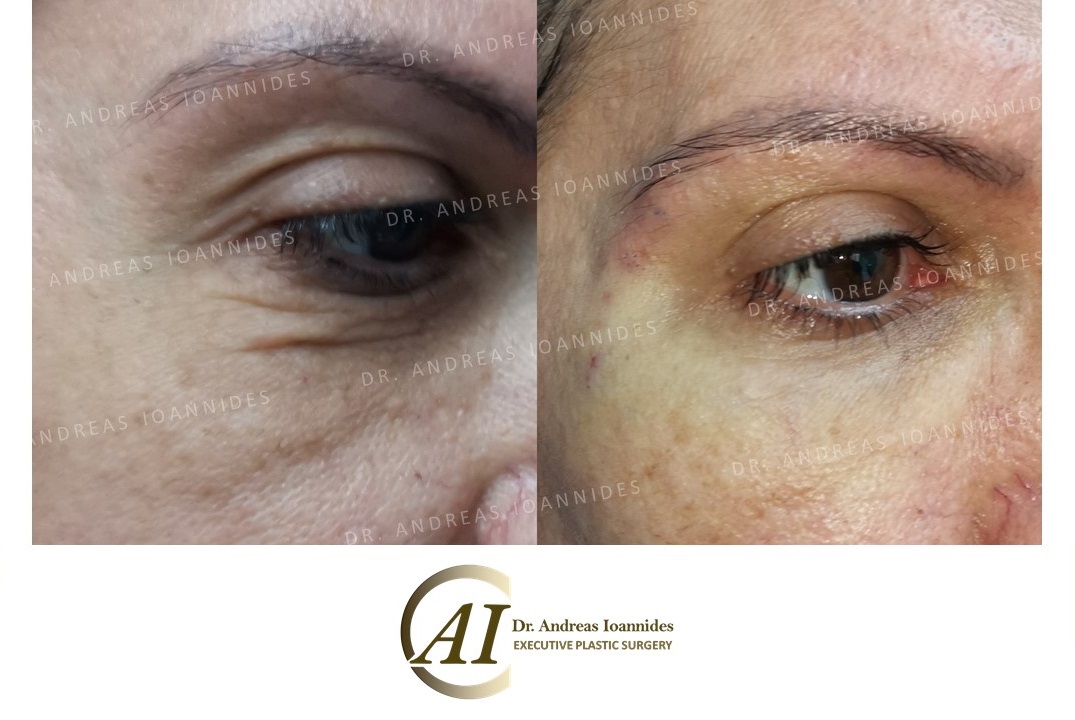
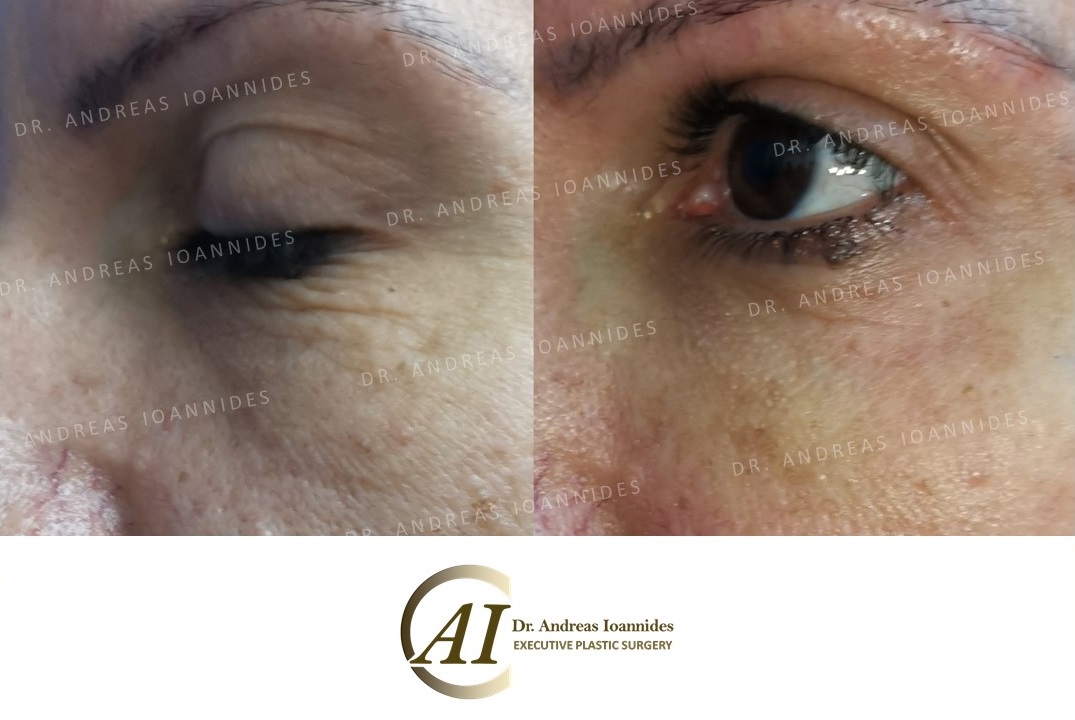
CONTACT

Dr. Andreas Ioannides
Contact us and book an appointment immediately
Choose your appointment by video call or by visiting one of our clinics!

Dr. Andreas Ioannides Executive Plastic Surgery is one of the most complete plastic surgery clinics and the international medical aesthetic medical centers ADVANCED AESTHETICS provide modern medical techniques and aesthetic medical treatments in Greece and Cyprus.
7 Common Myths About Plastic Surgery
Blepharoplasty: When Is It Indicated and What to Expect During Recovery
Rhinoplasty and Breathing: Can Aesthetics and Functionality Be Combined?
September and Plastic Surgery: Why Autumn Can Be a Good Time to Plan an Aesthetic Procedure
September and Aesthetic Treatments: Why It’s the Ideal Time for a Fresh Start
Thinking About Labiaplasty? 10 Things You Should Know Before Moving Forward
Labiaplasty: Everything You Need to Know About the Procedure That Improves Comfort and Confidence
Athens Clinic
T +30.210 9595566
Email: info@andreasioannides.com
Address: Syggrou Ave, 284, Kallithea, Zip 17673 – Athens
Cyprus Clinics
T +357.22335002
Email: info@andreasioannides.com
Athenium International Medical Institute
Address: Giannitson 9 Strovolos, Nicosia 2027, Cyprus
Address: Thiseos 1, Lemesos 3025, Zip 4004 – Cyprus
Copyright © 2022