


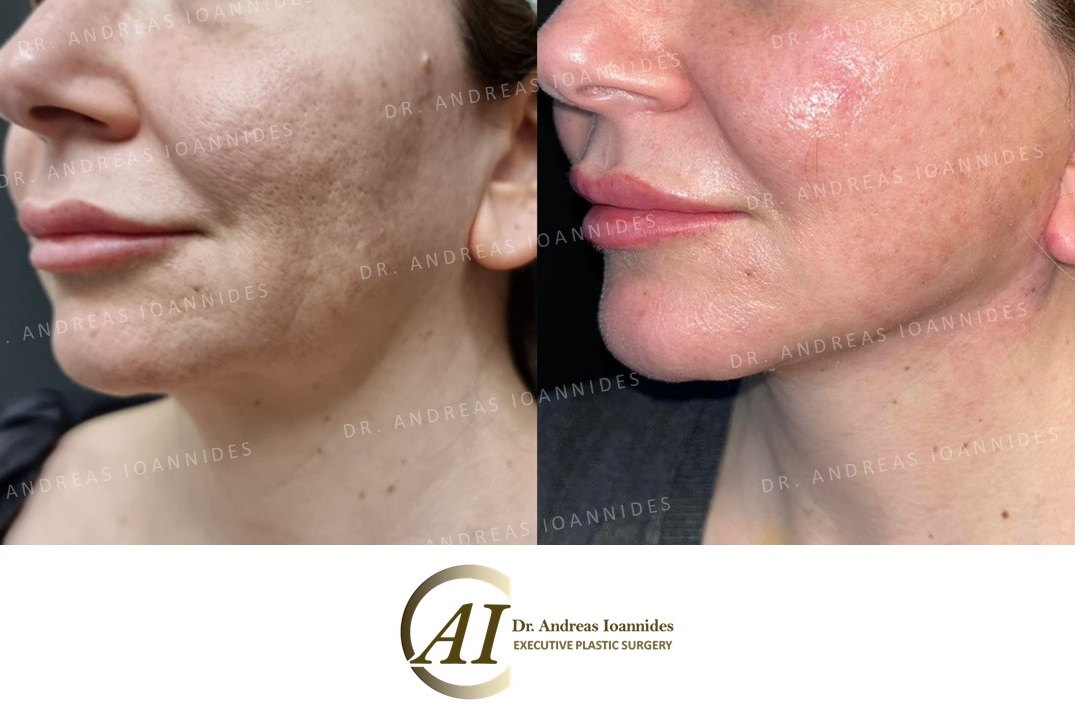
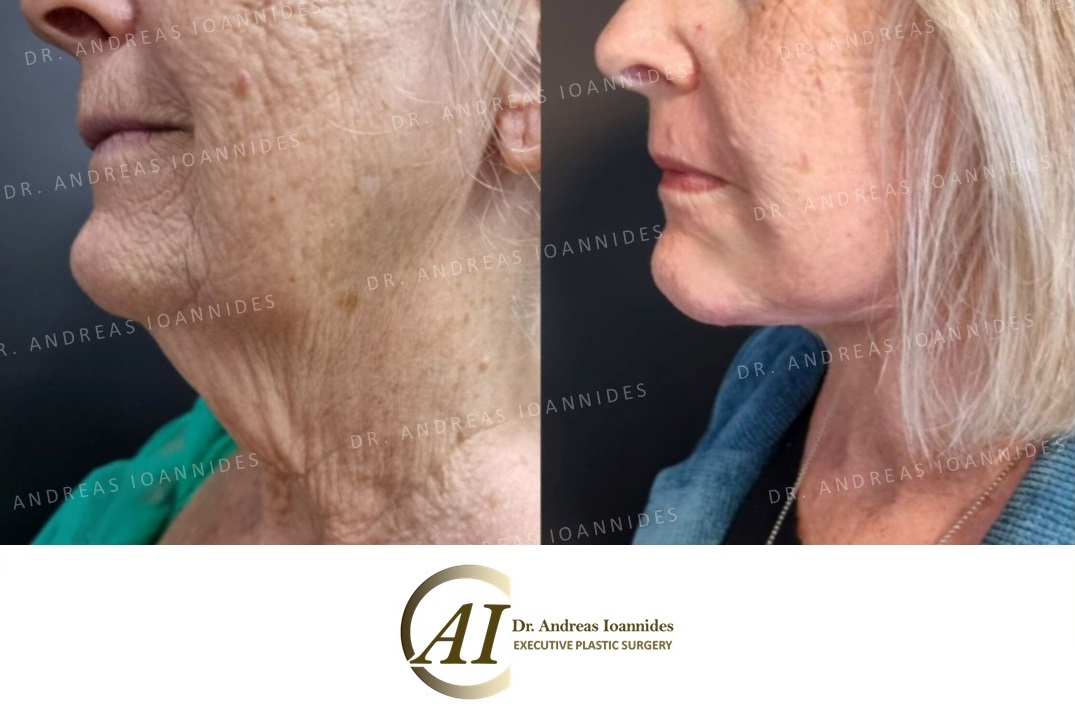
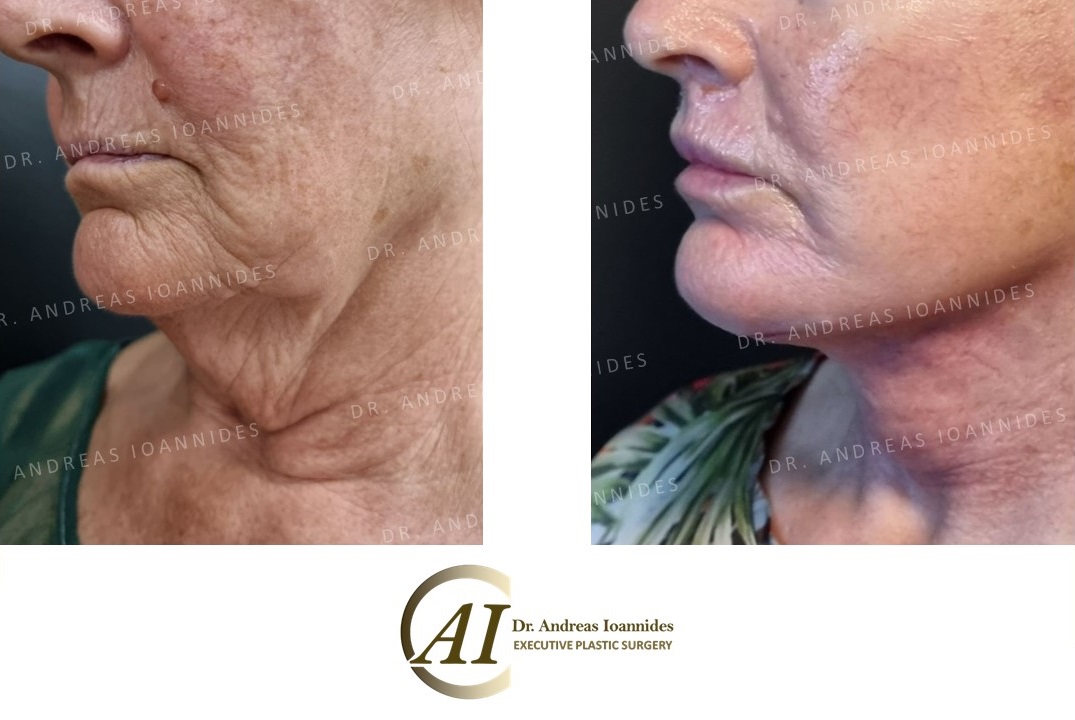
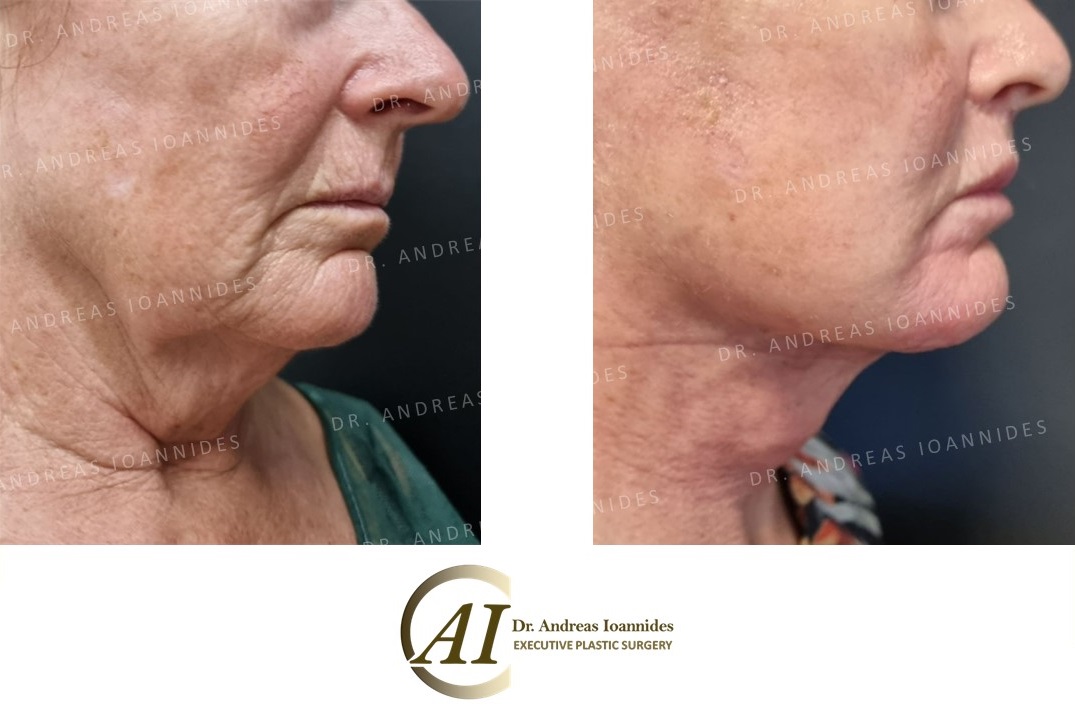
A facelift, known medically as rhytidectomy, remains one of the most established operations in facial rejuvenation. The reasoning is straightforward. As the face ages, the deeper support structures descend and the skin follows, which softens the jawline and blurs the boundary between face and neck. A well-planned procedure addresses that descent at its source, rather than simply tightening the surface.
Dr Andreas Ioannides approaches each case individually. No two faces age in the same pattern, and a result that suits one patient can look incongruous on another. That principle, fitting the plan to the patient rather than to a fixed formula, shapes every stage of care described here.
Why patients choose Dr Ioannides
Patients travel to this Athens practice from across Greece, frequently after months of research and careful consideration. Certain priorities recur during their consultations.
- Patients travel to this Athens practice from across Greece, frequently after months of research and careful consideration. Certain priorities recur during their consultations.
- A natural result, first and foremost: The objective is rejuvenation that suits your features, never an obviously operated appearance. The strongest endorsement, arguably, is when others notice you look rested without identifying why.
- Structure and skin, addressed together: Lasting improvement depends on repositioning the deeper tissues, not on pulling skin. Both are managed within a single, considered plan.
- Clear, measured consultations: You receive honest guidance on what your anatomy allows, including the occasions when a more conservative approach serves you better.
- Continuity of care: Follow-up carries as much weight as the operation itself, and the team remains accessible throughout your recovery.
- 26 years of experience in plastic and reconstructive surgery, member of ISAPS, IPRAS and HESPRAS, and international member of the American Association of Plastic Surgeons
That final point is easy to underestimate. Planning and aftercare often determine a patient's satisfaction at least as much as the time spent in surgery.
The signature techniques
Dr Ioannides has developed and refined a set of techniques built around two priorities: discreet or hidden incisions, and a quicker, more comfortable recovery. The right one depends on your anatomy, the degree of laxity and your goals. Each links to its own detailed page.
Scarless Lifting by Ioannides
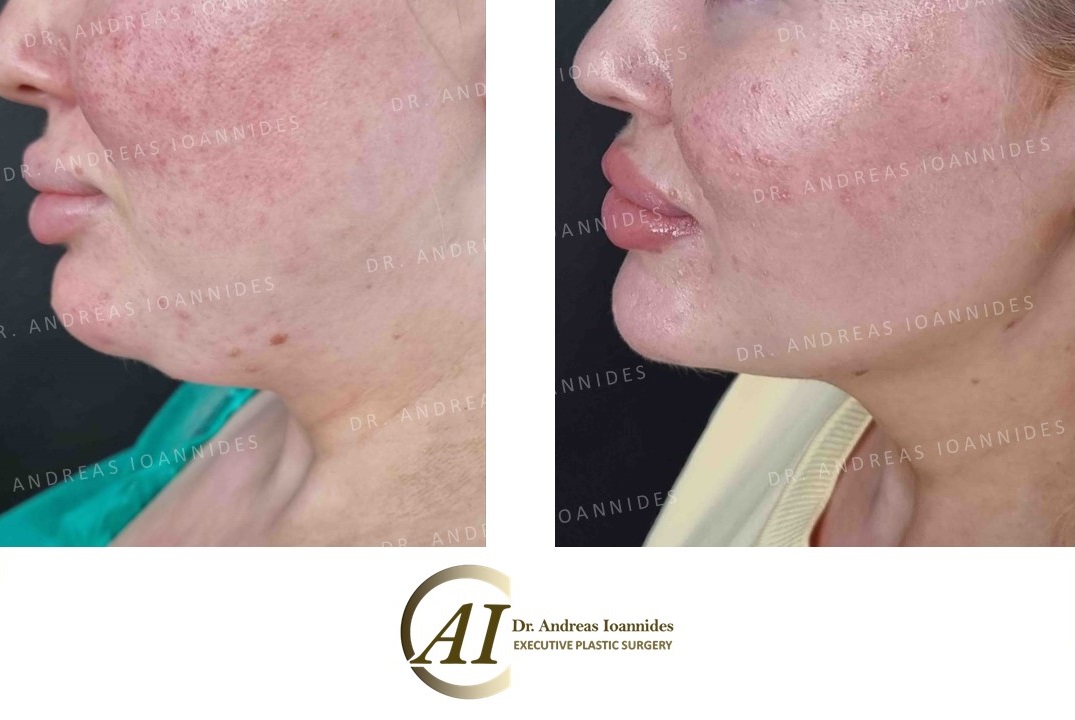
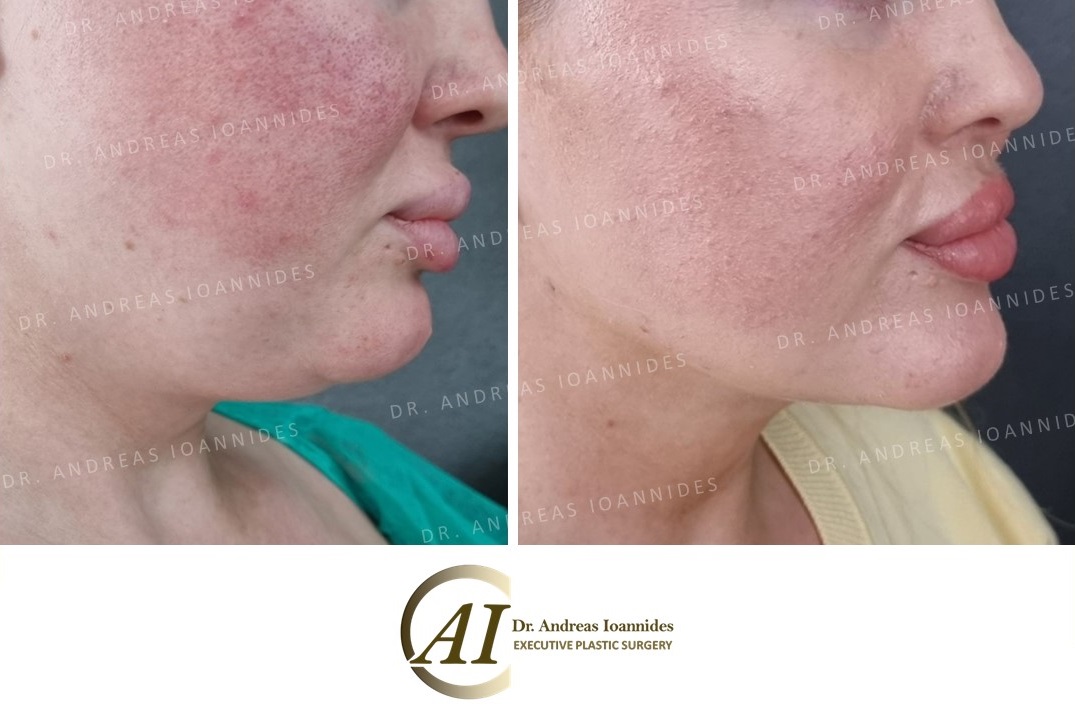
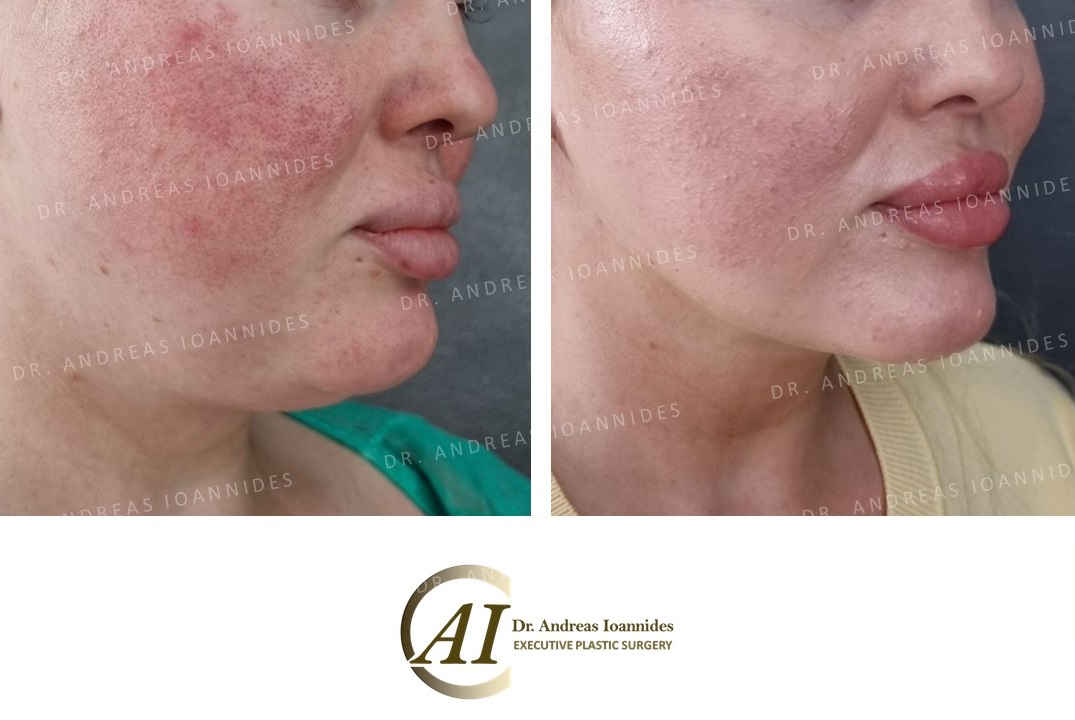
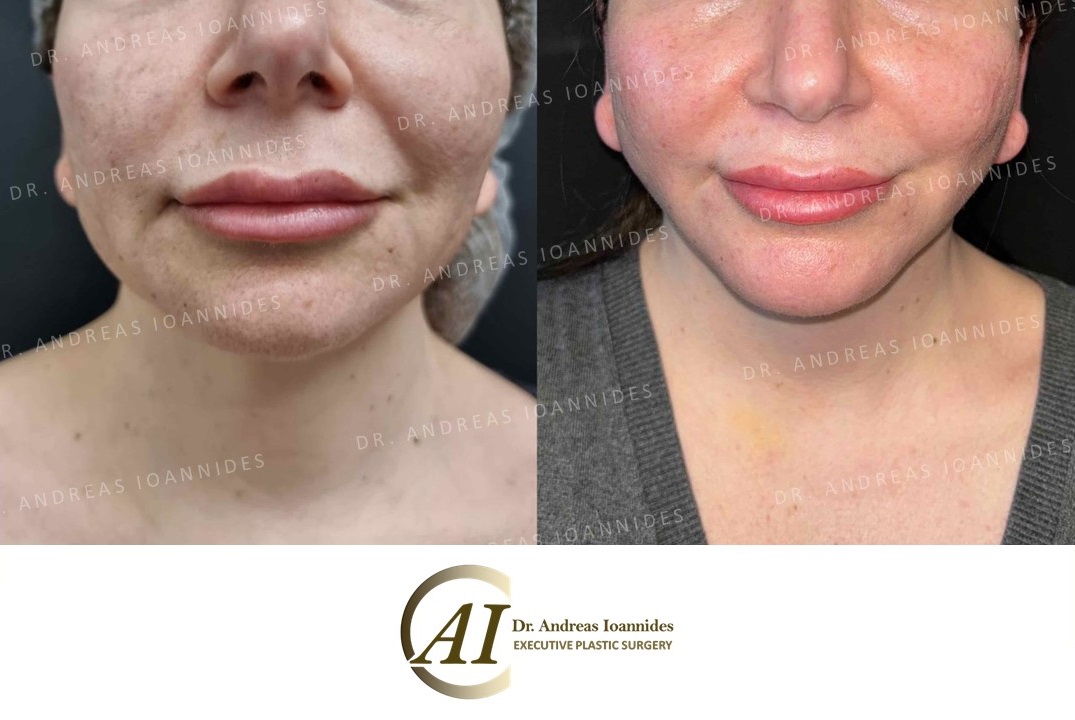
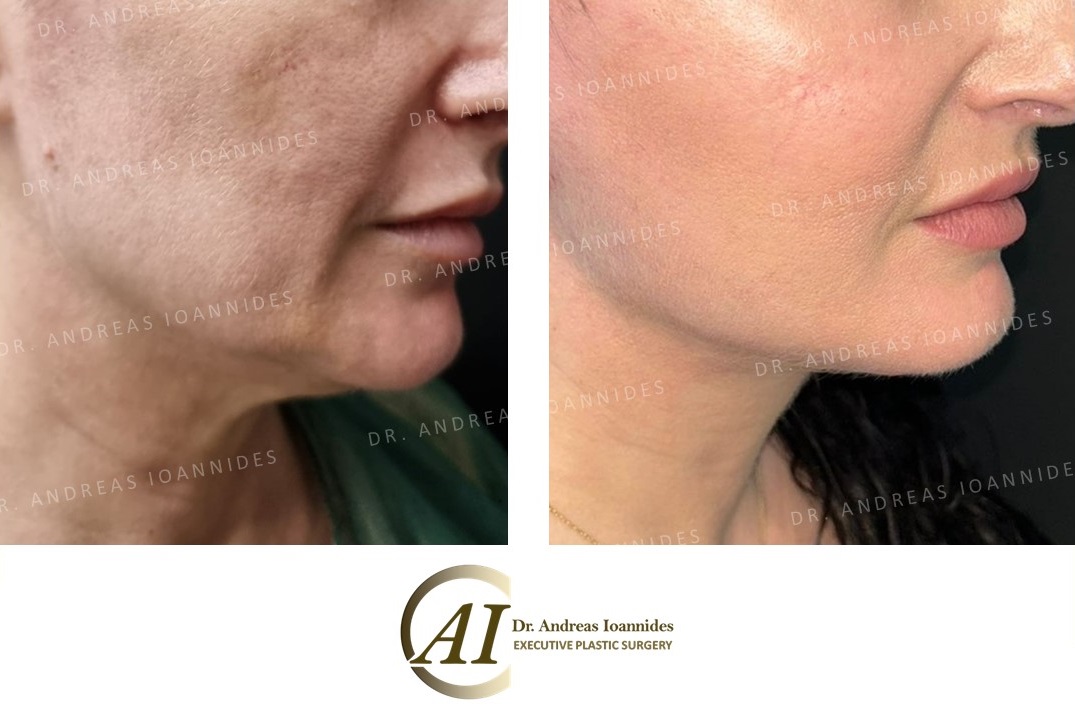
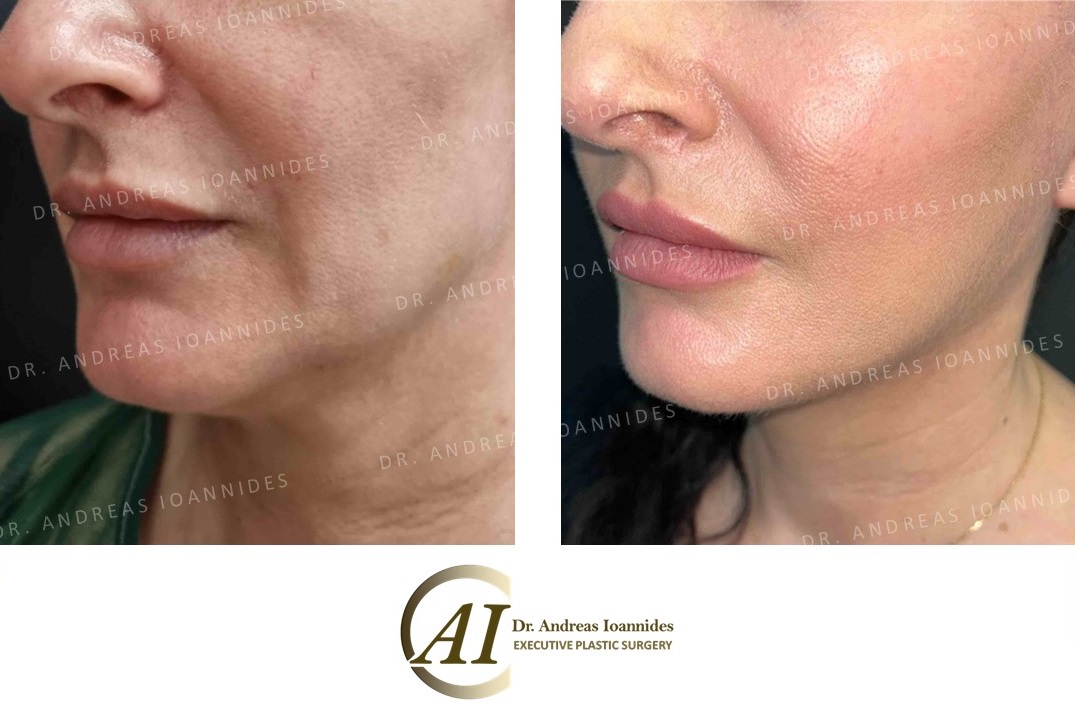
A proprietary approach that repositions the facial tissues without leaving visible scars. It suits patients who want a meaningful lift while keeping any trace of surgery hidden, and it remains one of the practice's most requested options.
T.T.A. Lift, Mini Deep Plane Lift
A targeted, minimally invasive version of the deep plane facelift. The deeper tissue layer is released and elevated through limited incisions, which preserves natural movement while shortening recovery compared with a full deep plane procedure.
SmartLift by Dr. Andreas Ioannides
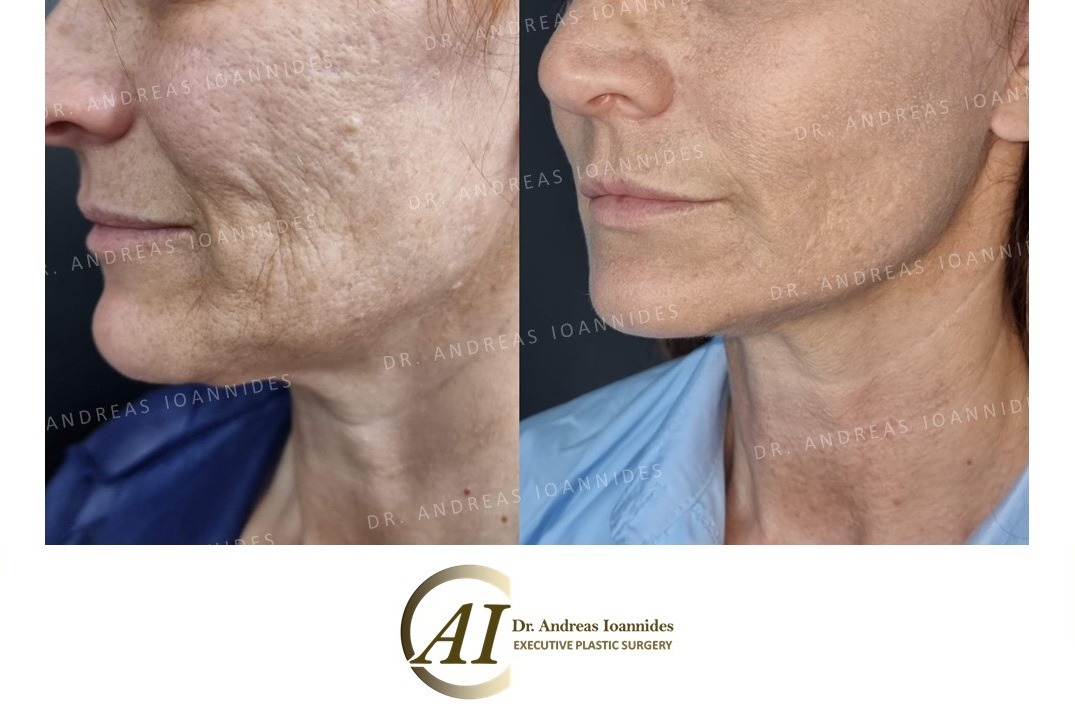
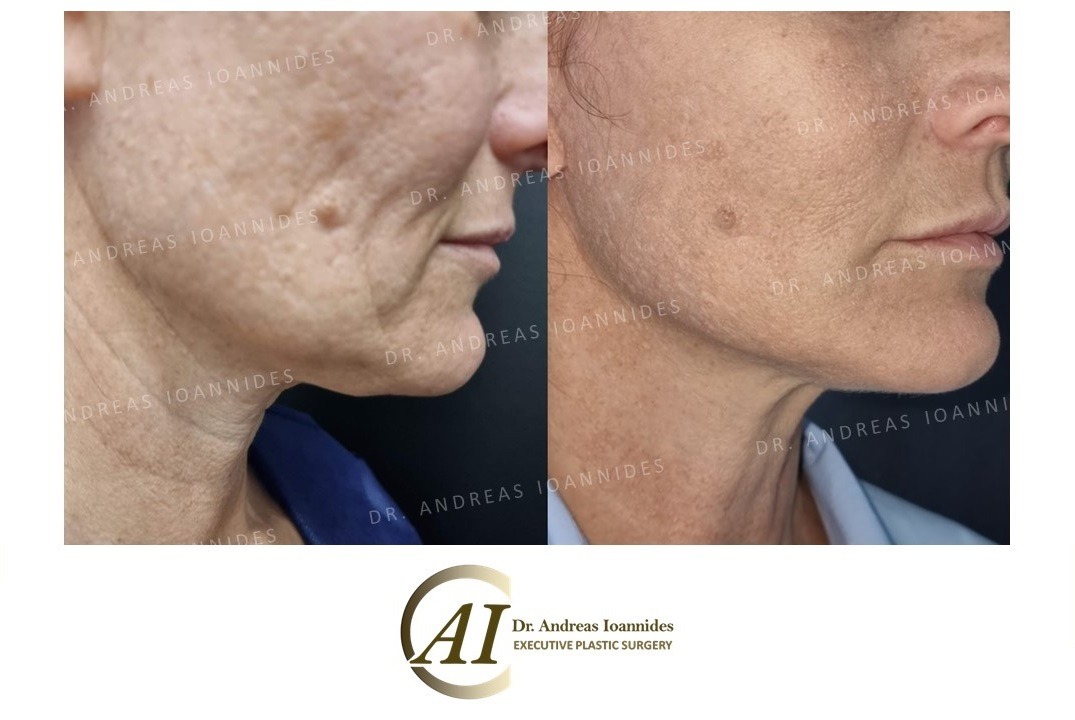
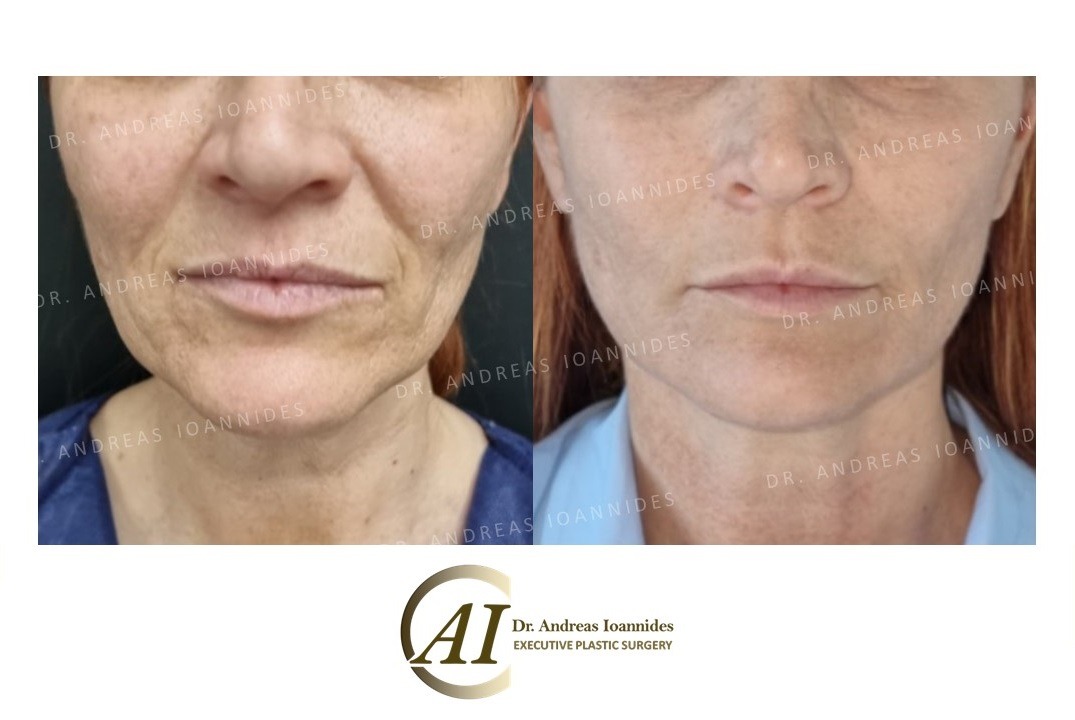
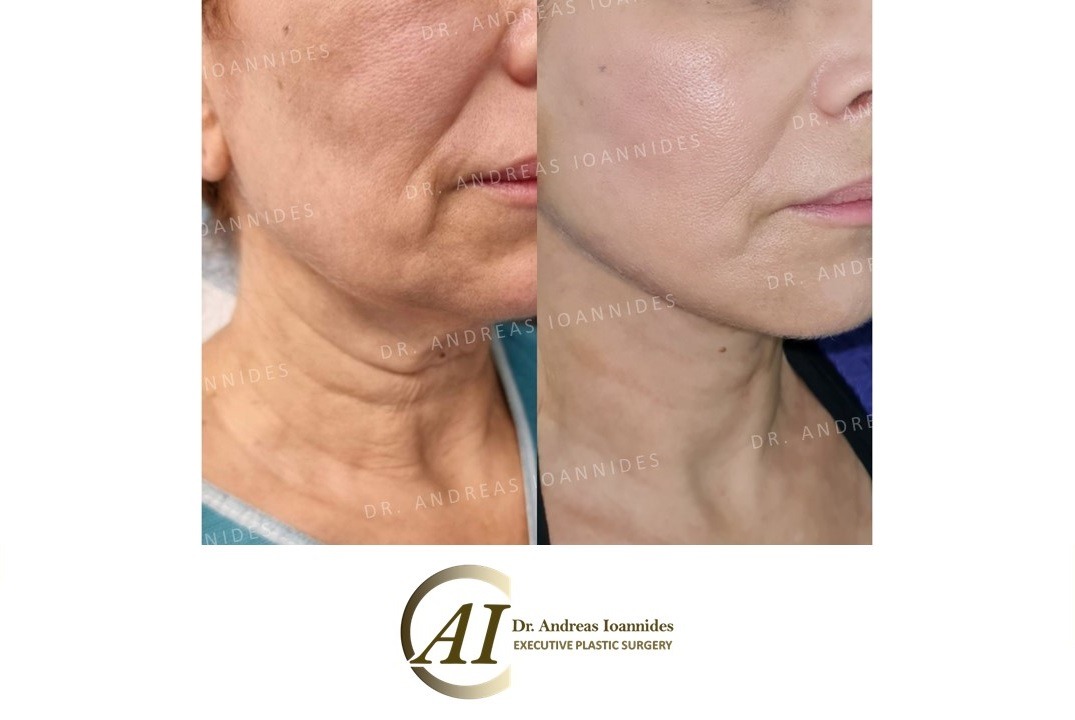
SmartLift by Dr Andreas Ioannides is a pioneering approach to the deep plane facelift, designed to rejuvenate the midface, the oval of the face and the neck, delivering natural results and a rapid recovery without the long incisions of conventional methods. What makes it truly "smart" is the combination of advanced technologies (radiofrequency, Argon plasma and nano fat grafting for tightening and restoring lost volume) with a highly refined anatomical design.
The technique's defining difference is that it is not limited to the classic lateral or transverse pull of most conventional facelifts, but instead incorporates a vertical axis of suspension (vertical suspension). This innovation directly addresses the vertical descent and the "emptying" of the central face, repositioning the cheek and midface tissues with precision for a completely natural, youthful facial architecture. The SmartLift, then, is not simply a lift with a smaller incision, but a complete, smart and anatomically designed approach to facial rejuvenation.
Short Scar Facelift
Uses shorter, more discreet incisions to address mild to moderate laxity of the cheeks and jawline. Scarring settles into the natural creases, so the result reads as rejuvenation rather than surgery.
Lipolysis and Tightening, ThermiTight
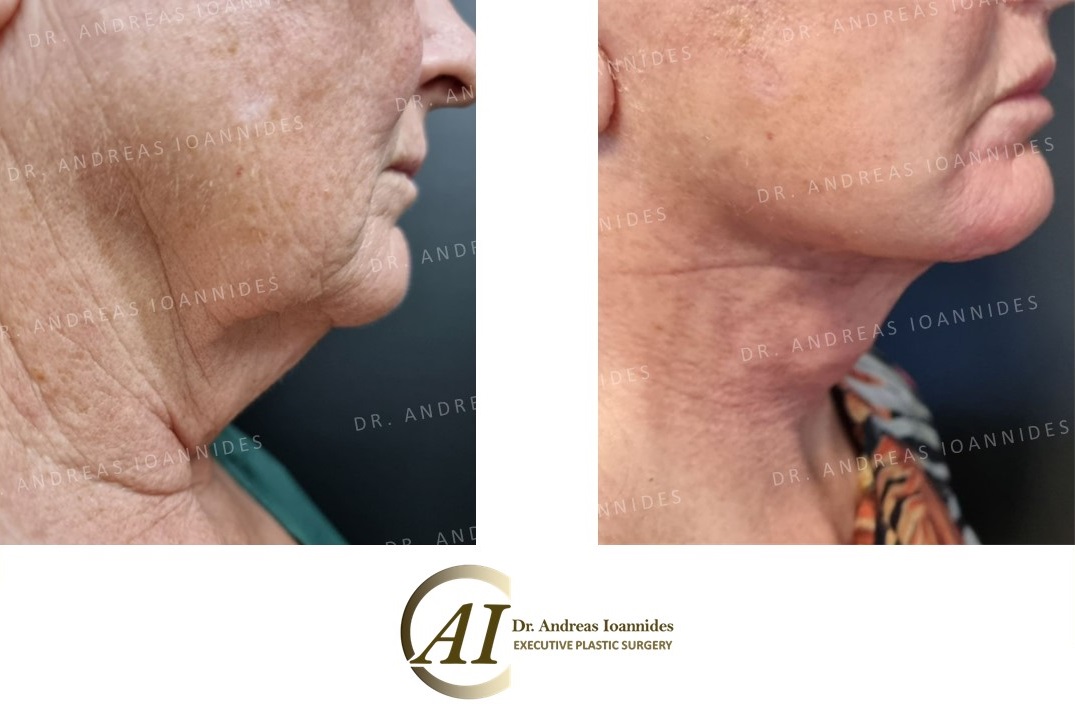
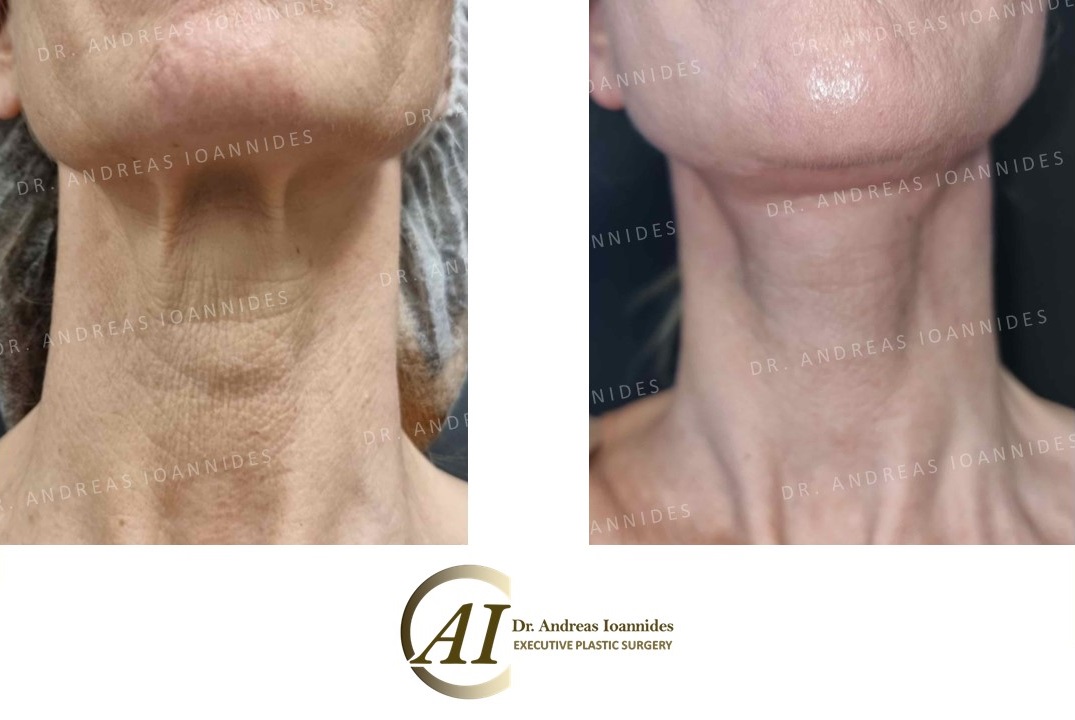
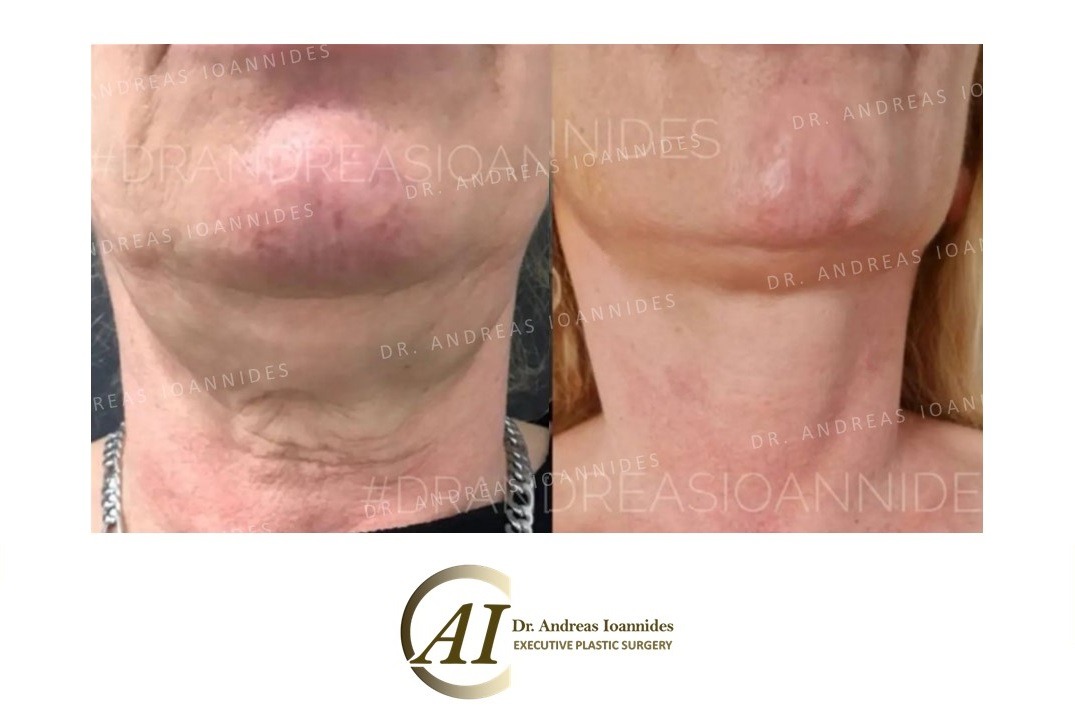
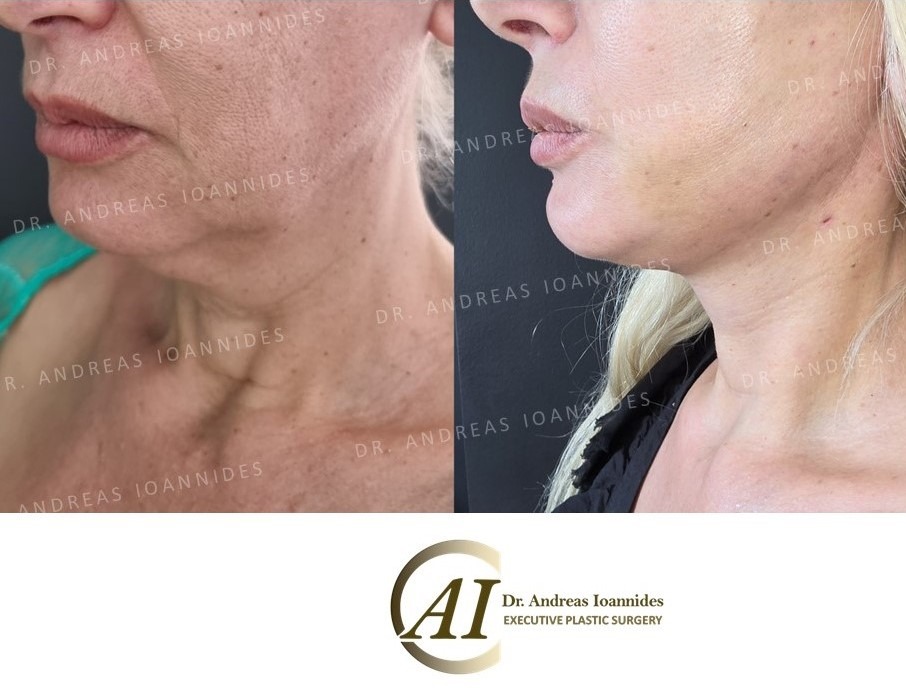
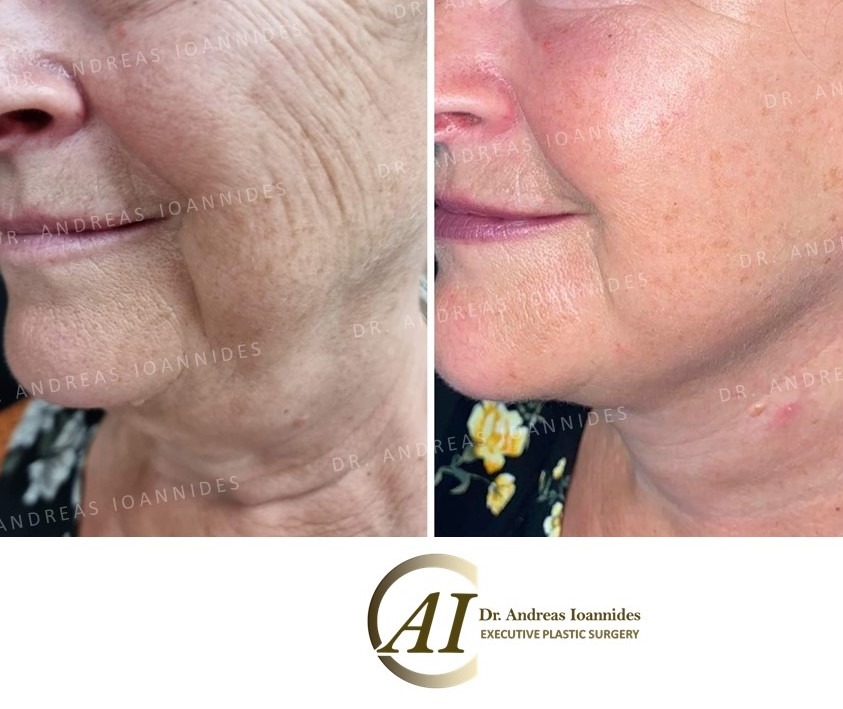
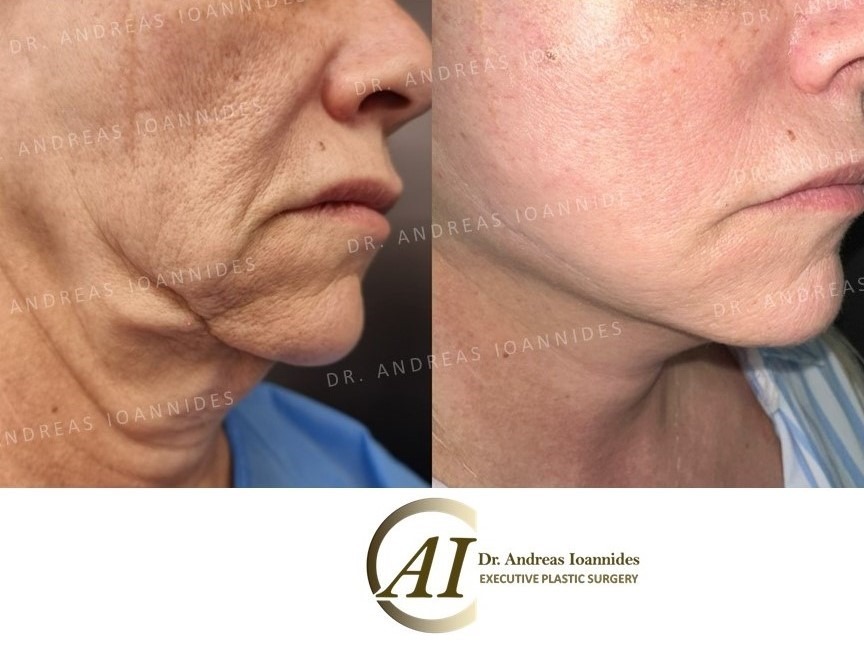
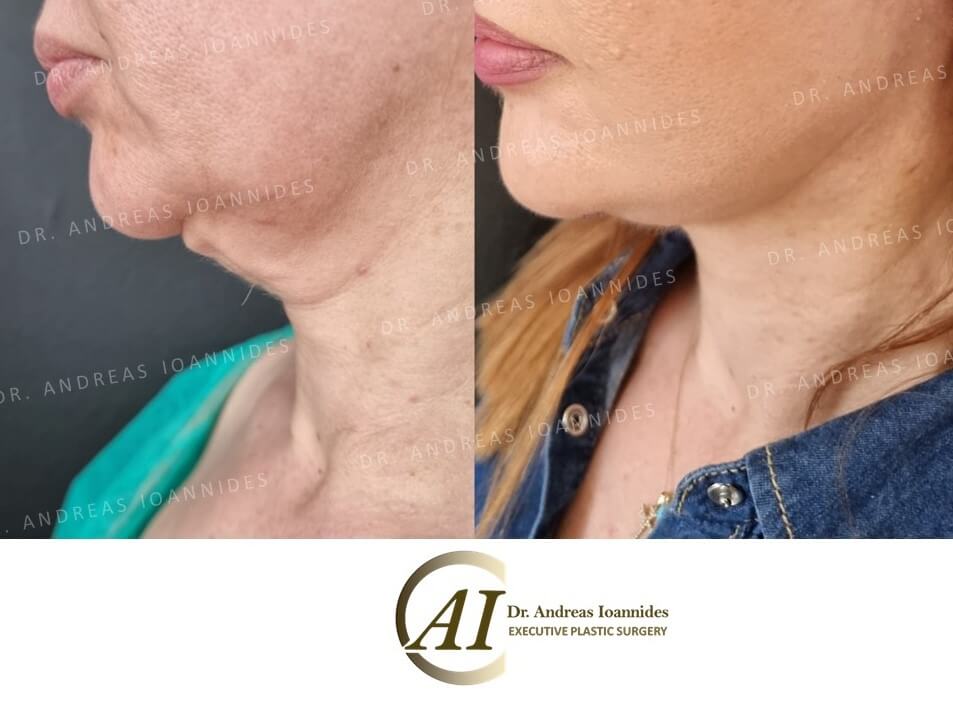
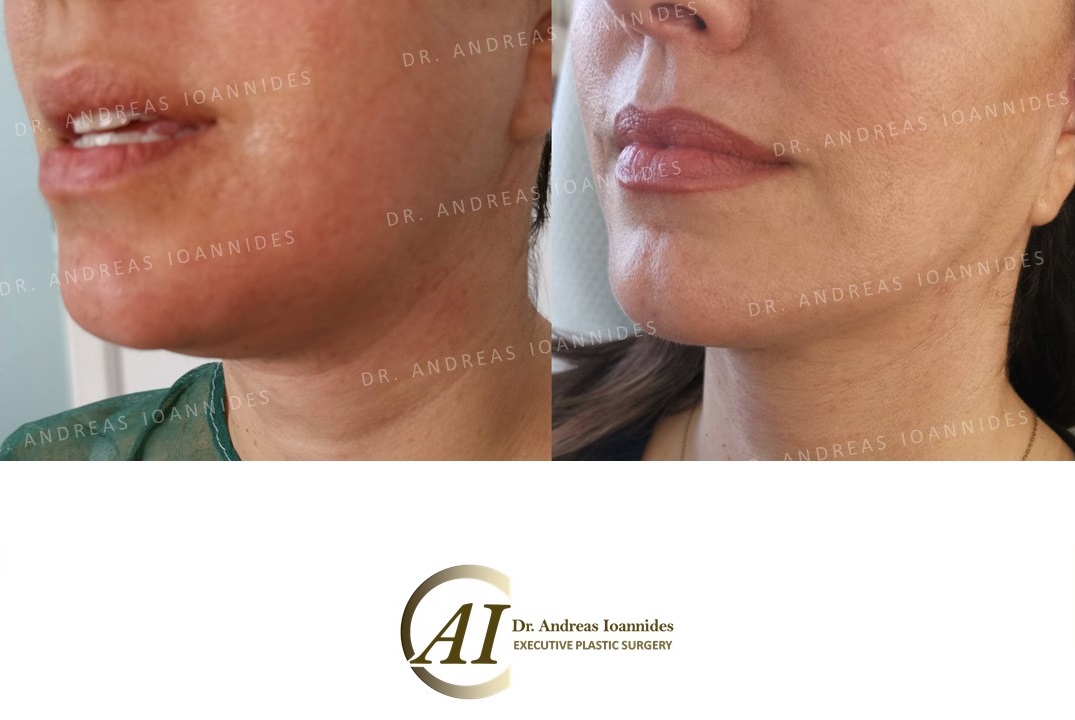
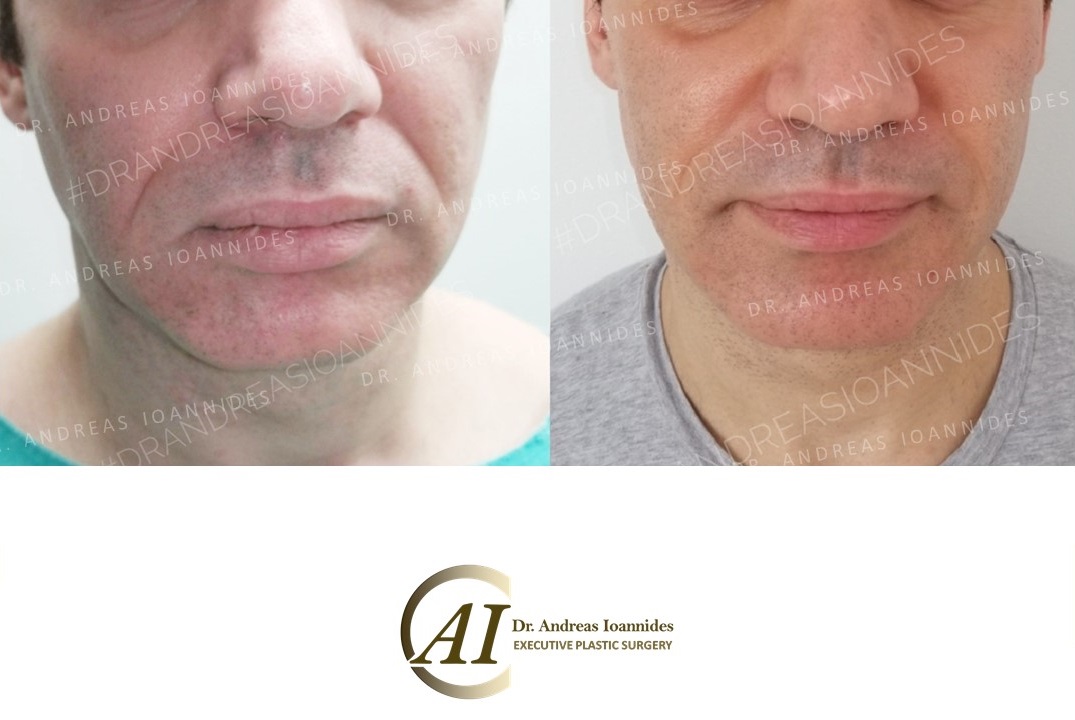
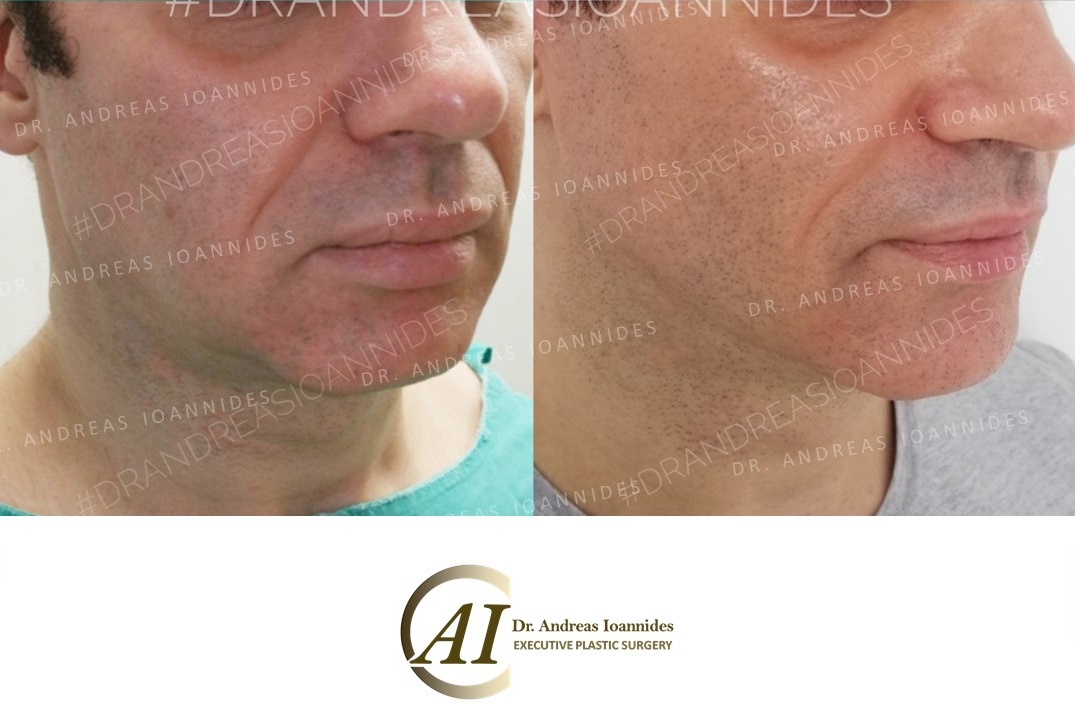
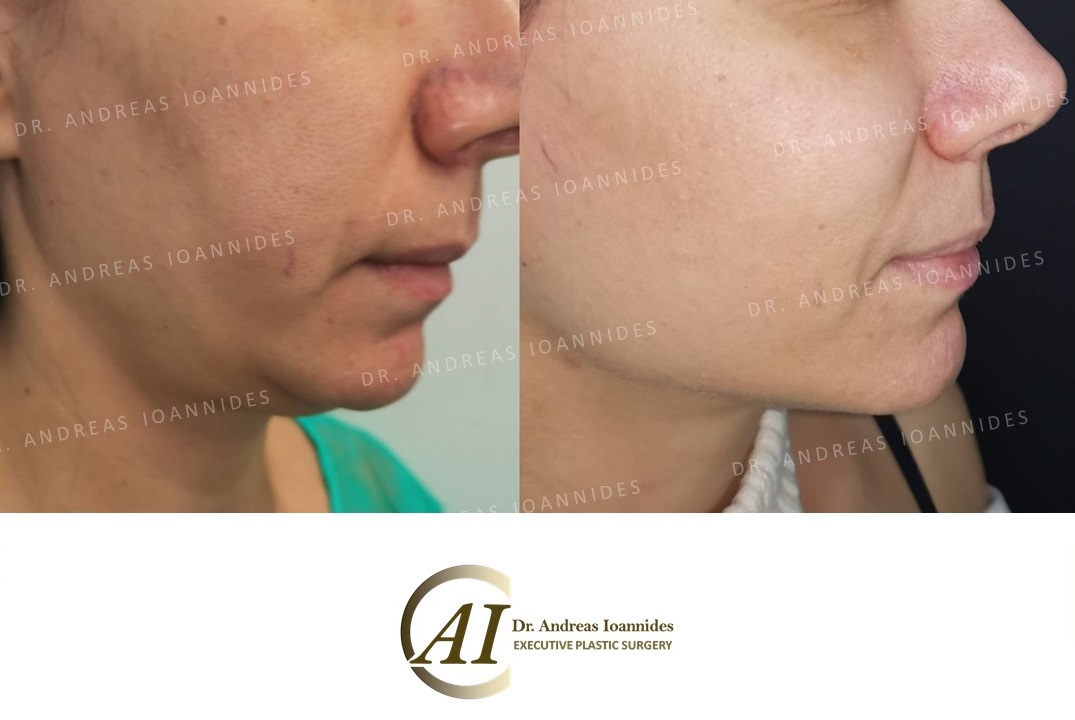
A minimally invasive, radiofrequency-assisted treatment that dissolves stubborn fat and tightens the skin of the lower face and neck through a tiny entry point, without major incisions. A strong choice for early jowls or a softening jawline.
Bat Wing Lip Lift, lifting the upper lip
A refined lip lift that shortens an elongated upper lip and reveals a little more of the upper teeth, restoring a balanced, youthful smile. It is frequently performed under local anaesthesia, with minimal downtime.
Concerns we treat
A facelift consultation rarely addresses a single issue. The face functions as a unit, so several areas are usually assessed together. The table below outlines what Dr Ioannides commonly manages.
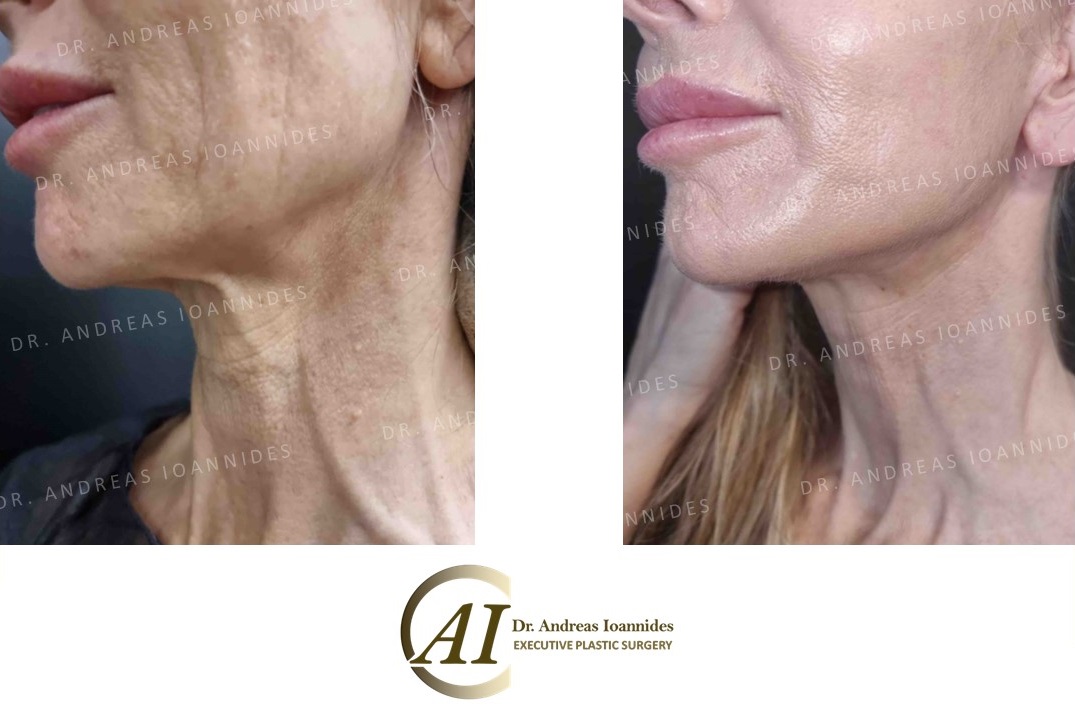
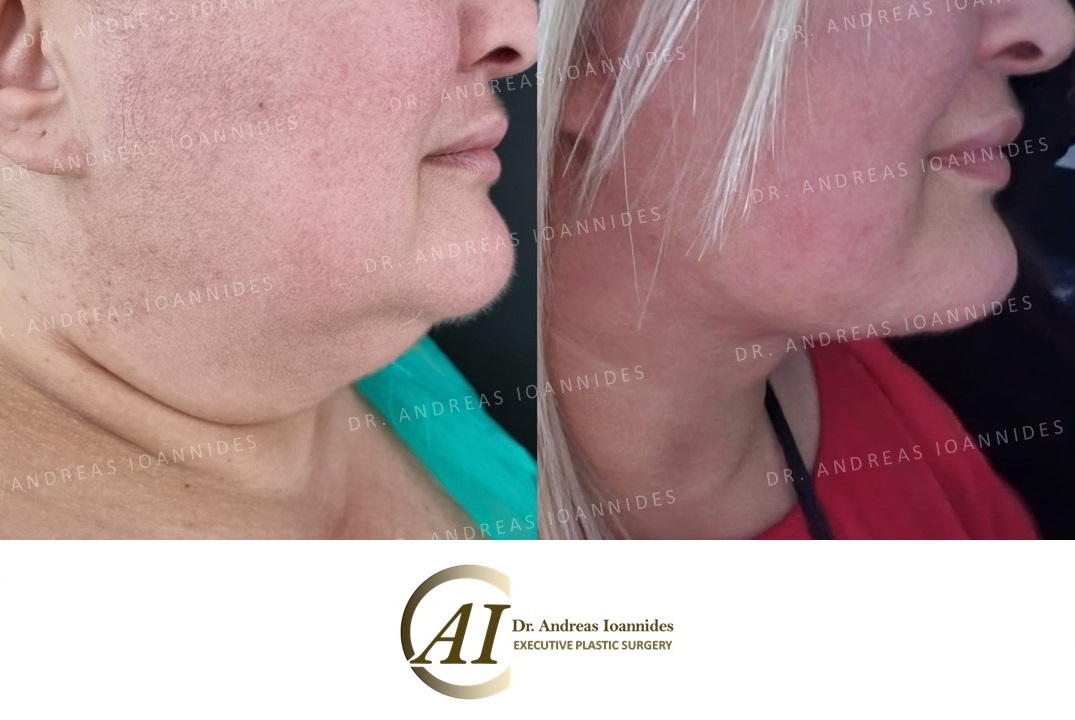
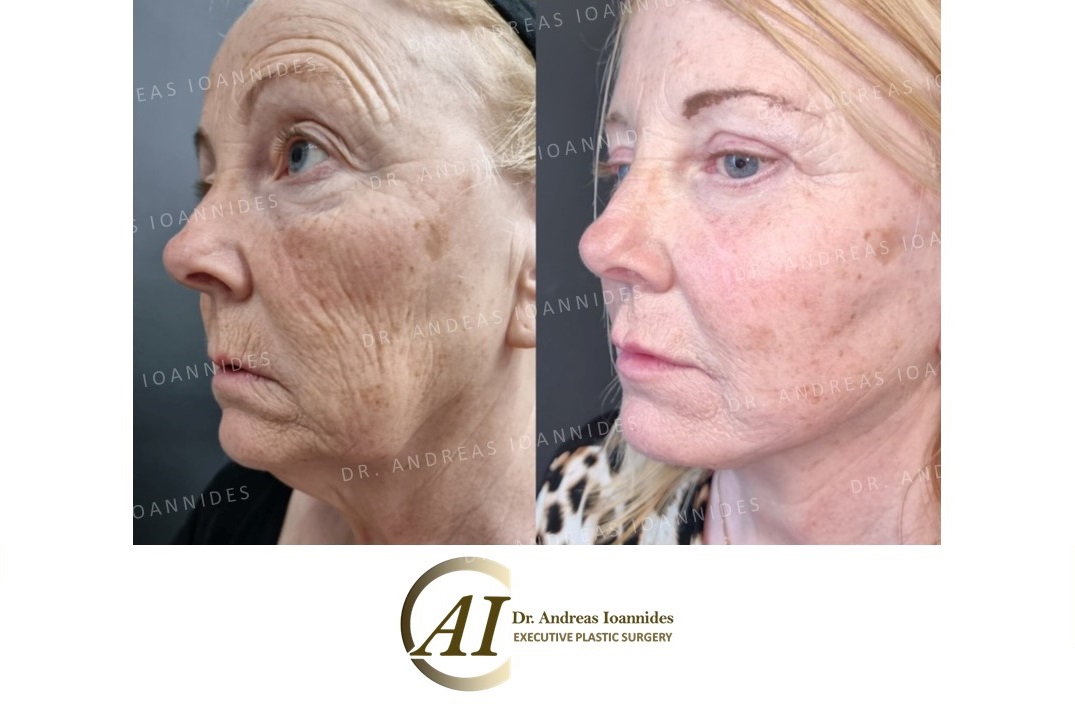
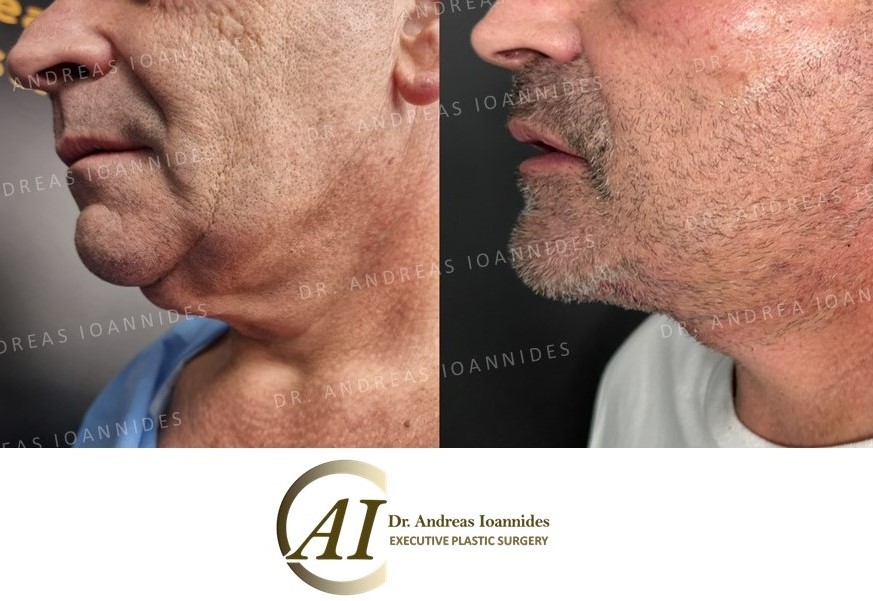
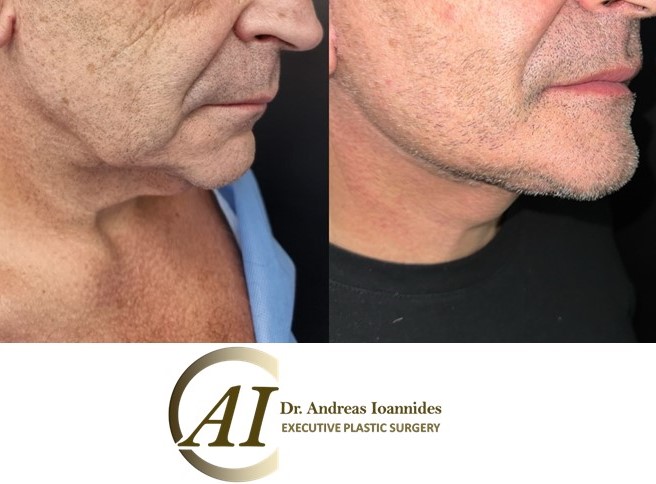
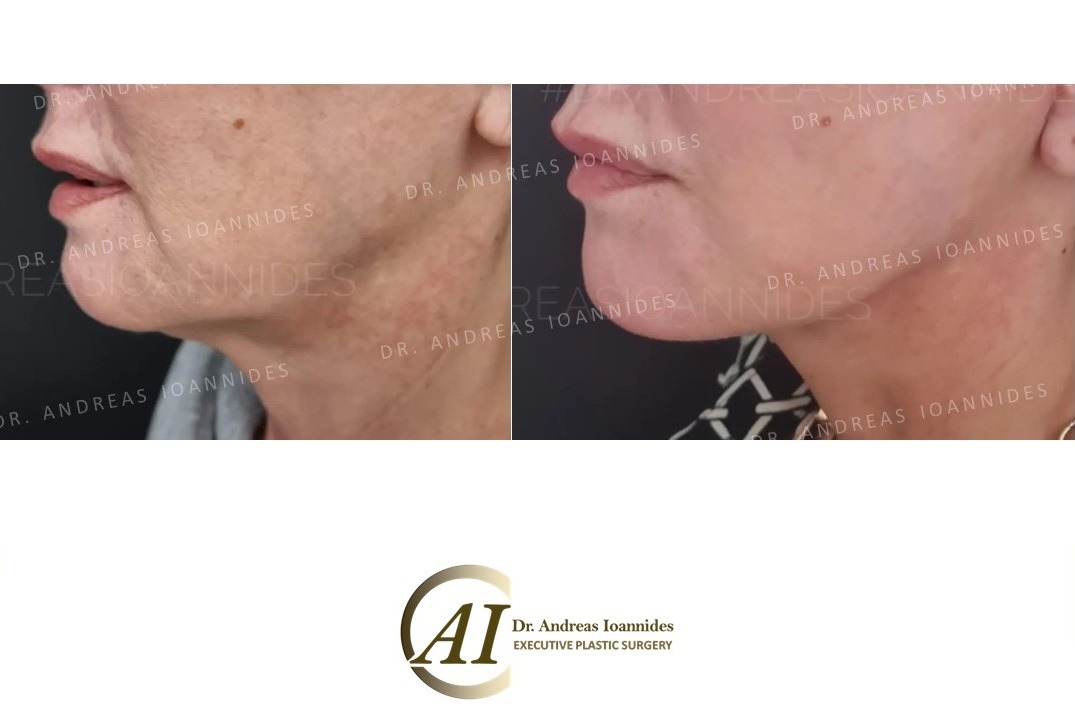
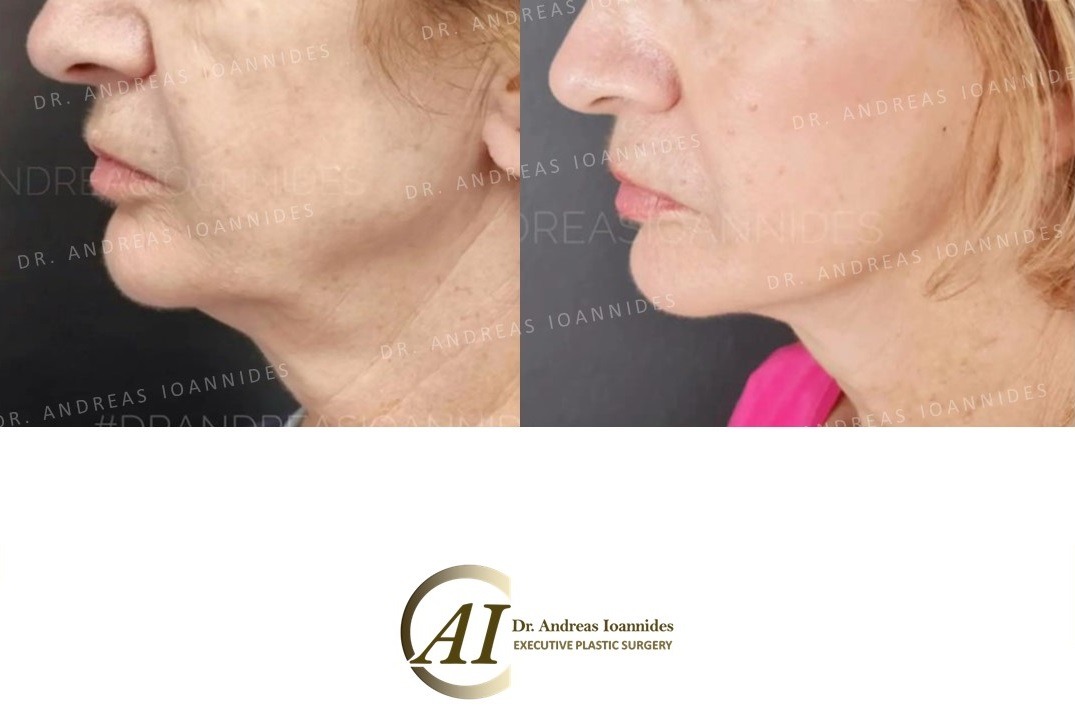
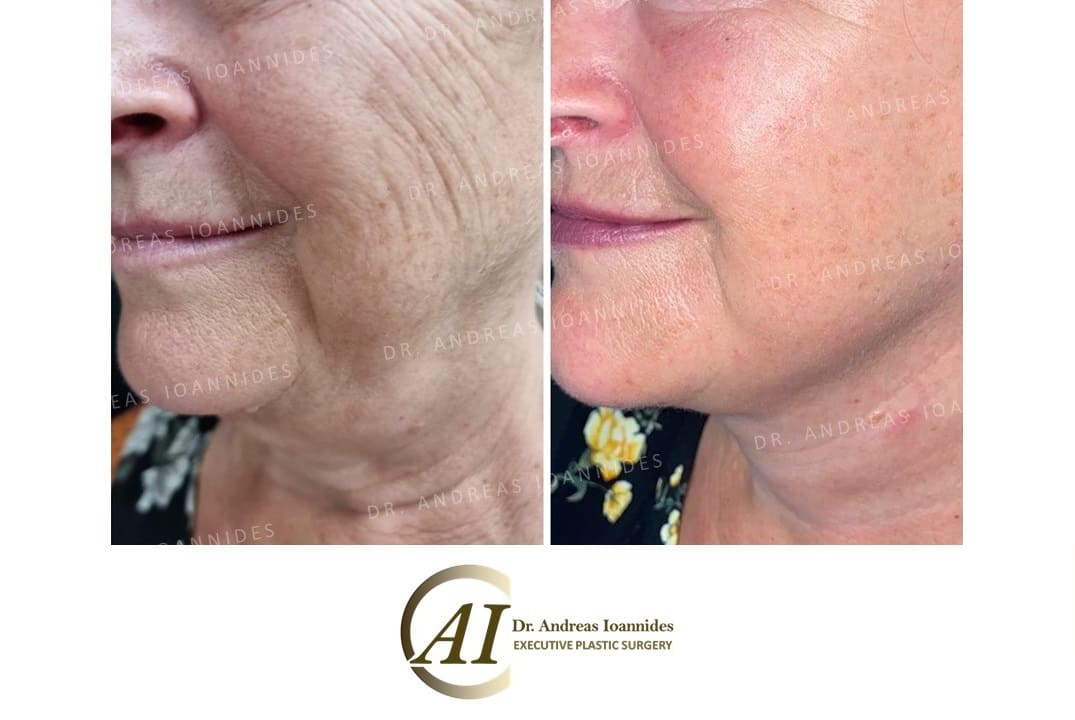
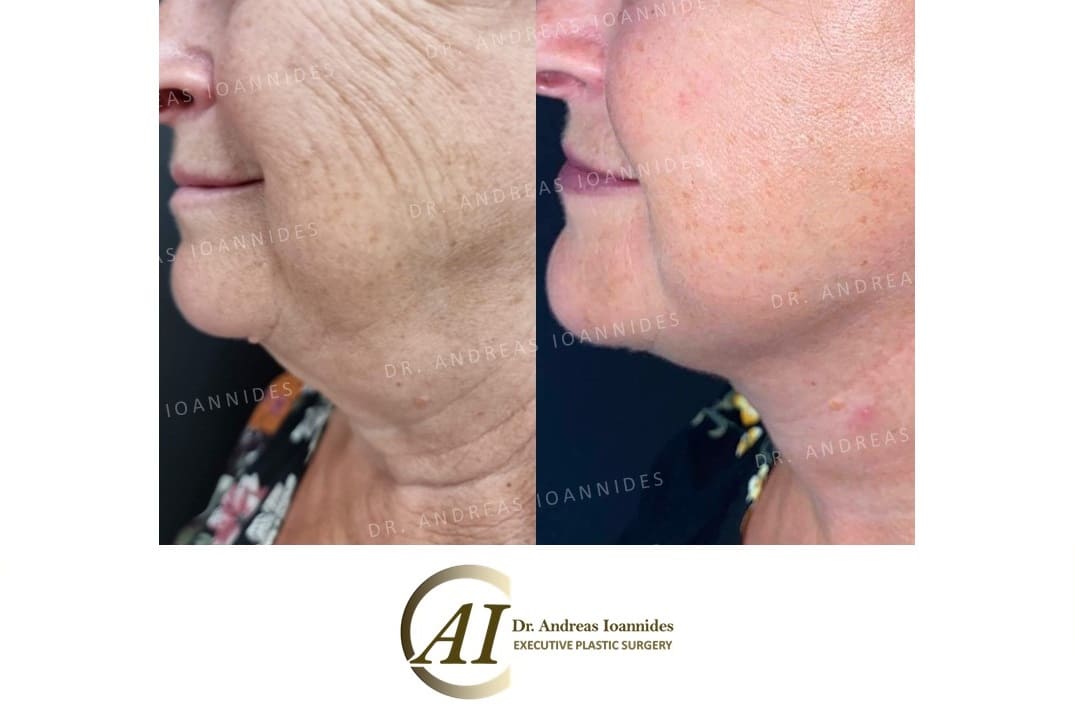
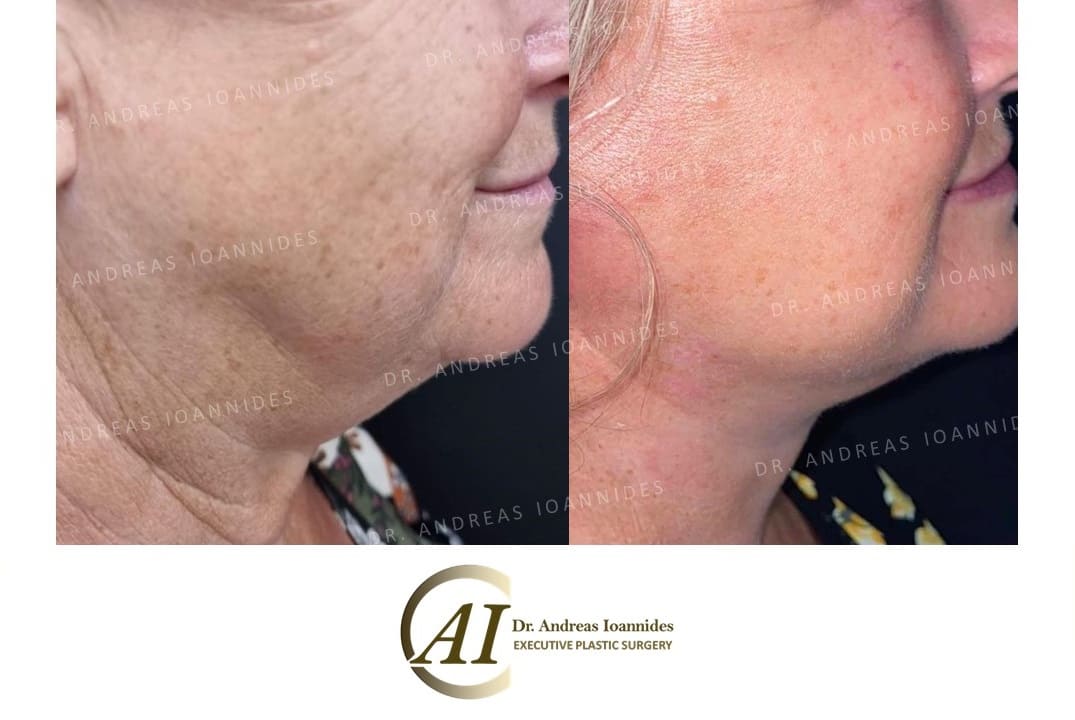
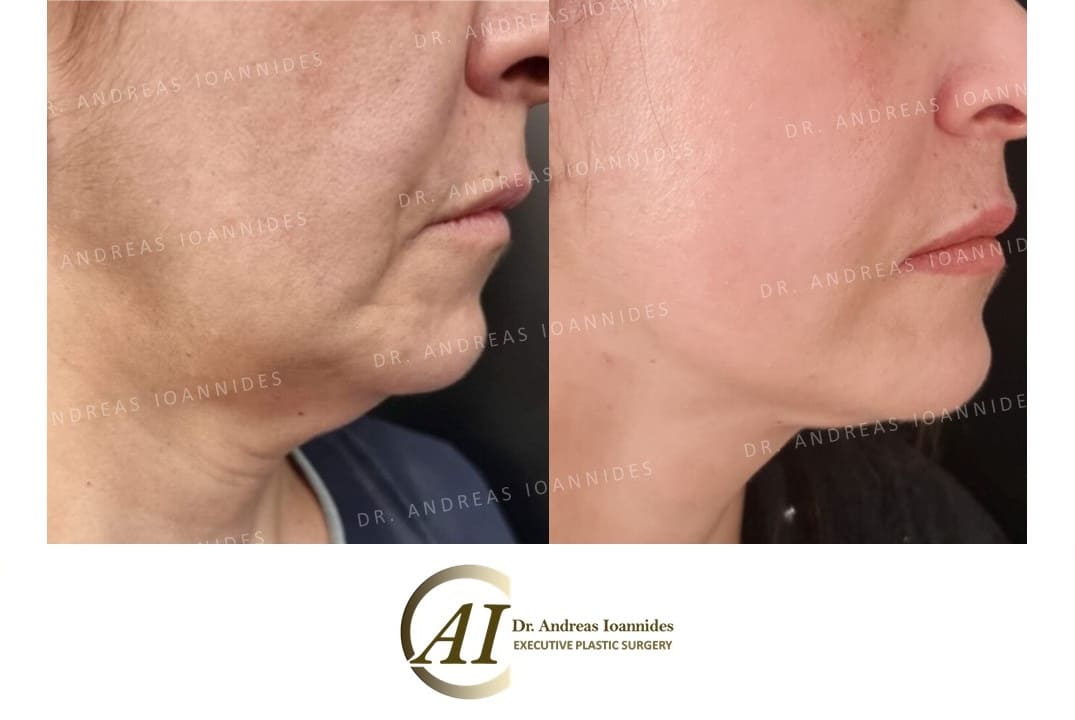
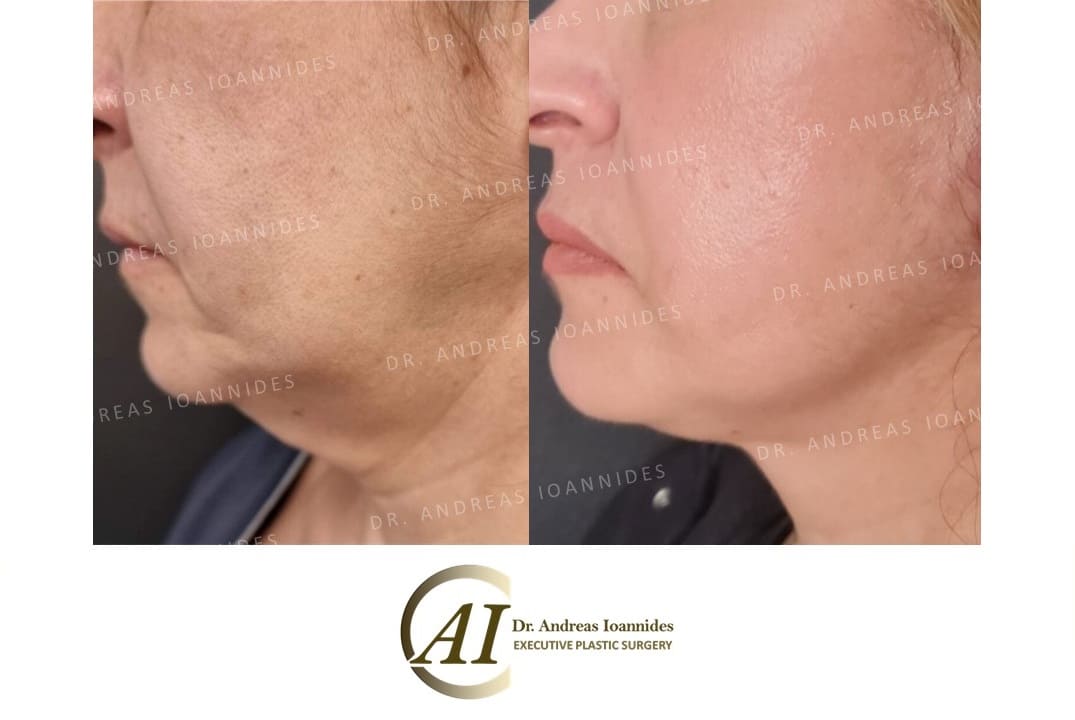
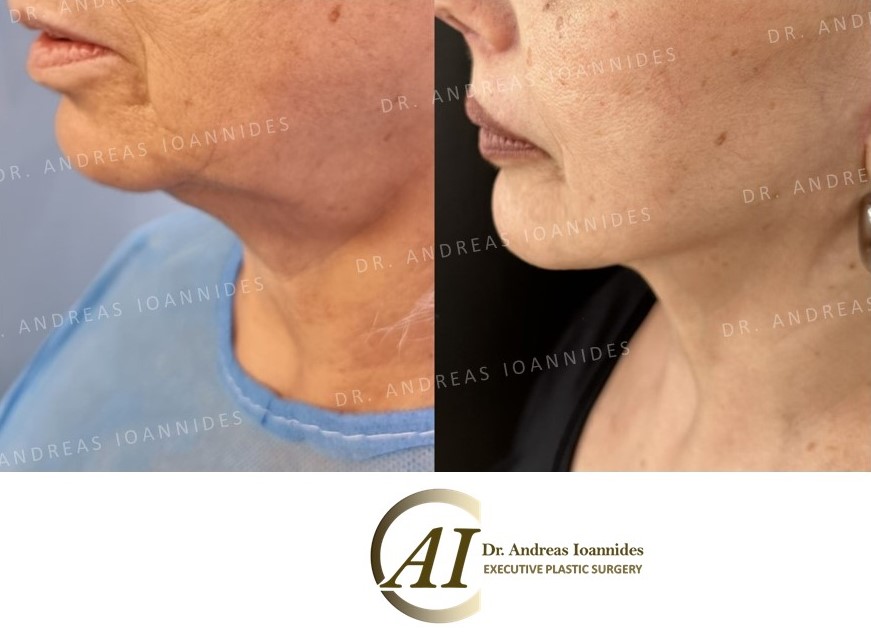
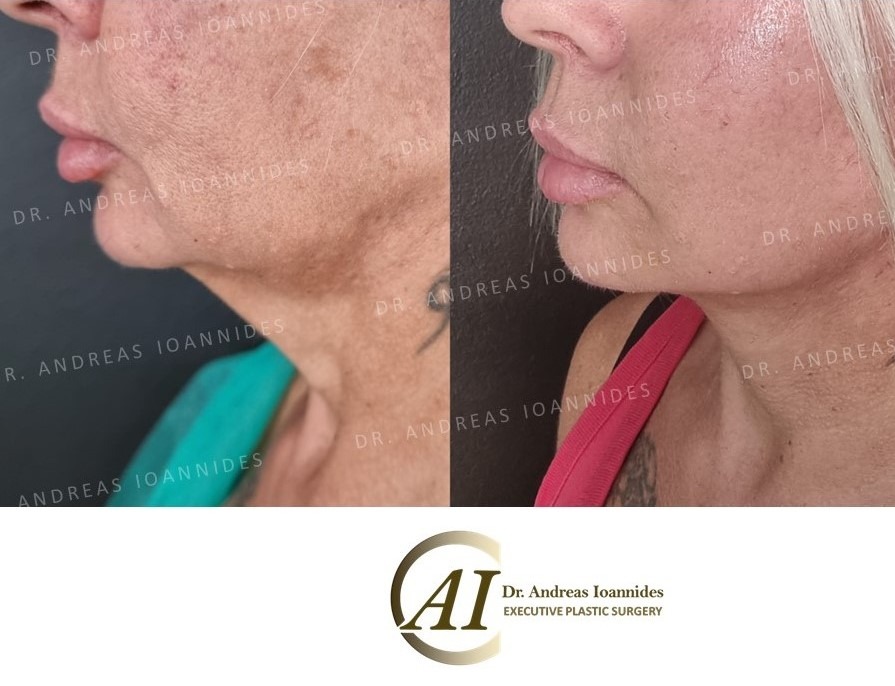
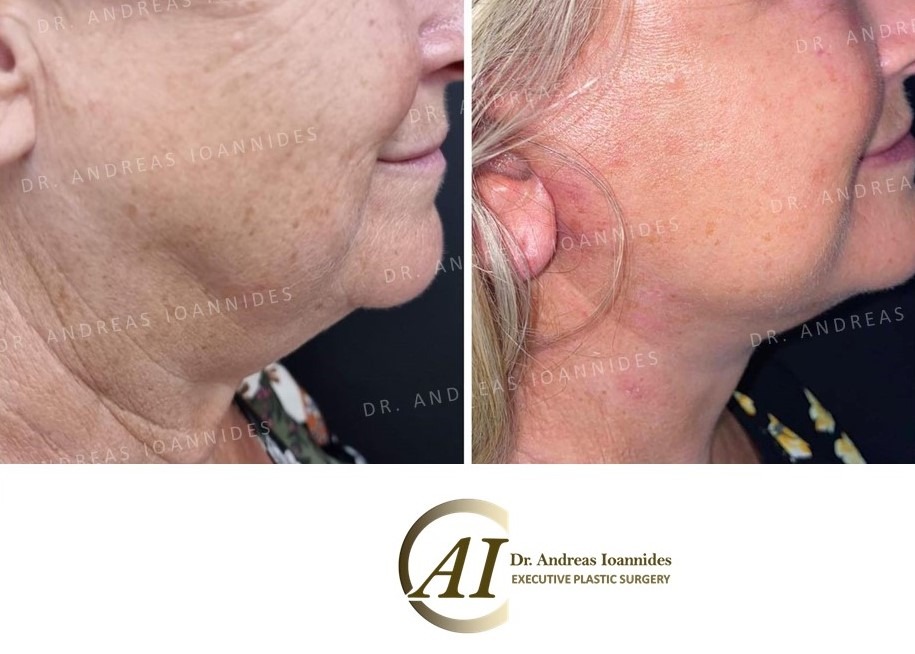
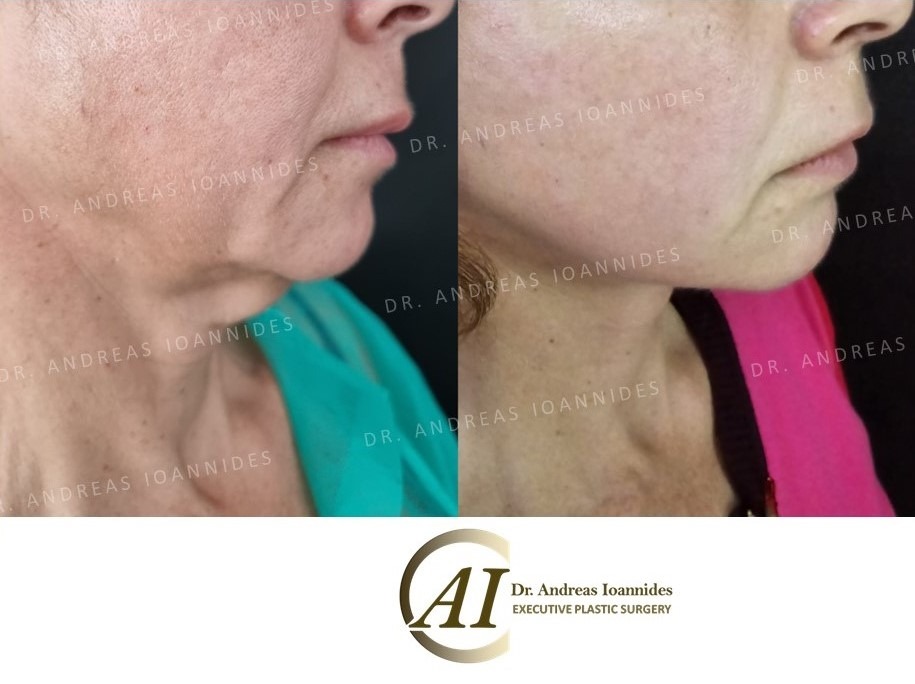
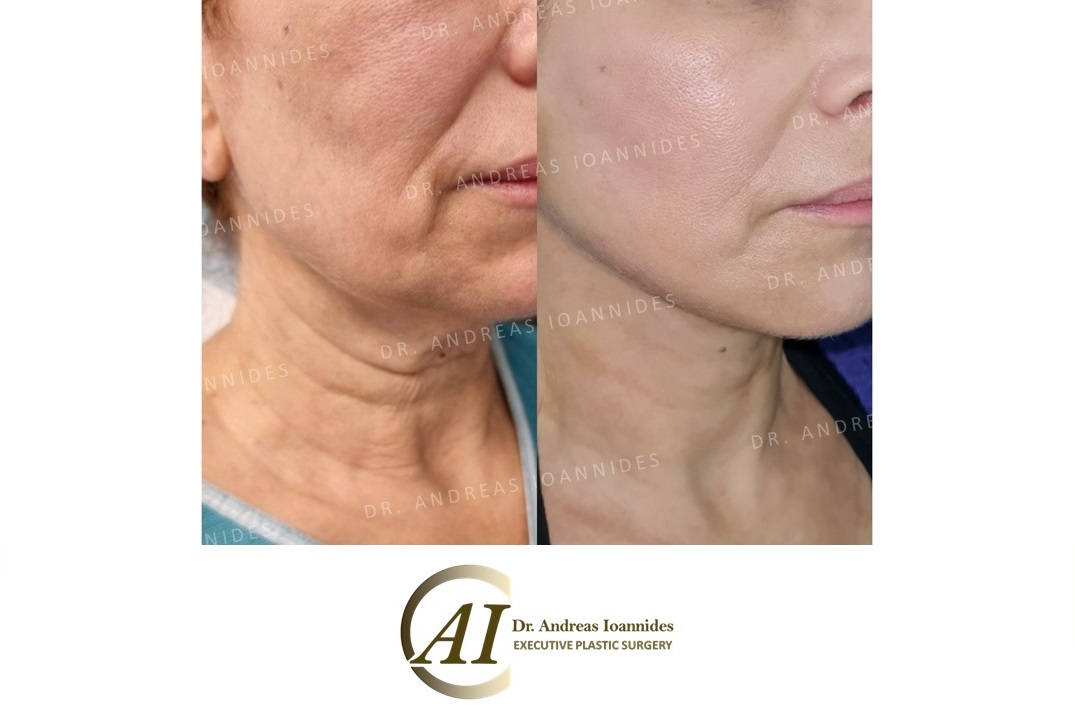
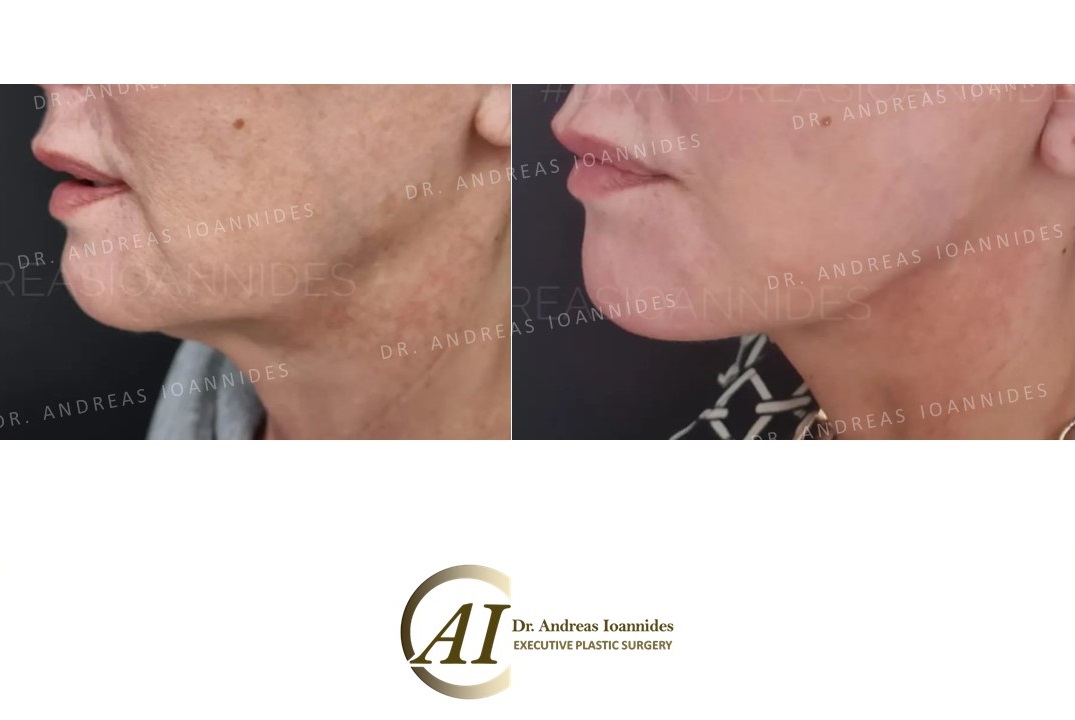
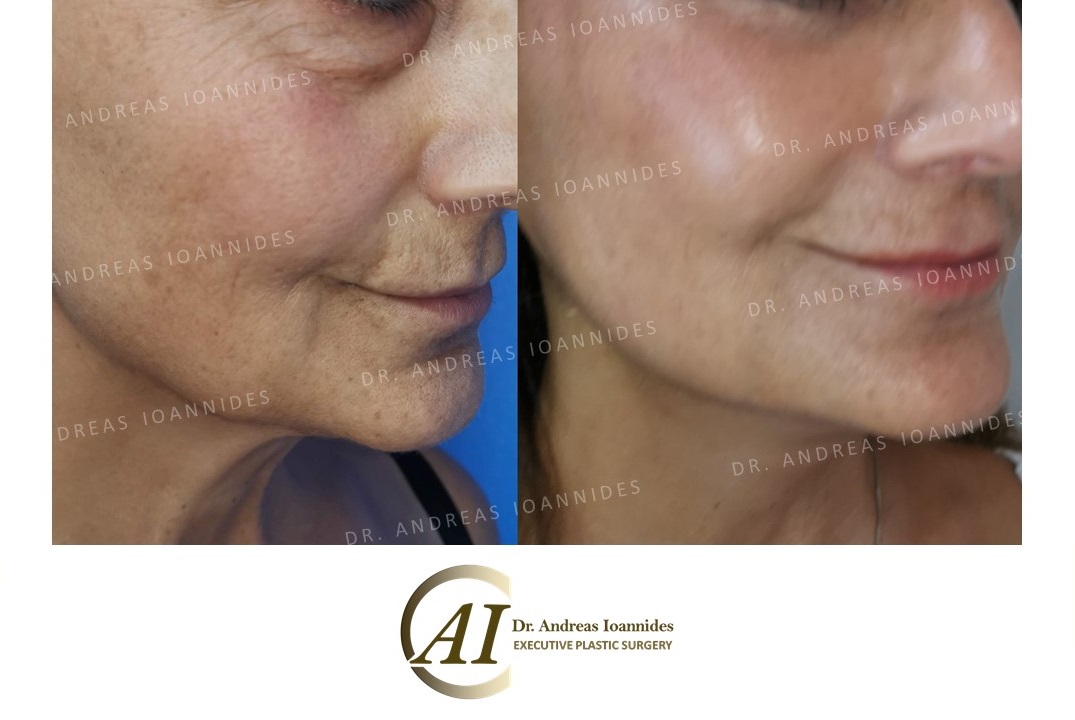
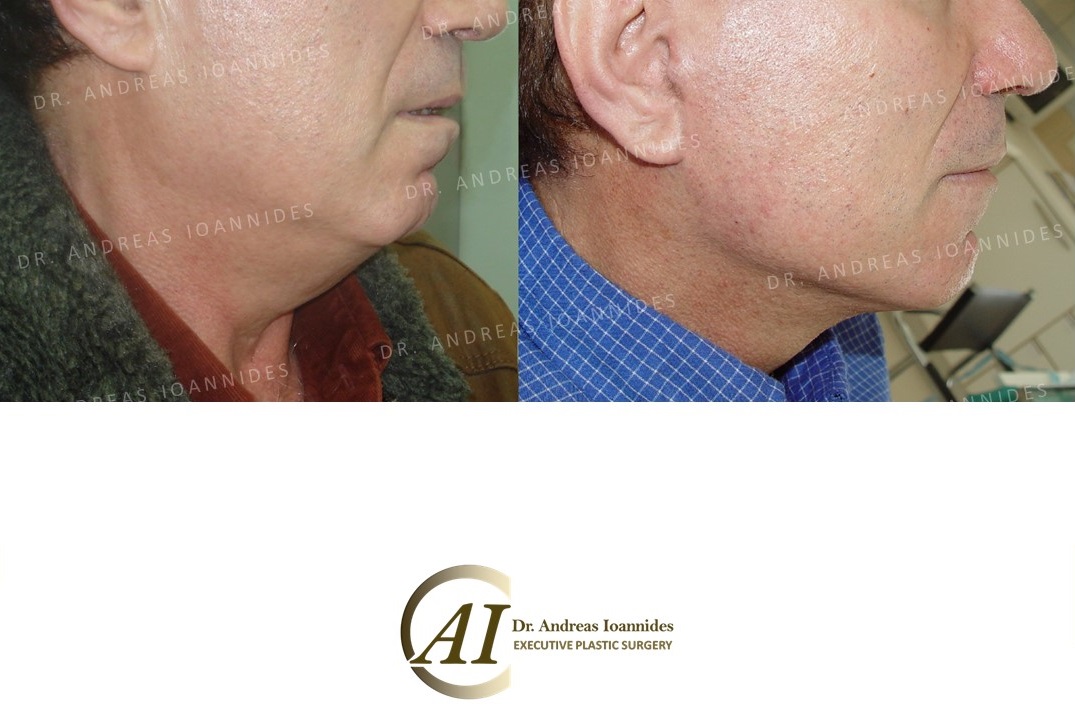
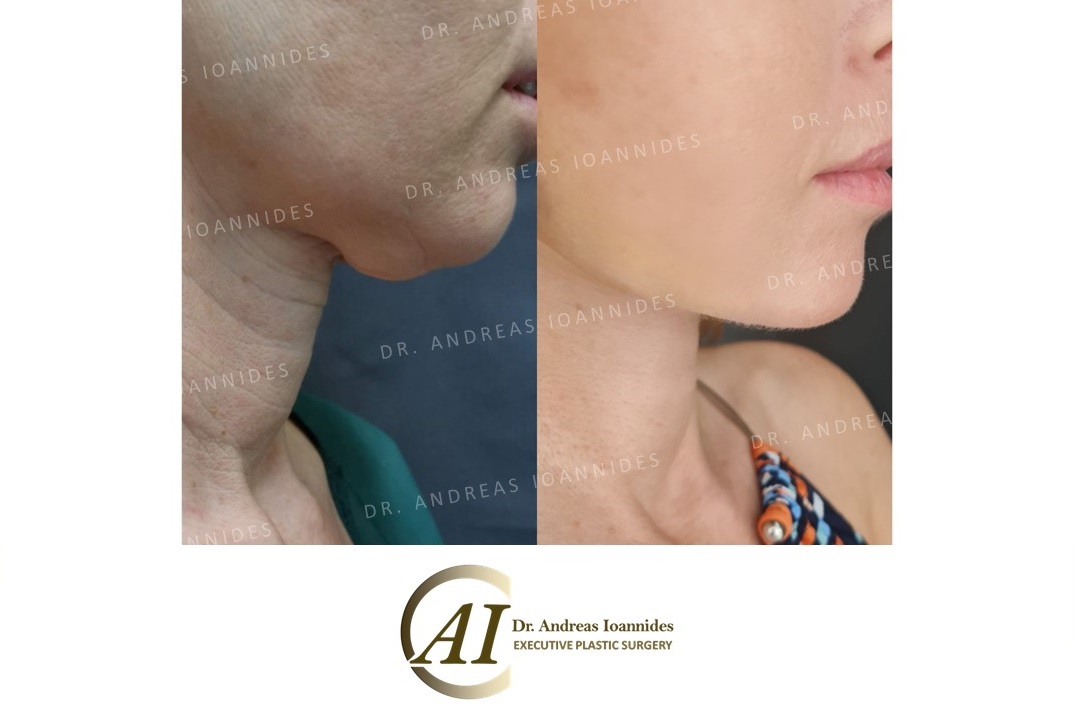
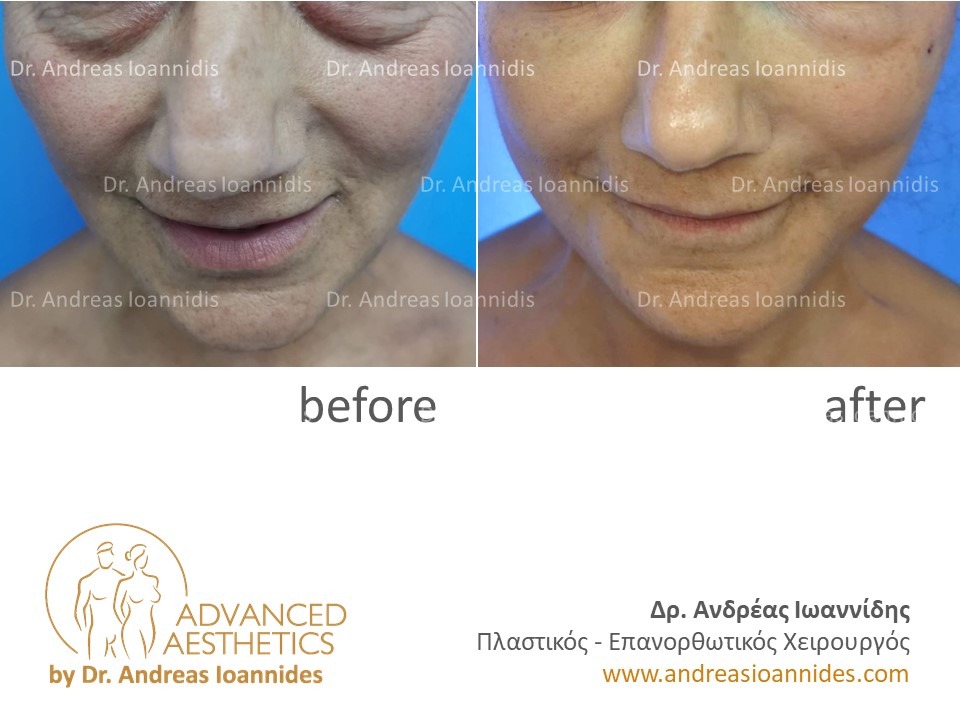
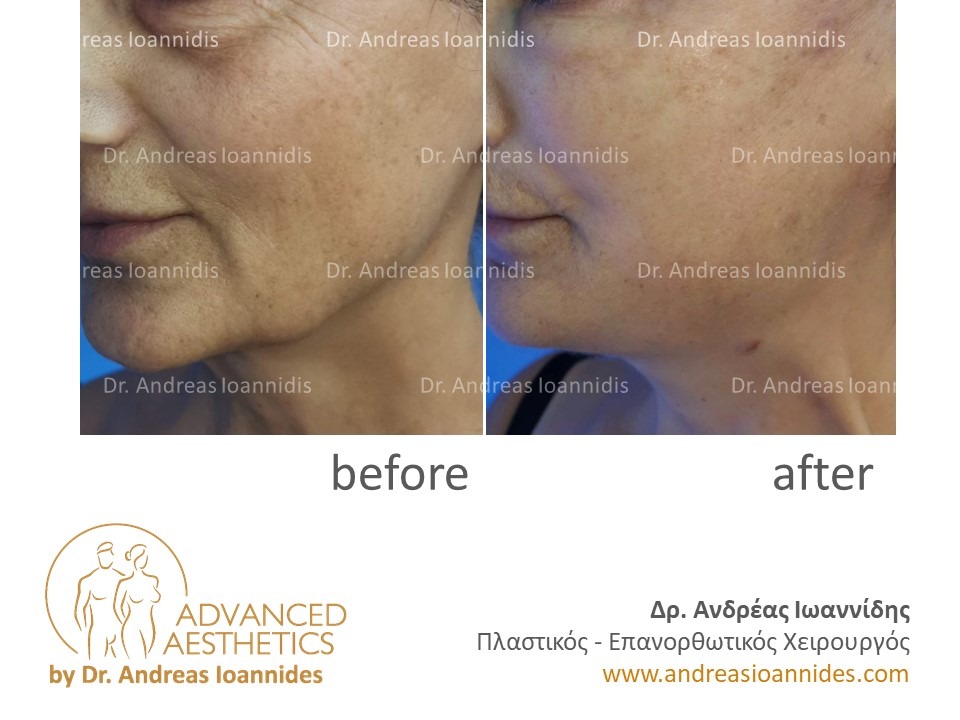
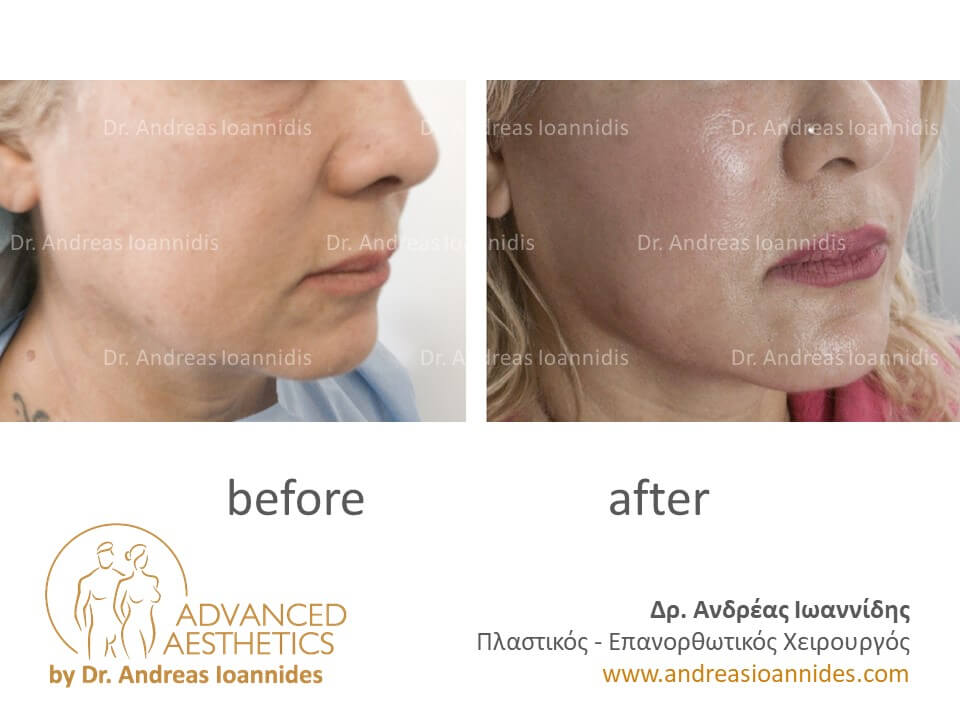
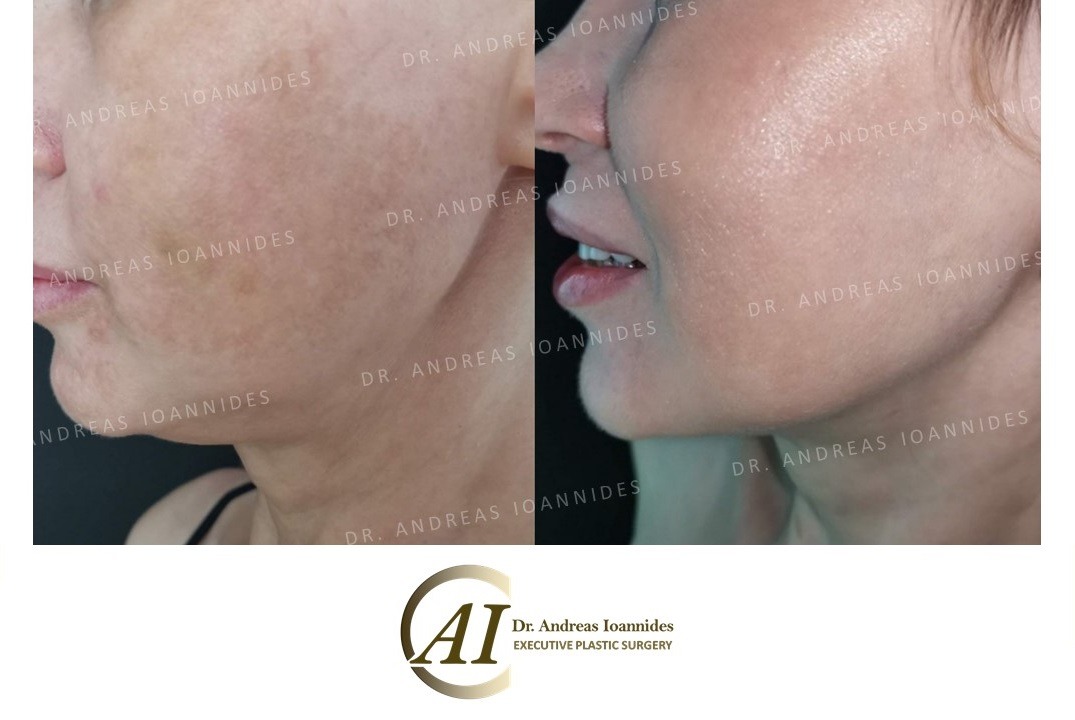
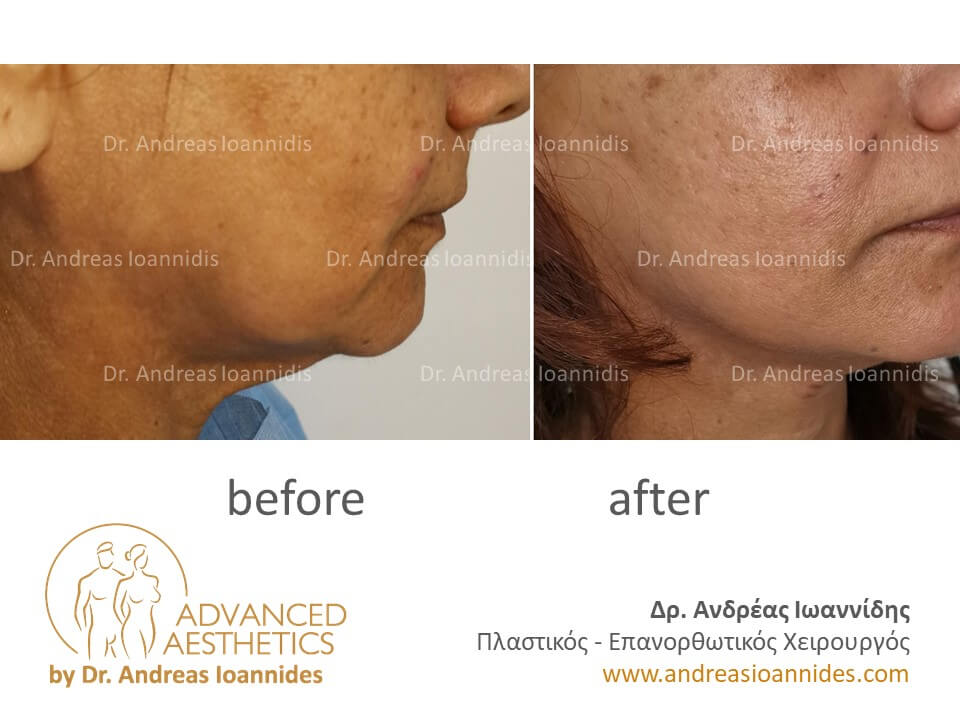
Two points deserve emphasis. First, the neck is often the most rewarding area of the operation, since restoring a clean cervicomental angle has a marked effect on perceived age. Second, a face lift performed on the skin alone tends to relapse, because the underlying tissues that caused the descent were never addressed.
Surgical and non-surgical paths
Not every patient requires surgery. Milder concerns, early skin laxity or modest volume loss, may respond to non-surgical treatments such as energy-based skin tightening, fillers or biostimulators, with little to no downtime. These options soften the signs of ageing but cannot reposition descended tissue.
For established laxity, surgery remains the definitive route. The appropriate technique depends on your anatomy and objectives rather than on trend, and Dr Ioannides will outline the options during your consultation.
The Comfort of Local Anaesthesia and Sedation
In our practice, many of our procedures are performed under local anaesthesia or a combination of local anaesthesia and deep sedation (twilight anaesthesia), aiming to minimise the impact on your body. This approach ensures a completely painless and calm experience during surgery, while eliminating the heavy sensation and nausea often associated with general anaesthesia. As a result, recovery begins immediately, allowing you to return home safely on the very same day, with the final choice of method always tailored individually during your consultation visit.
Who makes a good candidate?
A facelift suits adults in good general health who show genuine tissue descent, rather than fine surface lines alone. Beyond that, a few honest checkpoints help clarify readiness.
1. Specific goals: A defined concern, such as a loose neck or heavy jowls, is easier to plan for than a wish for a generally "younger" face.
2. Realistic expectations: Skin elasticity, bone structure and healing capacity all set boundaries that good surgery respects.
3. Stable health and habits: Non-smokers heal more reliably, so smoking is best paused well before and after the procedure.
4. Considered timing: This is elective surgery. There is no urgency, and deferring is entirely reasonable if you feel uncertain.
Where a patient is not yet a suitable candidate, Dr Ioannides will say so directly. That candour protects both the patient and the result.
What the process looks like, step by step
Patients tend to feel more at ease once the sequence is clear. The pathway typically runs as follows.
1. Consultation and assessment: Your concerns are discussed in detail, and the facial structure is examined in repose and in animation. Skin quality, volume and the position of the deeper tissues are all evaluated.
2. Planning: Dr Ioannides develops a strategy that balances your goals with what your anatomy allows. Complementary steps, such as eyelid surgery or fat grafting, are integrated into one plan where indicated.
3. The day of surgery: The operation is performed under general anaesthesia, or local anaesthesia with sedation for smaller corrections. Incisions are placed within the hairline and around the ear, where they remain discreet.
4. Early recovery: Dressings support the tissues initially, and sutures are usually removed within the first ten days. Bruising and swelling peak early, then subside.
5. The longer view: The result continues to refine over several months as residual swelling resolves and incisions mature. Final settling may take up to a year.
Recovery at a glance
Healing follows an individual rhythm, so these figures are a guide rather than a guarantee. Some patients recover more quickly, while others need a little longer.
A note on pricing
Patients understandably ask about facelift costs early on, and the honest answer is that the figure reflects the case. A focused mini procedure, a full facelift with neck lift, and a combined facelift with eyelid surgery are distinct operations, with different operating times and planning. Rather than quote a number that may not apply, the practice provides a clear estimate after the consultation, once the scope is defined.
Where you are seen
Dr Ioannides sees and treats patients at the Athens practice, supported by his team that manages your care from the first enquiry through to your final review. The setting combines modern facilities with a calm, private environment, and many patients from further afield arrange their consultation, surgery and early recovery within a single planned visit.
What patients say
Feedback from those who have trusted us consistently centers on the same themes: a calm, reassuring experience, a result that preserves their individual identity, and a team that responds promptly to messages throughout recovery. Word of mouth, particularly in Athens, brings a steady stream of friends and relatives of former patients through our doors. Equally important is the significant number of patients referred to us by other doctors and colleagues who trust our clinical expertise, a distinction that, alongside our patients' appreciation, stands as the truest endorsement of our work.
Frequently Asked Questions
Will a facelift look obvious or unnatural?
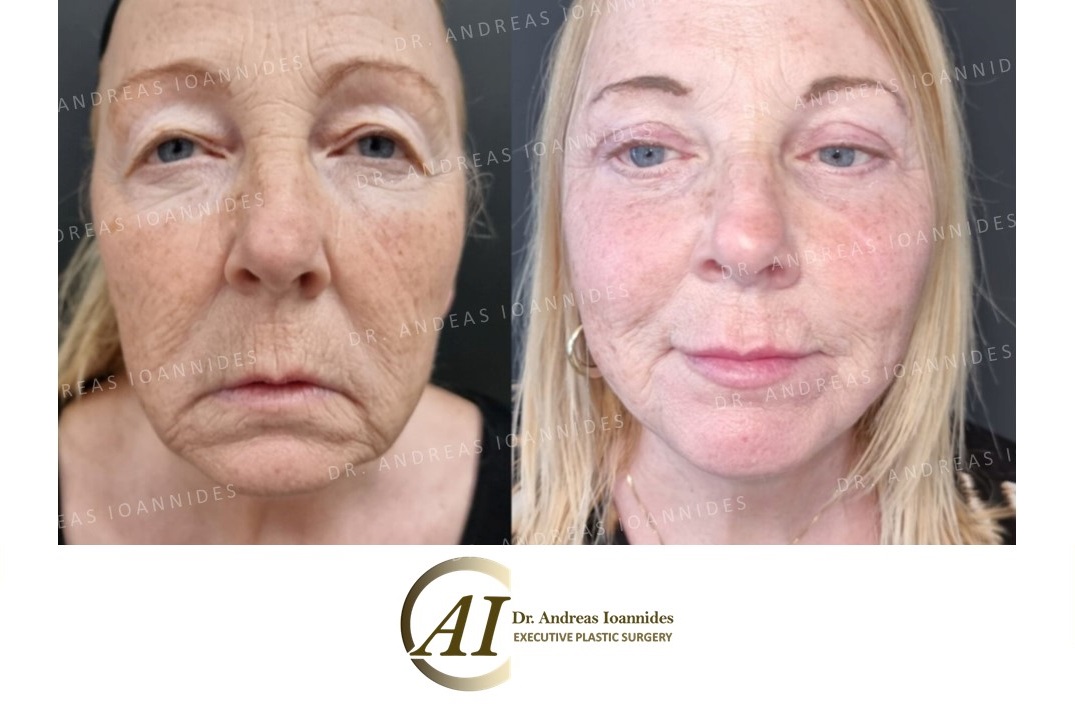
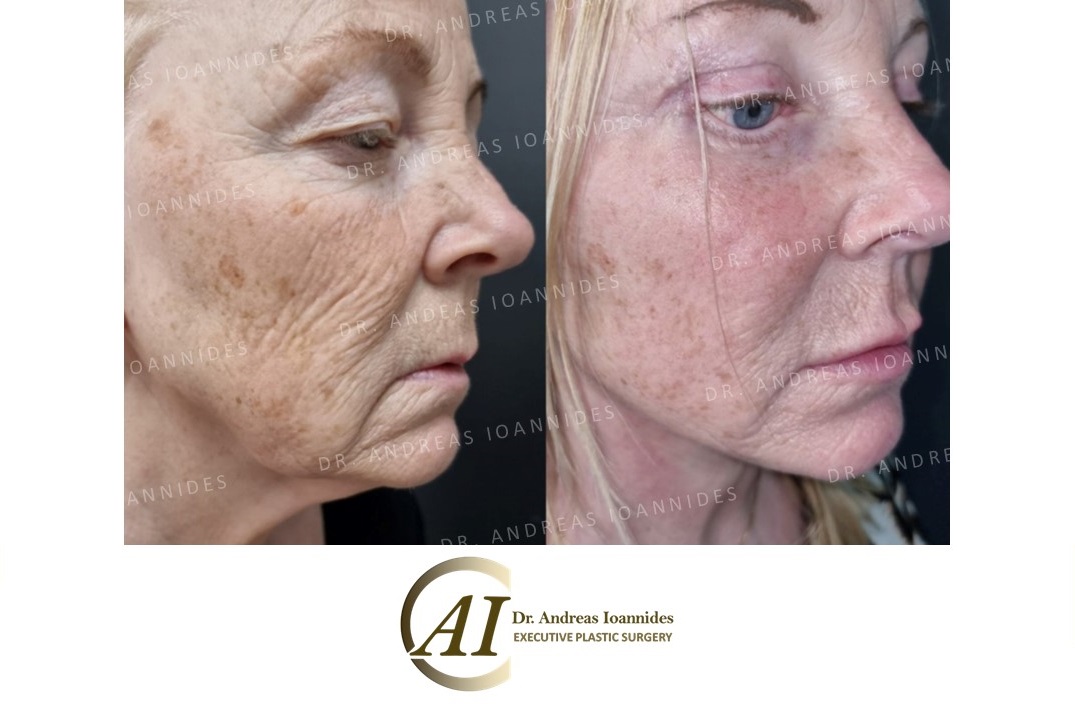
Not when the technique is sound. The pulled appearance usually results from over-tightening skin rather than supporting the deeper layers. By repositioning the SMAS, Dr Ioannides directs the tension to the structural level, so the surface is not stretched. The face then moves naturally and retains its expression. The aim is never an altered face, only a rested, more youthful version of your own. Choosing a surgeon who anchors the tissue, not merely the skin, is what distinguishes a natural outcome.
How long is the recovery before returning to work?
Most patients feel comfortable in social and professional settings around two to three weeks after surgery, once swelling and bruising have settled. Sutures are generally removed within the first ten days. Deeper healing continues beyond that point, with incisions softening and the final contour emerging over several months. Because each patient heals differently, some return sooner and others need a little more time. Reserving a quiet fortnight immediately after the operation is a sensible plan.
Local or general anaesthesia, and is it safe?
The choice depends on the extent of the operation and on your individual profile. Smaller, targeted corrections can be carried out under local anaesthesia with sedation, while a full facelift is usually performed under general anaesthesia. In healthy patients, neither approach carries undue risk when managed by an experienced team. During the planning consultation, Dr Ioannides explains which option suits your case, taking your medical history and preferences into account before any decision is confirmed.
What are the risks, and how are they minimised?
As with any operation, complications are possible. The better recognised ones include haematoma, infection and temporary nerve irritation, the effects of which are usually transient. Their incidence is low. Two factors limit them most effectively: the surgeon's technical training and the patient's realistic expectations and adherence to aftercare. This is precisely why careful candidate selection, meticulous technique and an honest preoperative discussion matter so much to the safety and quality of the result.
How long does a facelift last?
A properly performed facelift with SMAS suspension produces durable results, often holding for a decade or more. It does not stop the ageing process, so the face continues to change gradually with time, but it does so from a more youthful starting point. Skin quality, lifestyle, sun exposure and genetics all influence longevity. Maintaining results with good skincare, sun protection and occasional non-surgical treatments can extend the benefit considerably over the years that follow.
Ready to Talk About Facial Rejuvenation?
Book a private consultation with Dr Andreas Ioannides
Your face deserves a plan built specifically around it, not a generic template. Contact the team to arrange a private consultation in Athens, discuss your concerns, and receive an honest assessment of what is realistic for you. While you are here, take a moment to look through Dr Ioannides' wider range of facial procedures, so you can see the complete picture before deciding.
Other Areas Served:
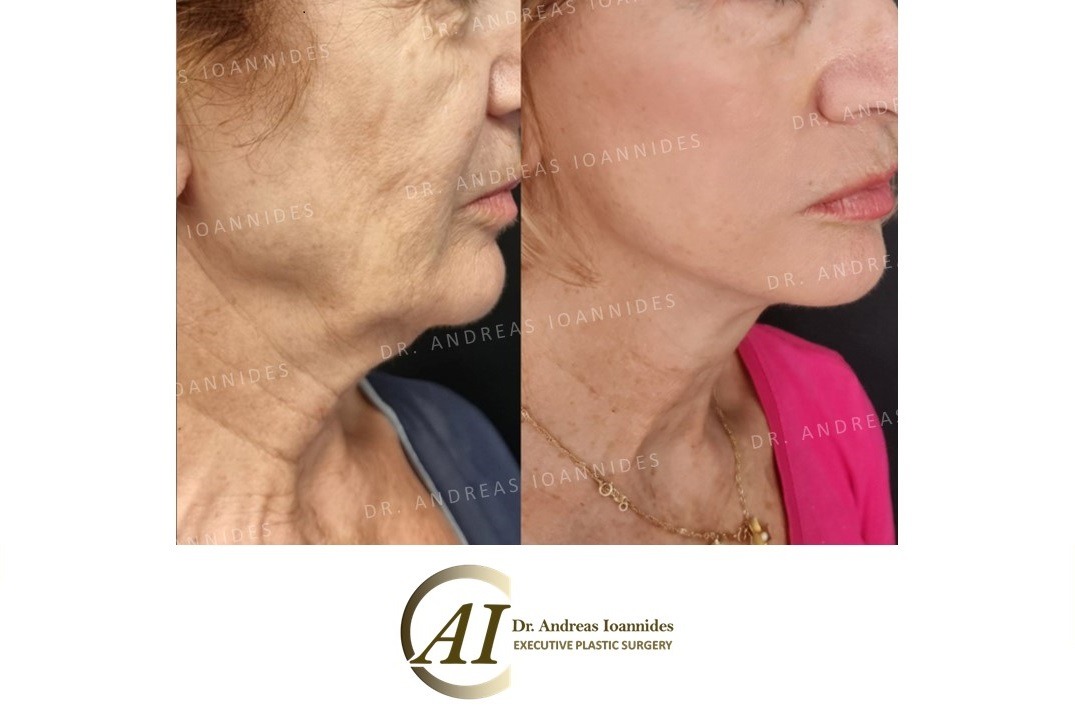
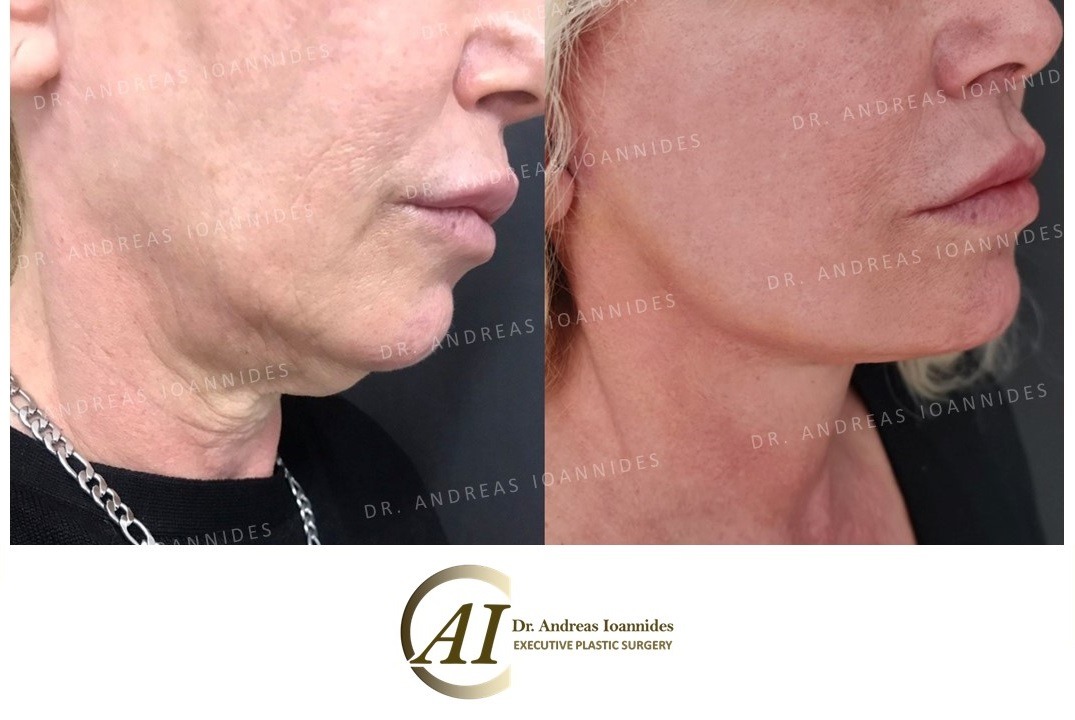
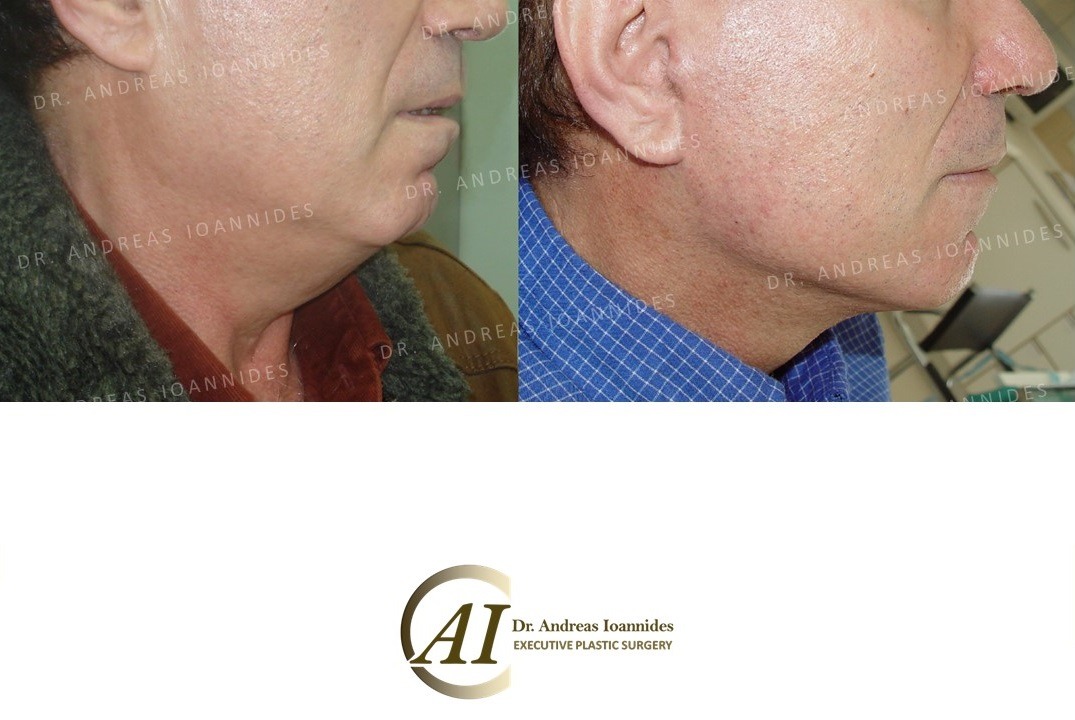
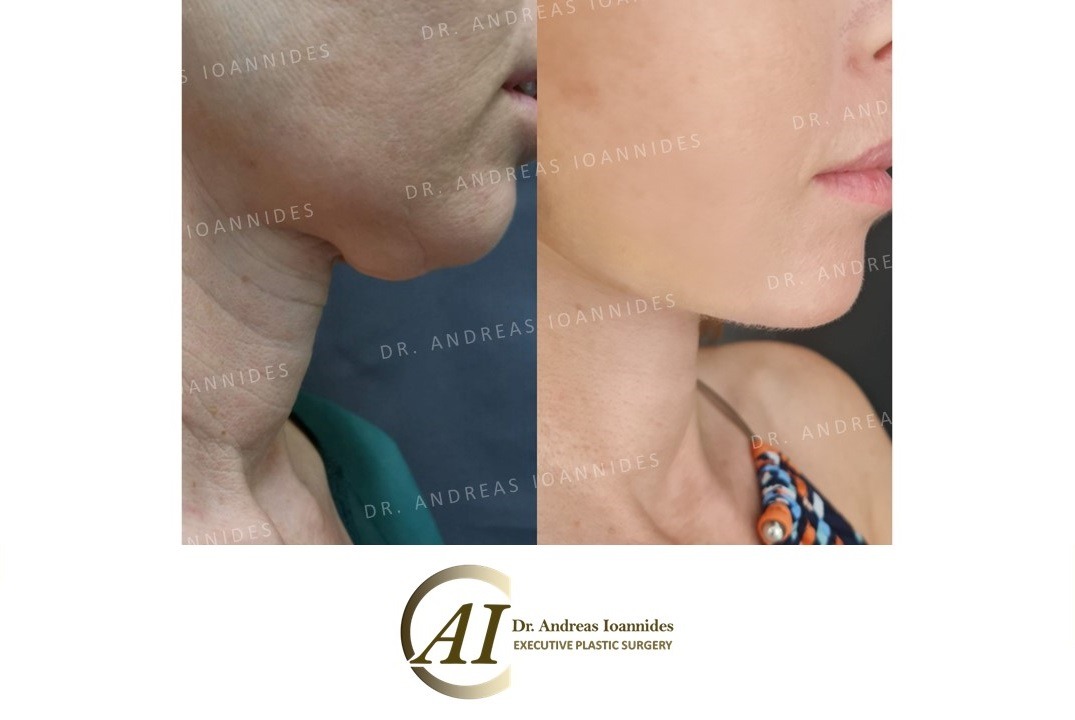
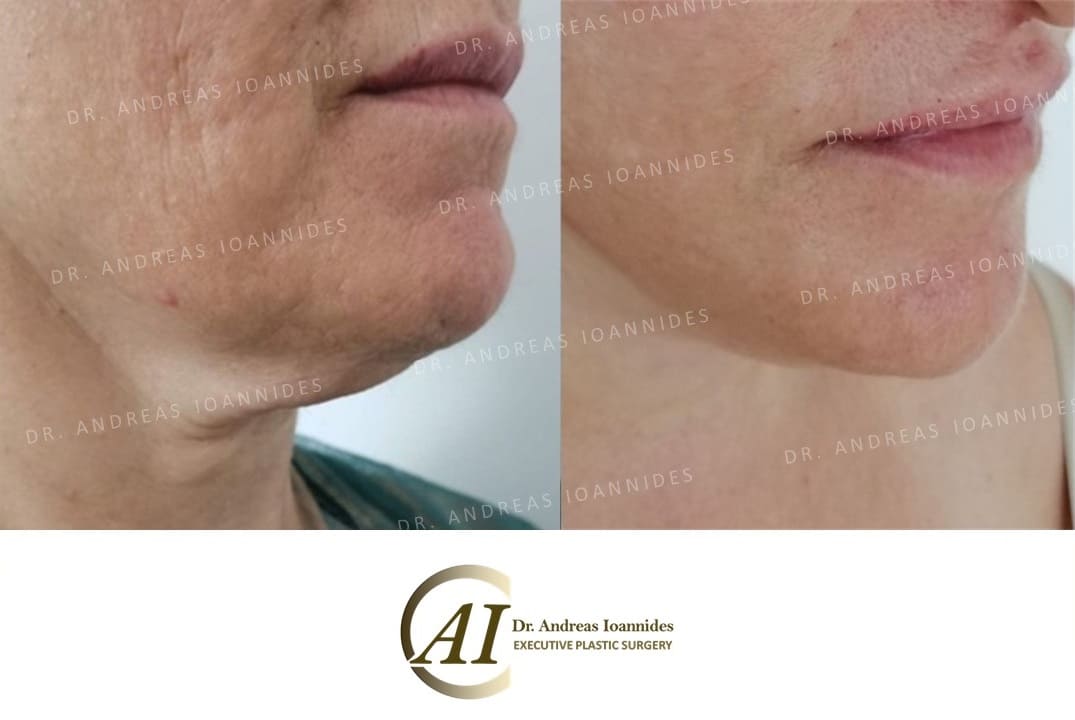
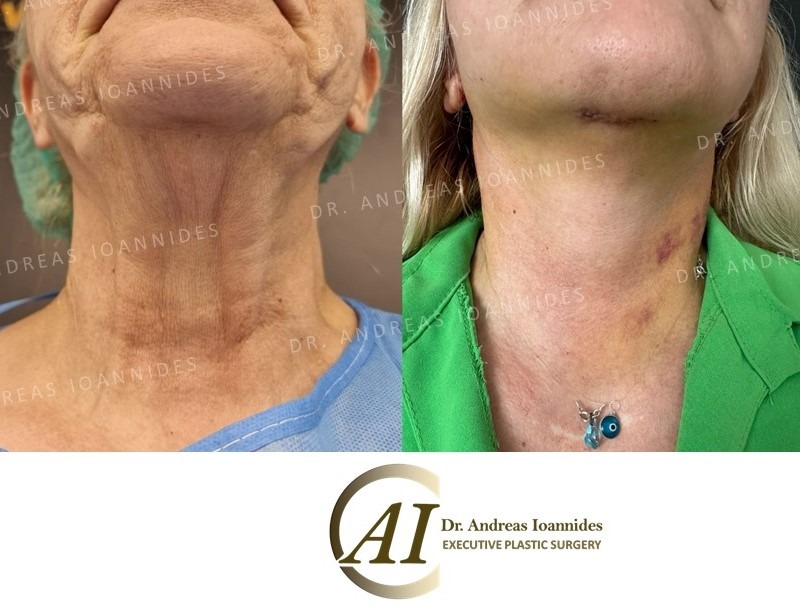
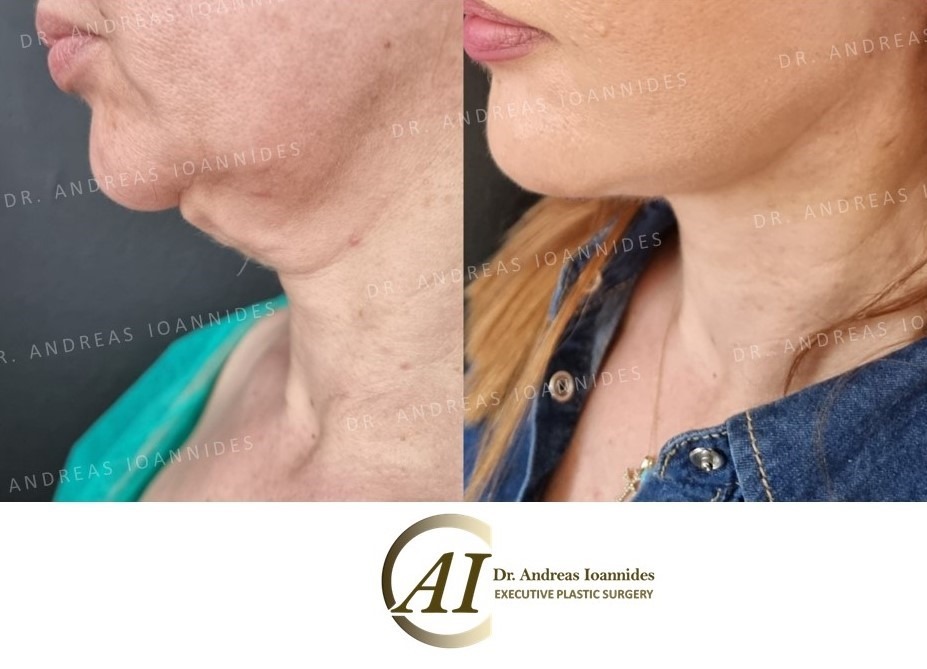
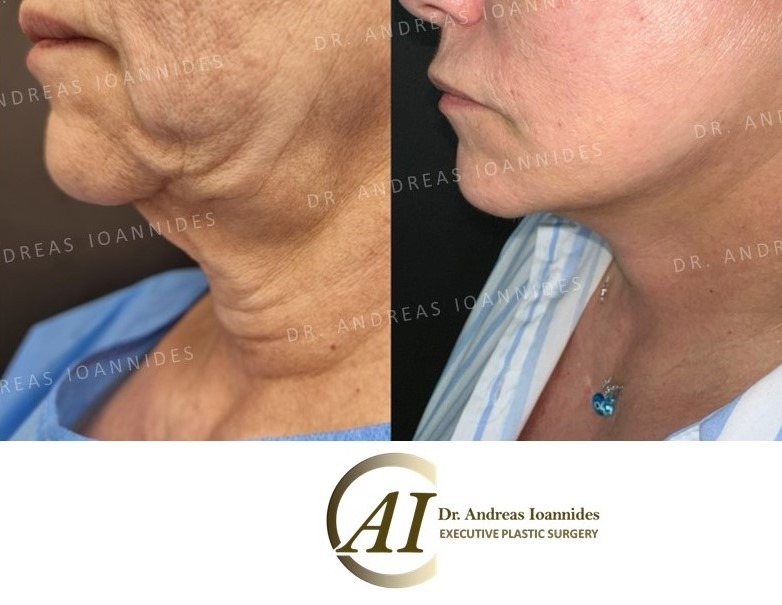


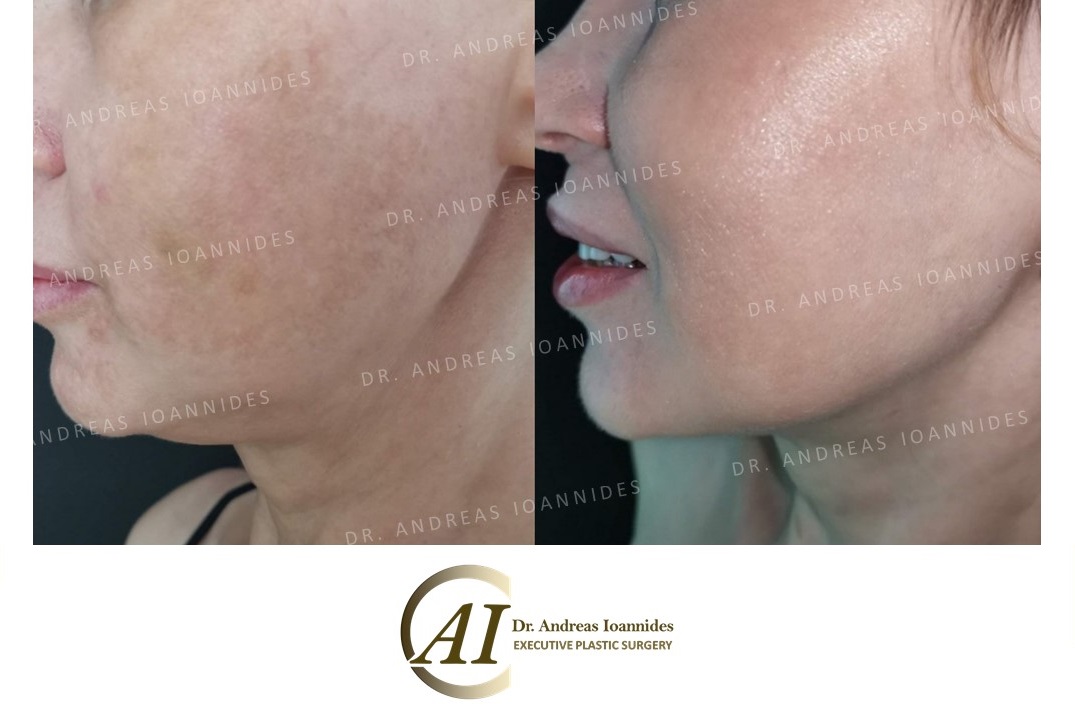
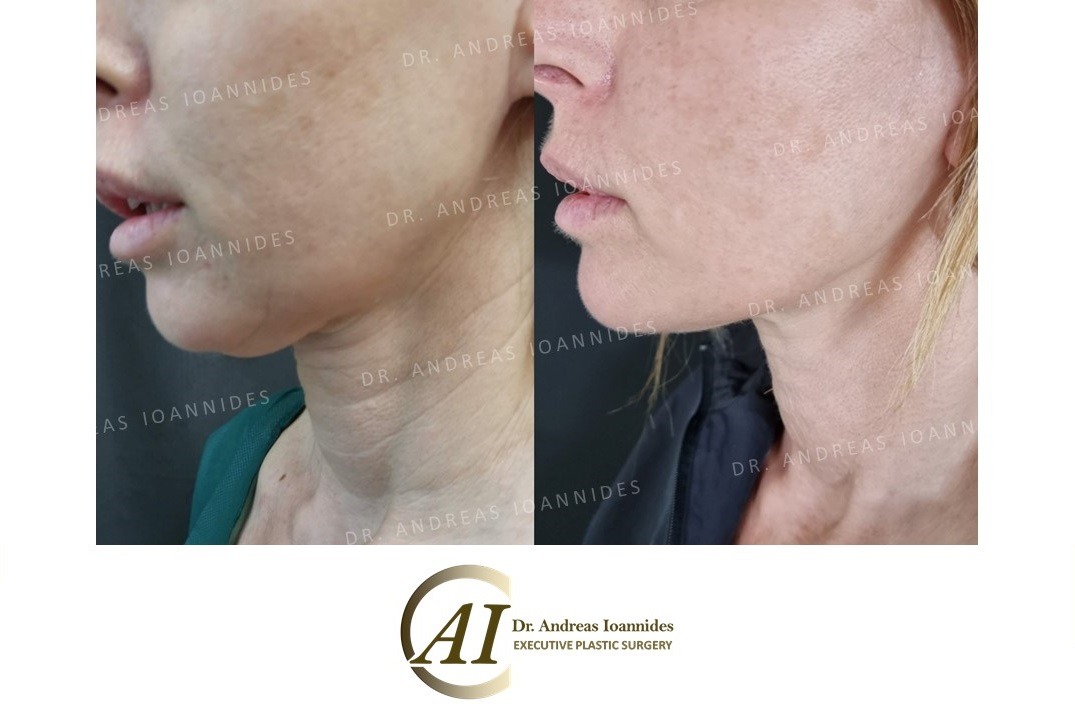
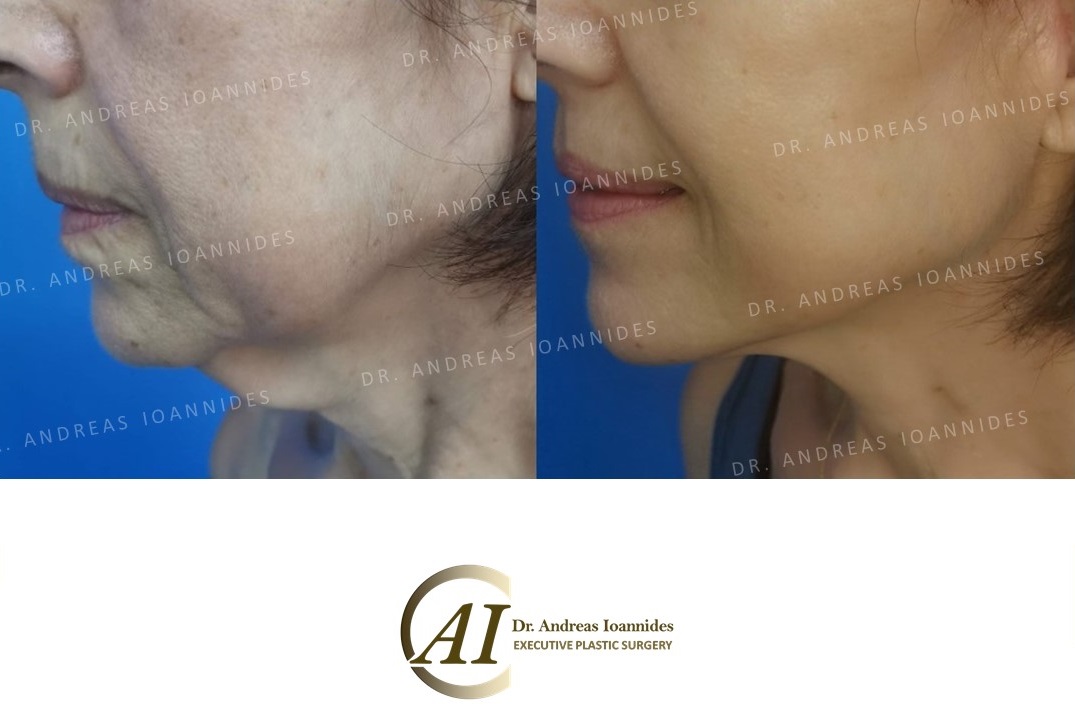
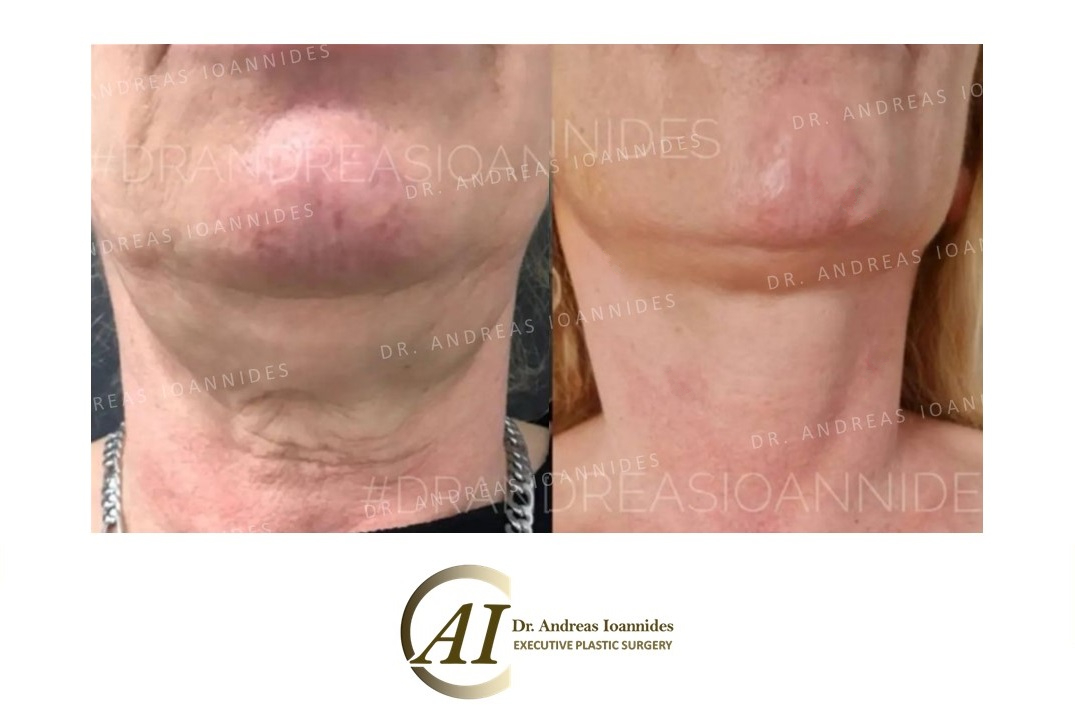
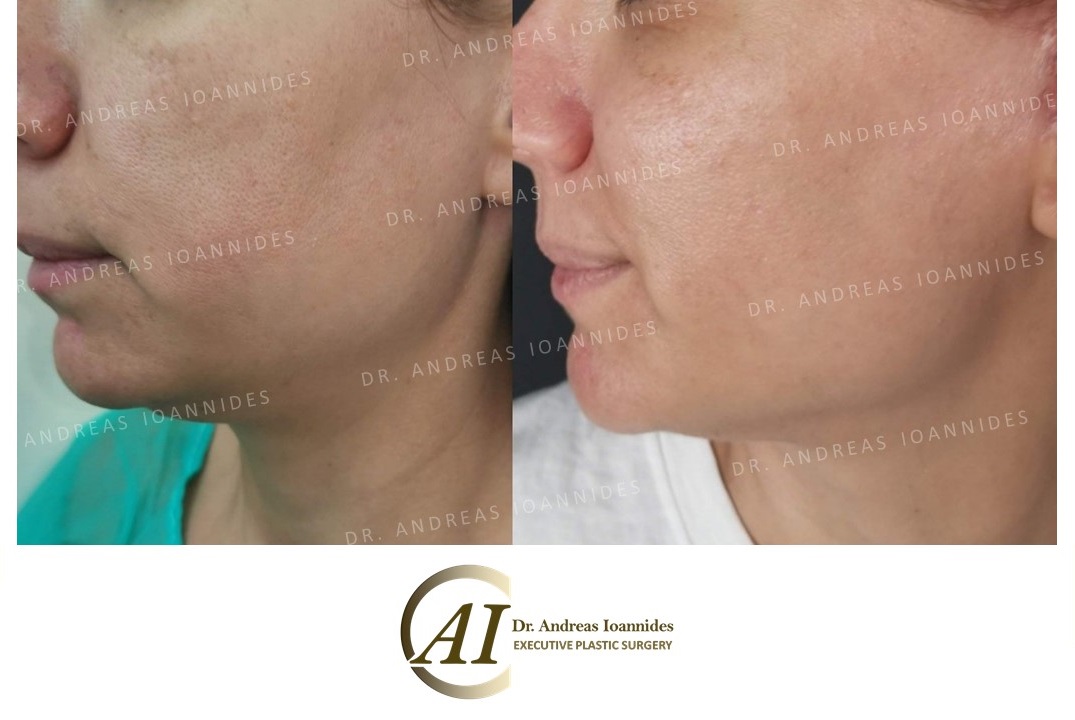
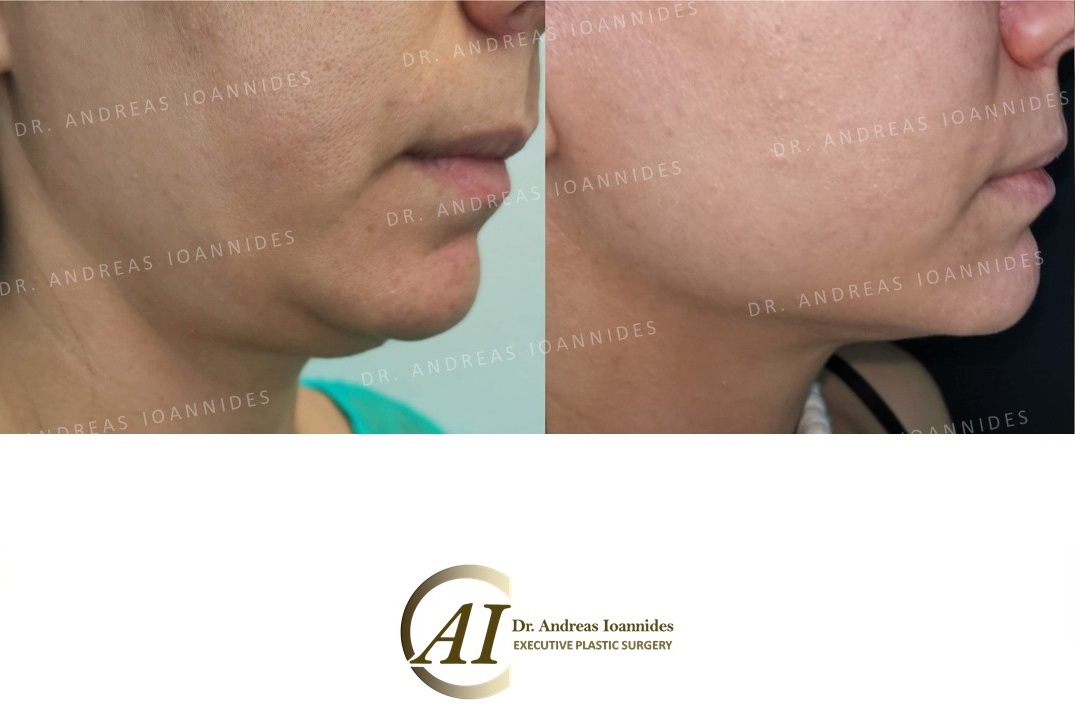
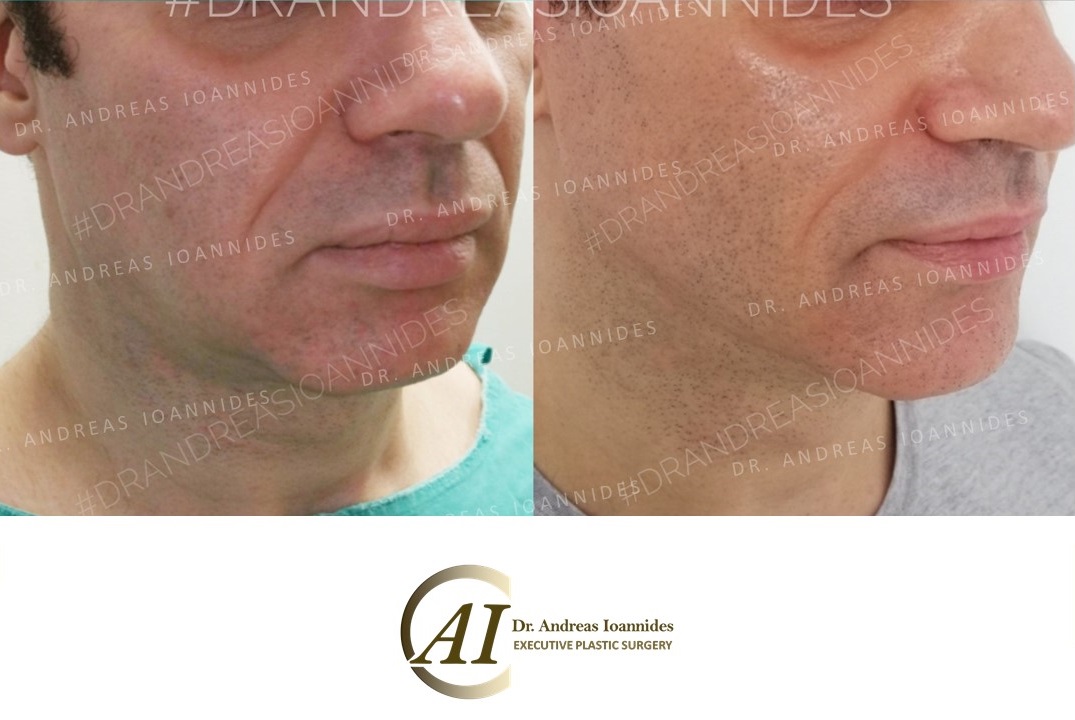
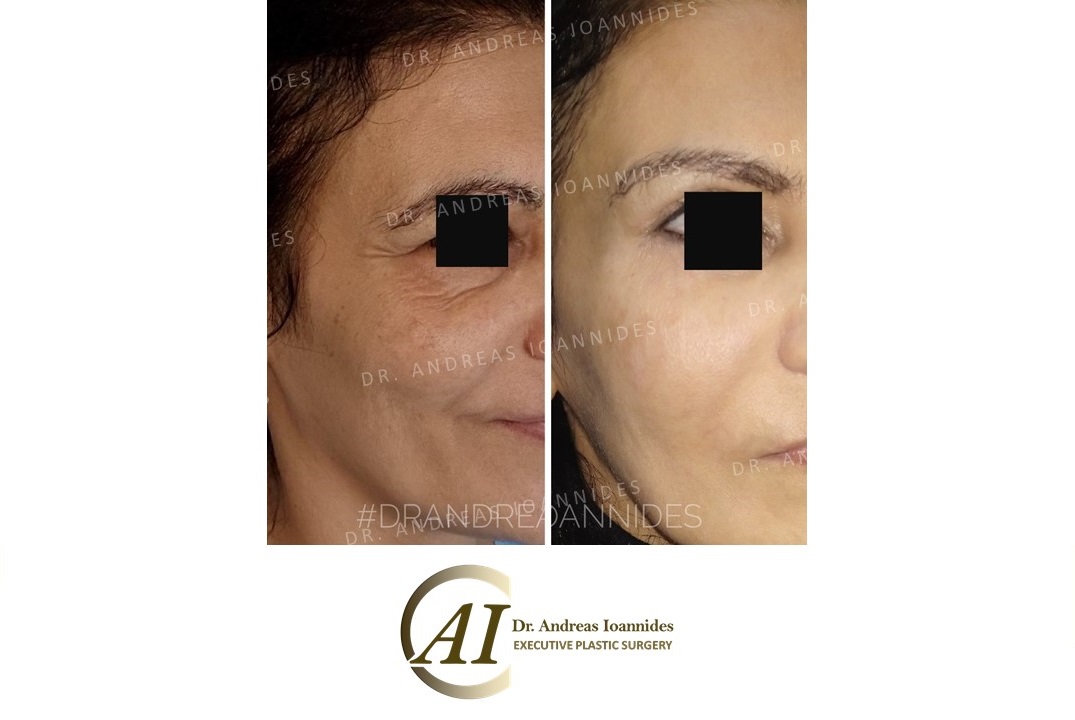
CONTACT
Dr. Andreas Ioannides
Contact us and book an appointment immediately
Choose your appointment by video call or by visiting one of our clinics!

Dr. Andreas Ioannides Executive Plastic Surgery is one of the most complete plastic surgery clinics and the international medical aesthetic medical centers ADVANCED AESTHETICS provide modern medical techniques and aesthetic medical treatments in Greece and Cyprus.
Dr. Andreas Ioannidis at the 16th Panhellenic Congress of Plastic, Reconstructive & Aesthetic Surgery
7 Common Myths About Plastic Surgery
Blepharoplasty: When Is It Indicated and What to Expect During Recovery
Rhinoplasty and Breathing: Can Aesthetics and Functionality Be Combined?
September and Plastic Surgery: Why Autumn Can Be a Good Time to Plan an Aesthetic Procedure
September and Aesthetic Treatments: Why It’s the Ideal Time for a Fresh Start
Thinking About Labiaplasty? 10 Things You Should Know Before Moving Forward
Athens Clinic
T +30.210 9595566
Email: info@andreasioannides.com
Address: Syggrou Ave, 284, Kallithea, Zip 17673 – Athens
Cyprus Clinics
T +357.22335002
Email: info@andreasioannides.com
Athenium International Medical Institute
Address: Giannitson 9 Strovolos, Nicosia 2027, Cyprus
Address: Thiseos 1, Lemesos 3025, Zip 4004 – Cyprus
Copyright © 2022