


Some people feel conscious of their ears from a young age. Others notice it later, often in photographs, when wearing shorter hair, or when the ear shape seems to draw more attention than the rest of the face. It may feel like a small thing to other people, but for the person living with it every day, it can become oddly difficult to ignore.
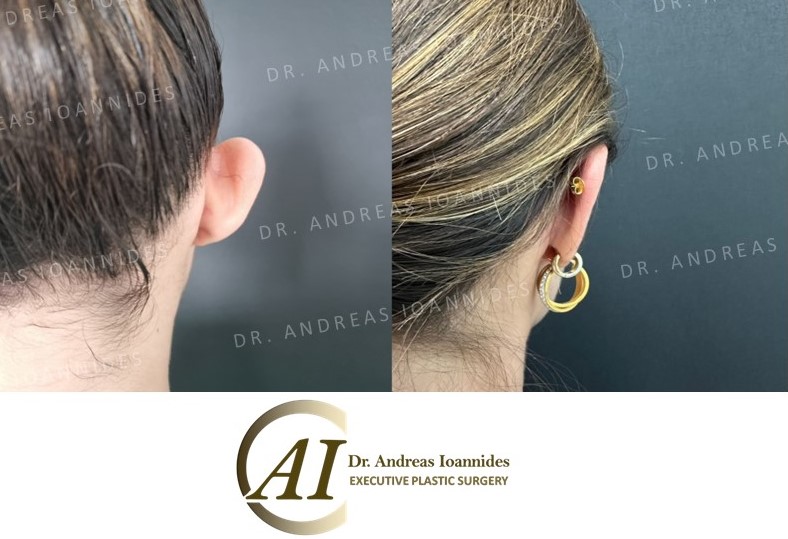
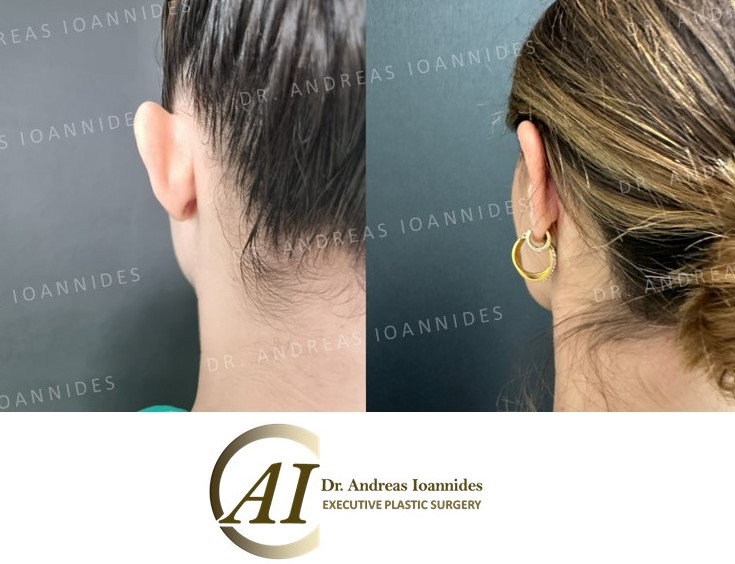
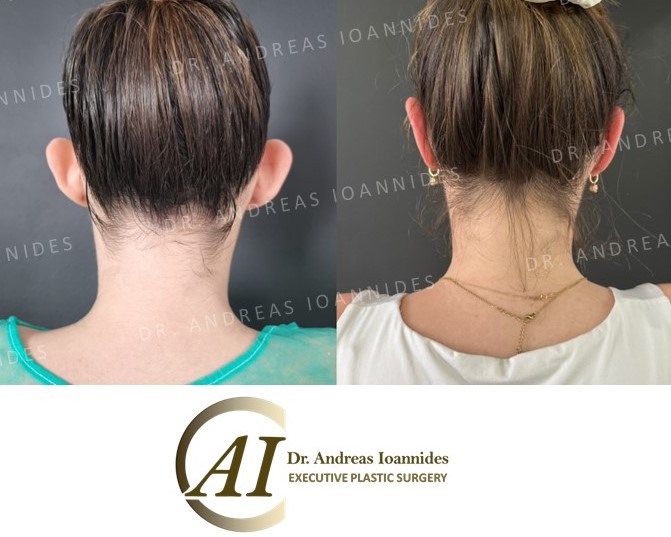
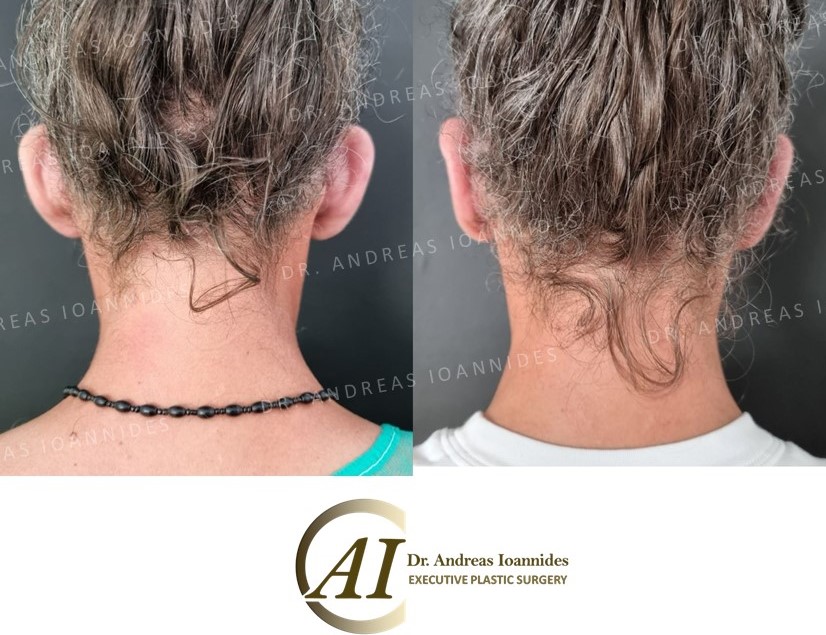
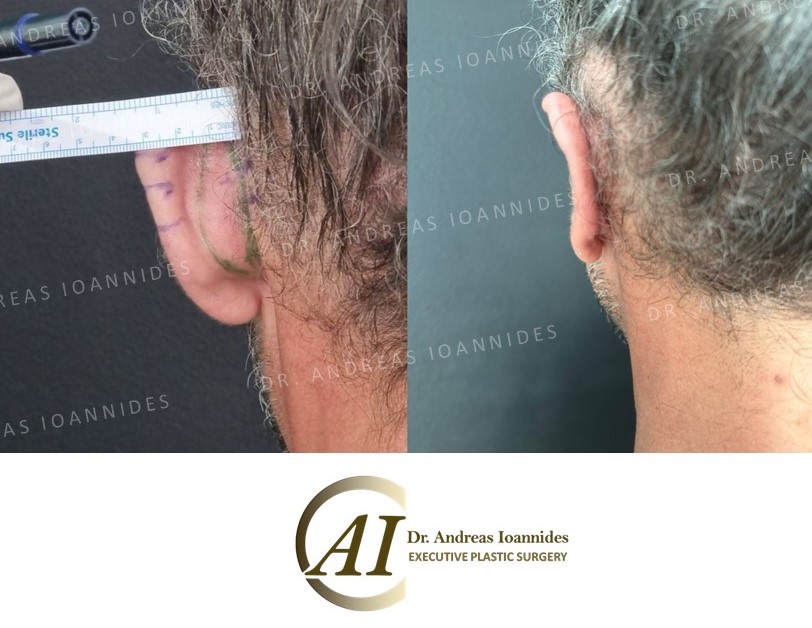
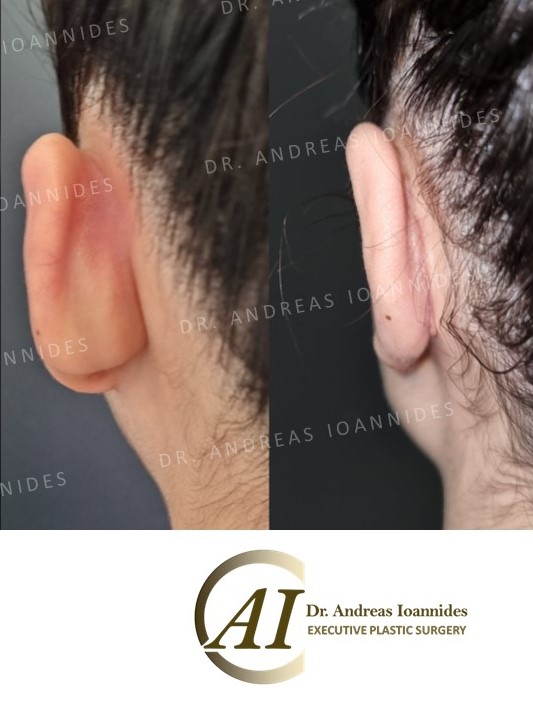
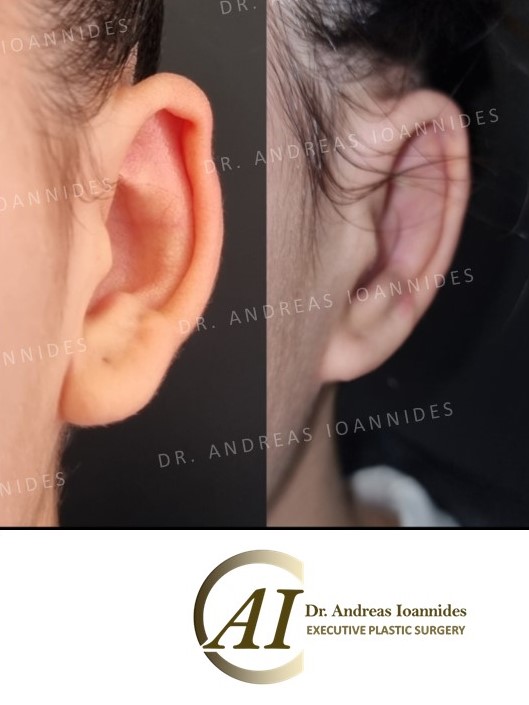
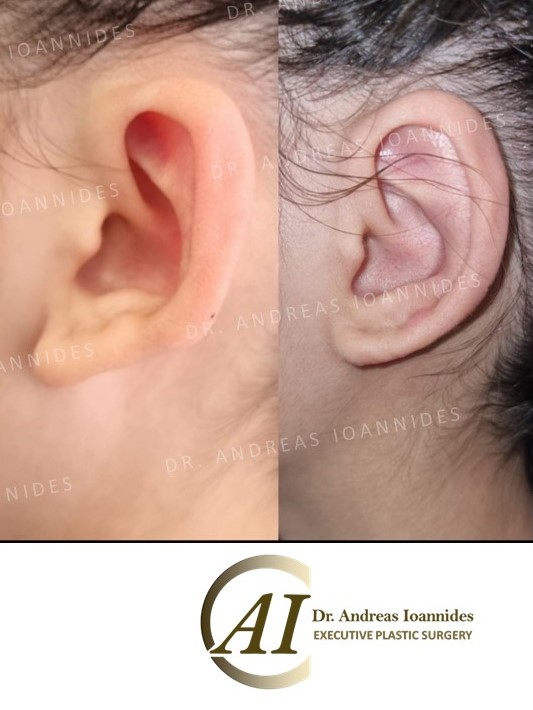
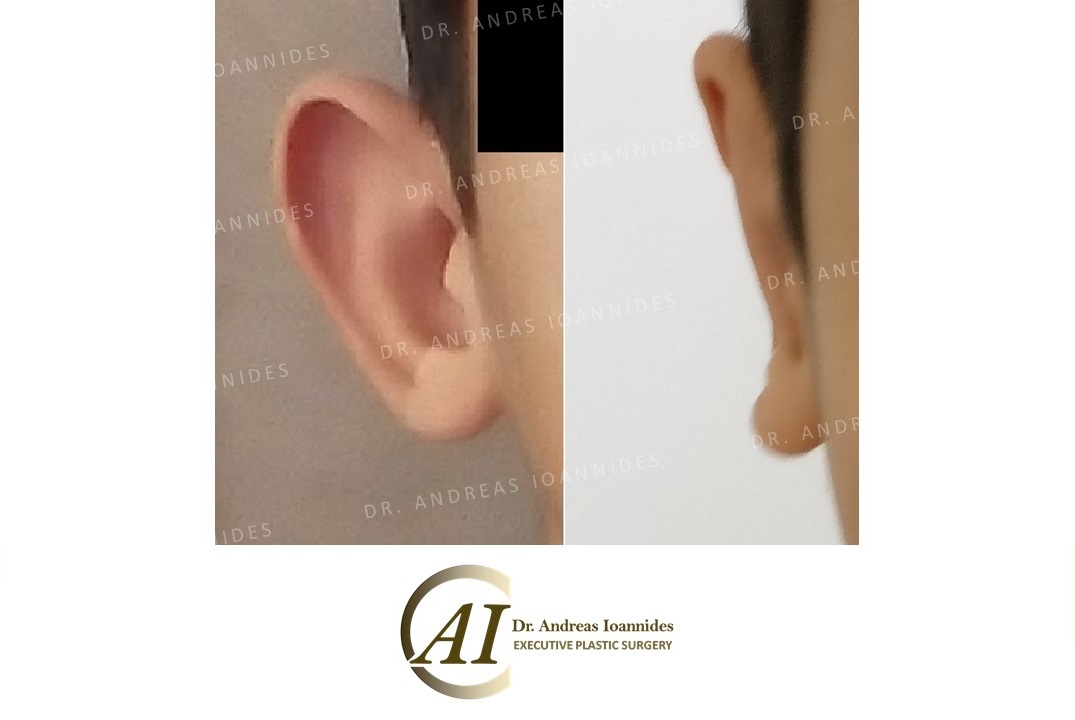
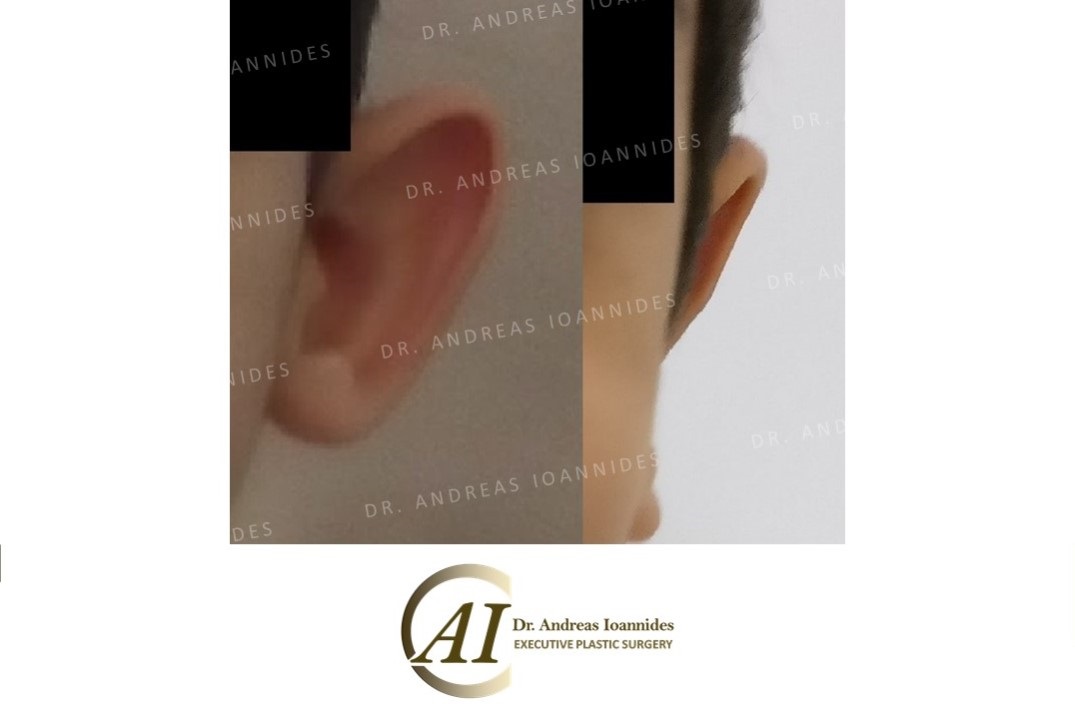
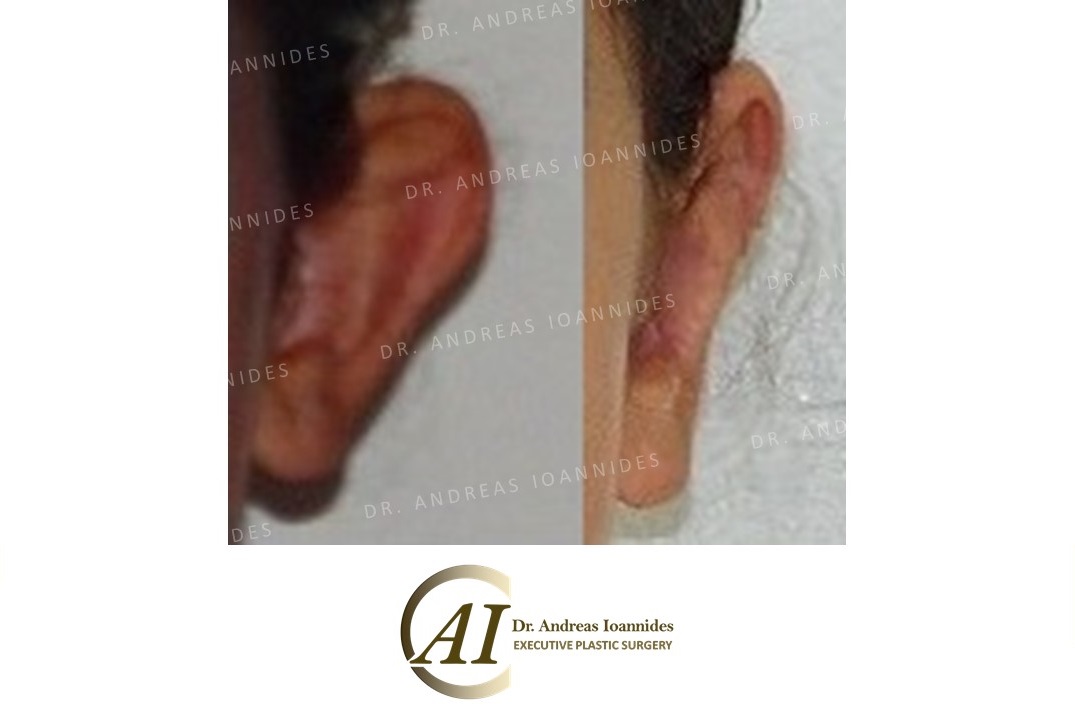
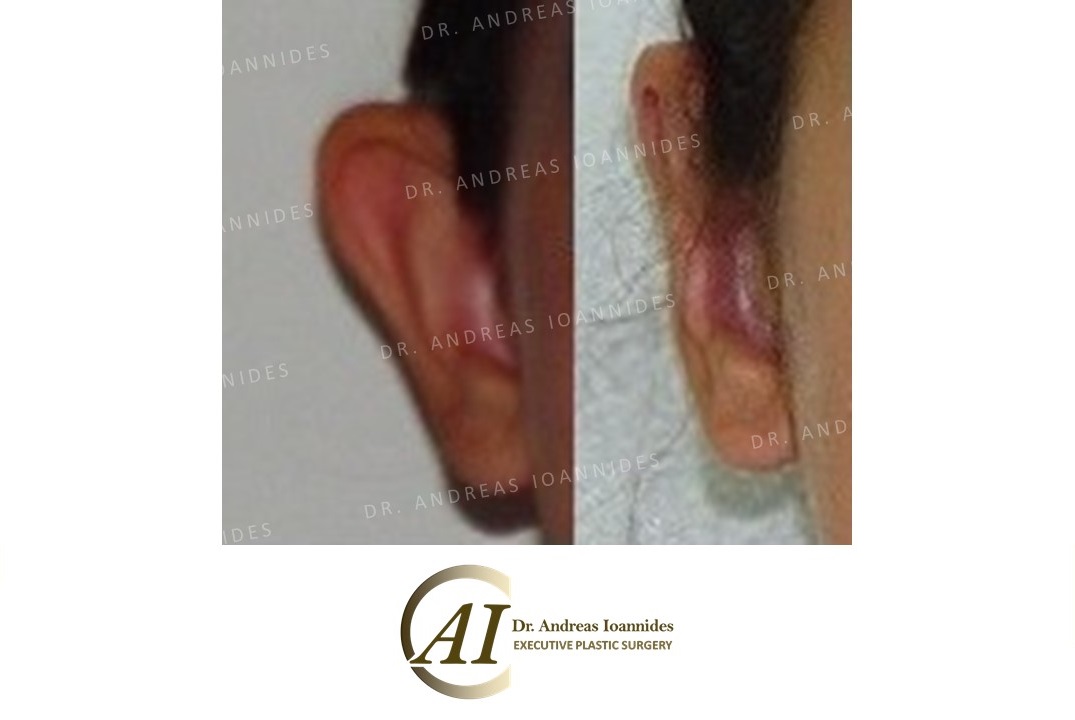
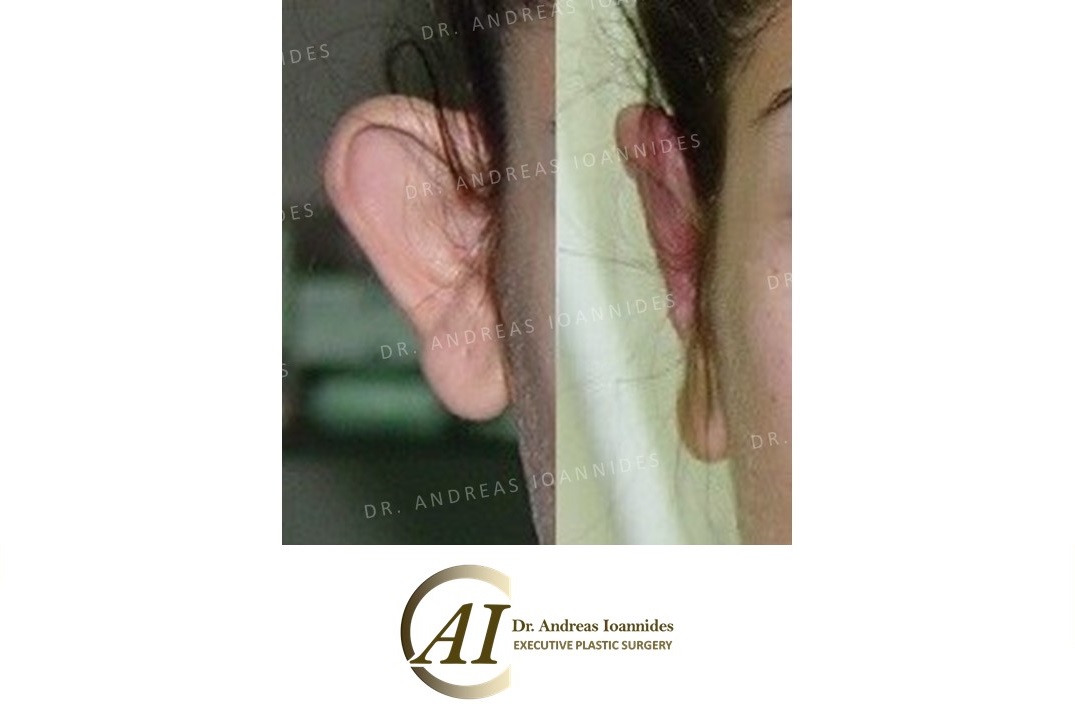
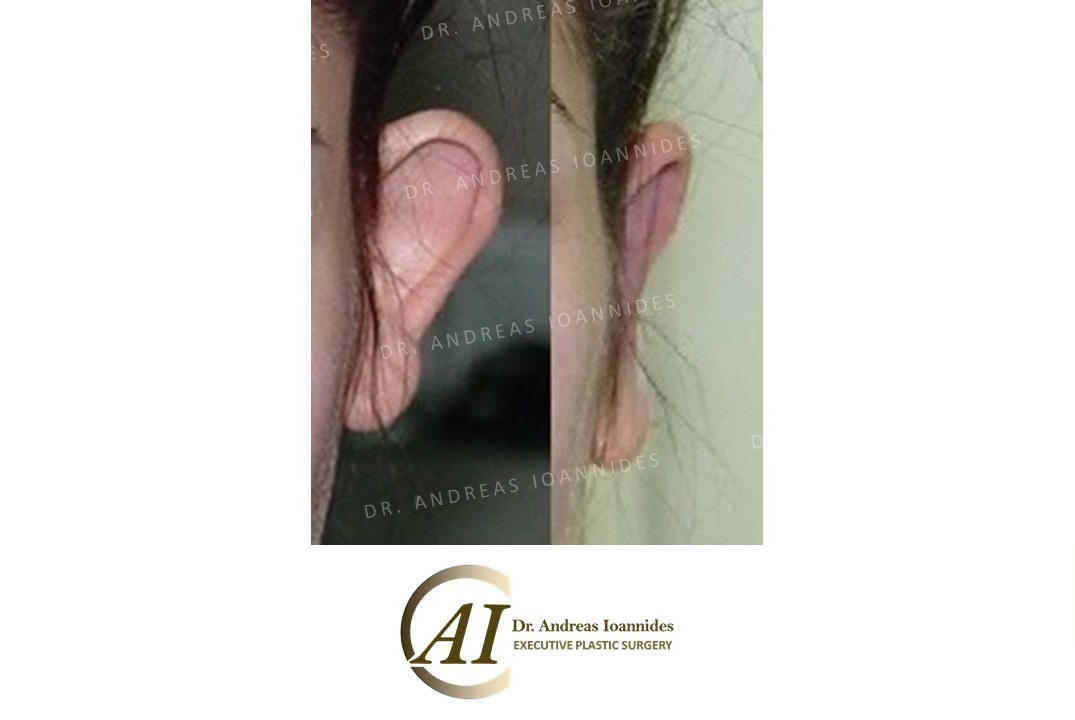
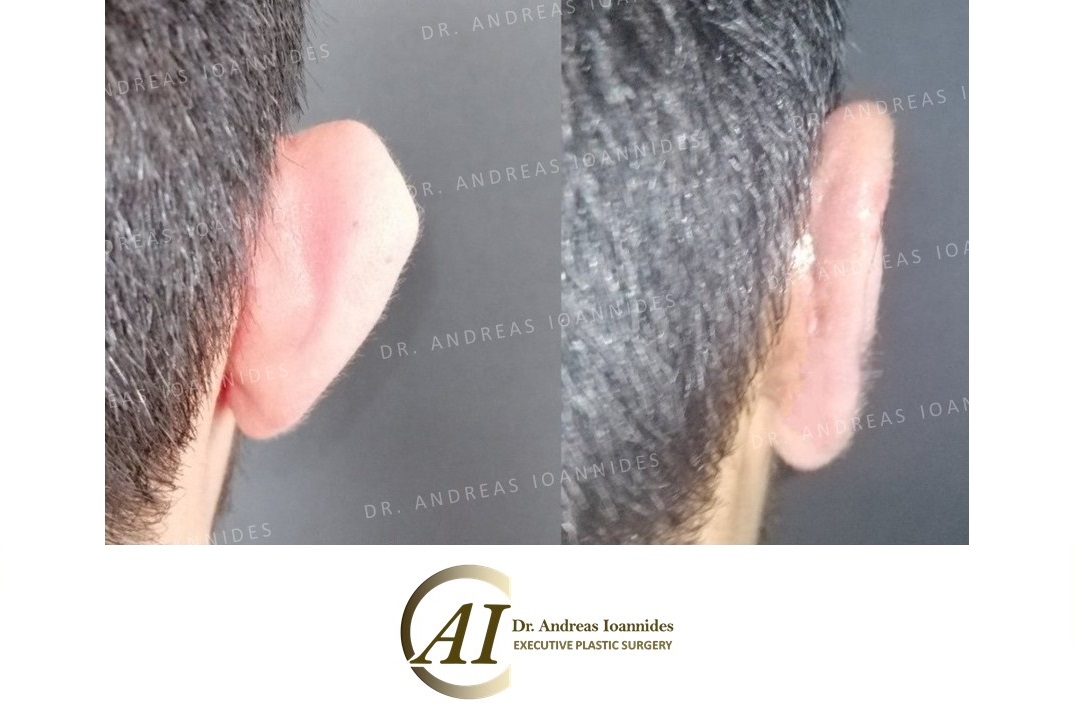
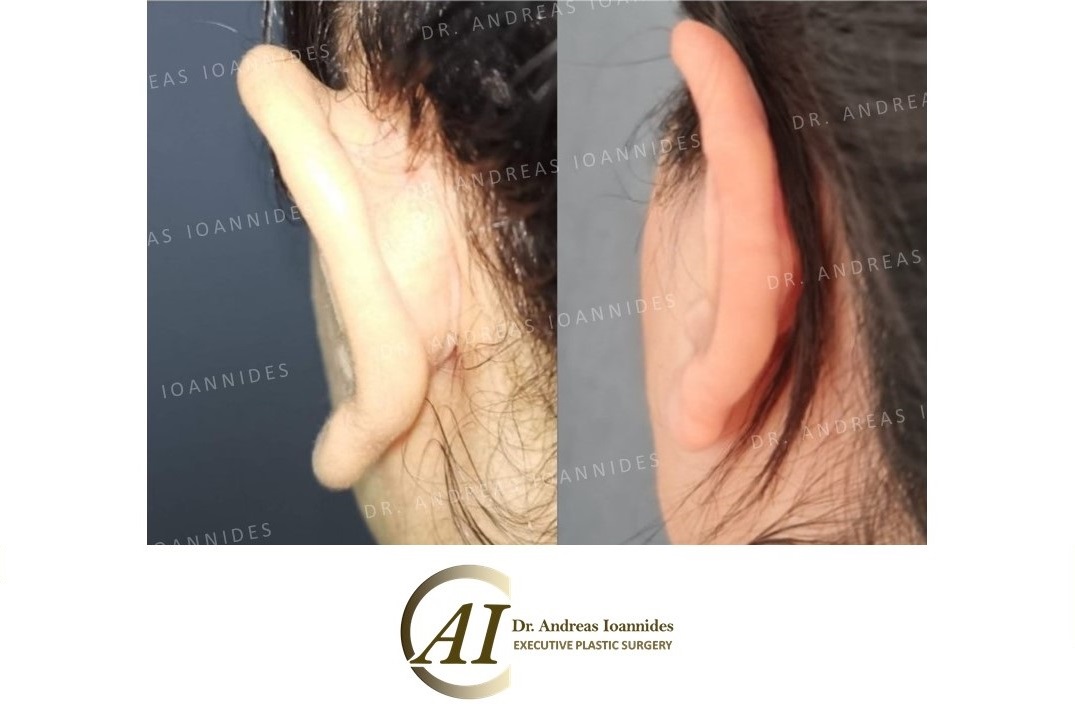
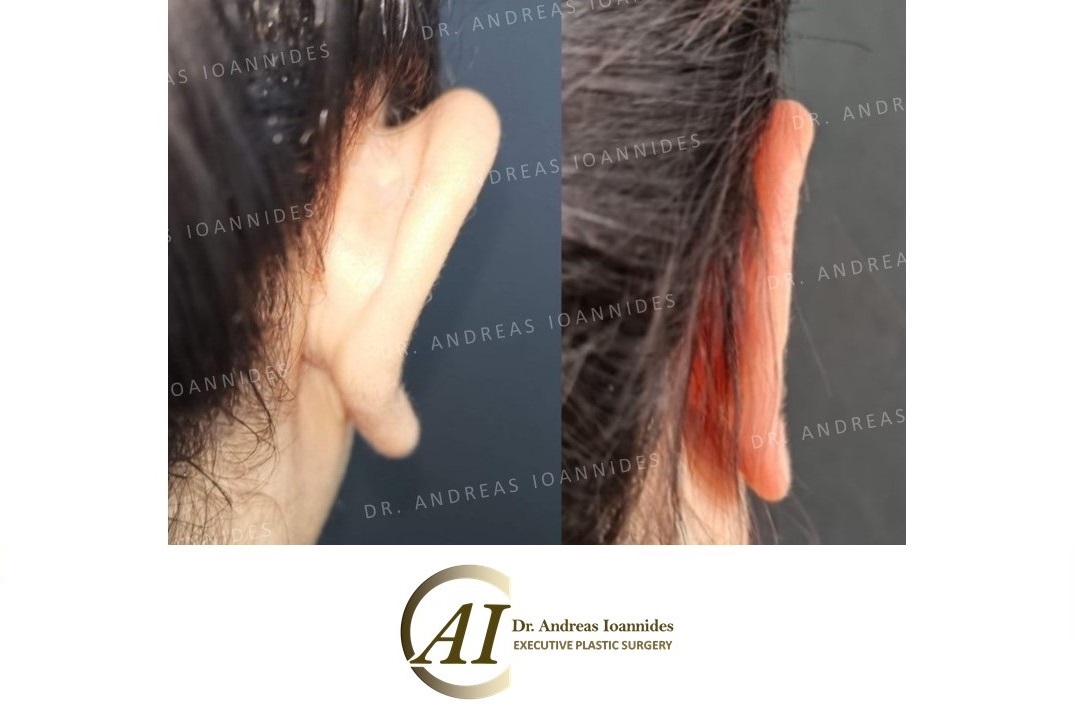
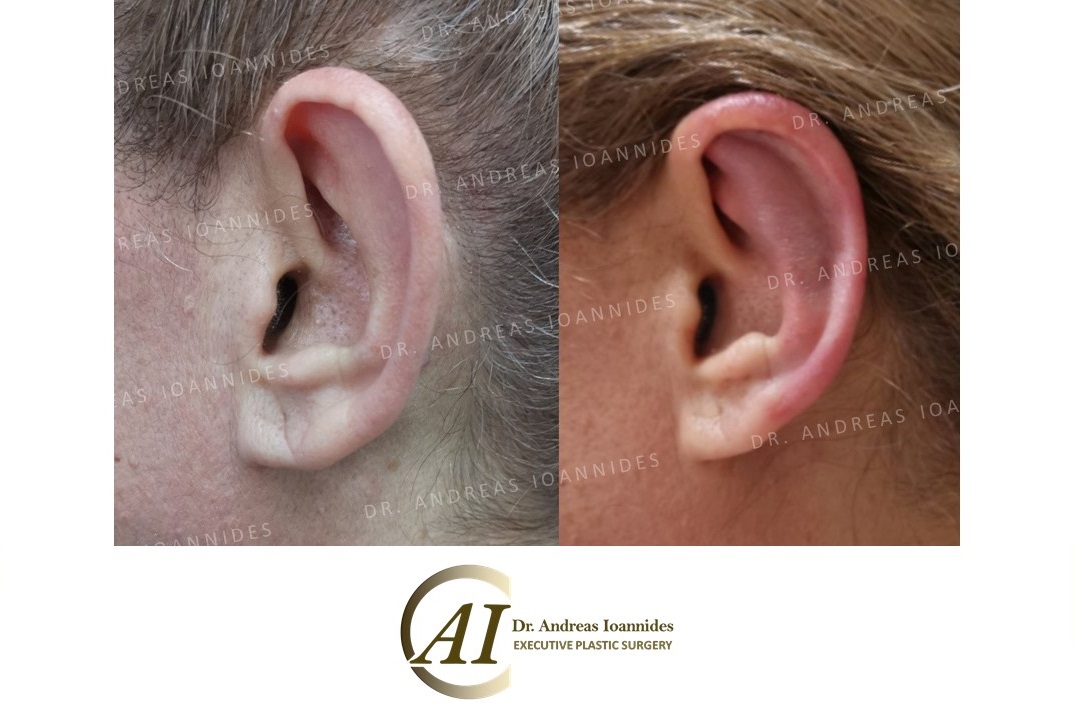
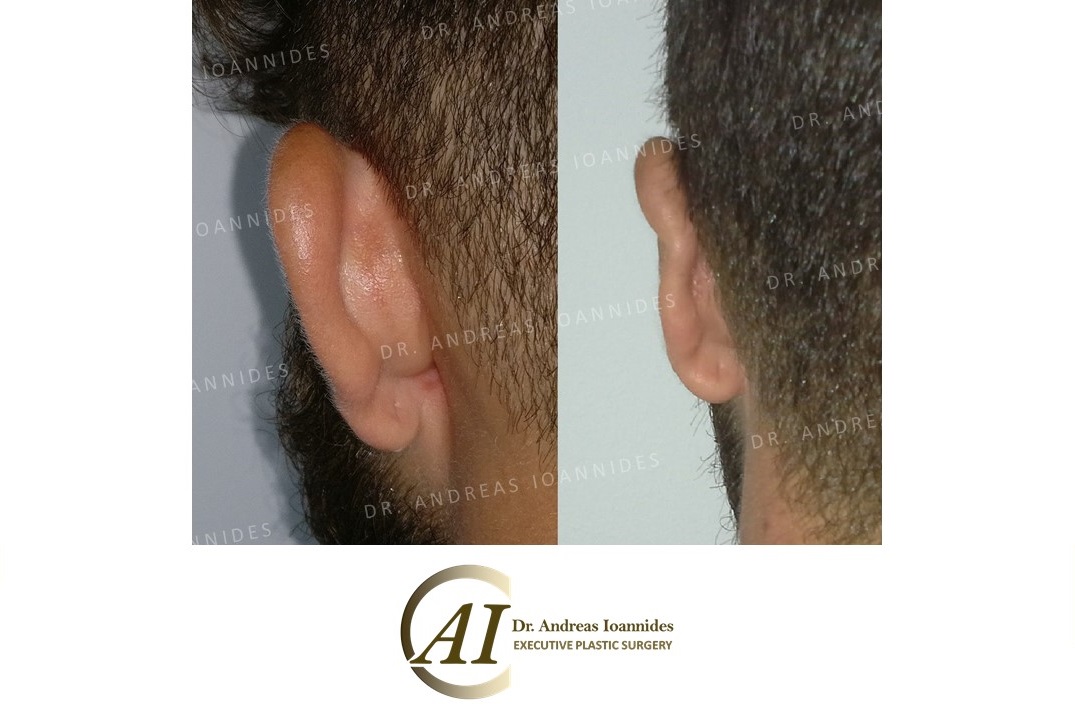
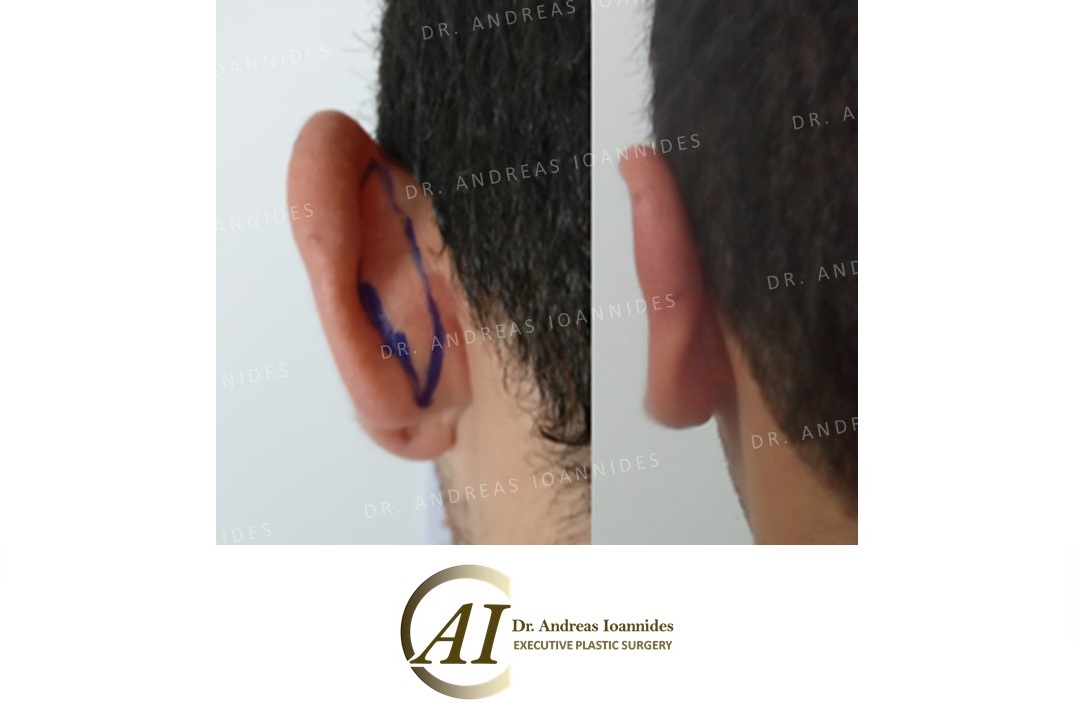
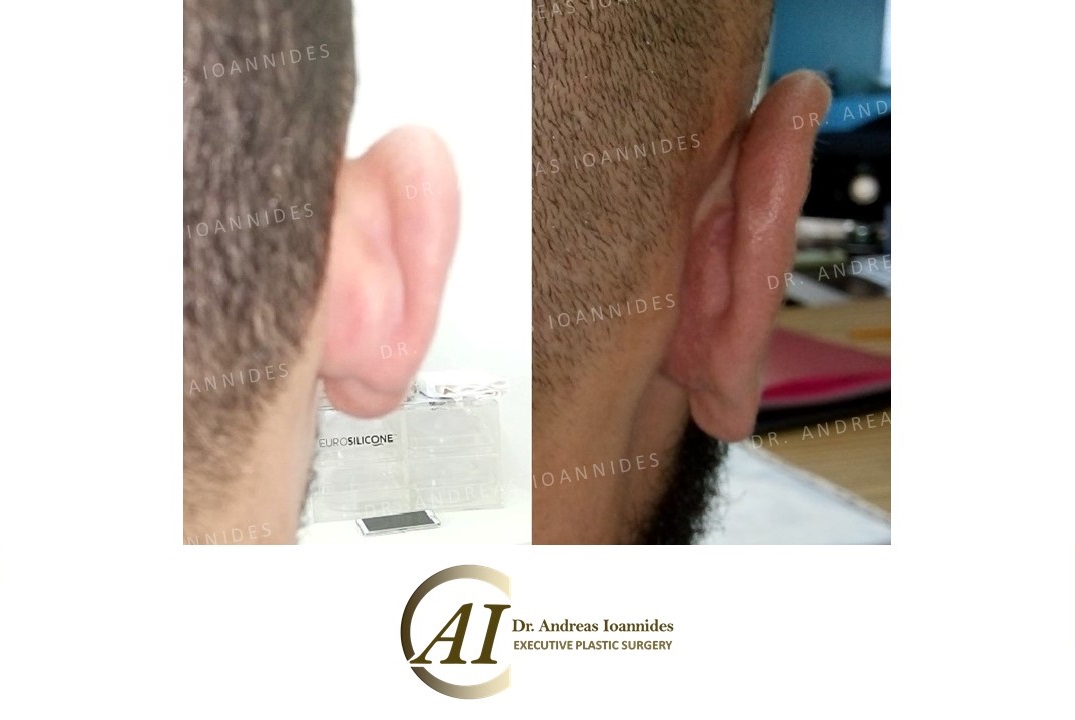
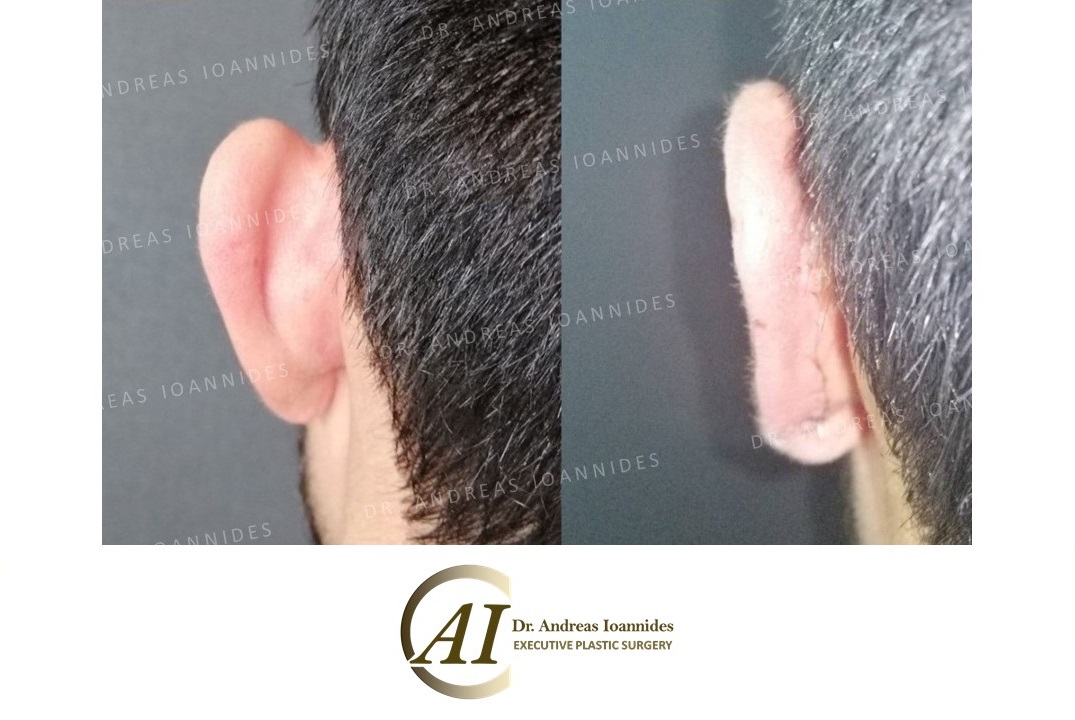
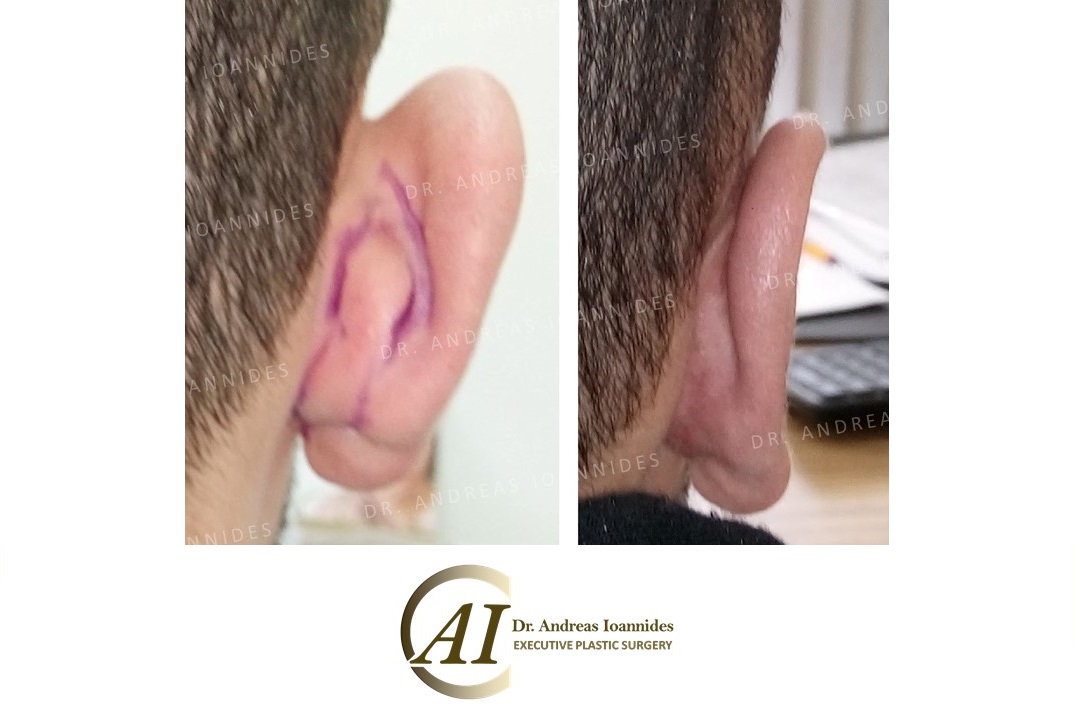
Otoplasty in Nicosia is a private ear correction procedure for adults or suitable children who want to reshape, reposition, or reduce prominent ears. Dr Andreas Ioannides performs tailored otoplasty planning in Nicosia, commonly using discreet incisions behind the ear, cartilage reshaping, and same-day discharge for suitable patients.
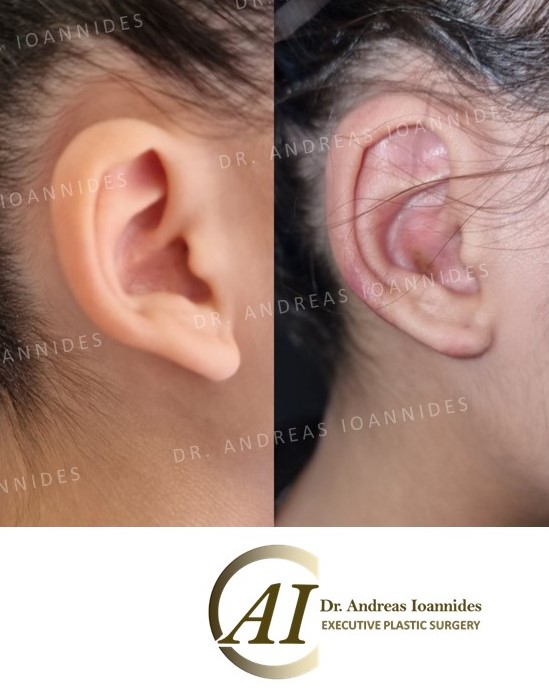
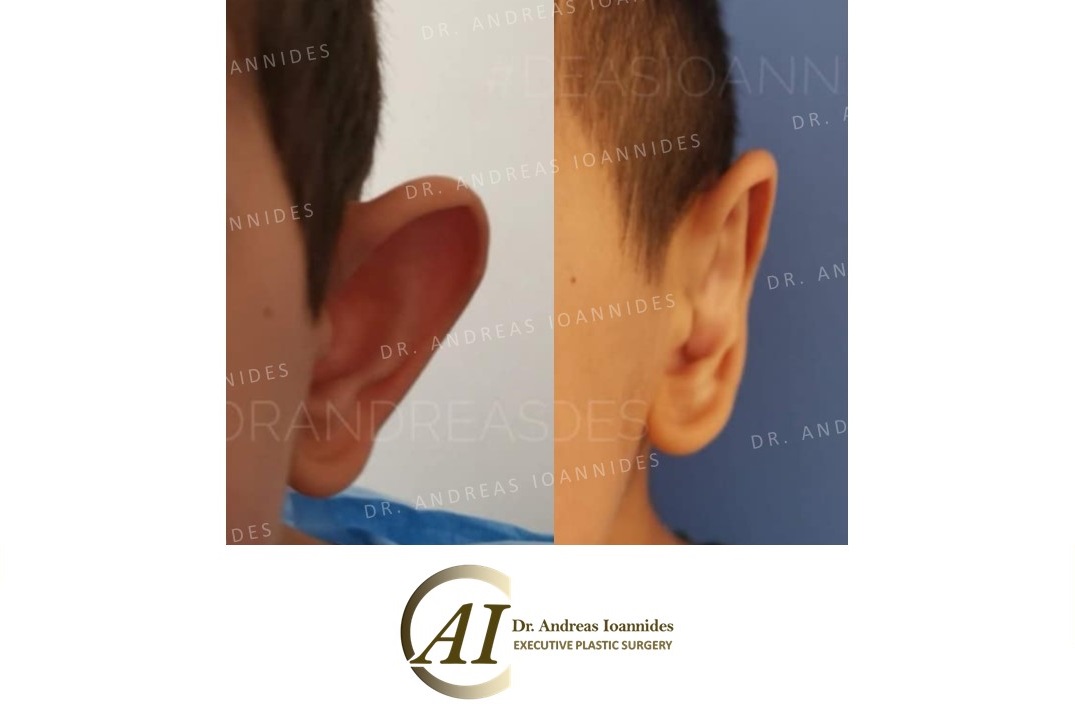
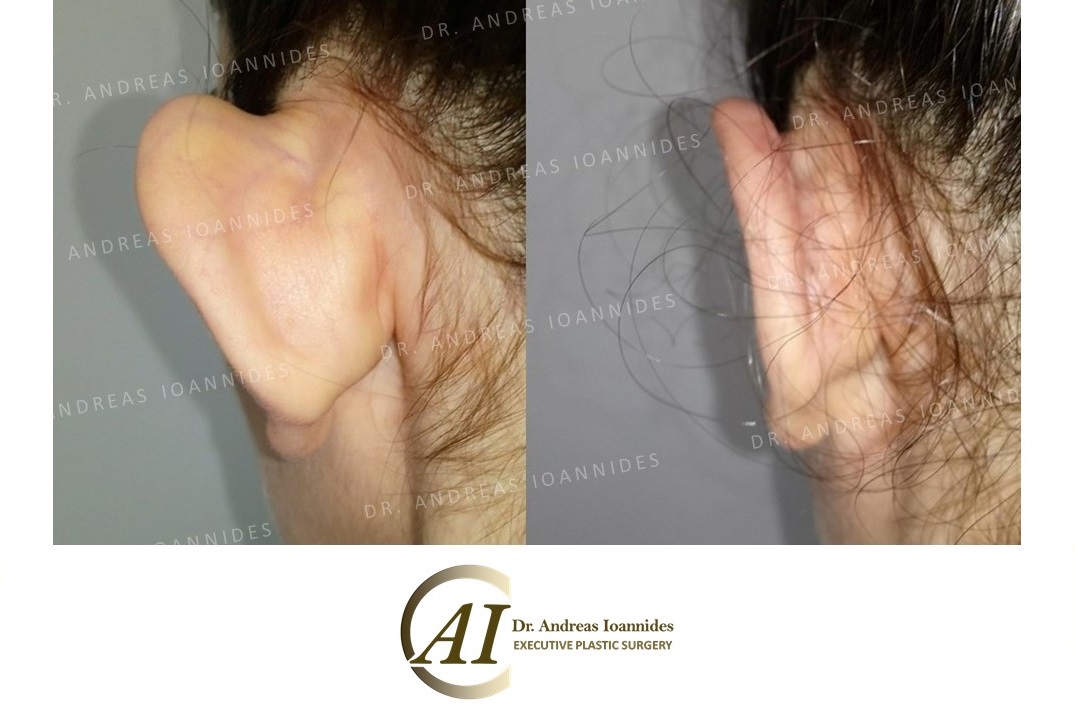
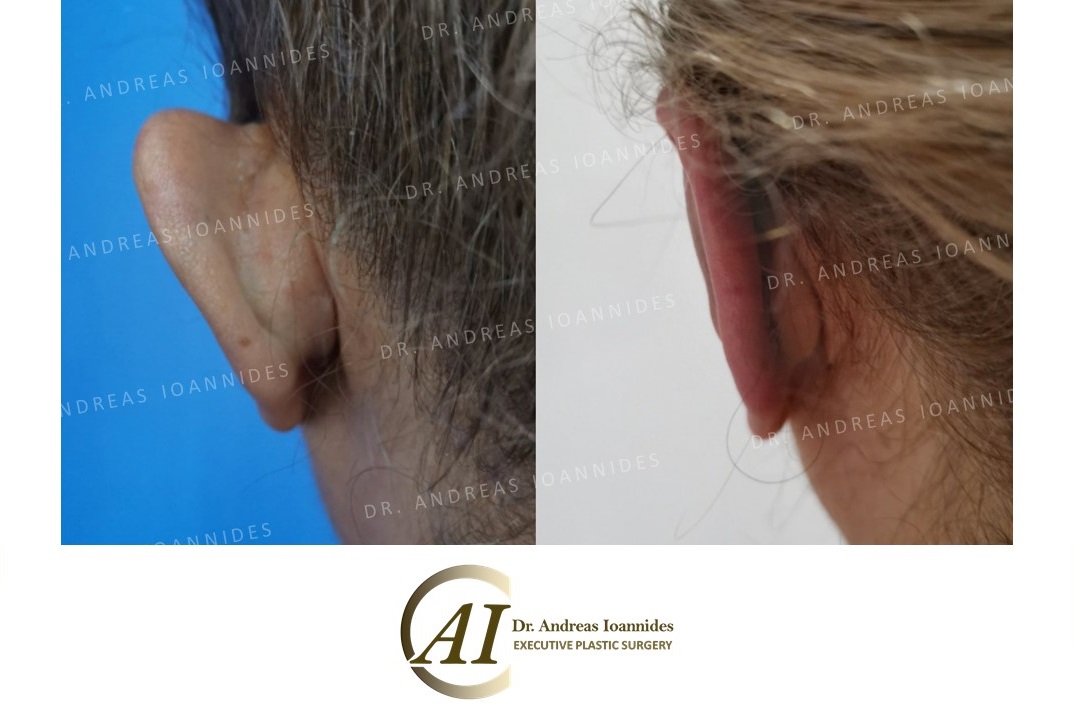
The goal is not to make the ears look flat, hidden, or surgically changed. Usually, the best result is the one nobody can quite identify. The ears sit more naturally with the face, the profile looks calmer, and the person feels more comfortable without feeling like their appearance has been changed too much.
Ear Correction Surgery in Nicosia With Dr Andreas Ioannides
Otoplasty is a cosmetic surgical procedure that changes the shape, position, or projection of the outer ear. It does not change hearing. The focus is the visible structure, meaning the cartilage and soft tissue that create the outline of the ear.
People usually consider this procedure because of:
- Protruding ears that sit too far away from the head
- Uneven ear position between the two sides
- A missing or weak natural fold in the upper ear
- A large or deep central ear bowl
- Earlobes that appear stretched, heavy, or irregular
- Previous injury or shape changes that affect balance
- Long-standing self-consciousness in photos or social situations
A small correction can make the whole facial outline feel more balanced. That may sound subtle, and it is, but subtle does not mean unimportant. The ear is close to the face, so when its projection is strong, it can compete with the nose, eyes, smile, and jawline.
For many people, the aim is simple: they want to stop thinking about it.
Otoplasty At A Glance
Who May Be Suitable For Otoplasty?
A consultation is needed before any decision is made. Ear shape, cartilage strength, skin quality, age, medical history, and expectations all matter. Still, there are some common situations where the procedure may be appropriate.
Adults often choose otoplasty after years of living with the same concern. Some have avoided short hairstyles. Some feel uncomfortable wearing their hair tied back. Others simply dislike how the ears appear in side-profile images. Adult men may mention this more often after hair thinning, because the ear shape becomes more visible.
Children can also be assessed for ear correction once the ear has developed sufficiently. This has to be handled carefully. The child should understand the process in a calm, age-appropriate way, and the decision should never feel forced. In younger cases, the emotional side matters just as much as the physical correction.
You may be a good candidate if you:
- Are bothered by prominent ears or visible asymmetry
- Want a natural-looking correction rather than a dramatic change
- Are in good general health
- Understand that perfect symmetry is not realistic
- Can follow aftercare instructions
- Have clear but reasonable expectations
- Want a private, unhurried consultation before deciding
Otoplasty is not about creating a standard ear shape. There is no single correct shape. The aim is to reduce what feels distracting while keeping the individuality of the face.
That distinction is important. A good result should look balanced, not “done.”
How The Otoplasty Procedure Is Performed
The otoplasty procedure is planned around the structure of the cartilage. In many cases, the incision is placed behind the ear, where the natural fold helps keep the scar discreet. Through this access point, the cartilage can be reshaped, folded, reduced, or repositioned depending on what is needed.
The exact plan may differ from one person to another. One ear may need more adjustment than the other. Sometimes the upper fold is the main concern. In other cases, the central bowl of the ear pushes the whole structure forward. Quite often, both issues are present to some degree.
Dr Andreas Ioannides assesses the ear from the front, side, and back because ear correction is not only about reducing projection. It is also about proportion.
Common Concerns And Possible Surgical Adjustments
Most procedures follow a careful sequence:
This can sound like a simple procedure that allows a visible improvement through a hidden incision, but it still requires precision. Ear plastic surgery is delicate. Even small changes in angle or fold definition can alter the way the face looks from the side.
The Comfort of Local Anaesthesia and Sedation
In our practice, many of our procedures are performed under local anaesthesia or a combination of local anaesthesia and deep sedation, twilight anaesthesia, aiming to minimise the impact on your body. This approach ensures a completely painless and calm experience during surgery, while eliminating the heavy sensation and nausea often associated with general anaesthesia. As a result, recovery begins immediately, allowing you to return home safely on the very same day, with the final choice of method always tailored individually during your consultation visit.
Recovery After Ear Correction
Recovery varies by patient, technique, and whether one or both ears are treated, but many suitable patients return home the same day and resume light routines within the early recovery period.
The first few days are usually the most sensitive. You may feel tightness, pressure, mild discomfort, or swelling. This is expected. The dressing protects the new ear position while the early healing begins.
After the initial dressing stage, a soft headband may be recommended, especially at night. It helps prevent accidental folding while sleeping. It may feel a little inconvenient, but it is there for a reason.
General Recovery Timeline
Healing is not always perfectly symmetrical. The important thing is to follow the aftercare plan and attend your reviews.
Aftercare Usually Includes
- Keeping the dressing dry and secure
- Avoiding pressure on the ears
- Sleeping carefully, often on your back at first
- Wearing the recommended headband if advised
- Avoiding contact sports until cleared
- Contacting the clinic if pain, bleeding, or swelling feels unusual
The clinic team gives specific instructions before you leave, so you are not left guessing.
Otoplasty Prices And Travelling To Nicosia
The cost of otoplasty depends on the details of the procedure. A written quote is provided after examination. The final cost depends on whether one or both ears are treated, anaesthesia, theatre requirements, and the complexity of cartilage reshaping.
This is more useful than a generic price because two people can have very different needs. A mild projection issue is not the same as marked asymmetry or revision correction.
What Is Usually Considered In The Cost?
During consultation, you can ask what is included, whether follow-up visits are part of the quote, and what additional costs, if any, could apply. It is better to have this written clearly. Nobody wants surprises with surgery.
Why Choose Dr Andreas Ioannides for Otoplasty in Nicosia?
Choosing who reshapes your ears is not a small decision, so experience and technique matter more here than most people realise.
Dr Andreas Ioannides is a Plastic and Reconstructive Surgeon with 26 years of experience, over which he has performed thousands of procedures across facial and reconstructive surgery, including thousands of ear correction and ear pinning cases. That volume matters with otoplasty, because prominent ear surgery is a delicate procedure where small differences in cartilage handling change the final result.
His has practised plastic and reconstructive surgery for 26 years, with dual board certification in Greece and Cyprus. He is a member of the International Society of Aesthetic Plastic Surgery (ISAPS), IPRAS and the Hellenic Society of Plastic, Reconstructive and Aesthetic Surgery (HESPRAS), and holds international member status at the American Association of Plastic Surgeons, a distinction extended by invitation to surgeons based outside the United States.
The en bloc mastoid fixation otoplasty technique
One point of difference is a technique Dr Ioannides specially developed, an en bloc mastoid fixation otoplasty. Rather than relying only on cartilage removal and sutures that can loosen or relapse over time, this method secures the reshaped ear cartilage as a single, stable unit to the mastoid area behind the ear. The benefit is a more reliable, longer-lasting correction with a lower chance of the ears drifting forward again, and a natural contour that holds its shape. For patients, that often means a more predictable result and greater confidence that the correction will last.
During your consultation, Dr Ioannides will assess:
- Ear projection
- Cartilage shape and strength
- Fold definition
- Balance between both sides
- Earlobe position
- Scar placement
- Anaesthesia suitability (local anesthesthia most commonly)
- Recovery expectations
- What can realistically be achieved
A good consultation should feel clear, not rushed. You should understand why a certain technique is recommended, what the limits are, and how the recovery usually unfolds.
Dr Andreas Ioannides At A Glance
Otoplasty for International Patients
Prominent ear surgery is one of the procedures patients most often travel for, partly because it is done under local anaesthesia, has a short recovery, and does not require a long hospital stay. Nicosia works particularly well for this: accessible flights, modern private facilities, and a calm setting to recover in for a few days before heading home.
For patients coming from abroad, the pathway is built to keep things simple and reassuring:
- Start with a remote consultation. An initial video discussion and photo review clarify your concern and expectations before you commit to travel.
- Confirm the plan in person. The final assessment and surgical plan are agreed face to face, usually a day or two before surgery.
- Same-day discharge for suitable cases. You return to your accommodation the same day, not a ward.
- Plan a short stay. Around 5 to 7 days allows for surgery and an early review before flying home.
- Do not book an immediate flight. A brief stay lets the team check the dressing and early healing first.
- Bring a companion if you can. Mostly for comfort and practical help in the first day or two.
Because ear correction leaves a discreet incision behind the ear and heals relatively quickly, it fits neatly into a single, well-planned trip. Communication in English before and after your visit means you are supported from the first message to your remote follow-up once home.
What Patients Say
Patients commonly ask for natural-looking ear correction that reduces prominence without making the ears look overly pinned back. During consultation, Dr Ioannides explains the realistic degree of correction, expected scar position, recovery steps, and follow-up plan.
Feedback from those who have trusted us consistently centers on the same themes: a calm, reassuring experience, a result that preserves their individual identity, and a team that responds promptly to messages throughout recovery. Word of mouth, as well as thorough Google reviews, bring a steady stream of friends and relatives of former patients through our doors. Equally important is the significant number of patients referred to us by other doctors and colleagues who trust our clinical expertise, a distinction that, alongside our patients' appreciation, stands as the truest endorsement of our work.
Other Facial Procedures with Dr Andreas Ioannides
Ear correction is one part of a wider range of facial work. If you are weighing up your options, these are among the procedures most often discussed alongside it.
A proprietary approach that repositions the facial tissues without leaving visible scars. It suits patients who want a meaningful lift while keeping any trace of surgery hidden, and it remains one of the practice's most requested options.
T.T.A. Lift, Mini Deep Plane Lift
A targeted, minimally invasive version of the deep plane facelift. The deeper tissue layer is released and elevated through limited incisions, which preserves natural movement while shortening recovery compared with a full deep plane procedure.
SmartLift by Dr Andreas Ioannides
SmartLift is a pioneering approach to the deep plane facelift, designed to rejuvenate the midface, the oval of the face and the neck, delivering natural results and a rapid recovery without the long incisions of conventional methods. What makes it truly "smart" is the combination of advanced technologies (radiofrequency, Argon plasma and nano fat grafting for tightening and restoring lost volume) with a highly refined anatomical design.
Its defining difference is that it is not limited to the classic lateral or transverse pull of most conventional facelifts, but instead incorporates a vertical axis of suspension (vertical suspension). This directly addresses the vertical descent and the "emptying" of the central face, repositioning the cheek and midface tissues with precision for a completely natural, youthful facial architecture. The SmartLift, then, is not simply a lift with a smaller incision, but a complete, smart and anatomically designed approach to facial rejuvenation.
Uses shorter, more discreet incisions to address mild to moderate laxity of the cheeks and jawline. Scarring settles into the natural creases, so the result reads as rejuvenation rather than surgery.
Lipolysis and Tightening, ThermiTight
A minimally invasive, radiofrequency-assisted treatment that dissolves stubborn fat and tightens the skin of the lower face and neck through a tiny entry point, without major incisions. A strong choice for early jowls or a softening jawline.
Bat Wing Lip Lift, lifting the upper lip
A refined lip lift that shortens an elongated upper lip and reveals a little more of the upper teeth, restoring a balanced, youthful smile. It is frequently performed under local anaesthesia, with minimal downtime.
Frequently Asked Questions
How much does otoplasty cost in Nicosia?
The cost depends on the surgical plan, whether one or both ears are treated, the anaesthesia method, and the complexity of cartilage reshaping. A written quote is provided after consultation and examination, so the price reflects your actual case rather than a generic estimate. You can also ask what is included, such as surgical fees, anaesthesia, clinic costs, and follow-up appointments. Clear pricing is part of good planning.
Who performs otoplasty in Nicosia?
Otoplasty at this practice is performed by Dr Andreas Ioannides, Plastic and Reconstructive Surgeon. The consultation includes an assessment of ear shape, projection, cartilage strength, asymmetry, scar placement, and recovery expectations. The surgical plan is tailored to the individual rather than based on a fixed method. This matters because one person may need fold creation, while another may need repositioning, earlobe correction, or a more subtle adjustment.
Is otoplasty done under local anaesthesia?
In many suitable cases, otoplasty can be performed under local anaesthesia, sometimes with sedation for comfort. The safest option depends on age, medical history, anxiety level, surgical complexity, and personal preference. Dr Ioannides discusses the anaesthesia plan during consultation, so you understand what to expect before surgery day. The aim is a calm, painless procedure with a smooth recovery and same-day discharge when appropriate.
What is ear pinning, and is it the same as otoplasty?
Ear pinning is a common name for the most frequent type of otoplasty, moving prominent ears closer to the head. Otoplasty is the broader medical term, covering pinning as well as reshaping the fold, reducing the ear bowl, correcting asymmetry, and earlobe adjustment. So all ear pinning is otoplasty, but not all otoplasty is simply pinning. During your consultation, the exact combination of adjustments is matched to your ears, since most cases involve more than one small change.
How long does otoplasty recovery take?
Most people manage the early otoplasty recovery well. The first few days bring tightness, mild swelling, and pressure from the dressing. Many return to light work or school within about two weeks, with a soft headband often advised at night to protect the ears while sleeping. More active exercise and contact sports usually wait four to six weeks, until cleared. The final contour keeps softening and settling over the following months, so early appearance is not the finished result.
Will otoplasty results last, or can the ears move forward again?
With sound technique, results are designed to be long lasting. One reason relapse can happen elsewhere is reliance on sutures alone, which may loosen over time. Dr Ioannides' en bloc mastoid fixation otoplasty secures the reshaped cartilage as a stable unit to the bone behind the ear, which reduces the chance of the ears drifting forward again. No result is guaranteed permanent, since healing varies, but this approach is built specifically to hold the corrected position reliably.
What age is suitable for ear correction surgery?
Ear correction can be considered once the ear has developed enough (as soon as 4 years old), often from around school age, and it is performed on teenagers and adults too. In children, the emotional side matters as much as the physical, so the child should understand the process calmly and never feel pressured. Adults frequently choose it after years of self-consciousness, sometimes when hair thinning makes the ears more visible. Suitability always depends on individual assessment of cartilage, health, and expectations during consultation.
Will the scars be visible?
The incision is usually placed behind the ear, where it sits in a natural fold and is difficult to see in normal conversation. Early redness or firmness can happen, but scars usually soften over time. Good technique helps, but so does aftercare. Avoiding unnecessary pulling, pressure, and irritation during the first weeks makes a difference. Dr Ioannides will explain scar care during follow-up based on your skin and healing pattern.
Can otoplasty correct asymmetry?
Yes, otoplasty can often improve visible asymmetry, although perfect matching is not realistic. Most people naturally have small differences between the two sides of the face and ears. The aim is to make the imbalance less distracting while keeping the result natural. Sometimes both ears are adjusted even when one side is more noticeable, because changing only one ear may make smaller differences stand out. This is discussed during consultation.
Can I travel to Nicosia for otoplasty?
Yes, many people plan ear correction as part of a private medical trip, provided they allow enough time for consultation, surgery, and an early review. A remote discussion may happen first, but the final decision is made after in-person assessment. International patients should not arrange a flight immediately after surgery. A short stay of several days is usually more sensible, especially while dressings and early healing are being checked before departure.
When will I see the final result?
You will see a change immediately after the dressing is removed, but the early appearance is not the final result. Swelling, firmness, and small differences between sides can remain for several weeks. The ear shape continues to soften and settle over the following months. It is better not to judge too early. Follow-up appointments help confirm that healing is progressing as expected and that the new contour is stable.
Ready To Discuss Ear Correction Privately?
Book a private otoplasty consultation with Dr Andreas Ioannides and talk through your concerns in a calm, confidential setting. You will receive a personalised assessment, clear advice on anaesthesia and recovery, and an honest explanation of what kind of natural-looking result can realistically be achieved.
Other Areas Served:
CONTACT
Dr. Andreas Ioannides
Contact us and book an appointment immediately
Choose your appointment by video call or by visiting one of our clinics!

Dr. Andreas Ioannides Executive Plastic Surgery is one of the most complete plastic surgery clinics and the international medical aesthetic medical centers ADVANCED AESTHETICS provide modern medical techniques and aesthetic medical treatments in Greece and Cyprus.
Dr. Andreas Ioannidis at the 16th Panhellenic Congress of Plastic, Reconstructive & Aesthetic Surgery
7 Common Myths About Plastic Surgery
Blepharoplasty: When Is It Indicated and What to Expect During Recovery
Rhinoplasty and Breathing: Can Aesthetics and Functionality Be Combined?
September and Plastic Surgery: Why Autumn Can Be a Good Time to Plan an Aesthetic Procedure
September and Aesthetic Treatments: Why It’s the Ideal Time for a Fresh Start
Thinking About Labiaplasty? 10 Things You Should Know Before Moving Forward
Athens Clinic
T +30.210 9595566
Email: info@andreasioannides.com
Address: Syggrou Ave, 284, Kallithea, Zip 17673 – Athens
Cyprus Clinics
T +357.22335002
Email: info@andreasioannides.com
Athenium International Medical Institute
Address: Giannitson 9 Strovolos, Nicosia 2027, Cyprus
Address: Thiseos 1, Lemesos 3025, Zip 4004 – Cyprus
Copyright © 2022